
This One-Pot Ginger Chicken Rice is the kind of dish that is both comforting and effortlessly practical. It’s built around simple pantry staples, but makes a dish that can be served for both luxurious meals, as well as the less fancy ones.
Just imagine: avory chicken, fragrant ginger, and perfectly seasoned rice all cooked together so every grain absorbs flavor.
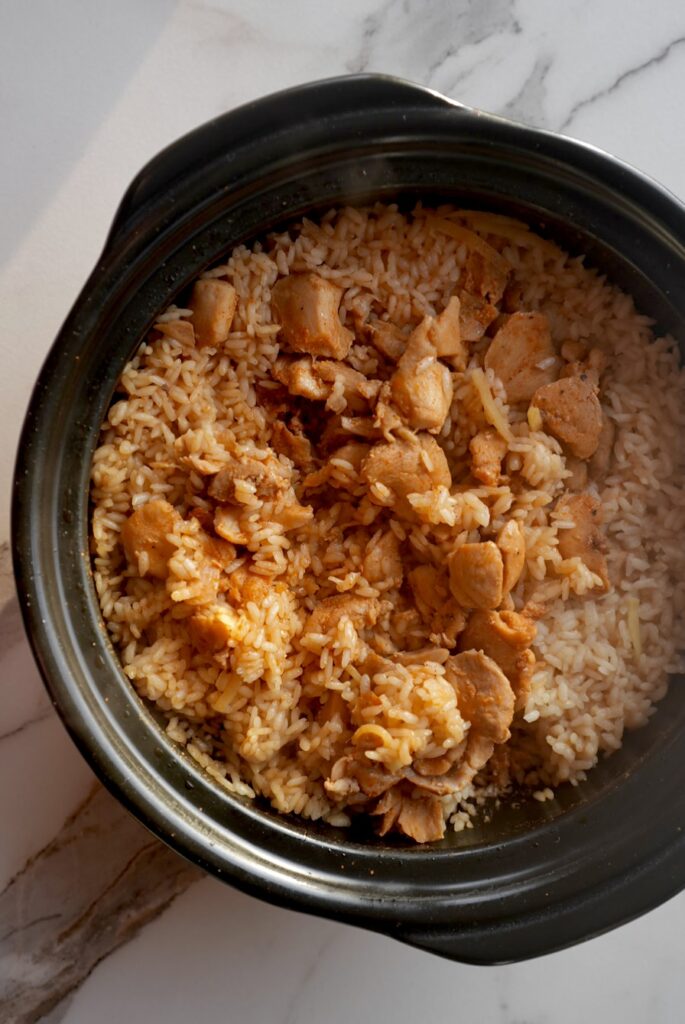
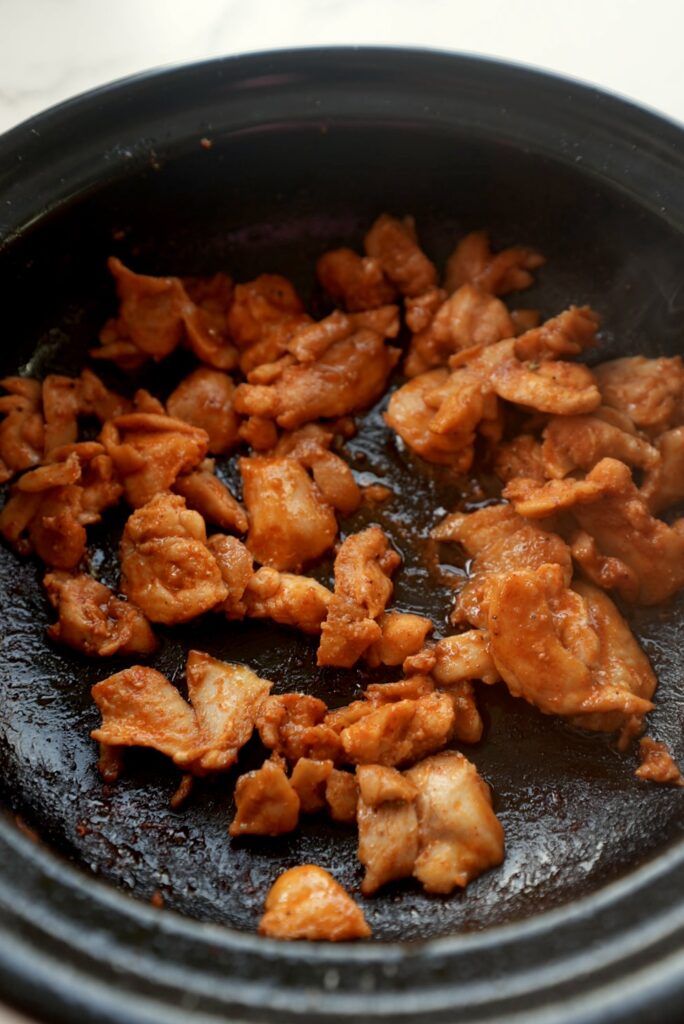
The chicken is cooked with soy sauce, gochugaru, black pepper, and brown sugar, creating a balance of salty, gently sweet, and subtly spicy. Thin slices of ginger soften as they cook, infusing the rice with warmth and aroma without overpowering it.
Once the chicken is set aside, the rice goes into the same pot with ginger, water, and salt, picking up all those savory bits left behind. The chicken is then placed back on top, where it finishes cooking as the rice steams underneath.
Searing the chicken thighs first adds extra depth and color, but this is also a recipe that fully supports the lazier route. Nestling the chicken directly on top of the rice and letting everything cook together still yields juicy meat and richly flavored rice. Choose either route you like!
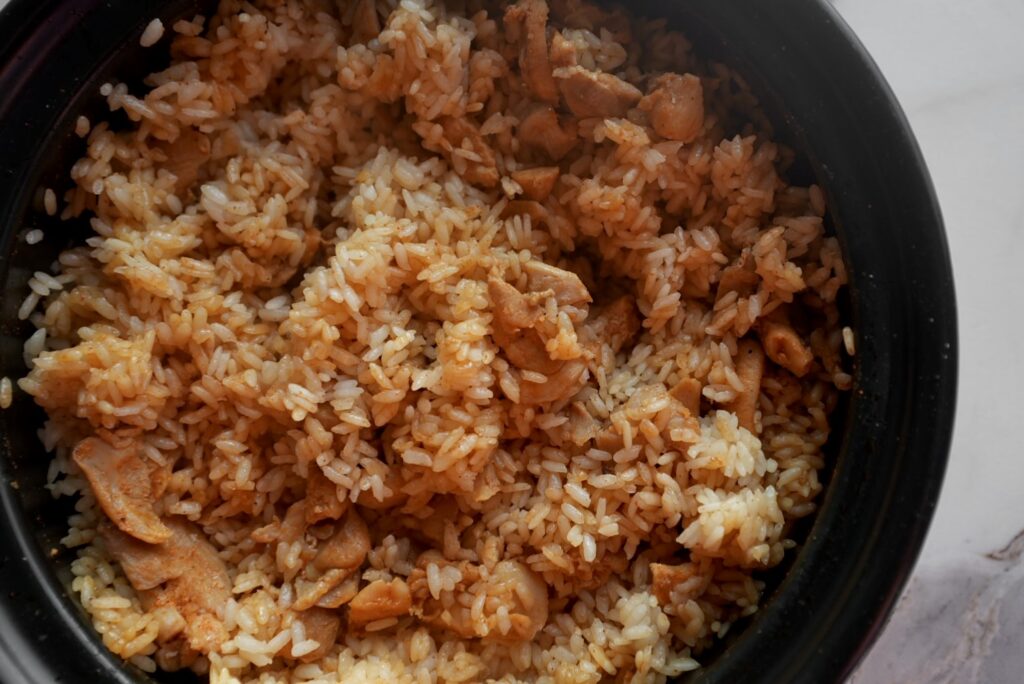
One of the best parts of this dish is its flexibility. You can make it in a rice cooker, a standard pot on the stove, or even a donabe if you want to lean into that cozy, communal feel.
Everything cooks in about 15 minutes, making it ideal for weeknights, but it’s satisfying enough to feel special. Serve it as-is or finish with scallions, sesame oil, or a soft egg on top. You can even cook veggies with it as well: broccoli, corn, carrots, peppers… Ether way, it’s the kind of meal that’s hard to stop thinking about once you’ve made it.
Chicken Ingredients:
These simple ingredients work together to create a chicken that’s deeply savory, gently spicy, and fragrant with ginger, forming the flavor foundation for the entire one-pot dish.
- Chicken Thighs: Juicy and forgiving, making them ideal for one-pot cooking since they stay tender whether seared first or cooked directly on the rice.
- Soy Sauce: Provides the salty, umami base that seasons the chicken and flavors the rice as everything cooks together.
- Gochugaru: Adds gentle heat and subtle smokiness without overpowering the dish.
- Black Pepper: Brings a sharp, aromatic warmth that balances the savory and sweet elements.
- Brown Sugar: Rounds out the saltiness of the soy sauce and helps the chicken develop deeper flavor, especially if you sear it first.
What Type of Rice to Use
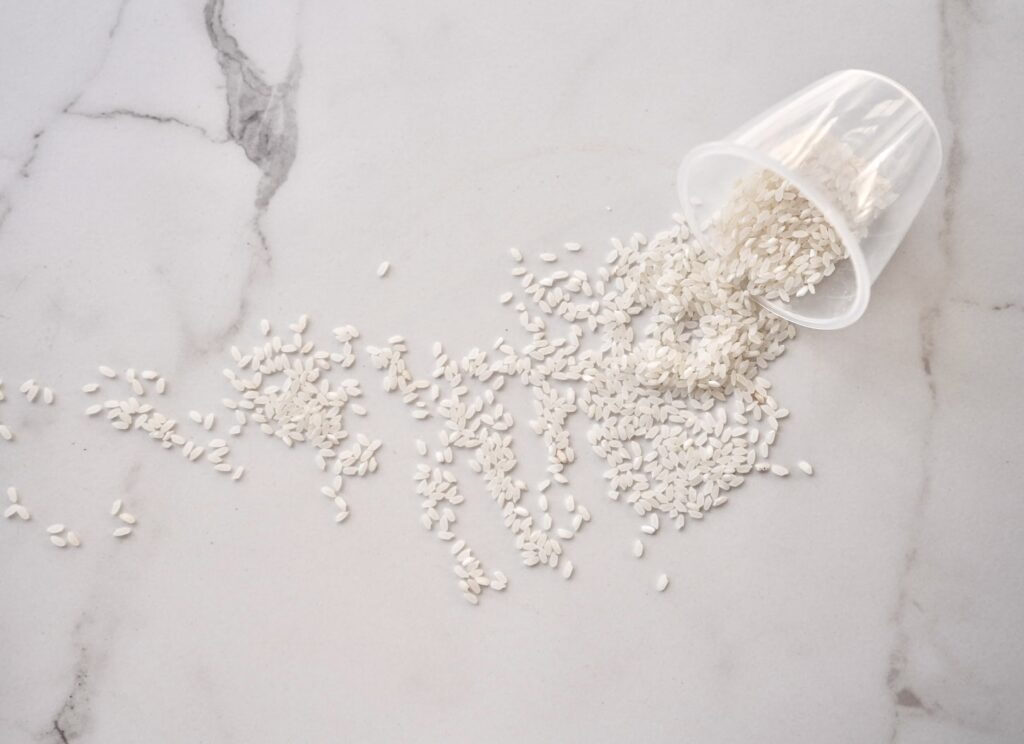
Choosing the right type of rice can be confusing, especially with so many varieties available. In Korean and Japanese cooking, however, Japanese short-grain or medium-grain rice is almost always the go-to choice.
Short-grain rice, often labeled as sushi rice, is particularly prized for its soft and chewy texture, which pairs beautifully with traditional Japanese dishes. Medium-grain rice is a great alternative if short-grain isn’t available (I actually almost always use medium-grain myself because it’s generally cheaper where I live!). Both are ideal for recipes like this one, where the rice’s stickiness helps meld the flavors into every bite.
Recommended Rice Cookers
Do I need to have a fancy rice cooker? NO! Just like anything, generally, the higher the quality, the better. But you can make great rice in a cheap rice cooker, too!

5.5 cups or 10 cups
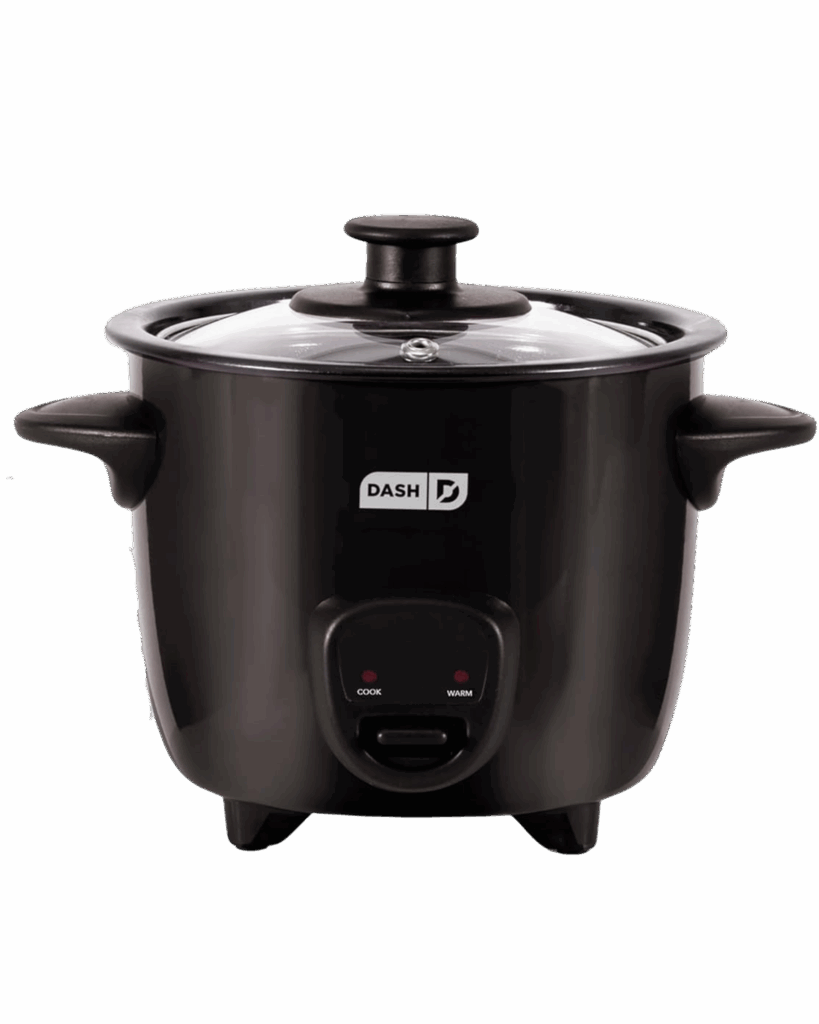
2 cups
Click the rice cooker photos to see my favorite rice cookers. I included a budget-friendly rice cooker I love! I use the Tiger 5.5-cup model shown. About 1/2 cup of Japanese short- or medium-grain rice makes 1 serving.
Key Features to Look For in a Rice Cooker:
- Timer and Keep Warm Function: Useful for planning meals ahead of time and keeping them warm until you’re ready to eat.
- Steaming Basket or Tray: Allows you to steam vegetables or cook other ingredients while the rice cooks.
- Multiple Cooking Functions: Ensure it has settings for steaming, slow cooking, and possibly even baking.
- Non-Stick Inner Pot: Makes cleaning easier and prevents sticking.
Using a Donabe
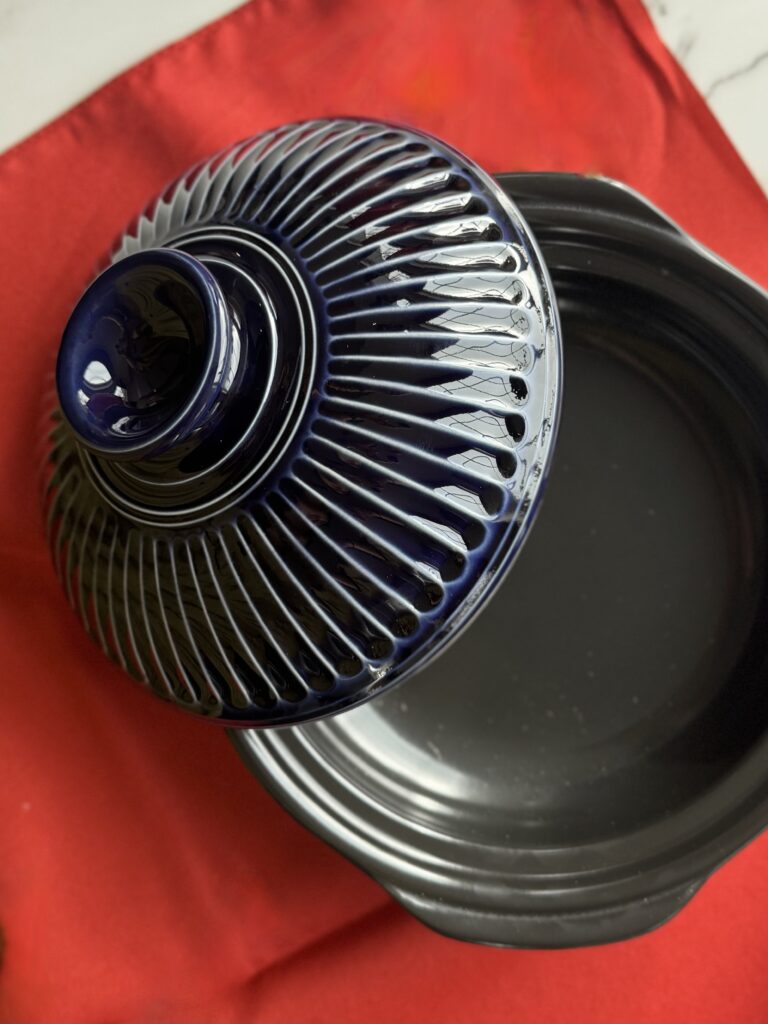
Using a rice cooker or a pot works great for this dish. Alternatively, you can also use a donabe.
A donabe is a traditional Japanese clay pot that’s prized for the way it cooks food gently and evenly. Made from porous clay and fired at relatively low temperatures, a donabe retains heat exceptionally well, allowing ingredients to simmer rather than aggressively boil. This slow, steady heat brings out deeper flavors and is especially well-suited for rice, soups, and braised dishes. Because the clay absorbs and radiates heat, food continues cooking even after the flame is turned off, making meals feel both efficient and intentional.
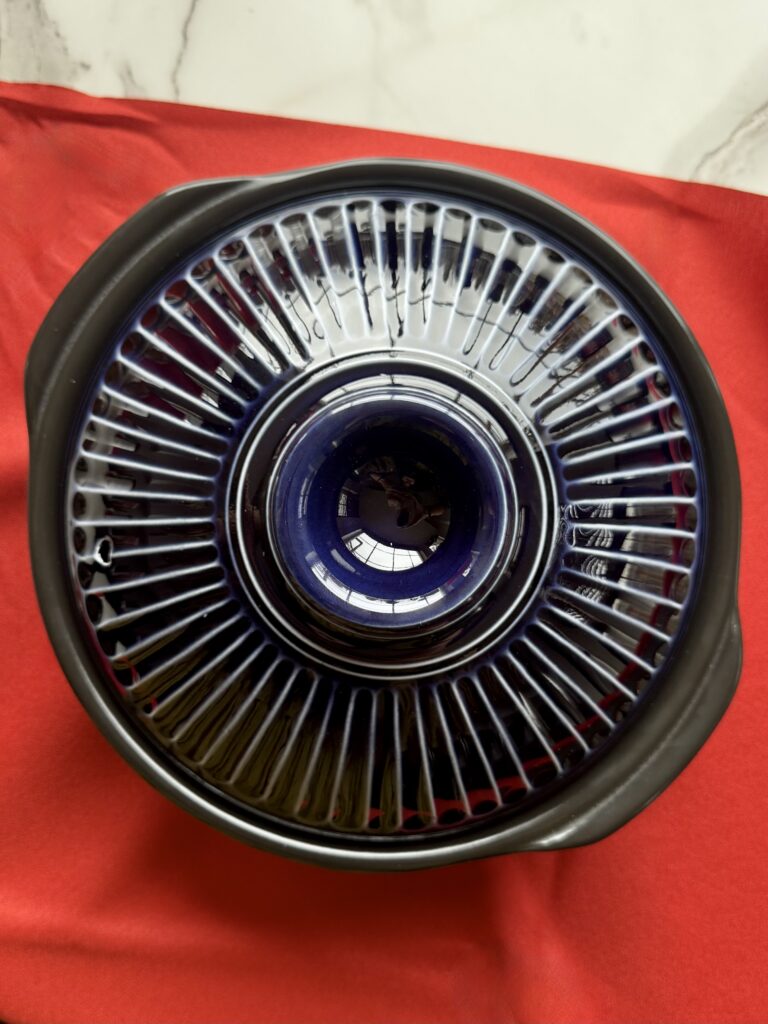
Here’s a link to a donabe I recommend.
Beyond its function, a donabe carries a strong sense of seasonality and ritual in Japanese cooking. It’s often brought directly from the stove to the table, encouraging shared, communal meals. The rustic appearance and natural materials give it a warmth that modern cookware can’t quite replicate. Over time, a donabe develops character from repeated use, and with proper care, it can last for years while becoming better at what it does.
While it may look specialized, a donabe is surprisingly versatile and can replace several pieces of cookware in the kitchen. Once you get comfortable with its gentle heat and timing, it becomes an everyday tool rather than something reserved for special occasions.
- Cooking rice: Produces fluffy, evenly cooked rice with a slightly chewy texture and crisp bits at the bottom if desired.
- One-pot meals: Ideal for dishes where proteins and grains cook together, allowing flavors to fully meld.
- Hot pot (nabemono): Perfect for simmering broths at the table with vegetables, tofu, and meat.
- Soups and stews: Maintains a steady simmer without scorching.
- Braised dishes: Gentle heat prevents tough cuts from drying out.
- Steaming: Can be used with a rack or basket to steam vegetables, dumplings, or fish.
- Keeping food warm: Excellent heat retention keeps dishes hot long after cooking.
- Serving: Designed to go from stove to table, reducing the need for extra serving dishes.
One-Pot Ginger Chicken Rice
- Total Time: 24 minutes
Description
This comforting one-pot dish brings together savory chicken thighs, fragrant ginger, and perfectly seasoned rice. Everything cooks in a single vessel – whether that’s a rice cooker, a pot on the stove, or a donabe – so the rice absorbs all the flavor as it steams beneath the chicken.
Ingredients
- 2 cups rice (I recommend Japanese short-grain or medium grain rice for the most authentic Japanese experience!)
- Water
- 1 tsp salt
- 1-inch knob ginger, thinly sliced
Instructions
- Toss the chicken thighs with the soy sauce, gochugaru, black pepper, and brown sugar until evenly coated.
- Optionally, sear your chicken first: Heat your pot over medium heat. Sear the chicken thighs until lightly browned on both sides. This step adds depth, but you can skip it if you prefer a more hands-off approach. Remove the chicken and set aside.
- Add the rice to the pot, then pour in the water (if using short-grain or medium-grain rice, use about 1 2/3 cup water) and sprinkle in the salt. Scatter the sliced ginger evenly over the rice.
- Nestle the chicken thighs directly on top of the rice and ginger. Do not stir.
- Cover and cook for 12 – 14 minutes, or until the rice is tender and the chicken is fully cooked. If using a rice cooker, let it run on the regular white rice setting.
- Let the dish rest for a few minutes off the heat, then gently fluff the rice and serve with the chicken on top.
- Prep Time: 10 minutes
- Cook Time: 14 minutes
Nutrition
- Serving Size: 4-5



0 Comments