
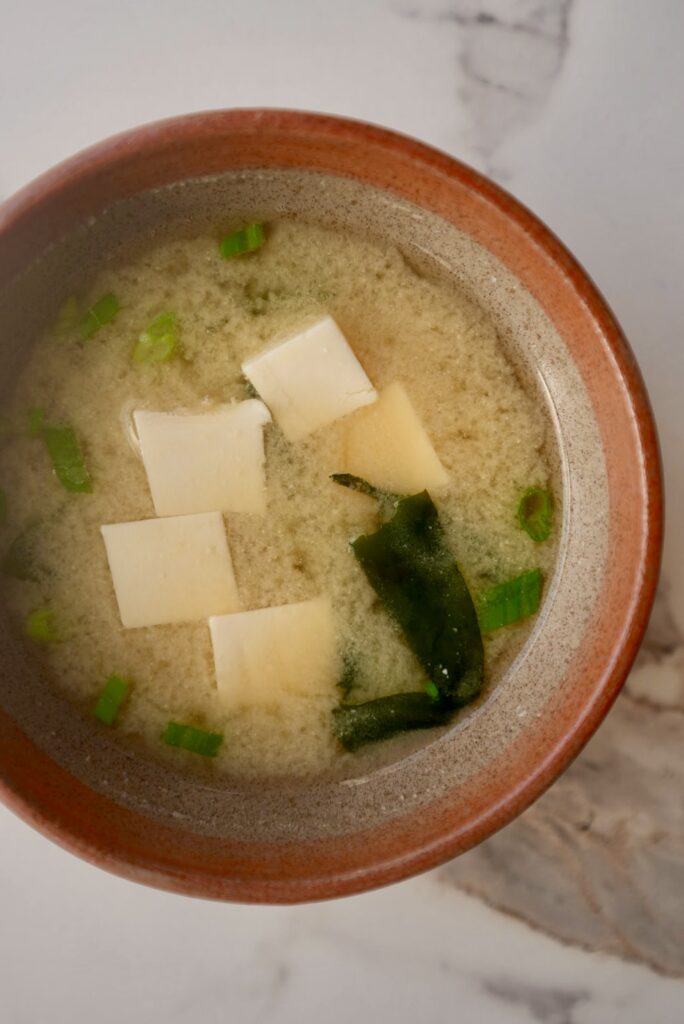
Traditional miso soup is an essential dish in Japanese cooking. It’s simple, nourishing, and deeply comforting. Made with just a handful of ingredients like dashi, miso paste, and tofu or seaweed, it’s not meant to be flashy. Instead, it brings warmth and balance to the table, grounding the rest of the meal with gentle umami and depth.
At Japanese meals that my mom made growing up, there was also always a pot of miso soup on the stove to dish up, no matter what else we were eating. It was always there for you to help yourself to throughout the meal. Always steaming and fragrant. The smell is very nostalgic for me.
The miso soup my mom would make would change slightly depending on the season or what was in the fridge. Sometimes tofu and wakame, other times daikon or kabocha. That consistency made it feel less like a “dish” and more like a constant presence at the table.
Miso soup is often considered healthy because it’s light, nourishing, and built on fermented ingredients that support overall wellness. Miso itself is a fermented soybean paste that contains beneficial probiotics, while dashi provides flavor without needing heavy fats or large amounts of oil.

When made traditionally with ingredients like tofu, seaweed, and green onions, miso soup offers protein, minerals, and umami-rich satisfaction without being calorie-dense. This makes it a gentle, everyday soup that feels both comforting and restorative.
This recipe focuses on the classic method. I’ll share some ways to change it up a bit, but it will focus mainly on the basics. This means that I’ll share the way it’s made in most Japanese households. But when something is as simple and comforting as miso soup, it doesn’t need much embellishment. Let’s dive in to how to make it!
Ingredients:
- Dashi: The foundation of the soup; a light, umami-rich broth that gives miso soup its depth without heaviness.
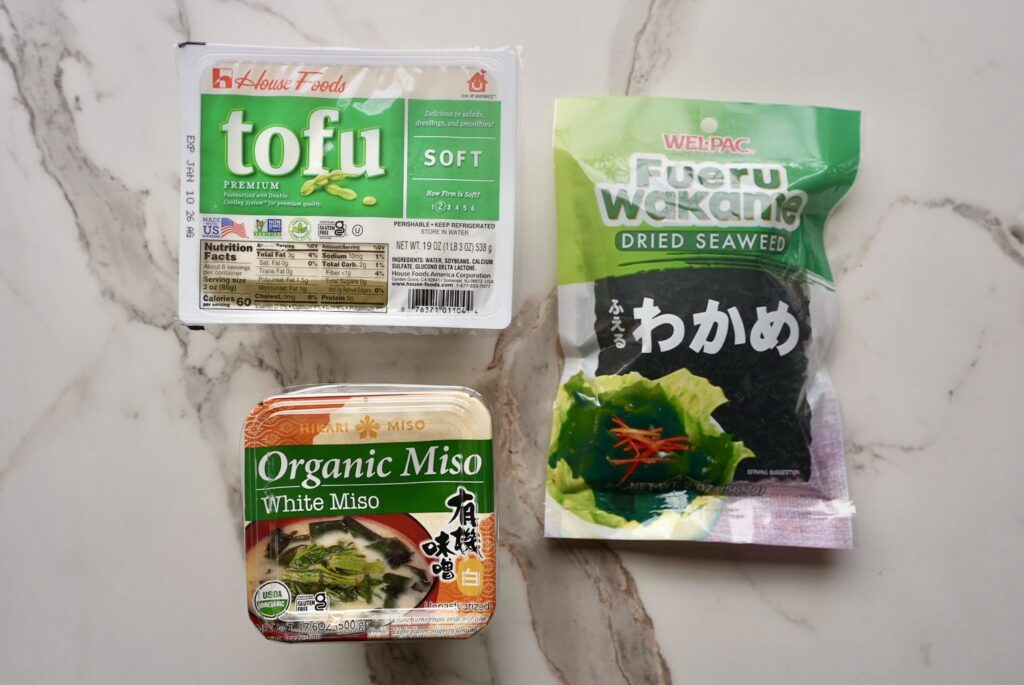
- Miso Paste: The star ingredient; a fermented soybean paste that adds savory, salty, slightly sweet complexity and richness. Feel free to use white miso or red miso. I’ll touch more on this in the next section.
- Tofu: Soft, mild cubes that add protein and a creamy contrast to the broth.
- Wakame: Dried seaweed that rehydrates in the soup, bringing subtle brininess and important minerals.
- Green Onions: Add freshness, color, and a gentle sharpness to balance the savory broth.
What to Know About Miso
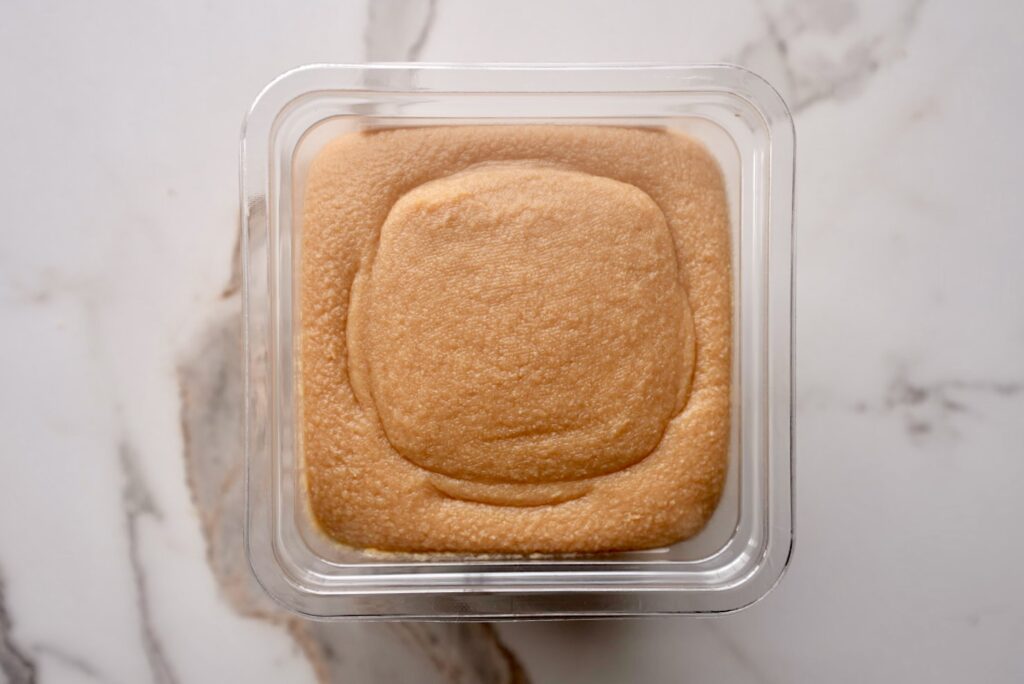
Miso is a traditional Japanese seasoning made by fermenting soybeans with salt and koji (a cultured mold), sometimes along with rice or barley. The fermentation process can range from a few weeks to several years. That’s why miso varies so widely in color, flavor, and intensity – from mild and slightly sweet to dark, salty, and deeply savory.
Rich in umami and central to everyday Japanese cooking, miso is most famously used in miso soup (as I’ll show you here!) but also plays an important role in marinades, sauces, dressings, and braised dishes.
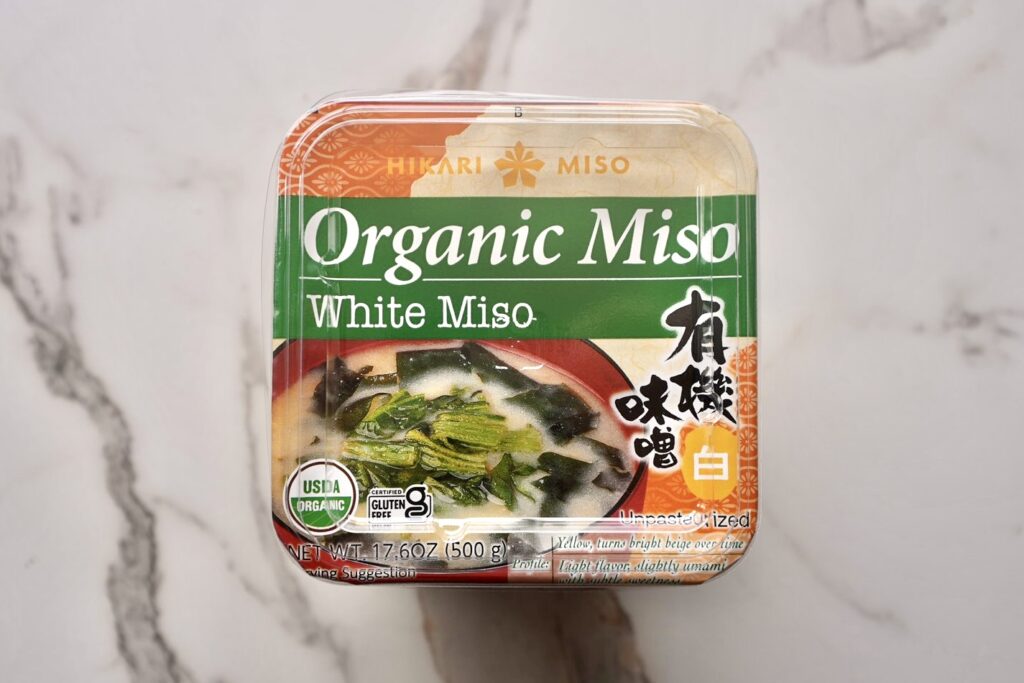
When it comes to making miso soup, the type of miso you choose has a big impact on the final flavor. Miso comes in many varieties. It can be a little overwhelming. But there are 3 main categories that you’ll see repeatedly in Japanese home cooking and recipes. Here they are:
- White Miso (Shiro Miso): Light in color and mildly sweet, white miso is fermented for a shorter time and is commonly used in delicate dishes like traditional miso soup, dressings, and light sauces. I personally like white miso the most for miso soup!
- Red Miso (Aka Miso): Darker and more robust, red miso is fermented longer, giving it a saltier, deeper umami flavor that works well in heartier soups, stews, and braised dishes.
- Awase Miso: A blend of white and red miso, awase miso offers a balanced flavor that’s both mild and savory, making it one of the most popular everyday misos in Japanese households.
There are also regional misos, like Hatcho miso (very dark, rich, and intense, made mostly from soybeans) and barley miso (mugi miso), which has a slightly earthy, mellow flavor. For most home cooking and miso soup, white, red, or awase miso will cover nearly everything you need.
Miso is used in Japanese cooking in a wide range of ways beyond soup, thanks to its deep umami flavor and versatility. It’s commonly stirred into broths and soups, blended into sauces and dressings, and used as a base for marinades and glazes for fish, meat, and vegetables. Miso is also mixed with butter or oil for rich spreads, incorporated into stir-fries and braised dishes for depth, and even used in small amounts in baked goods and desserts to add a subtle salty-sweet complexity.
How to Make Dashi: Japanese Cooking Stock
There are three main ways to make dashi, each with its own advantages in terms of flavor, ease, and time. I ordered them from most complex to simplest:
- Dashi from Scratch: Traditional dashi, made by simmering kombu (dried kelp) and katsuobushi (dried bonito flakes), is considered the best method. Soak the kombu in water, heat just below boiling, and add katsuobushi. This method is ideal for dishes with the purest flavor.
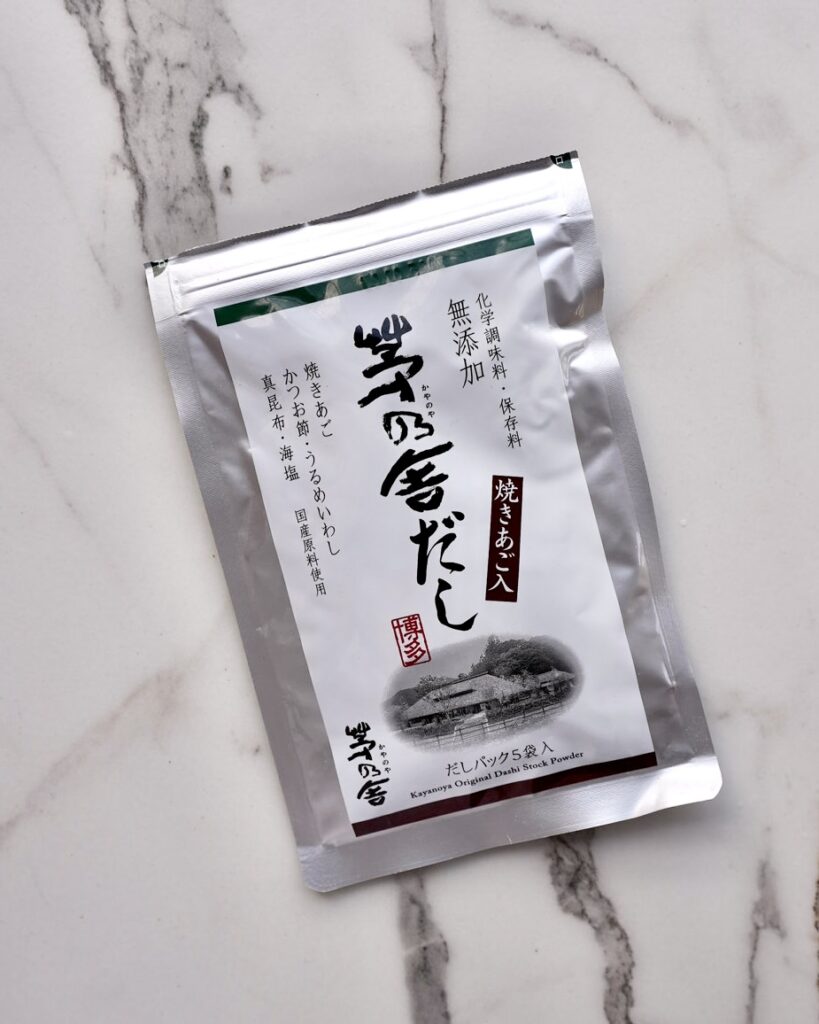
- Dashi Packets: Dashi packets, resembling tea bags, contain dried kombu, katsuobushi, and sometimes shiitake mushrooms or dried sardines. Just simmer the packet in water for a few minutes for a quick and flavorful broth. Buy dashi packets here from one of my most recommended dashi brands, Kayanoya.
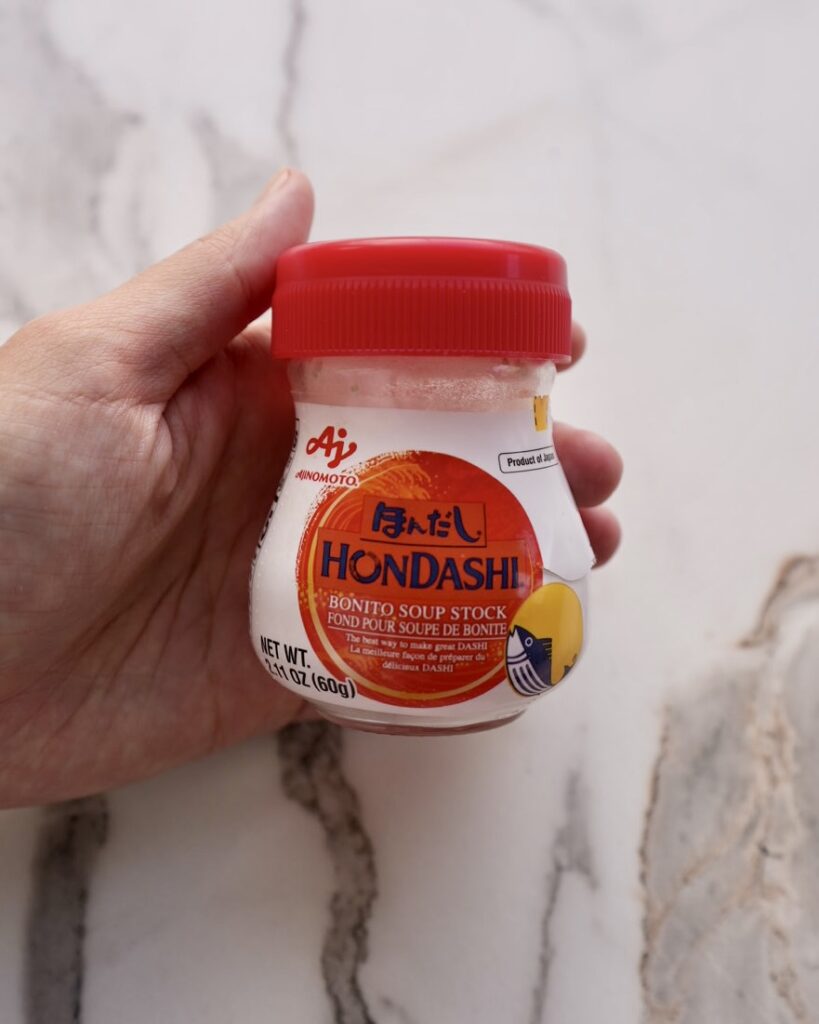
- Instant Dashi (Hondashi): Instant dashi, often called hondashi, is a granulated or powdered form of dashi. Just a spoonful dissolved in hot water creates a quick and flavorful stock. This option is convenient and ideal for busy days. Buy hondashi here.
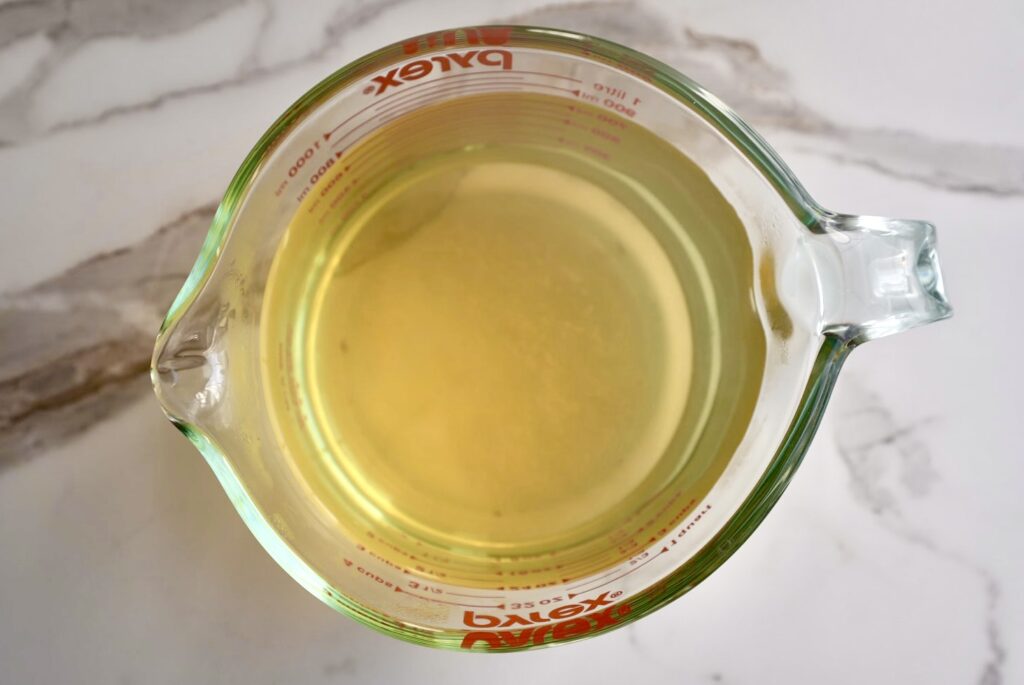
Making Dashi From Scratch
Dashi is a fundamental Japanese stock that forms the backbone of countless dishes. It provides a delicate yet deeply savory flavor known as umami.
Made traditionally from kombu (dried kelp) and katsuobushi (dried bonito flakes), dashi is prized for its ability to enhance other ingredients without overpowering them. It’s used in a wide variety of dishes, from miso soup and noodle broths to simmered vegetables, nimono, and even sauces and dressings, making it an essential component of authentic Japanese cooking.
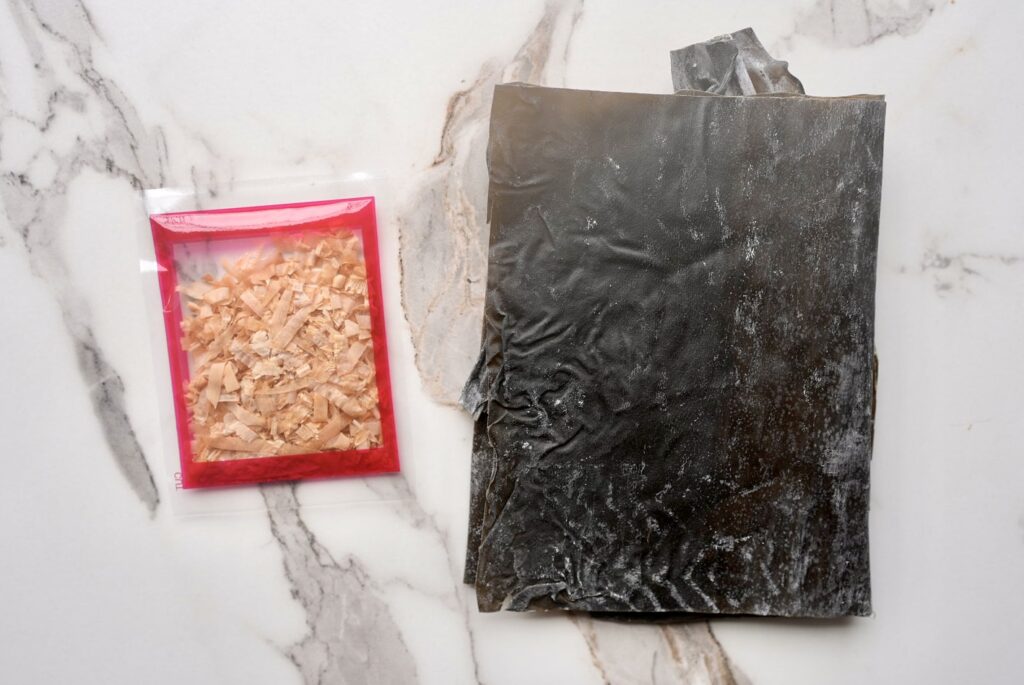
Like I mentioned above, you can use shortcuts to make dashi (which I do all the time! Making it from scratch is a little more work than I am cut out for, especially on busy days). So here’s how to make it from scratch:
- Prepare Kombu: Soak the kombu in cold water.
- Heat the Water: Slowly bring the kombu water to just below a boil.
- Remove: Take out the kombu before the water boils to prevent bitterness.
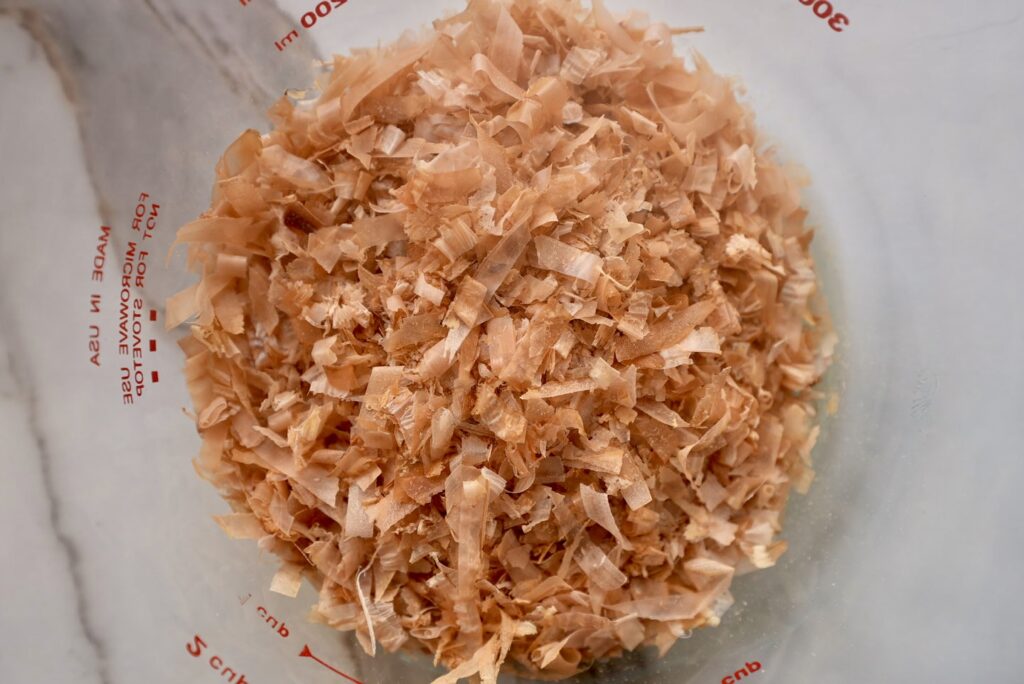
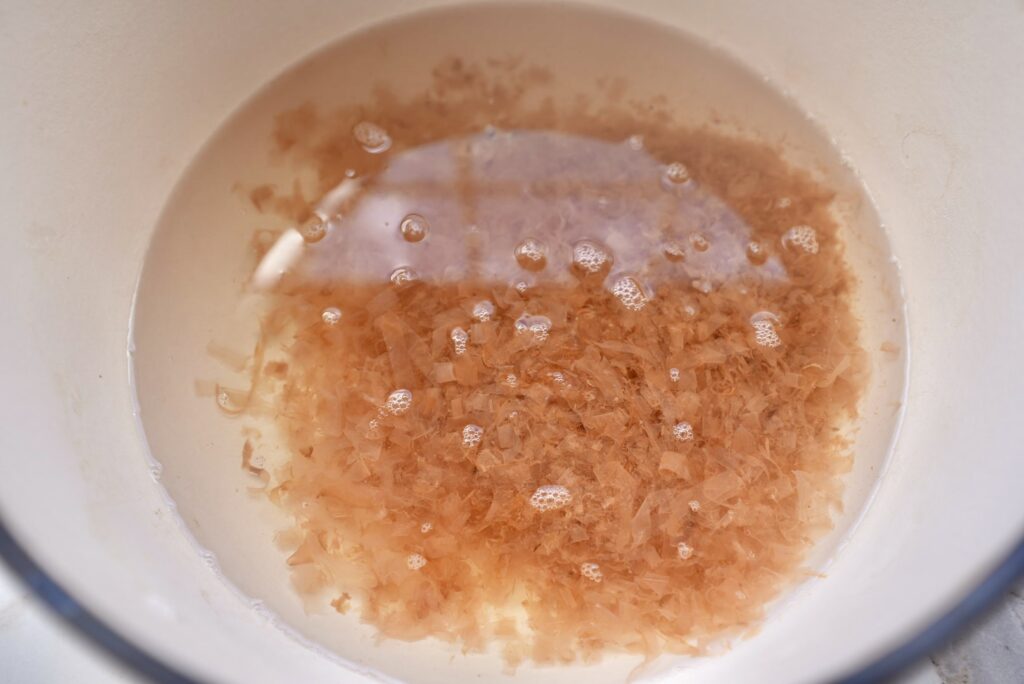
- Add Katsuobushi: Sprinkle in bonito flakes and let them steep for a few minutes.
- Strain: Remove the bonito flakes using a fine-mesh sieve.
Optional Add-Ins
Miso soup is wonderfully versatile, and while the classic version uses just dashi, miso, tofu, and wakame, there are plenty of optional ingredients you can add to suit your taste or the season.
Feel free to add whatever you like! This is just a list to help you get an idea of what you could potentially add. From vegetables and mushrooms to seafood or a touch of citrus, these add-ins can make each bowl uniquely comforting and flavorful:
- Mushrooms (shiitake, enoki, or shimeji)
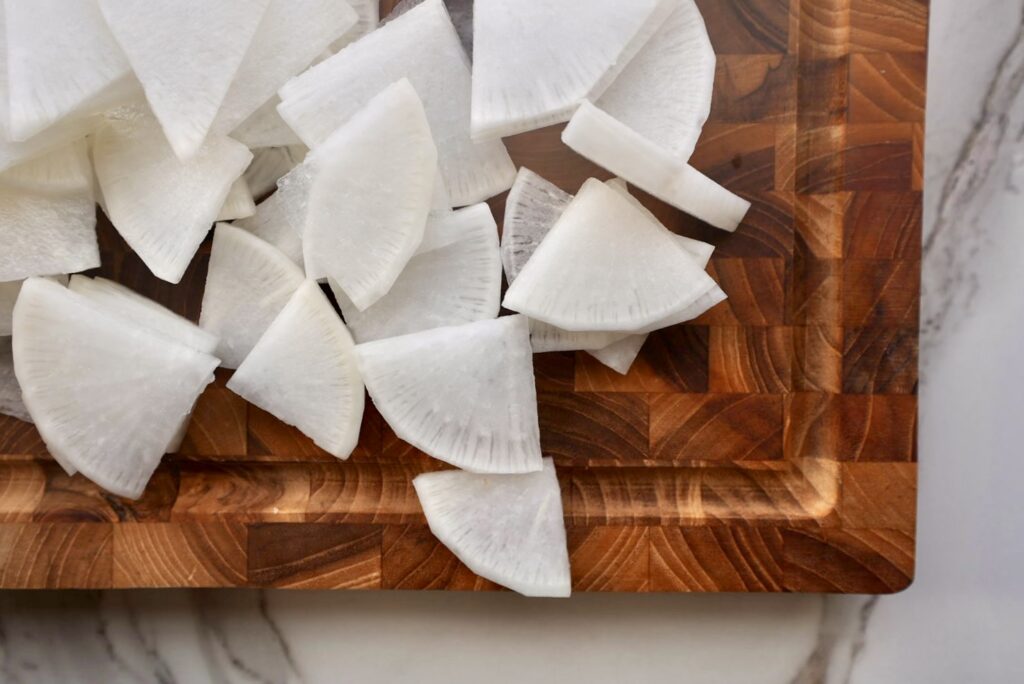
- Daikon or carrot slices
- Spinach or other leafy greens
- Napa cabbage or bok choy
- Thinly sliced onions
- Clams or small seafood pieces
- Aburaage (fried tofu pouches)
- Mochi or rice cakes
- Seaweed varieties beyond wakame (arame, hijiki)
- Soft-boiled or poached egg
- Tofu varieties (firm, silken, or flavored)
- Yuzu zest or a drop of yuzu juice for citrusy brightness
- Sesame seeds for garnish
Traditional Miso Soup
- Total Time: 25 minutes
Description
Miso soup is a traditional, comforting Japanese soup made with dashi broth, miso paste, tofu, and seaweed, garnished with green onions.
Ingredients
- 5 cups dashi (I will explain how to make it from scratch below)
- 6–8 oz soft or silken tofu, cut into small cubes
- 4 1/2 tbsp miso paste
- 1 tbsp dried wakame
- Green onions, thinly sliced for garnish
For the Dashi:
- 5 cups water
- One piece of kombu (~10 g)
- 1 1/4 cup katsuobushi (dried bonito flakes)
Instructions
How to Make Dashi From Scratch:
Tip: For convenience, you can also use instant dashi (hondashi) or soup packets, simply steeping them in hot water according to the package instructions for a quick, flavorful stock.
- Place a piece of kombu in 5 cups of cold water.
- Slowly warm the kombu water over medium heat until it’s just about to boil. It’s important to not place it on high heat so that the kombu has enough time to steep in the water so that all the flavors can release! Remove the kombu. You can finish here for a vegan version of dashi, or continue forward for a non-vegan version.
- Sprinkle in 1 1/4 cups of katsuobushi (dried bonito flakes) and let steep for a few minutes in simmering dashi.
- Remove the bonito flakes using a fine-mesh sieve. Your dashi is now ready.
How to Make Miso:
- Warm the 5 cups of prepared dashi in a pot over medium heat. Incorporate the miso paste smoothly into the dashi by pushing it through a fine-mesh sieve.
- Gently add the cubed tofu and wakame to the pot. Heat until just warmed through; do not boil. The dried wakame will take a few minutes to rehydrate.
- Ladle the soup into bowls and garnish with sliced green onions. Enjoy immediately.
Notes
For the Dashi:
- Freshly made dashi can be stored in an airtight container in the fridge for up to 3 days.
- For longer storage, freeze dashi in portions (ice cube trays or small containers) for up to 1 month. Thaw in the fridge or gently heat before use.
- Avoid long-term room temperature storage: Dashi is highly perishable, so it should never be left out at room temperature for extended periods.
- Tip for convenience: Make a larger batch and freeze in small portions to have ready-to-use stock for soups, sauces, and simmered dishes anytime.
- Prep Time: 15 minutes
- Cook Time: 10 minutes
Nutrition
- Serving Size: 6-8





Never knew how to make this till today. So good, thank you!!!
Absolutely! So happy you enjoyed 🙂
How long can I keep it in the fridge? Meaning, I would love to have it every day but I would be the only one eating it.
If it has tofu, I’d say about up to 3 days!