
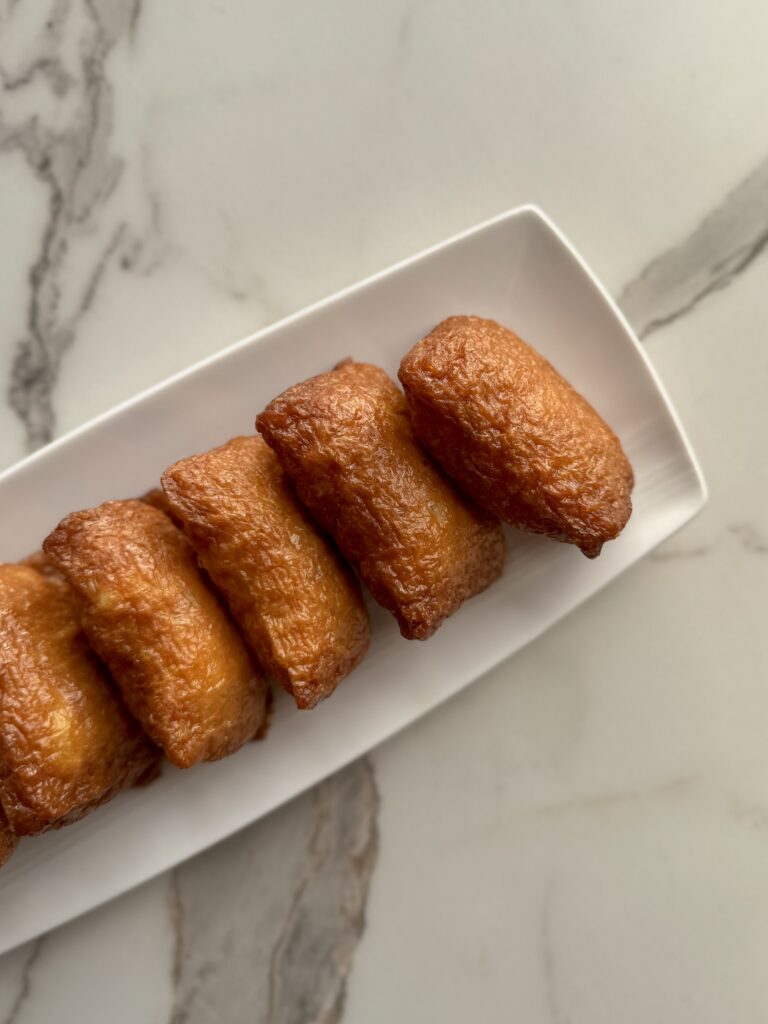
Inarizushi is a simple yet deeply comforting type of sushi made with seasoned sushi rice tucked inside sweet-and-savory pockets of simmered tofu, known as aburaage. Unlike more elaborate sushi, inarizushi is humble and homey, with a balance of sweetness, saltiness, and rice vinegar that makes it easy to both make and eat. It’s often served at celebrations, potlucks, and family gatherings, and because it doesn’t require raw fish, it’s one of the most approachable and widely loved forms of sushi in Japanese home cooking.
I have many memories of making inarizushi with my mom in the kitchen, especially before we had company coming over. She would line up the tofu pockets and assign me the job of stuffing them with rice. It felt like a small but important task, and I took it very seriously… at least most of the time. Every now and then, I’d sneak one or two because they were (and still are) my favorite. The smell of inarizushi always brings me back to those moments!
What makes inarizushi so special is its comfort. It’s not flashy or complicated. At the same time, it’s incredibly satisfying and nostalgic, especially if you grew up eating it at home. I hope you guys love this one!
Ingredients:
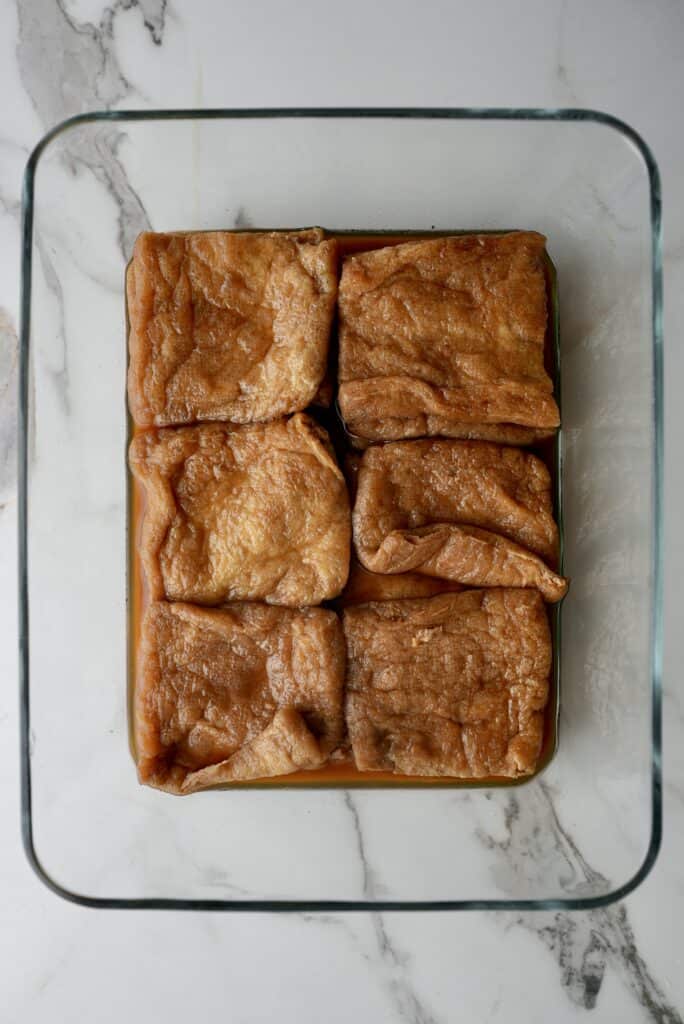
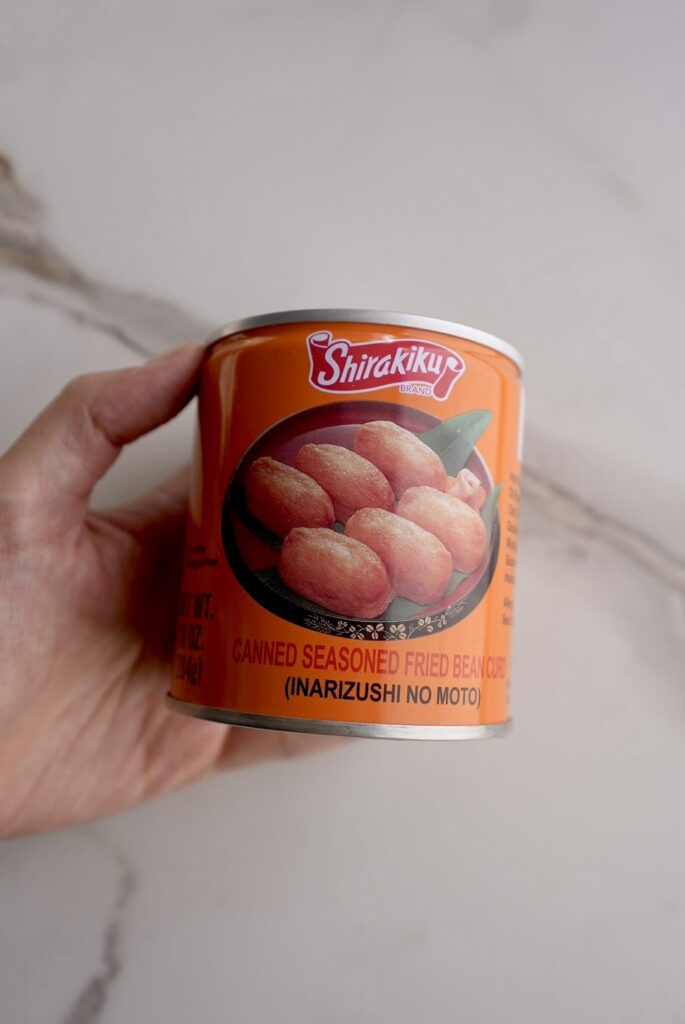
- Inari Age: Fried tofu pockets – they’re simmered in a sweet-savory broth, creating the signature “pocket” that holds the sushi rice and gives inarizushi its subtle sweetness. You can make it using my recipe here, or you can buy it online here. Otherwise, I recommend visiting an Asian market and buying it in the refrigerated or frozen section!
- Sushi Rice: Short-grain rice (or medium-grain) that becomes slightly sticky when cooked, allowing it to hold together while providing a tender, comforting base.
- Rice Vinegar: Adds brightness and balance to the rice, cutting through the sweetness of the tofu.
- Sugar: Enhances the rice seasoning, giving inarizushi its characteristic mild sweetness.
What Type of Rice to Use
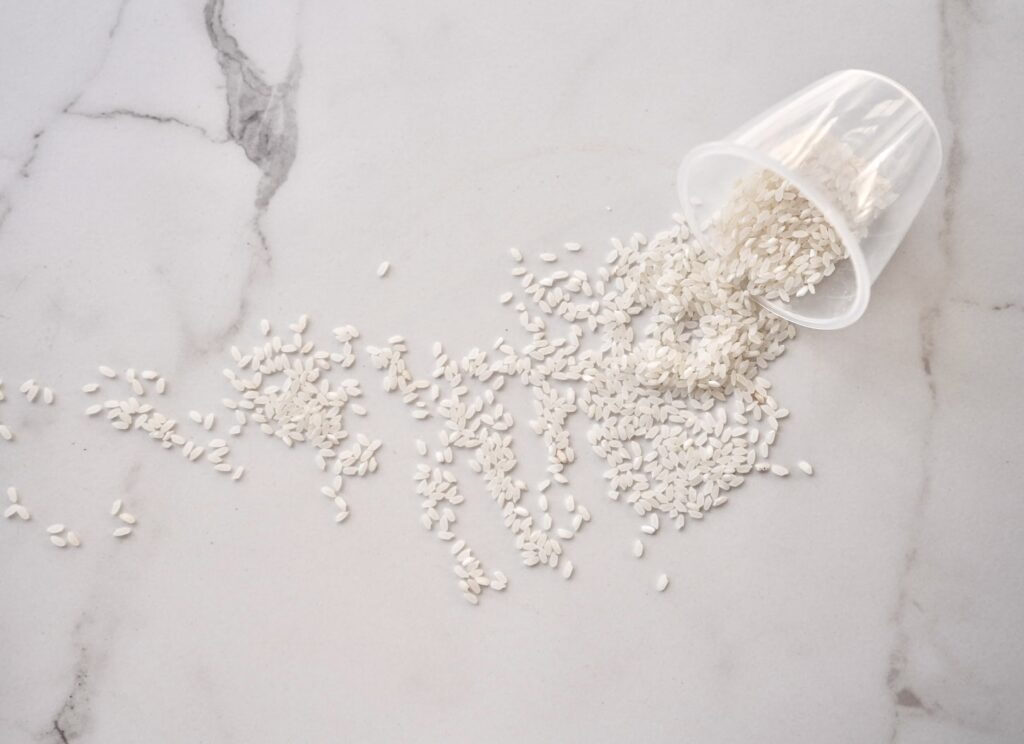
Choosing the right type of rice can be confusing, especially with so many varieties available. In Japanese cooking, however, Japanese short-grain or medium-grain rice is almost always the go-to choice. This is especially the case for sushi!
Short-grain rice, often labeled as sushi rice, is particularly prized for its soft and chewy texture, which pairs beautifully with traditional Japanese dishes. Medium-grain rice is a great alternative if short-grain isn’t available (I actually almost always use medium-grain myself because it’s generally cheaper where I live!). Both are ideal for recipes like this one, where the rice’s stickiness helps meld the flavors into every bite.
Recommended Rice Cookers
Do I need to have a fancy rice cooker? NO! Just like anything, generally, the higher the quality, the better. But you can make great rice in a cheap rice cooker, too!
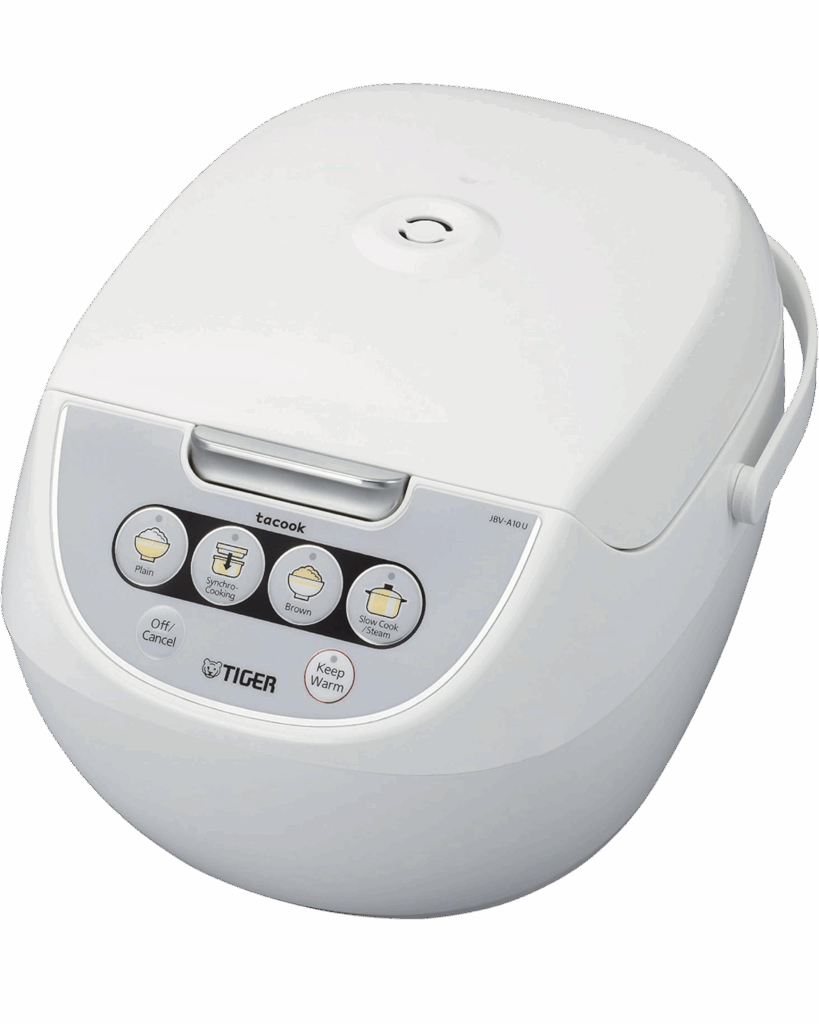
5.5 cups or 10 cups
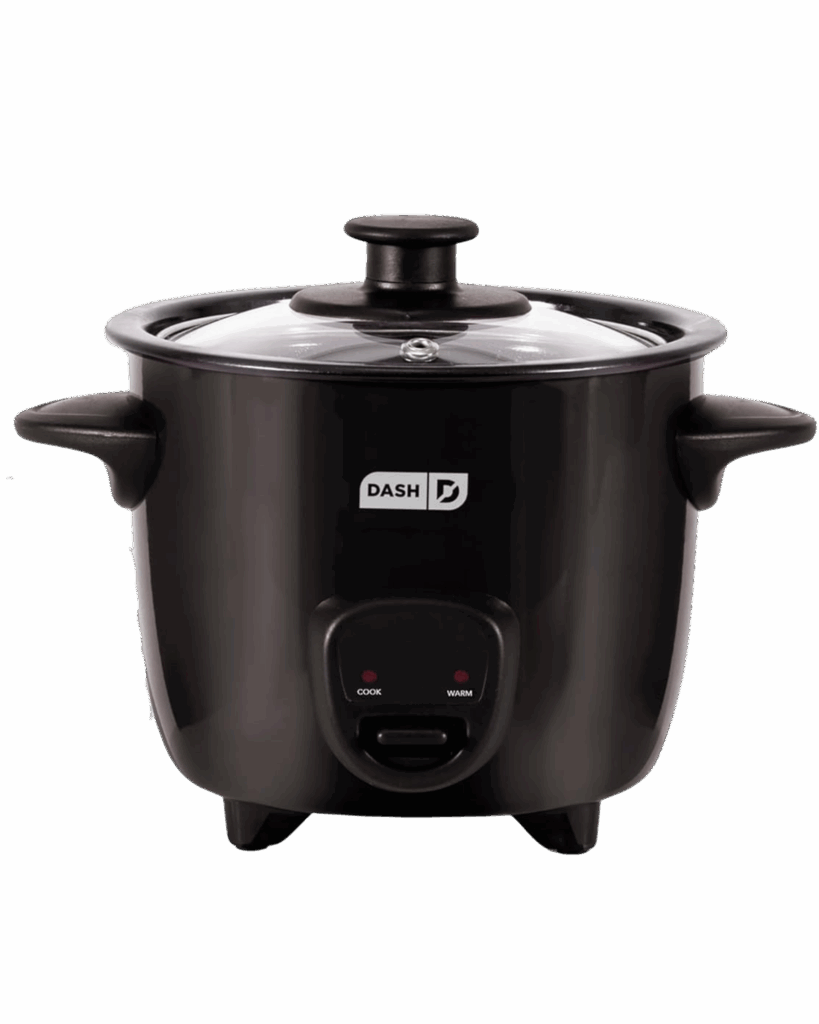
2 cups
Click the rice cooker photos to see my favorite rice cookers. I included a budget-friendly rice cooker I love! I use the Tiger 5.5-cup model shown. About 1/2 cup of Japanese short- or medium-grain rice makes 1 serving.
Key Features to Look For in a Rice Cooker:
- Timer and Keep Warm Function: Useful for planning meals ahead of time and keeping them warm until you’re ready to eat.
- Steaming Basket or Tray: Allows you to steam vegetables or cook other ingredients while the rice cooks.
- Multiple Cooking Functions: Ensure it has settings for steaming, slow cooking, and possibly even baking.
- Non-Stick Inner Pot: Makes cleaning easier and prevents sticking.

Inarizushi
- Total Time: 50 minutes
Description
Inarizushi is a Japanese sushi made of sweet-savory tofu pockets filled with seasoned sushi rice.
Note: If you’ve never cooked sushi rice before, be sure to read my section about rice to ensure that you cook it well.
My rice cooker is linked here.
Ingredients
- 2 cups rice (I recommend Japanese short-grain or medium grain rice for the most authentic Japanese experience!), uncooked
- Optional: 1 piece kombu
- 2 tbsp sugar
- 4 tbsp rice vinegar
- 1 tsp salt
- 12 inari age
- 1 tbsp toasted sesame seeds (black or white works!)
Instructions
- Rinse the rice under cold water until the water runs mostly clear. Cook according to package instructions. If using kombu, place it on top of the rice before cooking and remove it once the rice is done.
- While the rice is still hot, transfer it to a large bowl.
- In a small bowl, mix together the sugar, rice vinegar, and salt until the sugar is mostly dissolved.
- Sprinkle the mixture evenly over the rice, along with the toasted sesame seeds. Gently fold using a slicing and lifting motion to avoid smashing the grains, until fully incorporated and glossy.
- Let the seasoned rice cool until warm or room temperature. This helps prevent the tofu pockets from tearing and keeps the texture just right.
- Measure about 1/4 cup of rice and gently shape it in your palm into the shape of an oval, applying light pressure so the grains stick together while remaining fluffy. Repeat until the rice runs out.
- Gently open an inari age pocket with your fingers, being careful not to rip them. Lightly fill each pocket with the seasoned rice balls, leaving a little room so they’re not overstuffed. Fold the opening inward to sort of “seal” the inarizushi. Enjoy immediately or chill slightly before serving.
- Prep Time: 30 minutes
- Cook Time: 20 minutes
Nutrition
- Serving Size: Makes 12



0 Comments