
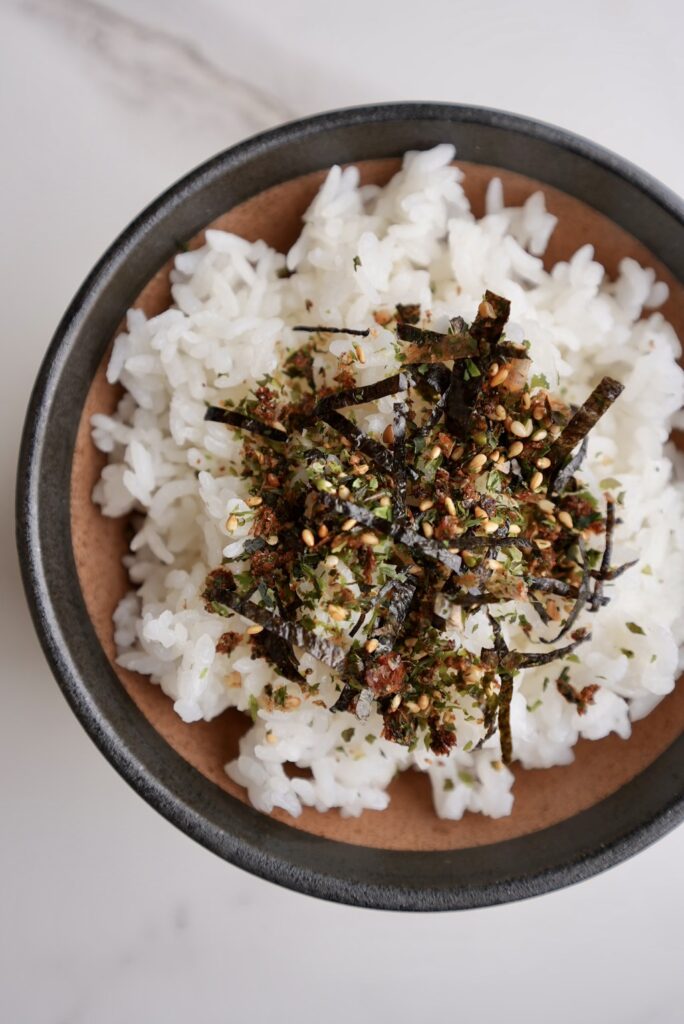
Furikake is a Japanese pantry staple that instantly makes rice more oomph. When buying furikake, there are so many flavors to choose from: salmon, wasabi, shiso, takana (mustard greens), shrimp, egg, seaweed blends, even kimchi-inspired versions. Every brand seems to have its own twist, and every household tends to have a favorite. That’s why it’s so fun to make at home – my furikake is a standard recipe that you can customize to your liking.
Growing up, my mom always bought noritamago. If you’ve never had it, noritamago is a classic furikake blend made with nori (seaweed) and tamago (sweetened dried egg granules). It’s lightly savory, slightly sweet, and super kid-friendly. Sprinkled over a bowl of warm rice, it is comfort food at its simplest!
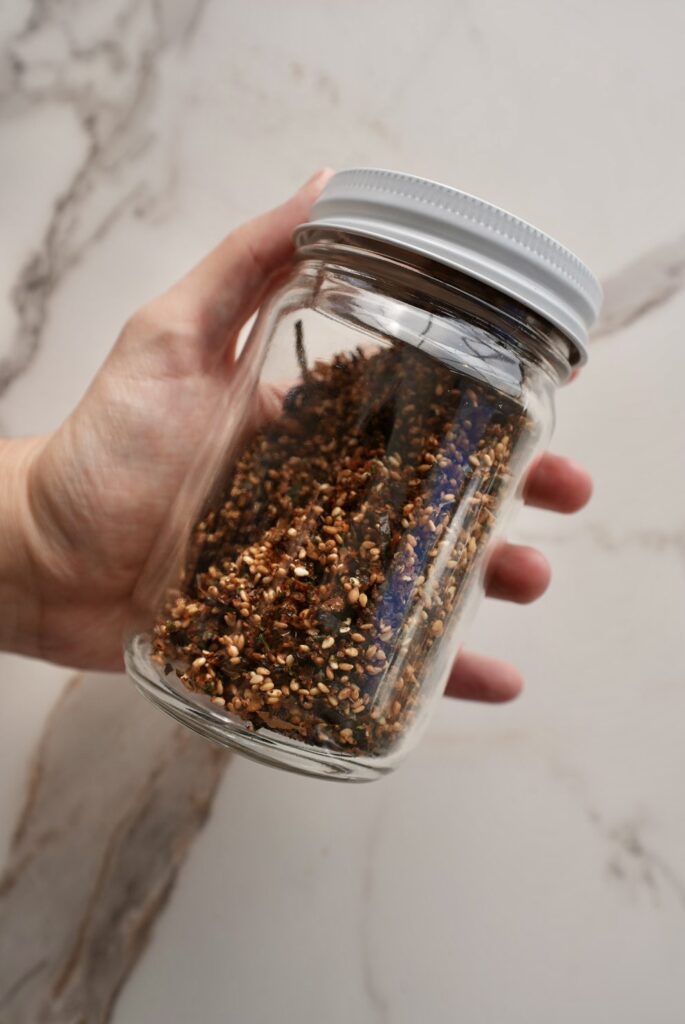
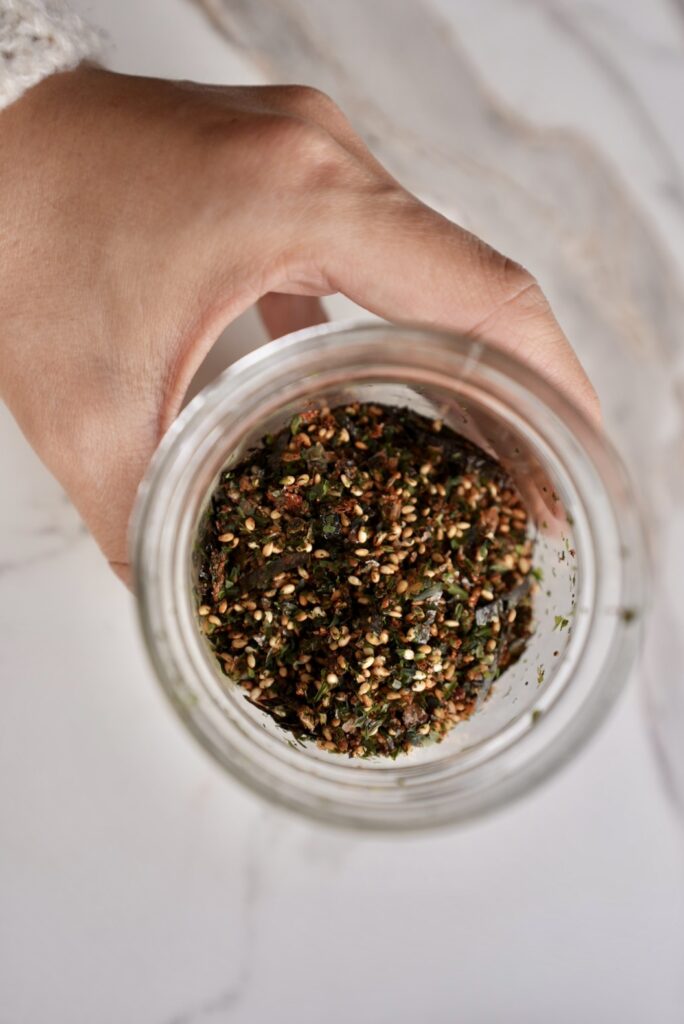
Some people love bold, fish-forward flavors, while others prefer something milder and more balanced. Like I said, my easy furikake recipe is very standard and basic, staying true to that classic seaweed-and-sesame foundation. But what makes homemade furikake so fun is how customizable it is.
You can switch up the seasonings, add chili flakes for heat, mix in crushed dried shrimp, bonito flakes, extra sesame seeds, or even a pinch of sugar for a touch of sweetness. Once you start making it yourself, you can tailor it exactly to your taste.
Ingredients:
- Katsuobushi: Dried bonito flakes that bring deep umami flavor and a slightly smoky, savory taste to the blend.
- Aonori: Finely ground green seaweed that adds a fresh ocean flavor and vibrant color.
- Soy Sauce: Adds saltiness and rich depth while helping the seasonings bind together as they dry.
- Gochugaru: Korean red pepper flakes that provide a mild heat and subtle sweetness without overpowering the mix.
- Sugar: Balances the savory and salty flavors with a light touch of sweetness.
- Salt: Enhances all the flavors and rounds out the seasoning.
- Garlic Powder: Adds a gentle savory warmth that complements the seafood notes.
- Toasted Sesame Seeds: Bring nutty flavor and a satisfying crunch to the furikake.
- Sesame Oil: Adds a toasty aroma and richness to the overall blend.
- Nori: Thin strips of dried seaweed that add texture and that classic furikake flavor.
Recommended Rice Cookers
I highly recommend eating furikake with some high quality Japanese rice. You don’t need a rice cooker to make it, but it is definitely going to get you better rice quicker and more hands-off!
Click the rice cooker photos to see my top picks, from $20–$200! I use the Tiger 5.5-cup model shown. About 1/2 cup of Japanese short- or medium-grain rice makes 1 serving.
Key Features to Look For in a Rice Cooker:
- Steaming Basket or Tray: Allows you to steam vegetables or cook other ingredients while the rice cooks.
- Multiple Cooking Functions: Ensure it has settings for steaming, slow cooking, and possibly even baking.
- Non-Stick Inner Pot: Makes cleaning easier and prevents sticking.
- Timer and Keep Warm Function: Useful for planning meals ahead of time and keeping them warm until you’re ready to eat.
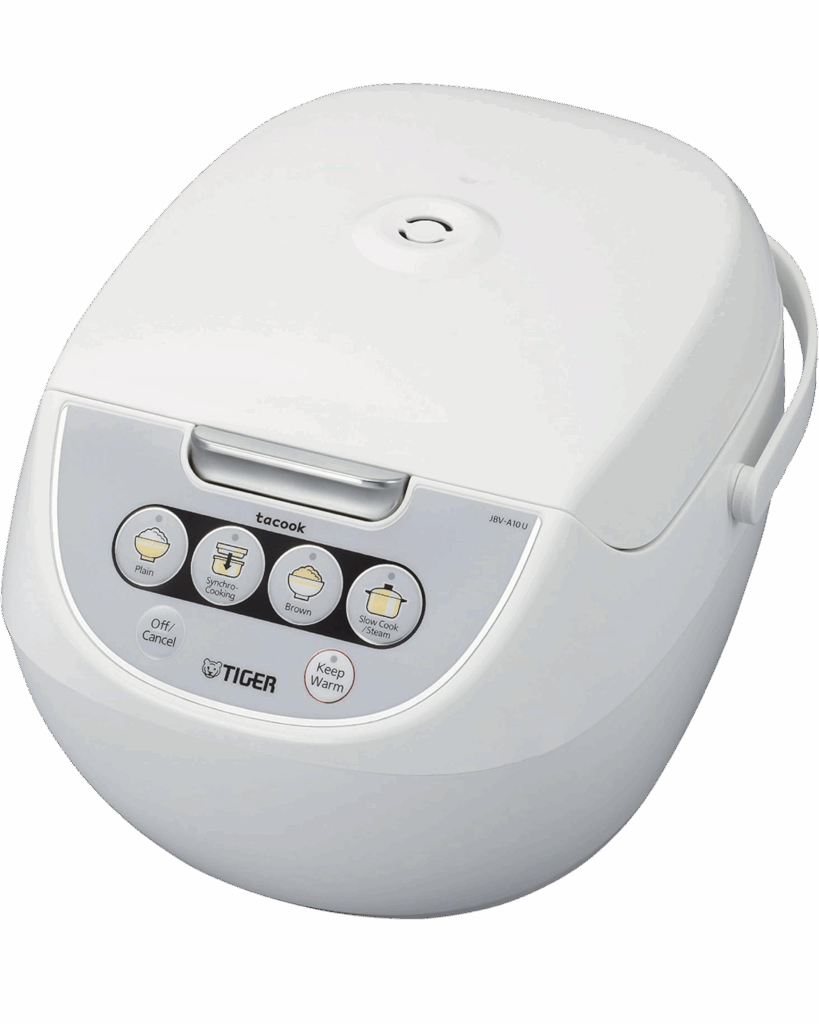
5.5 cups or 10 cups
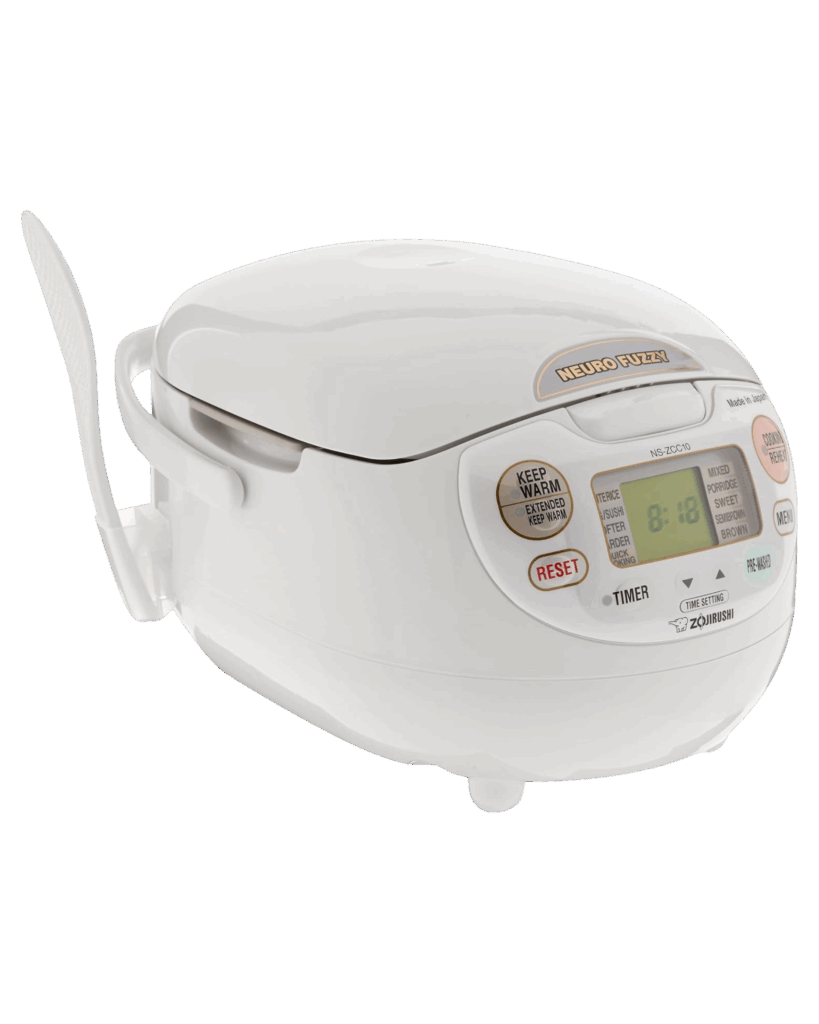
5.5 cups or 10 cups
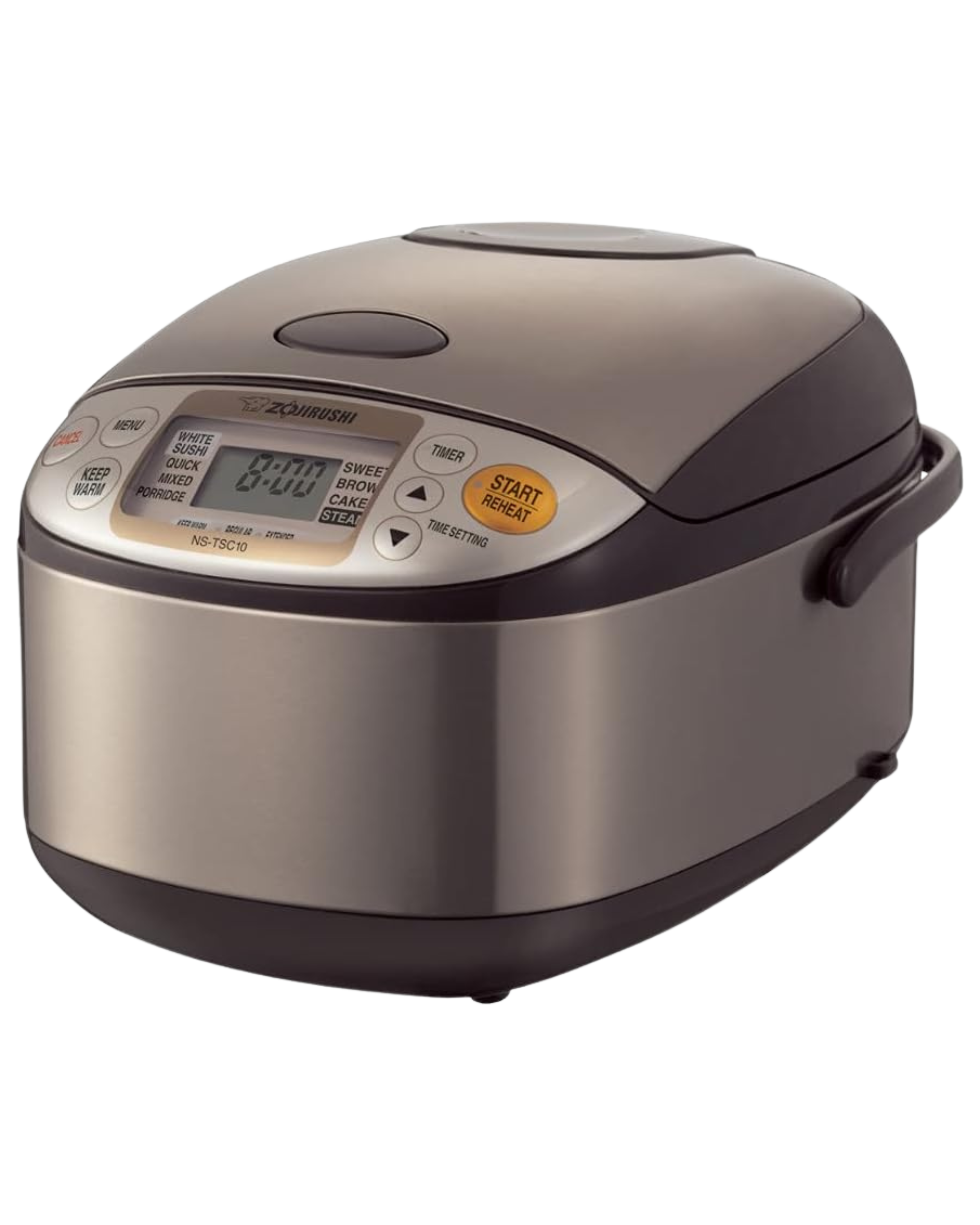
3 cups
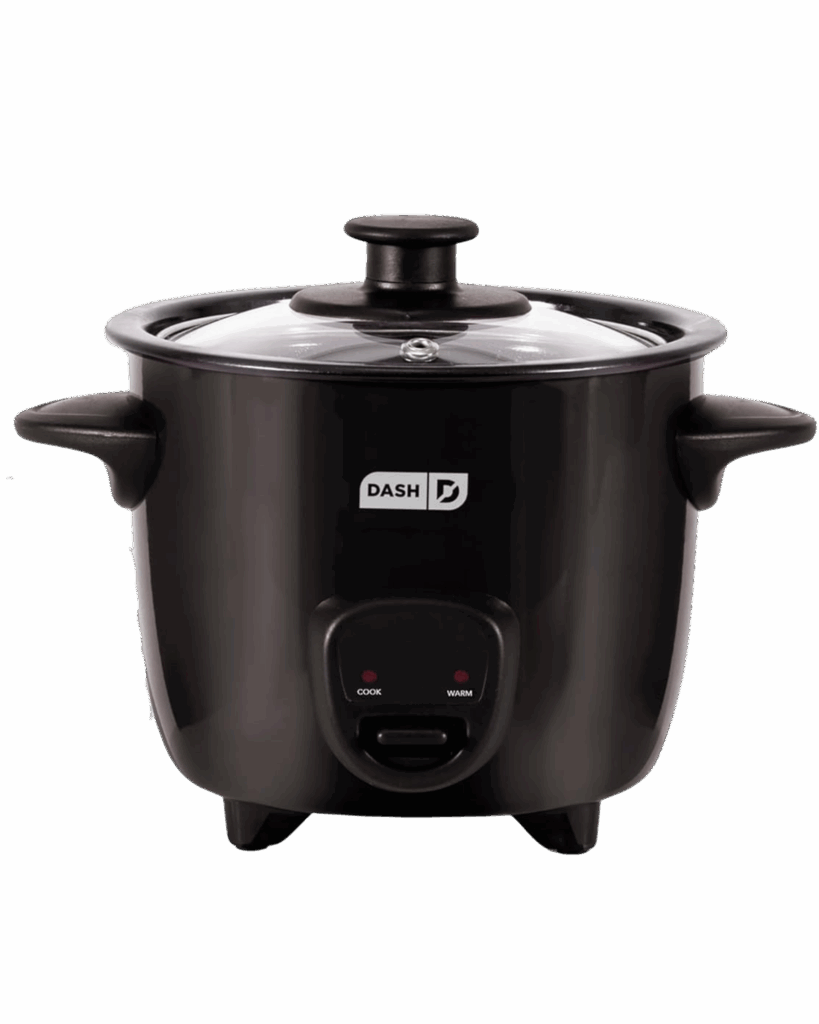
2 cups
What Type of Rice to Use
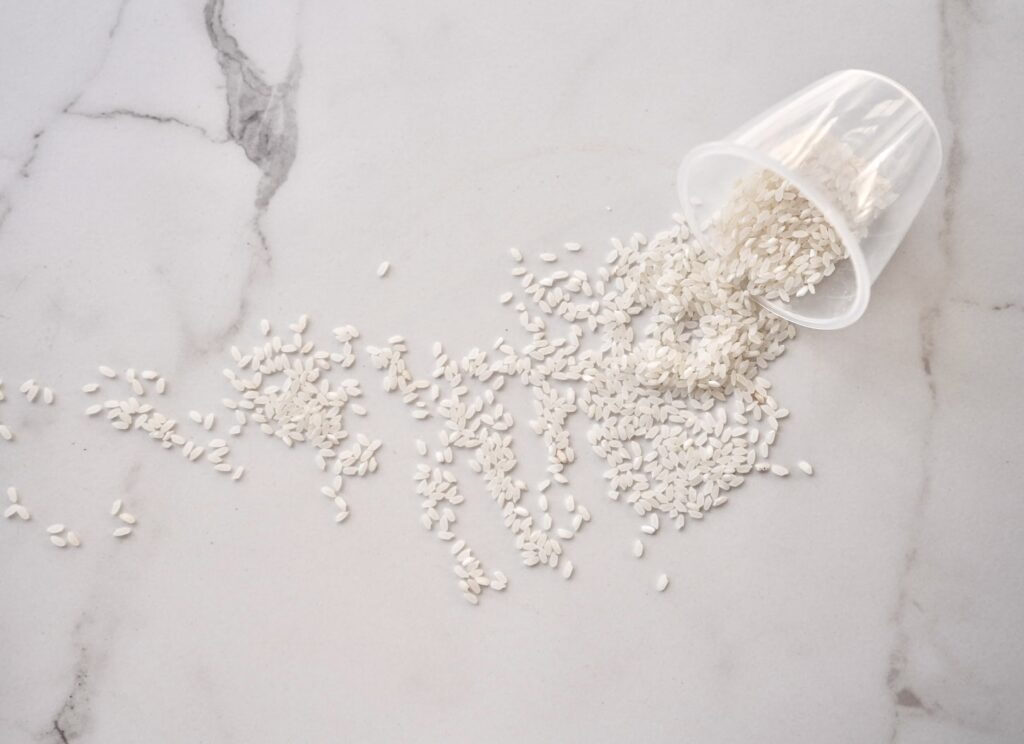
Choosing the right type of rice can be confusing, especially with so many varieties available. In Japanese cooking, however, Japanese short-grain or medium-grain rice is pretty much always the go-to choice.
Short-grain rice, often labeled as sushi rice, is particularly prized for its soft and chewy texture, which pairs beautifully with traditional Japanese dishes. Medium-grain rice is a great alternative if short-grain isn’t available (I actually almost always use medium-grain myself because it’s generally cheaper where I live!). Both are ideal for recipes like this one, where the rice’s stickiness helps meld the flavors into every bite.
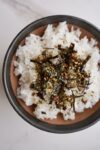
Easy Furikake Recipe
- Total Time: 10 minutes
Description
Furikake is a savory Japanese seasoning blend made with dried seaweed, sesame seeds, and other flavorful ingredients sprinkled over rice to add texture and umami.
Ingredients
- 8 g katsuobushi (dried bonito flakes)
- 2 tbsp aonori
- 1 tbsp soy sauce
- 1 tsp gochugaru
- 1/2 tbsp sugar
- 1/4 tsp salt
- 1 tsp garlic powder
- 1/3 cup toasted sesame seeds
- 1 tsp sesame oil
- 1/4 sheet nori, cut into short, thin strips
Instructions
- In a skillet over medium-low heat, combine the katsuobushi, aonori, soy sauce, gochugaru, sugar, salt, garlic powder, and sesame oil.
- Cook, stirring frequently, until the mixture becomes dry and flaky. This should take a few minutes – be careful not to burn it.
- Stir in the toasted sesame seeds and continue roasting for another 2 – 3 minutes, allowing everything to become fragrant and fully dried out.
- Remove from heat and let cool completely. For extra color, you can optionally add in another tbsp of aonori at this point.
- Add in the thin nori strips and transfer to an airtight container. Store for up to 2 weeks in the refrigerator. Sprinkle over warm rice, noodles, eggs, avocado toast, or anything that needs a little savory crunch.
Notes
Store for up to 2 weeks in the refrigerator.
- Prep Time: 5 minutes
- Cook Time: 5 minutes



0 Comments