
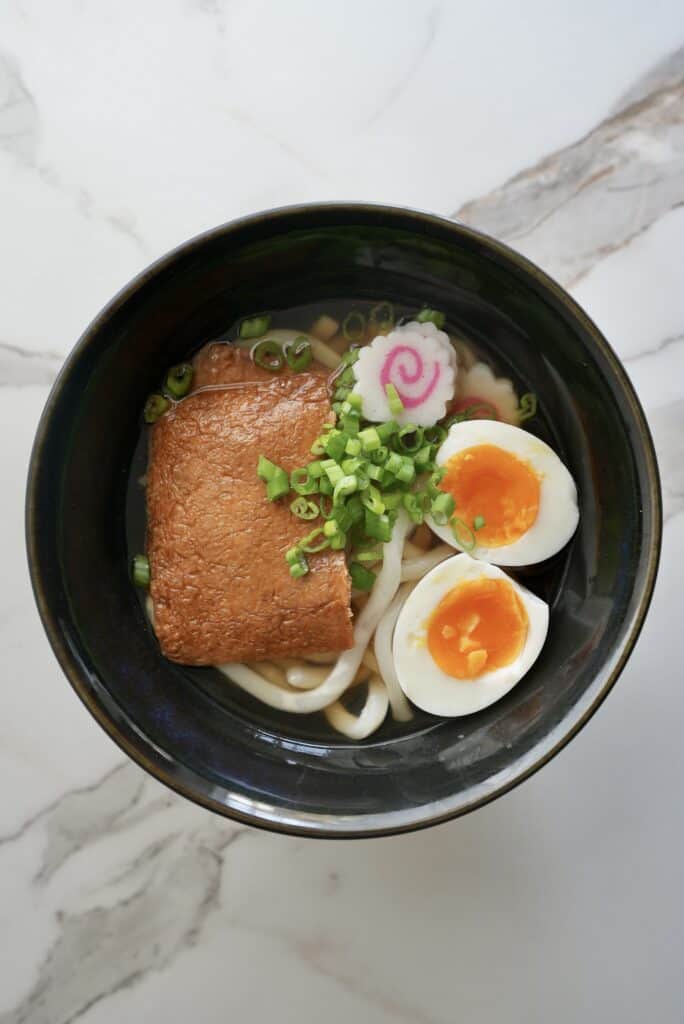
Kitsune Udon is a classic Japanese comfort food that’s as satisfying as it is simple. I used to make this all the time growing up if my mom ever told me on the weekends that I was on my own for lunch. I’d make this because it’s easy, but satisfying!
At its core, Kitsune Udon is a warm bowl of thick, chewy udon noodles served in a flavorful dashi-based broth, topped with savory-sweet inari age. The name “kitsune,” meaning fox in Japanese, comes from the legend that foxes love fried tofu, which is why the tofu pouches are the star of the dish. The combination of textures makes every bite comforting and satisfying.
What sets Kitsune Udon apart is the broth. A well-made dashi stock (whether from a packet, powdered mix, or homemade) creates a delicate umami base that’s enhanced with mirin and soy sauce. This simple seasoning allows the other ingredients to shine. It also gives the soup that signature depth and warmth. Adding toppings like green onions, shichimi togarashi, or narutomaki can give extra layers of flavor and color. While they’re optional, I obviously recommend them!
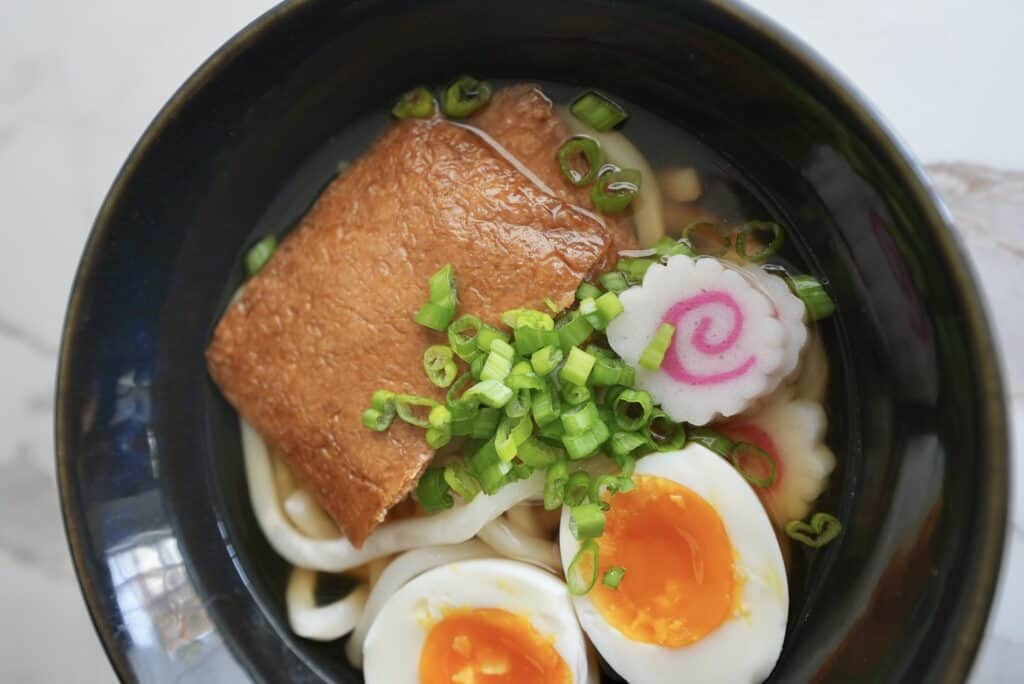
Kitsune Udon is versatile too. While traditional recipes use inari age from the store, you can make your own at home for a fresher, more fragrant version. Boiled eggs add richness, while optional garnishes like thinly sliced narutomaki provide a touch of whimsy and authenticity. It’s a dish that’s perfect for a cozy lunch or dinner!
What is Inari Age?
Inari age (pronounced ee-nah-ree ah-geh) is a type of seasoned fried tofu pouch commonly used in Japanese cuisine. The name comes from Inari, the Shinto god of rice, who is often associated with foxes. Legend has it that foxes love tofu, which is how these pouches got their name. They’re made from thin sheets of tofu that are deep-fried until golden and slightly puffy. They’re then ypically simmered in a mixture of soy sauce, sugar, and mirin. This gives it a delicious sweet-savory flavor that pairs perfectly with rice or noodles.
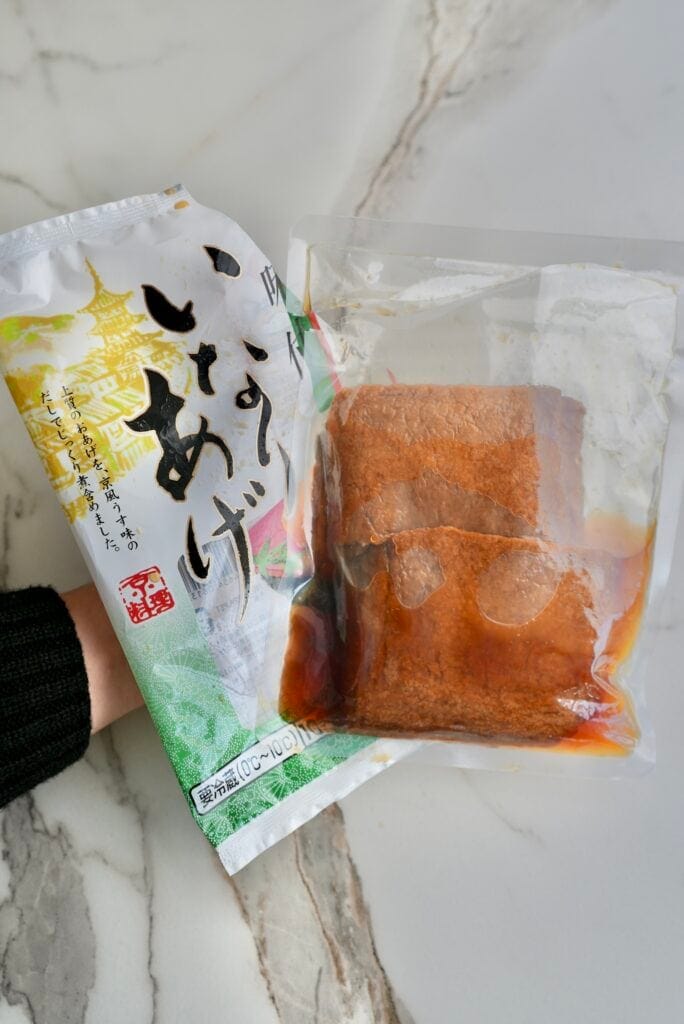
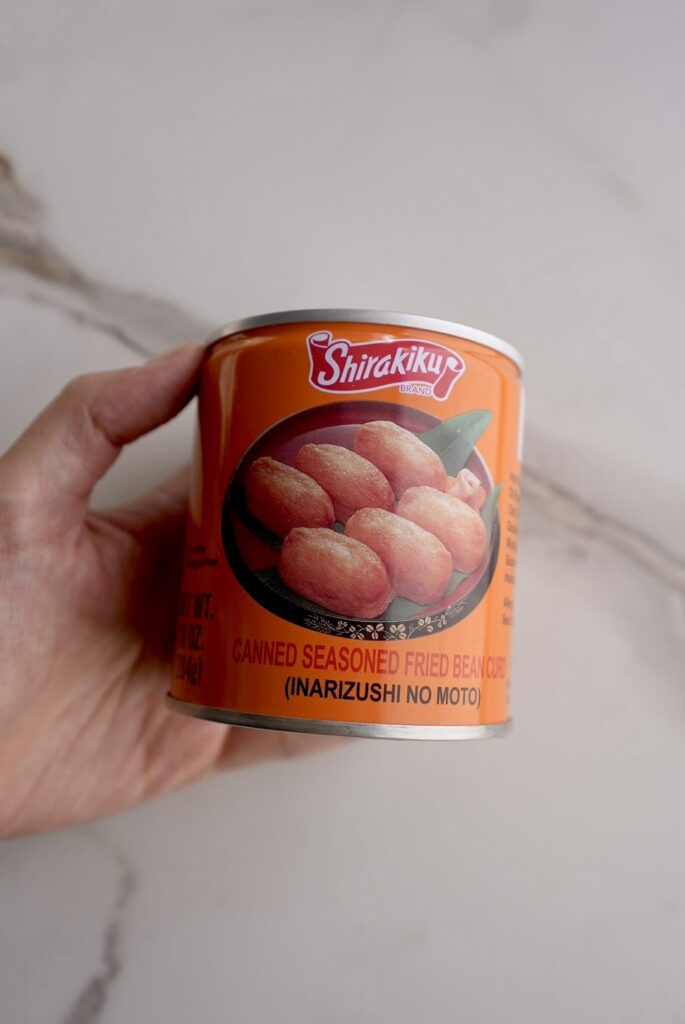
Inari age is incredibly versatile. Traditionally, it’s used to make inarizushi (pictured below), where the tofu pouch is stuffed with sushi rice. You can buy pre-seasoned pouches from most Asian grocery stores, or make your own at home for a fresher, more fragrant option. Either way, these little tofu pockets add a comforting richness and subtle sweetness that elevate dishes without overpowering them.

How to Make Dashi: Japanese Cooking Stock
There are three main ways to make dashi, each with its own advantages in terms of flavor, ease, and time. I ordered them from most complex to simplest:
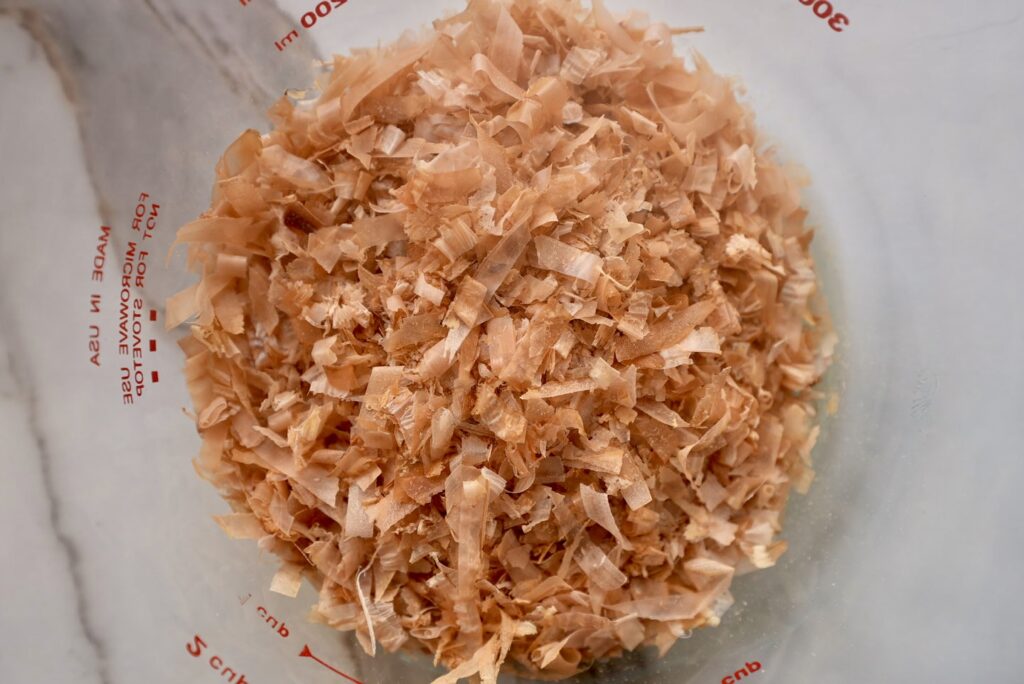
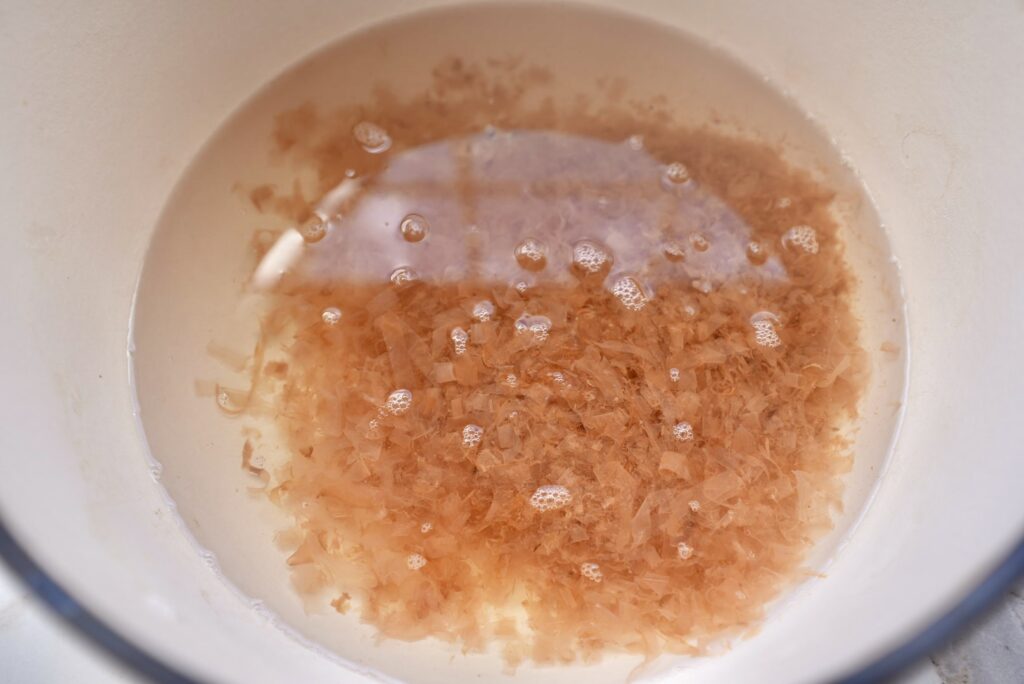
- Dashi from Scratch: Traditional dashi, made by simmering kombu (dried kelp) and katsuobushi (dried bonito flakes), is considered the best method. Soak the kombu in water, heat just below boiling, and add katsuobushi. This method is ideal for dishes with the purest flavor.
- Dashi Packets: Dashi packets, resembling tea bags, contain dried kombu, katsuobushi, and sometimes shiitake mushrooms or dried sardines. Just simmer the packet in water for a few minutes for a quick and flavorful broth. Buy dashi packets here from one of my most recommended dashi brands, Kayanoya.
- Instant Dashi (Hondashi): Instant dashi, often called hondashi, is a granulated or powdered form of dashi. Just a spoonful dissolved in hot water creates a quick and flavorful stock. This option is convenient and ideal for busy days. Buy hondashi here.
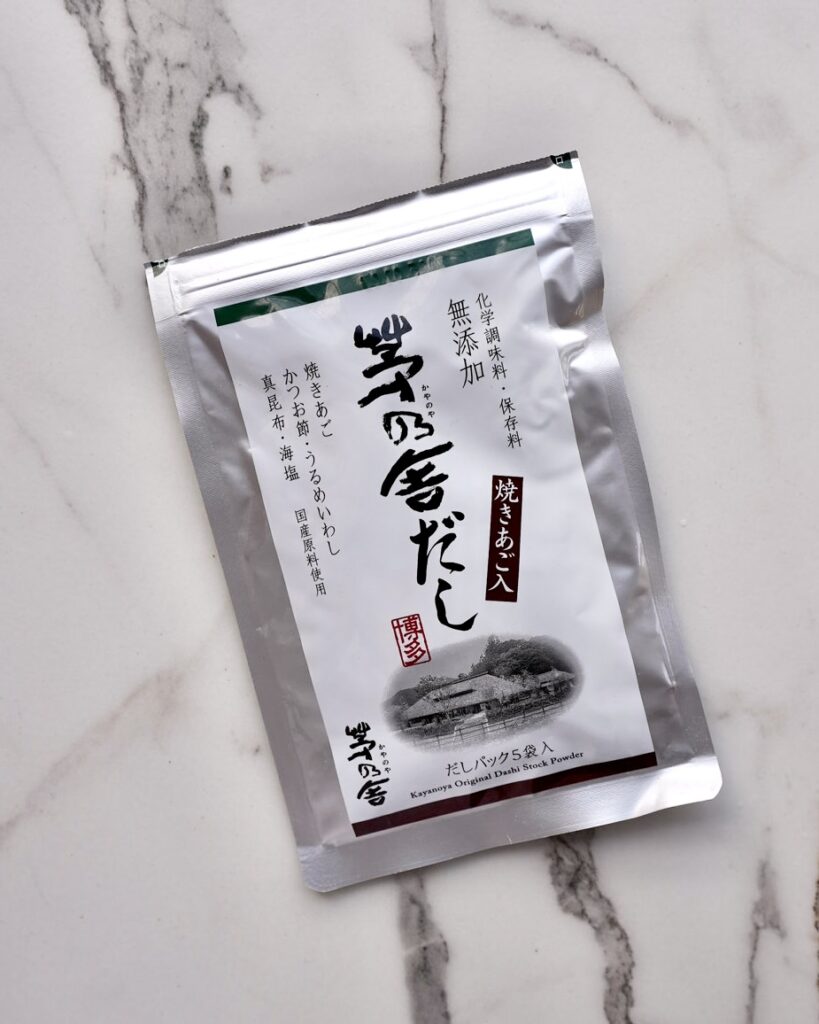
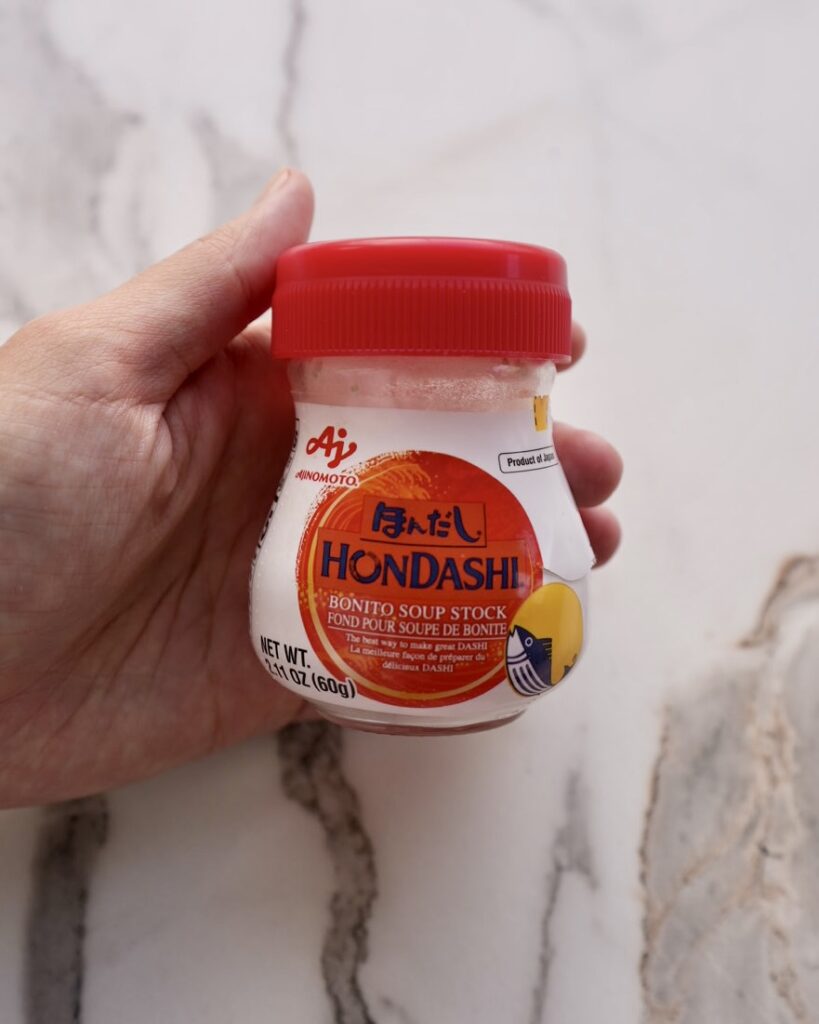
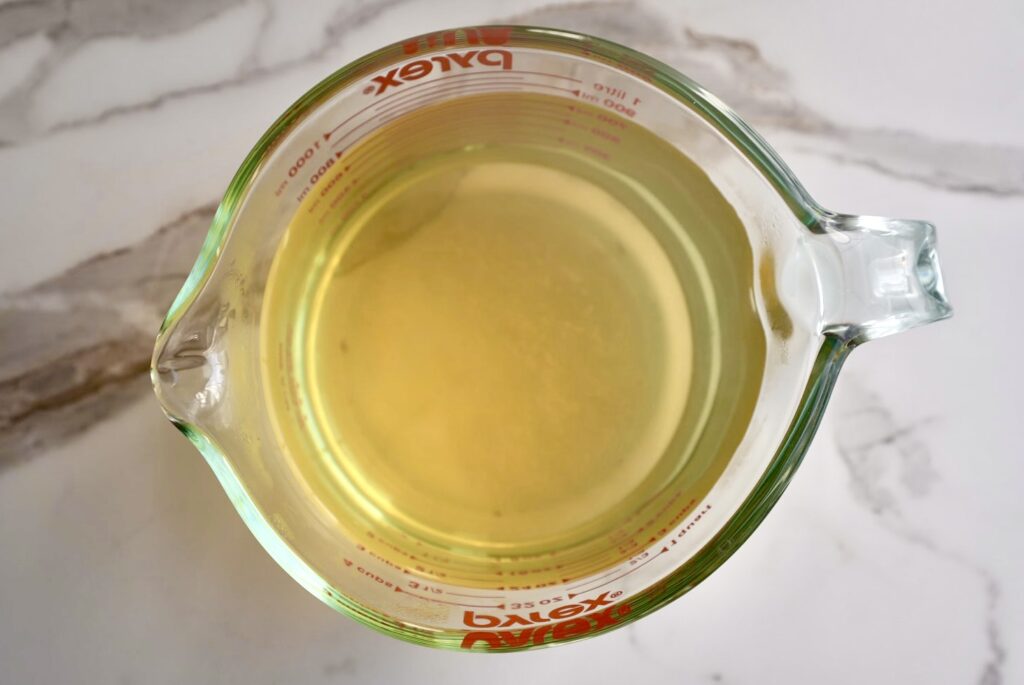
Making Dashi From Scratch
Dashi is a fundamental Japanese stock that forms the backbone of countless dishes. It provides a delicate yet deeply savory flavor known as umami.
Made traditionally from kombu (dried kelp) and katsuobushi (dried bonito flakes), dashi is prized for its ability to enhance other ingredients without overpowering them. It’s used in a wide variety of dishes, from miso soup and noodle broths to simmered vegetables, nimono, and even sauces and dressings, making it an essential component of authentic Japanese cooking.
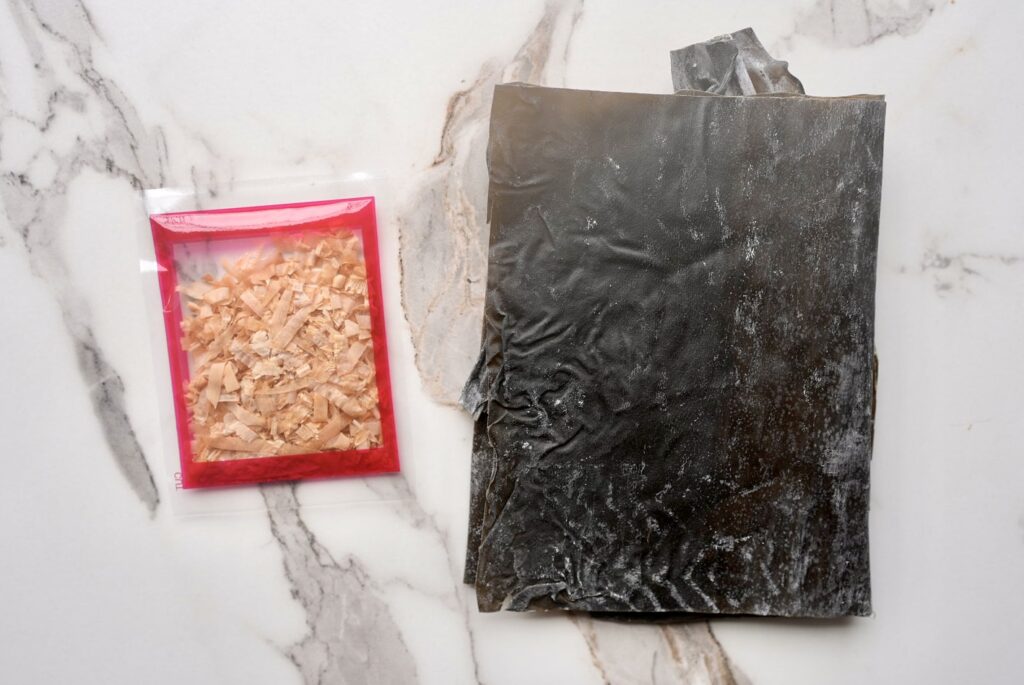
Like I mentioned above, you can use shortcuts to make dashi (which I do all the time! Making it from scratch is a little more work than I am cut out for, especially on busy days). So here’s how to make it from scratch:
- Prepare Kombu: Soak the kombu in cold water.
- Heat the Water: Slowly bring the kombu water to just below a boil.
- Remove: Take out the kombu before the water boils to prevent bitterness.
- Add Katsuobushi: Sprinkle in bonito flakes and let them steep for a few minutes.
- Strain: Remove the bonito flakes using a fine-mesh sieve.
Ingredients:
- Dashi: The savory Japanese soup stock that forms the base of the broth; can be made from kombu and bonito flakes, purchased as a packet, powder, or vegan version. See above for more info!
- Mirin: A sweet Japanese rice wine that adds subtle sweetness and depth to the broth.
- Soy Sauce: Provides salty umami flavor, balancing the sweetness of mirin and Inari age.
- Udon Noodles: Thick, chewy Japanese wheat noodles that soak up the flavorful broth.
- Boiled Eggs: Adds richness and a creamy texture to the soup.
- Inari Age: Seasoned fried tofu pouches that are sweet, savory, and tender; the star ingredient of the dish.
- Green Onions: Fresh garnish that adds a mild oniony crunch and bright color.
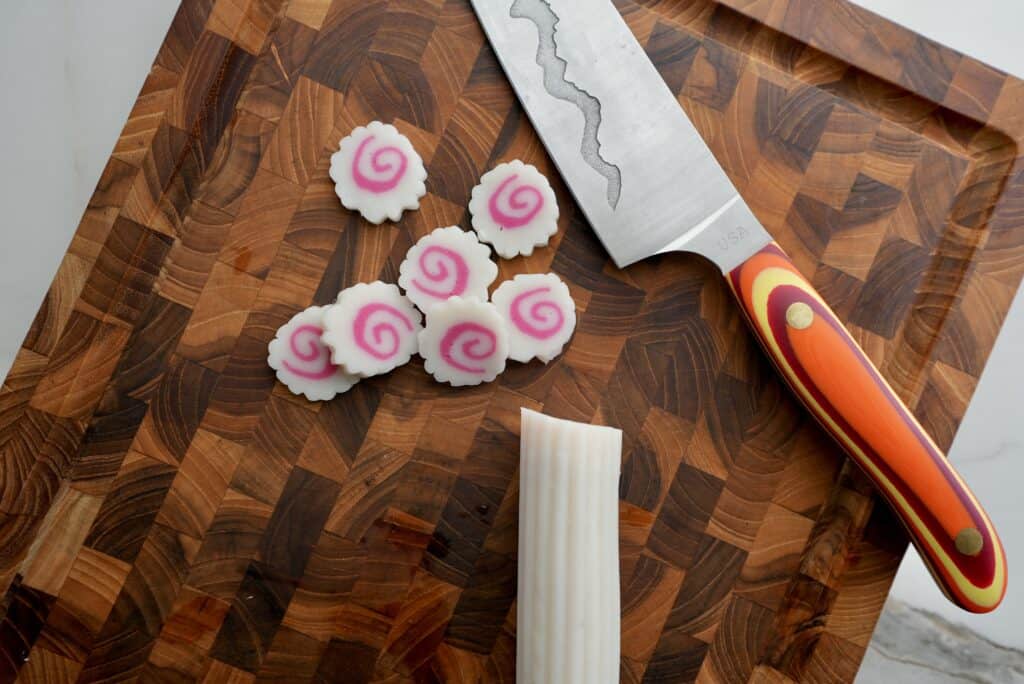
- Optional Toppings – Shichimi Togarashi: Japanese seven-spice blend for a hint of heat. Narutomaki (Fish Cakes): Thinly sliced, slightly sweet fish cakes that add visual appeal and subtle flavor.

Kitsune Udon
- Total Time: 10 minutes
Description
Kitsune Udon is a comforting Japanese noodle soup featuring thick udon in a savory-sweet dashi broth, topped with tender Inari age, boiled eggs, and fresh green onions.
Ingredients
Instructions
- In a pot, combine dashi, mirin, and soy sauce. Heat over medium until just simmering.
- Boil udon noodles according to package instructions. Drain and set aside.
- Divide the cooked udon noodles between two bowls. Pour the hot broth over the noodles. Top each bowl with: 2 halves of boiled egg, 2 inari age pouches, green onions, shichimi togarashi and narutomaki.
- Serve immediately and enjoy your comforting bowls of Kitsune Udon!
- Prep Time: 5 minutes
- Cook Time: 5 minutes
Nutrition
- Serving Size: 2



0 Comments