
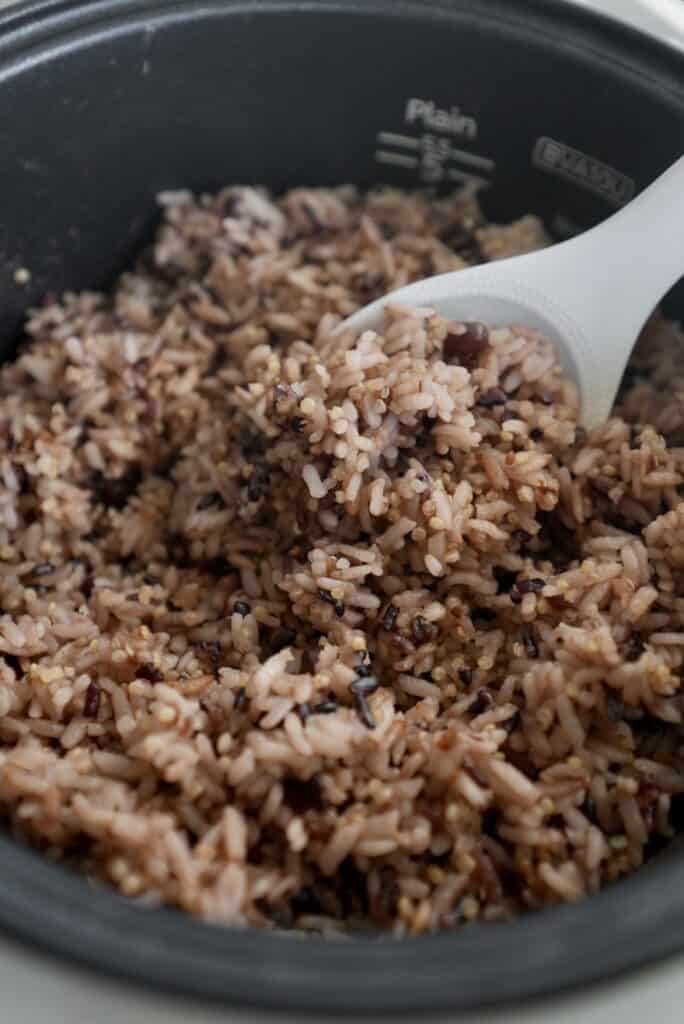
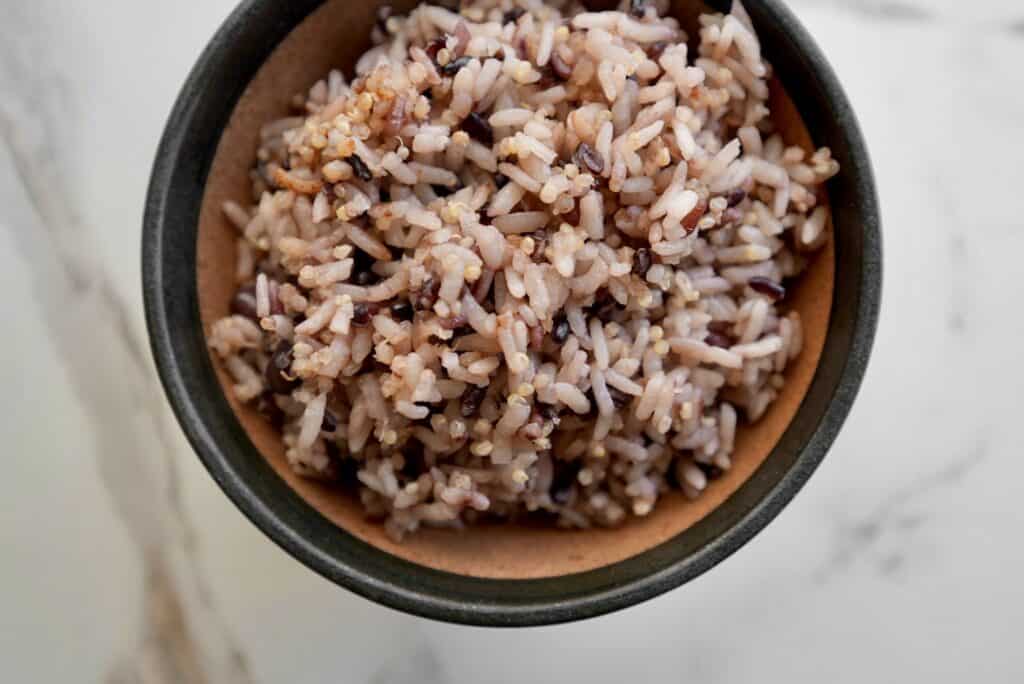
This better-for-you Japanese mixed-grain rice is my way of turning a bowl of Japanese white rice into something more nourishing and healthy without losing what makes it comforting in the first place. Instead of treating rice as something to “replace” or restrict, I like to think of it as a foundation you can build on. By adding a blend of grains and legumes, you keep that familiar rice texture and flavor while layering in even more flavor, texture, and nutrition.
I am a firm believer in “nutrition by addition”. Instead of removing foods, I like to build on them. I make familiar meals more nutrient-dense in a natural, non-restrictive way. You still get the comfort of fluffy rice, but with a wider range of nutrients. It’s an easy upgrade that works with anything from simple weeknight dinners to more intentional, composed meals. Let’s get into it!
What Type of Rice to Use
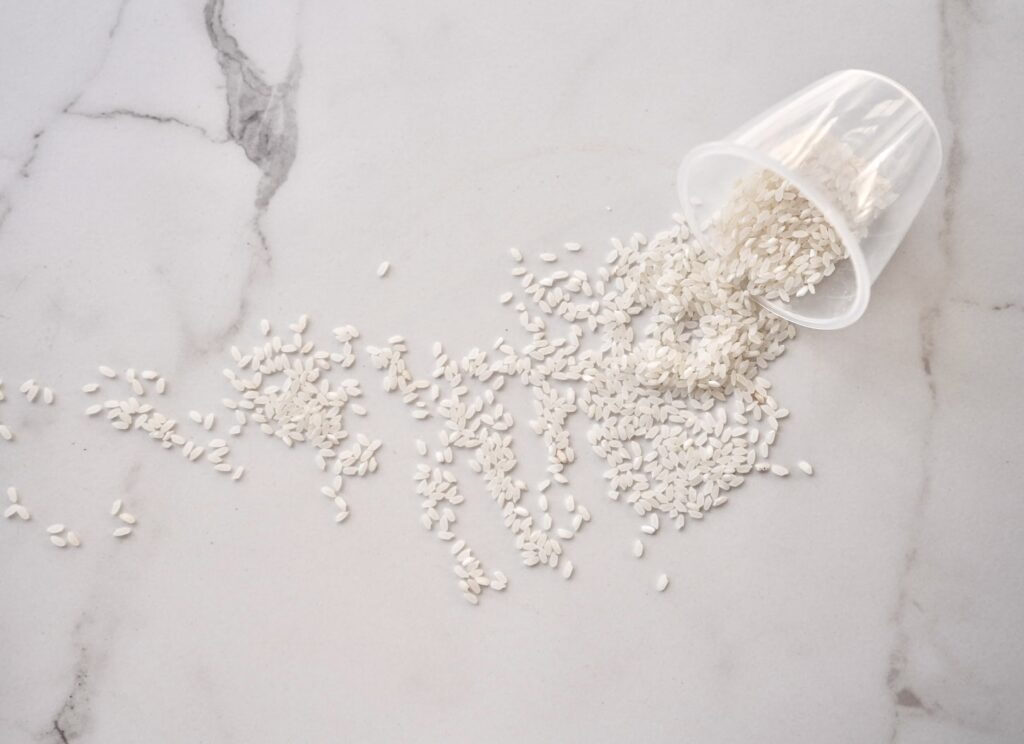
Choosing the right type of rice can be confusing, especially with so many varieties available. In Japanese cooking, however, Japanese short-grain or medium-grain rice is pretty much always the go-to choice. And that is the base of this rice recipe.
Short-grain rice, often labeled as sushi rice, is particularly prized for its soft and chewy texture, which pairs beautifully with traditional Japanese dishes. Medium-grain rice is a great alternative if short-grain isn’t available (I actually almost always use medium-grain myself because it’s generally cheaper where I live!). Both are ideal for recipes like this one, where the rice’s stickiness helps meld the flavors into every bite.
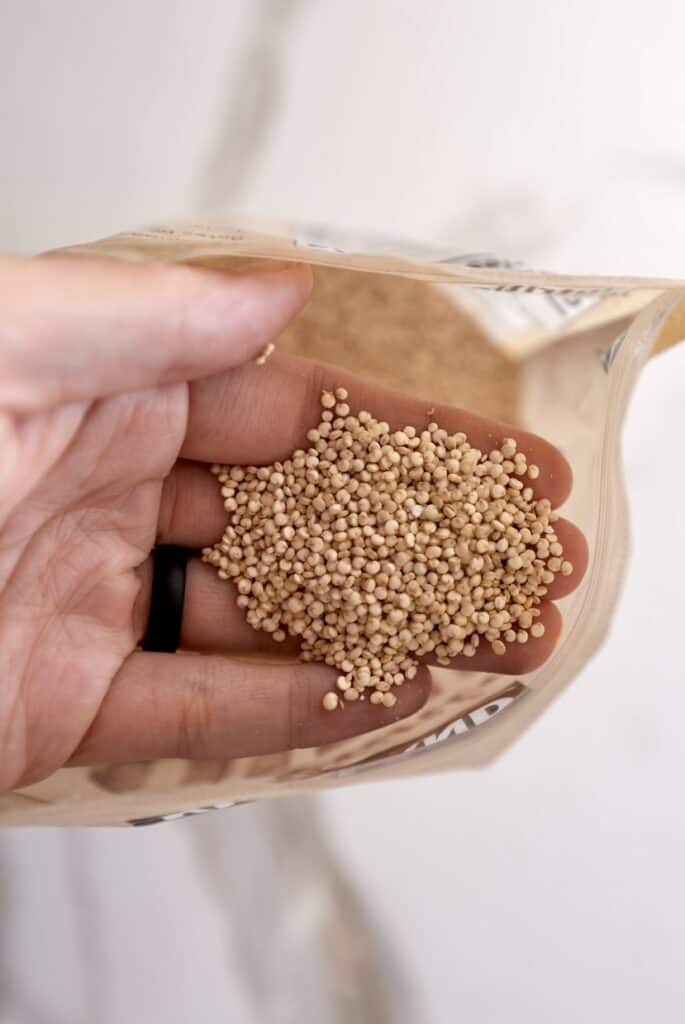
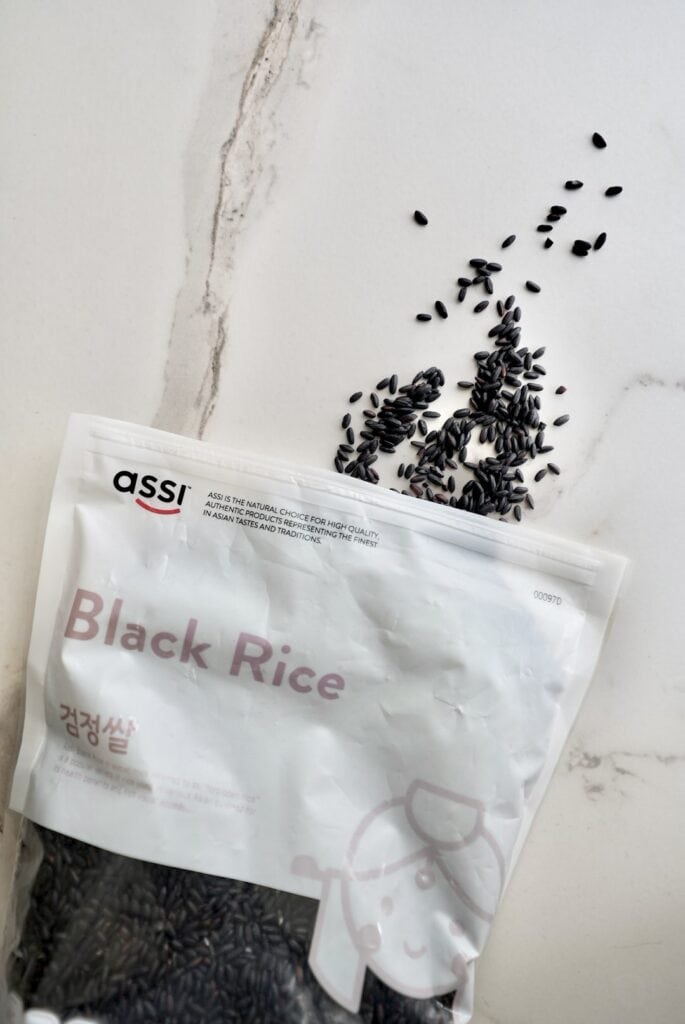
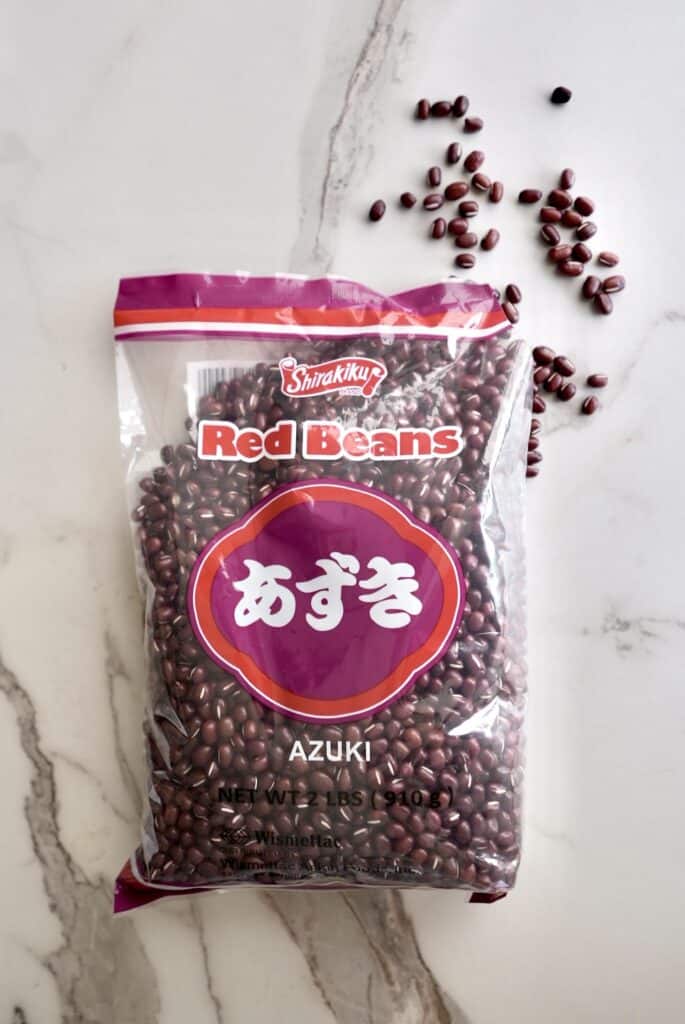
In this recipe, white rice is combined with quinoa, black rice, mochi mugi (Japanese barley), and adzuki beans. But you can totally customize this to your liking! Each brings something different to the table:
- Quinoa: Adds complete plant protein (all essential amino acids) and a light, fluffy texture that boosts overall satiety.
- Black Rice: Black rice is one of the most nutrient-dense refined-grain alternatives, however I personally don’t enjoy eating it on its own for a few reasons. It has a dense texture and strong flavor, but when it’s mixed in with other grains, it’s hardly noticeable. It adds antioxidants (especially anthocyanins), a subtle nutty flavor, and a deeper, slightly chewy texture.
- Mochi Mugi (barley): Adds soluble fiber that supports digestion, improves fullness, and gives a pleasant chewy bite.
- Adzuki Beans: Adds plant protein, fiber, and a naturally slightly sweet, earthy flavor that makes the rice more hearty and filling. You may know adzuki beans from its counterpart red bean paste. It’s made from adzuki beans!
Together, they create a bowl that feels more balanced and satisfying than rice alone, while still pairing beautifully with everyday meals.
Recommended Rice Cookers
Do I need to have a fancy rice cooker to make this rice? NO! Just like anything, generally, the higher the quality, the better. But if you make rice even a couple times a week, I highly highly highly recommend investing in a rice cooker!
Click the rice cooker photos to see my favorite rice cookers. I included a budget-friendly rice cooker I love! I use the Tiger 5.5-cup model shown. About 1/2 cup of Japanese short- or medium-grain rice makes 1 serving.
Key Features to Look For in a Rice Cooker:
- Steaming Basket or Tray: Allows you to steam vegetables or cook other ingredients while the rice cooks.
- Multiple Cooking Functions: Ensure it has settings for steaming, slow cooking, and possibly even baking.
- Non-Stick Inner Pot: Makes cleaning easier and prevents sticking.
- Timer and Keep Warm Function: Useful for planning meals ahead of time and keeping them warm until you’re ready to eat.
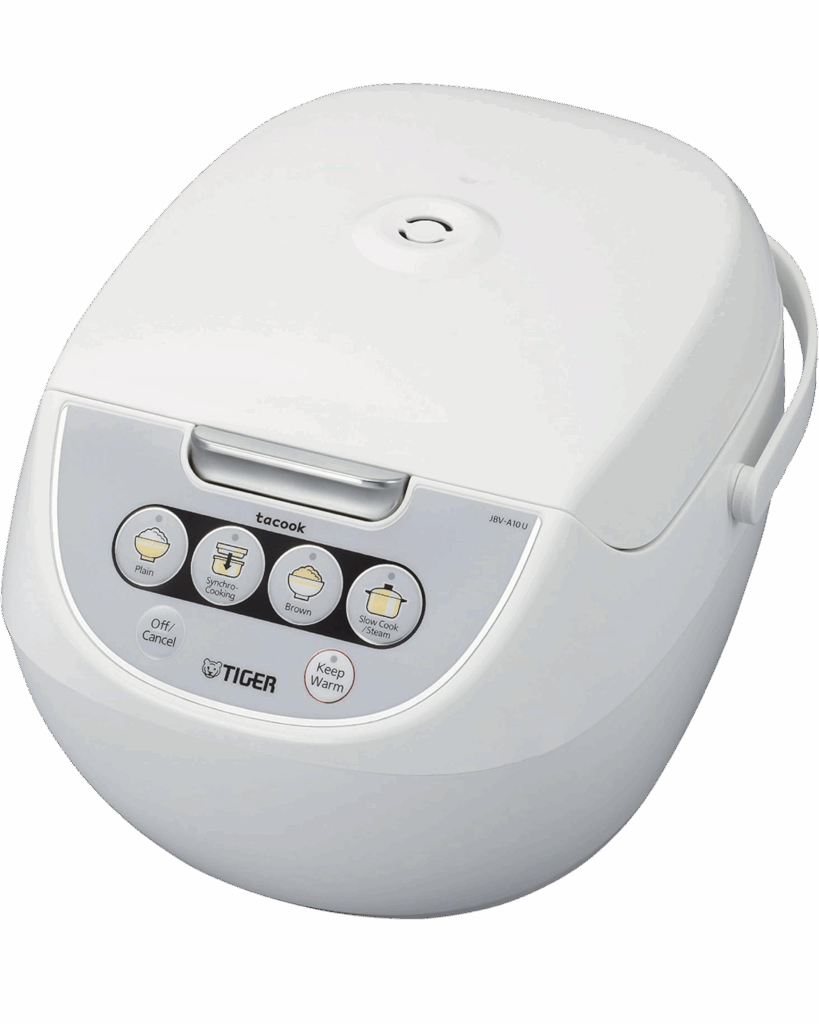
5.5 cups or 10 cups
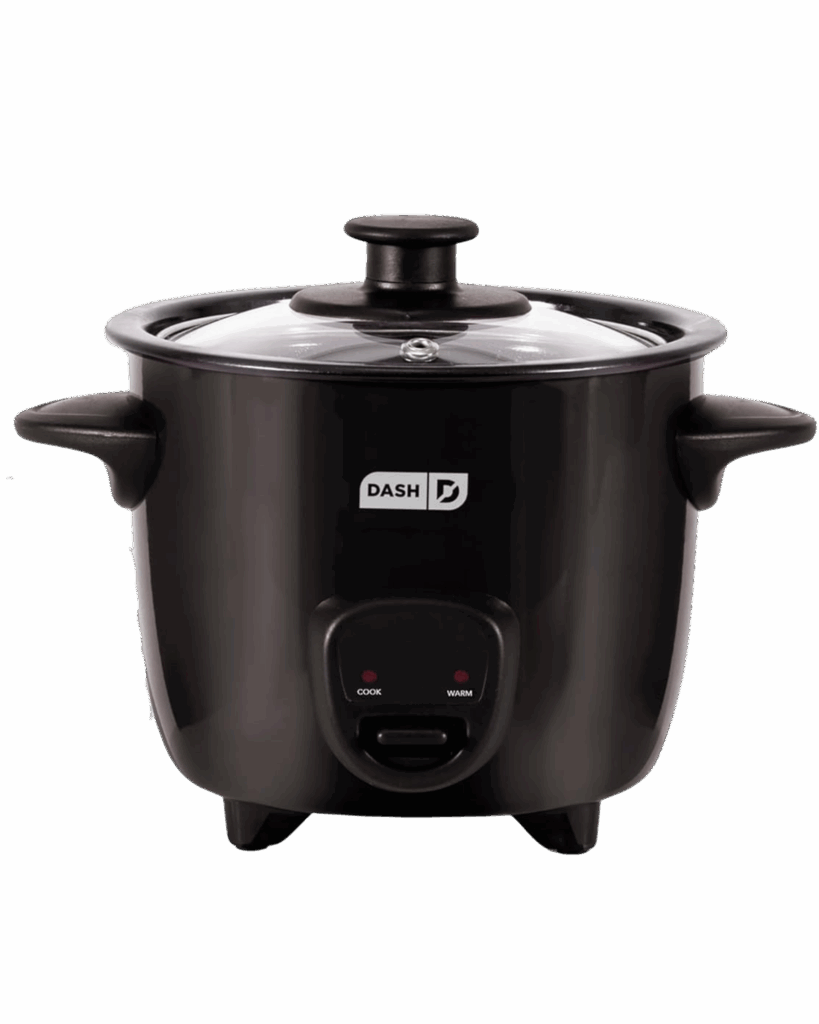
2 cups
FAQ’s:
Q: Do I need to soak the grains?
Yes – soaking the black rice, mochi mugi, and adzuki beans overnight helps soften them, improves texture, and ensures everything cooks evenly with the white rice. That said, you can also just soak for a few hours.
Q: What does mixed grain rice taste like?
It tastes similar to fluffy white rice, but slightly nuttier, earthier, and more complex depending on the ratio of grains used.
Q: Can I swap or remove any of the grains?
Yes, this recipe is flexible – each grain adds a different benefit, but you can adjust based on what you have or prefer.
Q: Is this rice healthier than plain white rice?
It adds more fiber, protein, and antioxidants compared to white rice alone, making it more nutrient-dense and satisfying.
Q: Does this work in a pot instead of a rice cooker?
Yes, it works well in pots. But I definitely recommend using a rice cookers, especially if you cooked rice even a couple times a week!
Q: How long does it keep in the fridge?
It typically keeps for about 3 – 5 days refrigerated in an airtight container.
Q: Can I freeze it?
Yes, it freezes well in portions and reheats nicely for quick meals. Since making mixed-grain rice can be a little more tedious, I highly recommend making it in bulk and freezing.
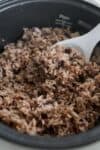
Better-For-You Japanese Mixed-Grain Rice
Description
This mixed grain rice is a nourishing blend of white rice, quinoa, black rice, mochi mugi, and adzuki beans that combines comforting texture with added protein, fiber, and antioxidants for a more balanced everyday staple.
My rice cooker is linked here.
Ingredients
- 2 cups medium grain white rice
- 1/4 cup quinoa
- 2 tbsp black rice
- 1 tbsp mochi mugi (barley)
- 1 tbsp adzuki beans
- Bone broth (for added protein) or water (adjust based on your rice cooker or cooking method)
For this mixed grain rice, I use the same water ratio I would for regular medium-grain rice. A general guideline is 1 cup rice : 1 to 1.25 cups water, so for this recipe’s total of 2 1/2 cups of grains, that comes out to about 3 to 3 1/8 cups of water. I find this works well even with the added quinoa, black rice, barley, and adzuki beans – especially since the soaked grains already help even out the cooking. This is where a rice cooker really makes things easy, since you can simply follow the water level markings for mixed grains and let it do the work.
Instructions
- Note that for best results, it’s best to start this recipe the night before to soak some of the ingredients overnight.
- Soak the black rice, mochi mugi, and adzuki beans in plenty of water for at least 3 hours, preferably overnight. This helps soften them, improves texture, and reduces cooking time.
- Drain the soaked grains and rinse thoroughly. Also rinse the white rice and quinoa until the water runs mostly clear.
- Add all grains and legumes into a rice cooker or pot.
- Use the same amount of water as you would for plain white rice and cook (on my rice cooker, I just hit the “Plain” button). Fluff and serve.
Nutrition
- Serving Size: 4 – 6



For the water amount, it is to ambiguous for me. Do I use the same amount of water as I use for 2 cups of rice, or do I add the water for 3 cups of rice since the grains are about that equivalent? In my cooker, I just fill up to the correct line, but if adding more, that does not make sense
If you are using this recipe, the total amount of rice is 2 1/2 cups, which means you would fill to the water line for 2 1/2 cups of water. Does that make sense? Sorry, I know it’s confusing!
I just updated the recipe card – hopefully that wording makes a little more sense!
Can I use my electric pressure cooker? If so, how many minutes and release time, please?
I’ve only done this once and it was so long ago. So this may not be reliable, but I’d recommend high pressure for 20 minutes and natural release for about 10 minutes. Then quick release any remaining pressure!
I haven’t made the recipe yet but I was curious to see if we can swap out the red beans for other beans? Has anyone tried this?
Hi Rose, what other beans are you thinking? Something like black beans? If so, you could definitely do that, just no need to soak overnight!
Thanks for this wonderful recipe! If I use a pot to make it, should I cook the adzuki beans ahead of time (since they may take longer to cook) and add them at the end? Thanks again!
If you soak them overnight, they should be just fine! If you prefer them really soft though, you can still definitely cook them ahead of time too!
When soaking rice… in fridge or not?
Yes, fridge is ideal!
Recipe should be very good once the beans cook… Adzuki didnt cook in the rice cooker…. Online says i should probably cook separately as beens need to be cooked much longer than a rice cooker cycle? Your thoughts ?
Hi Jackie, you can definitely cook them separately if you like them really soft! I prefer the texture in mixed rice when they’re cooked for the amount of time I suggest. It’s just personal preference. 🙂
But also this is where soaking the beans overnight is necessary!
Can I soak everything together overnight ? I mistakenly mixef my white rice with the other grains.
You can try, but this might lead to overcooked white rice. It needs a lot less cooking time than the other grains.
Loved. Glad you recommended soaking some of the grains overnight — I’d never done that before but it makes a big difference. Thank you!
It makes a huge difference for sure! Thanks for sharing, Kacey!
I was wondering, after soaking the grains overnight, could I freeze them in a ziplock bag & add them when I make rice next? They should defrost & cook just fine, I would think. Maybe soak a big batch & then divide it up in ready to go portions…
Hi Blaine, that’s a great question I’ve never heard of anyone freezing their grains of rice before cooking. Afterwards is more typical. If your goal is meal prep, though, it’s generally better to cook the rice first and then freeze it. Cooked rice freezes exceptionally well, reheats beautifully, and has less risk of quality issues than freezing soaked raw rice – but let me know if you do end up freezing first and how that goes!
What do you eat this with?
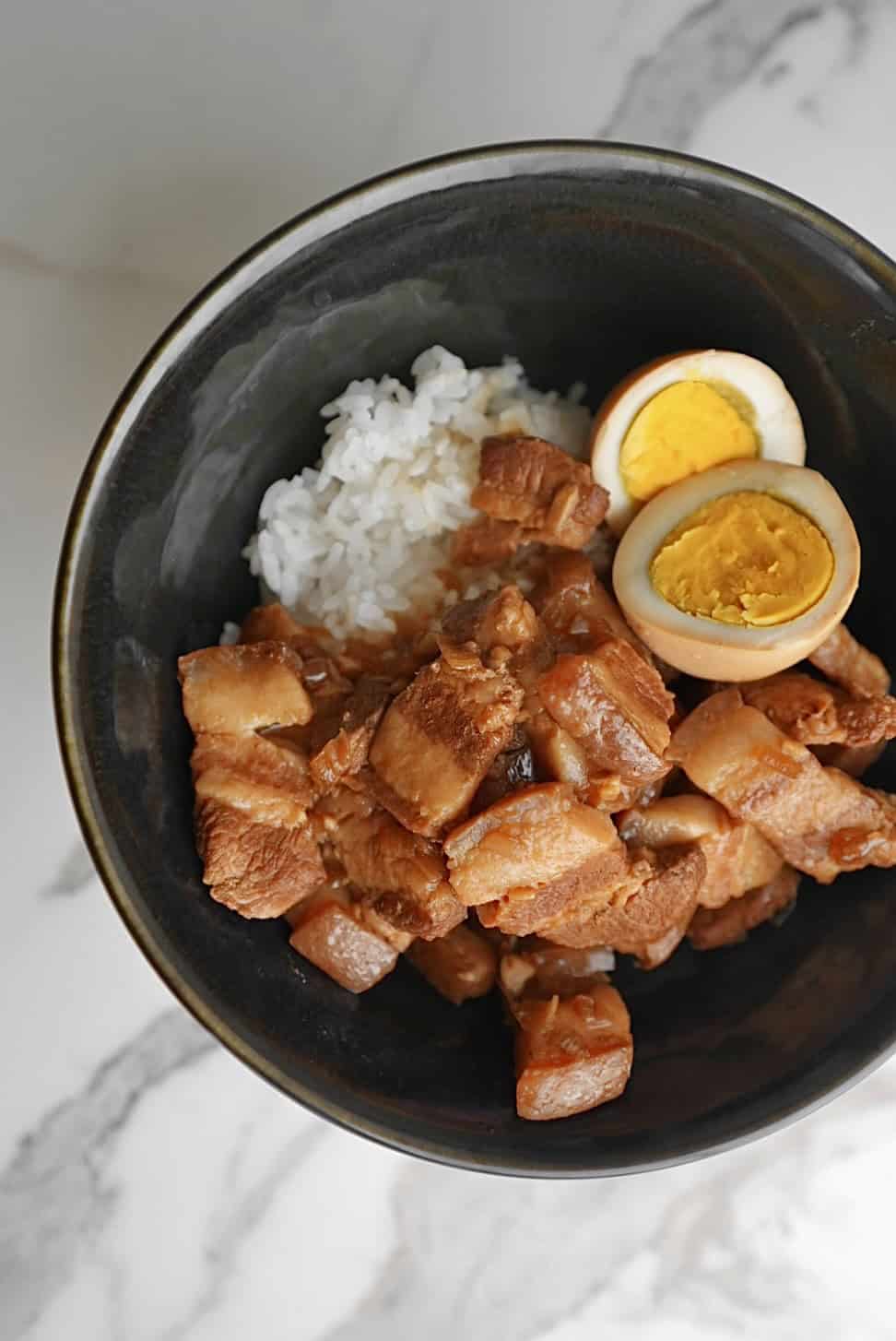
Anything and everything! haha – I eat rice with pretty much every meal. I recommend checking out my Korean Beef Bowl, Gyudon, or Japanese Curry, for starters 🙂
What do you do if you will use red beans that have already been cooked? How does the recipe change?
If the red beans have already been cooked, decrease the water just slightly. I’m talking maybe 1/2 tbsp!
What seasoning did you add?
It’s bone broth but just in powdered form!
Really enjoyed this! I made it the first time but was lazy and didn’t soak the grains – didn’t make that same mistake the second time and it was so good. Husband said he actually even preferred it to white rice. Thank you!
Awesome! Thank you for sharing, Meg and for your kind words. 🙂