
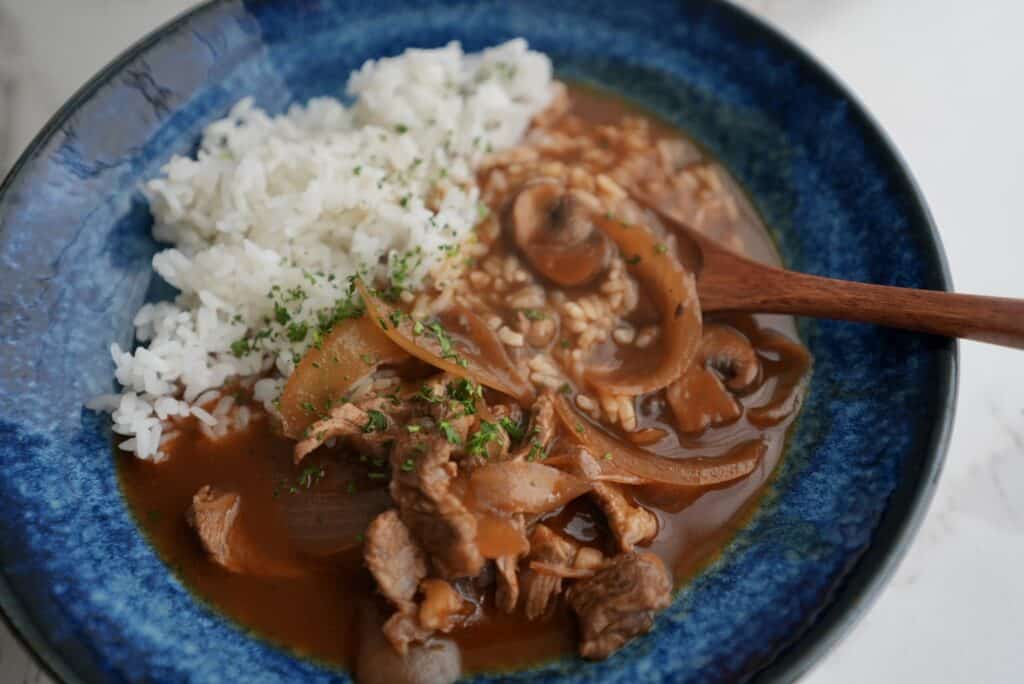
Hayashi rice (ハヤシライス) is one of those comforting Japanese home-style dishes that feels both familiar and a little nostalgic, even if you didn’t grow up eating it. For me, though, it truly is nostalgic! I grew up eating it at home all the time. It’s a rich beef and onion thick stew (very similar texturally to Japanese curry) served over rice, with a deeply savory, slightly sweet demi-glace-style sauce.
Although I call it Japanese curry’s sister, the flavor profile is very different – less spice-forward and more mellow, with a slow-cooked depth that comes from the onions, seared beef, and a glossy, wine-based sauce.
Hayashi rice was influenced largely by Western cuisine. The sauce is typically built from demi-glace or roux, usually with tomato paste or red wine added for acidity and richness. The result is silky and comforting, like a cross between beef stew and gravy, but distinctly Japanese.
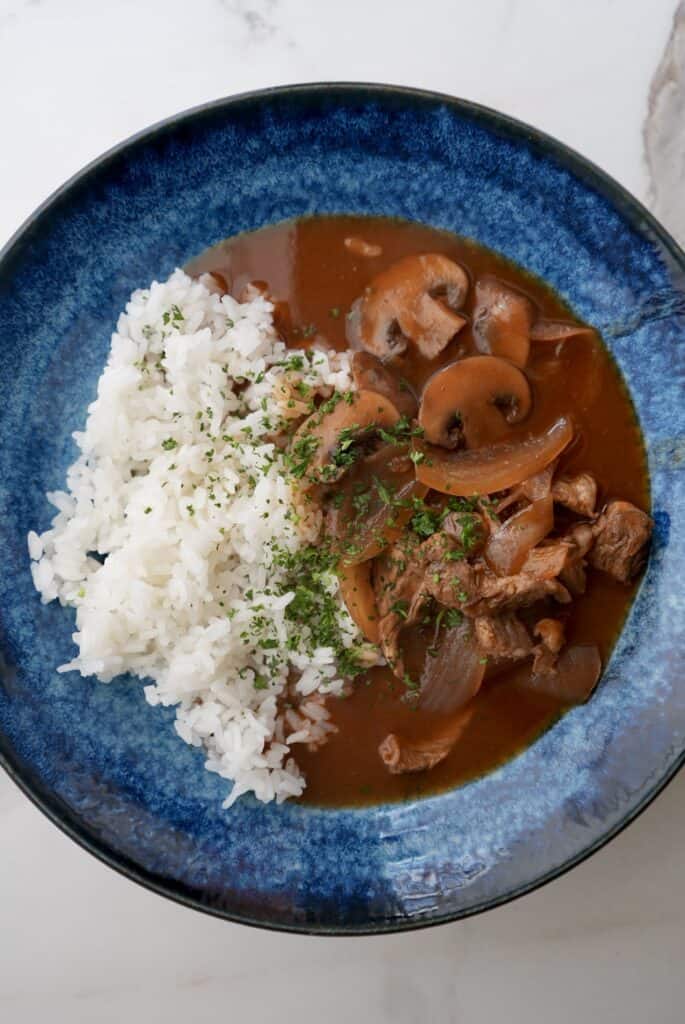
For many households in Japan, Hayashi rice is an everyday kind of meal – something you might not find in the spotlight like sushi or ramen, but something deeply loved all the same for sure!
It’s the kind of dish that tastes even better the next day as the flavors meld together. This makes it perfect for meal prep or cozy weeknight dinners. Paired with a simple salad or a soft-boiled egg on top, it’s humble but satisfying. Which is exactly why it has stayed a staple in Japanese home cooking for generations!
Ingredients:
- Beef: Thinly sliced beef that serves as the protein base and absorbs the rich sauce quicklySalt: Seasons the beef directly and enhances its natural flavor
- Black pepper: Adds mild heat and depth when searing the meat
- Butter: Adds richness, silkiness, and a subtle creamy depth to the sauce
- Onion: Thinly sliced, these are the flavor foundation of the dish; becomes sweet and deeply savory as it softens
- Mushrooms: Add umami, meatiness, and extra depth to the sauce
- Red Wine: Builds acidity, complexity, and a deep restaurant-style flavor base
- Beef Broth: Provides savory depth and forms the body of the sauce
- Worcestershire Sauce: Adds tangy umami and subtle sweetness
- Tomato Paste: Concentrated flavor that adds richness and thickness
- Ketchup: Brings sweetness, acidity, and a classic Japanese “western-style” flavor note
- Soy Sauce: Enhances umami and adds saltiness and depth
- Brown Sugar: Balances acidity and rounds out the sauce
- Bay Leaf: Adds subtle herbal and aromatic depth during simmering
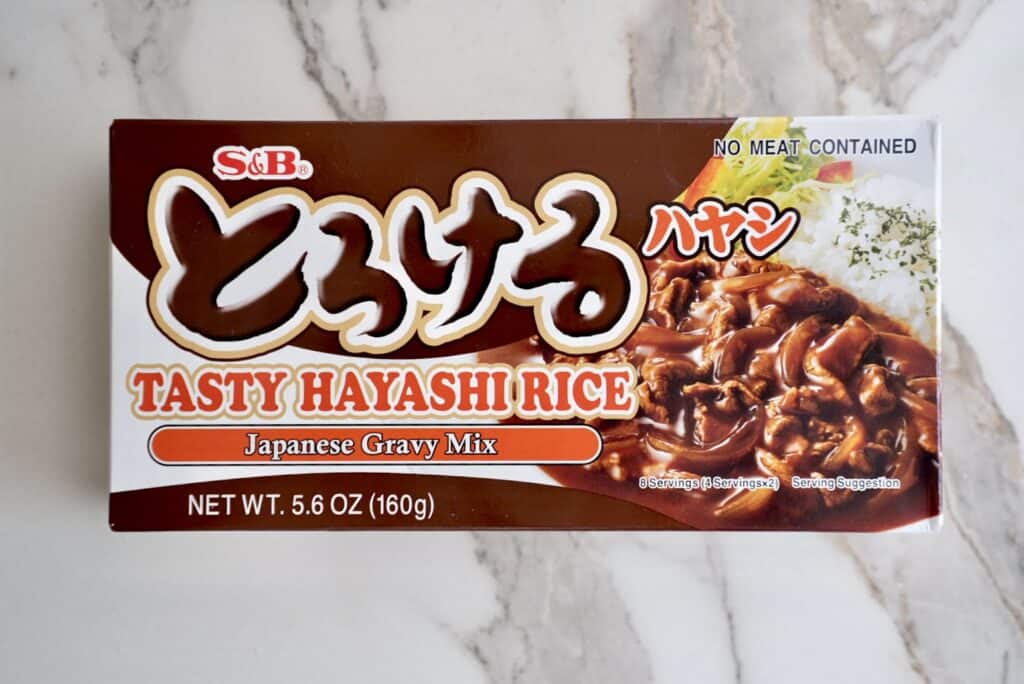
What Type of Rice to Use
Choosing the right type of rice can be confusing, especially with so many varieties available. In Korean and Japanese cooking, however, Japanese short-grain or medium-grain rice is almost always the go-to choice.
Short-grain rice, often labeled as sushi rice, is particularly prized for its soft and chewy texture, which pairs beautifully with traditional Japanese dishes. Medium-grain rice is a great alternative if short-grain isn’t available (I actually almost always use medium-grain myself because it’s generally cheaper where I live!). Both are ideal for recipes like this one, where the rice’s stickiness helps meld the flavors into every bite.

Recommended Rice Cookers
Do I need to have a fancy rice cooker? NO! Just like anything, generally, the higher the quality, the better. But you can make great rice in a cheap rice cooker, too!

5.5 cups or 10 cups
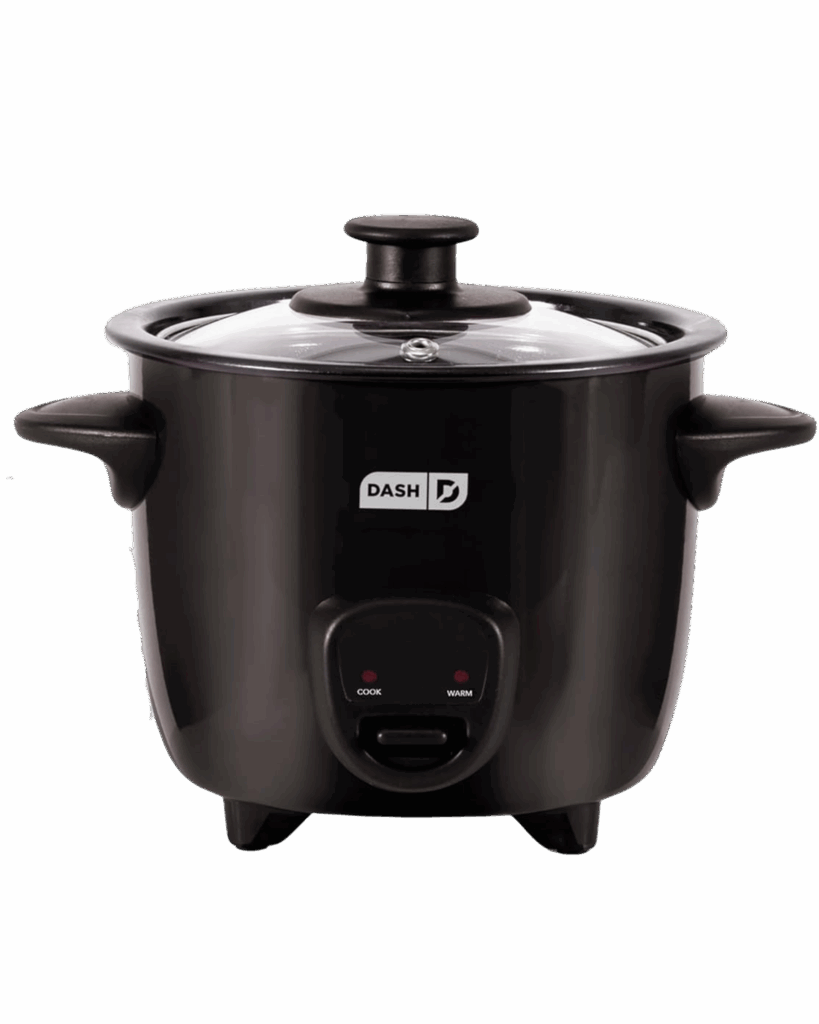
2 cups
Click the rice cooker photos to see my favorite rice cookers. I included a budget-friendly rice cooker I love! I use the Tiger 5.5-cup model shown. About 1/2 cup of Japanese short- or medium-grain rice makes 1 serving.
Key Features to Look For in a Rice Cooker:
- Timer and Keep Warm Function: Useful for planning meals ahead of time and keeping them warm until you’re ready to eat.
- Steaming Basket or Tray: Allows you to steam vegetables or cook other ingredients while the rice cooks.
- Multiple Cooking Functions: Ensure it has settings for steaming, slow cooking, and possibly even baking.
- Non-Stick Inner Pot: Makes cleaning easier and prevents sticking.
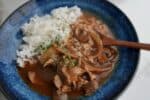
Hayashi Rice
- Total Time: 55 minutes
Description
Tender sliced beef simmered with onions and mushrooms in a rich, savory red wine and tomato demi-glace sauce, served over white rice.
Ingredients
For the Beef:
- Oil, for cooking
- 1 lb beef, thinly sliced (I prefer ribeye but anything is fine)
- 1/2 tsp salt
- 1/2 tsp black pepper
For the Base:
- 1 tbsp oil
- 1 tbsp butter, unsalted
- 1 large onion, thinly sliced (with the grain)
- 1 1/2 cup mushrooms, sliced
For the Sauce:
- 1 tbsp tomato paste
- 1 cup red wine
- 1 cup beef broth
- 3 tbsp Worcestershire sauce
- 2 tbsp ketchup
- 1 1/2 tbsp soy sauce
- 1 tbsp brown sugar
- 1 bay leaf
- 1/2 tsp black pepper
- Optional: 1/2 tsp cayenne pepper (for heat)
- Optional: chopped parsley (for garnish)
Optional Roux (if you like a thicker sauce):
- 1 tbsp butter, unsalted
- 1 tbsp flour
Instructions
- Heat a bit of oil in a large pan over medium-high heat. Add the beef in a single layer and quickly sear until browned. Remove from the pan and set aside (it’s okay if it’s not fully cooked through).
- Reduce heat to medium. Add 1 tbsp butter, then the sliced onions. Cook for about 2 minutes, then add the mushrooms. Continue cooking for 8 minutes, until softened and lightly golden.
- Stir in the tomato paste and cook for 1 minute to deepen its flavor.
- Add red wine and simmer for 20 minutes. It should reduce by about half.
- Add the beef broth, Worcestershire sauce, ketchup, soy sauce, brown sugar, bay leaf, and black pepper. Return the beef to the pan. Simmer for about 10 minutes, until slightly thickened and glossy.
- If you want your sauce to be even thicker: in a small pan over medium heat, melt the butter. Add the flour and stir constantly for 2 – 3 minutes until it forms a smooth paste and turns lightly golden, then whisk it into the sauce to thicken.
- Turn off the heat and taste and adjust seasoning as needed. Add cayenne if using, and garnish with parsley if desired. Serve over hot rice.
- Prep Time: 10 minutes
- Cook Time: 45 minutes
Nutrition
- Serving Size: 4



I love this dish so much! Thank you for reminding me how great it is, Kyrie! I added an egg on top too, highly recommend, so good!
Oh an egg sounds absolutely amazing! Thank you for your kind words, Greg! Have a great day!
Can’t wait to try this!! Where can I find the nutrition info for this recipe?
Thanks 😊
Hi Denise, thank you I hope you enjoy it! I don’t listen nutrition info for my recipes, but I’ve heard MyFitnessPal is great for this 🙂 best of luck!