
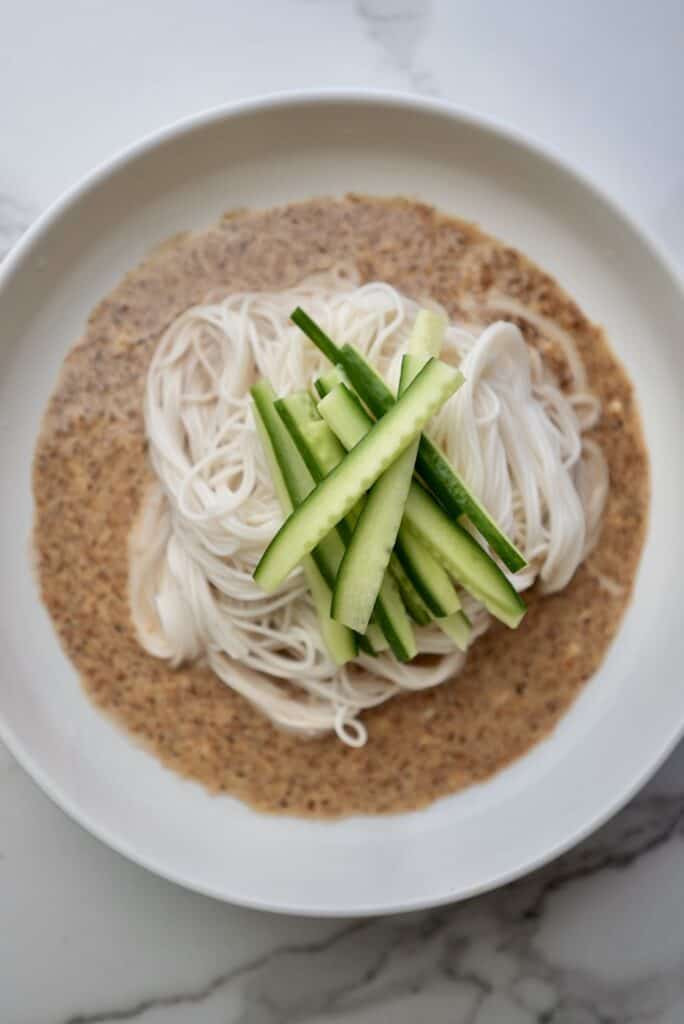
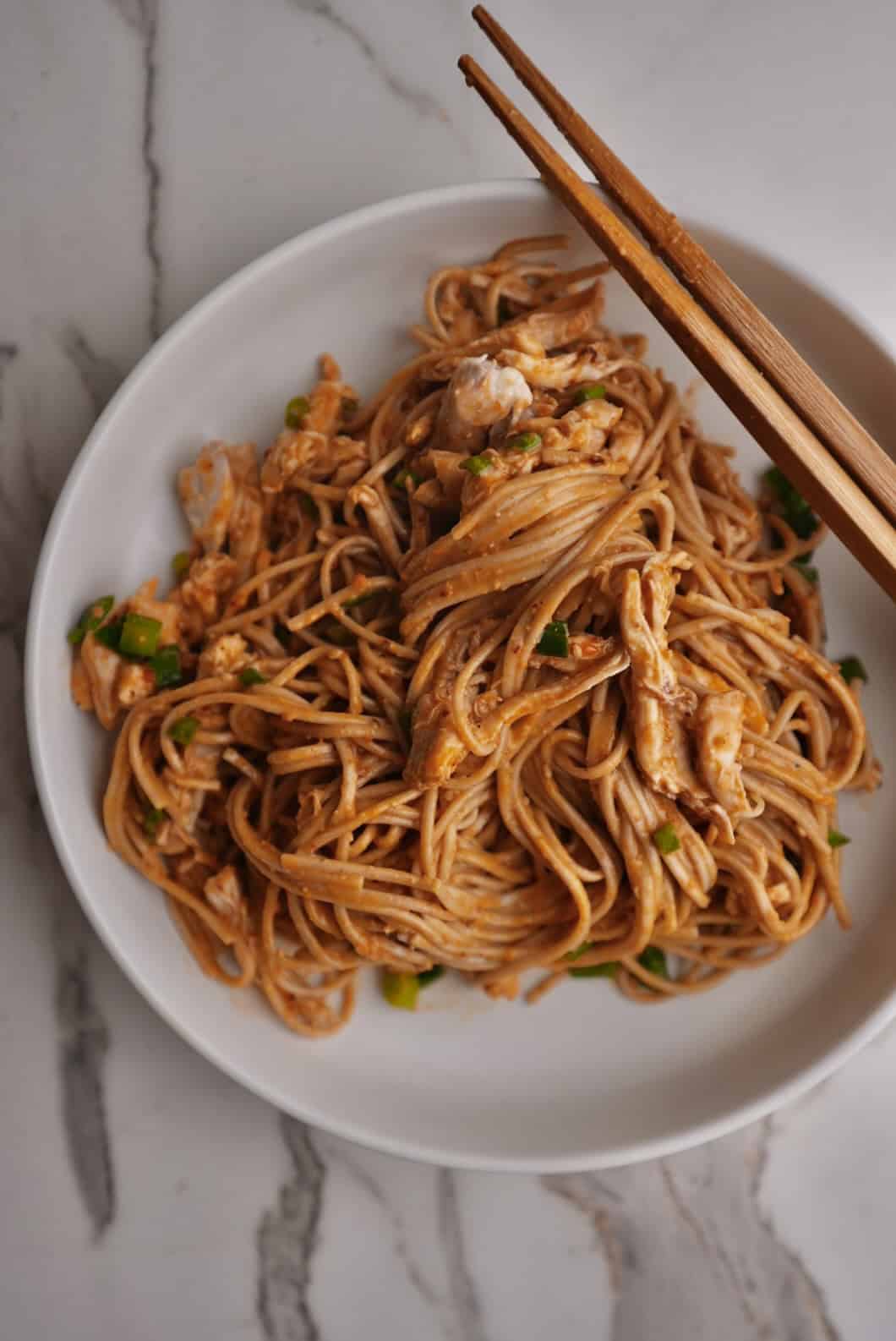
These homemade goma dressing noodles are one of my favorite quick and satisfying meals. The creamy sesame dressing coats every strand of noodle, creating a rich, nutty flavor that’s balanced with savory and slightly tangy notes. It’s a simple dish that comes together with pantry staples but tastes like something you’d order at a Japanese restaurant.
I actually learned about this dish from a friend in Japan (she was American, but I’ve realized I think Americans are even more obsessed with this dressing than Japanese themselves lol!). Before that, I had only ever used goma dressing on salads and never thought to toss it with noodles. It completely changed the way I use this dressing.
Goma dressing is incredibly versatile and can be used on much more than just greens. Try it as a dipping sauce for vegetables, drizzled over grilled chicken or salmon, tossed with cold tofu, mixed into slaws, used as a sauce for grain bowls, or served with steamed vegetables. Once you start experimenting with it, you’ll find there are so many delicious ways to enjoy it!
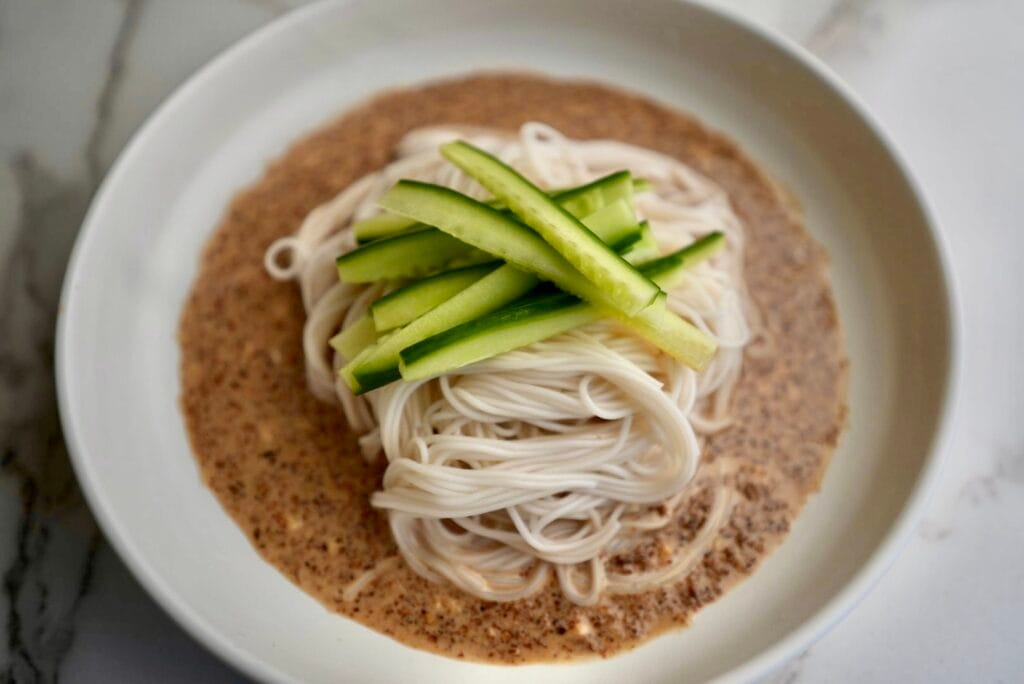
What I love most about these noodles is how versatile they are. They can be enjoyed chilled on a warm day or served at room temperature as an easy lunch, side dish, or light dinner. You can keep them simple with just the sesame dressing, or add your favorite toppings like cucumber, shredded carrots, green onions, soft-boiled eggs, or grilled chicken for a more complete meal. Whether you’re looking for a quick weeknight recipe or a crowd-pleasing side dish, these goma dressing noodles are always a hit.
Goma Dressing Ingredients
Japanese goma dressing is all about balance: rich, nutty, creamy, tangy, and just a little sweet. Each ingredient plays a specific role in building that signature depth of flavor. Here’s what you’ll need to make it:
- Sesame Seeds: The nutty, aromatic base that gives goma dressing its unmistakable flavor.
- Garlic: Adds a sharp, savory edge that keeps the dressing from tasting too heavy.
- Kewpie Mayo: Creates the creamy, velvety texture and adds a hit of umami.
- Rice Vinegar: Brightens everything with gentle acidity.
- Soy Sauce: Brings salty, savory depth that ties all the flavors together.
- Sugar: Balances the tanginess and enhances the nuttiness.
- Sesame Oil: Boosts the toasted sesame flavor and adds a fragrant finish.
How to Crush the Sesame Seeds
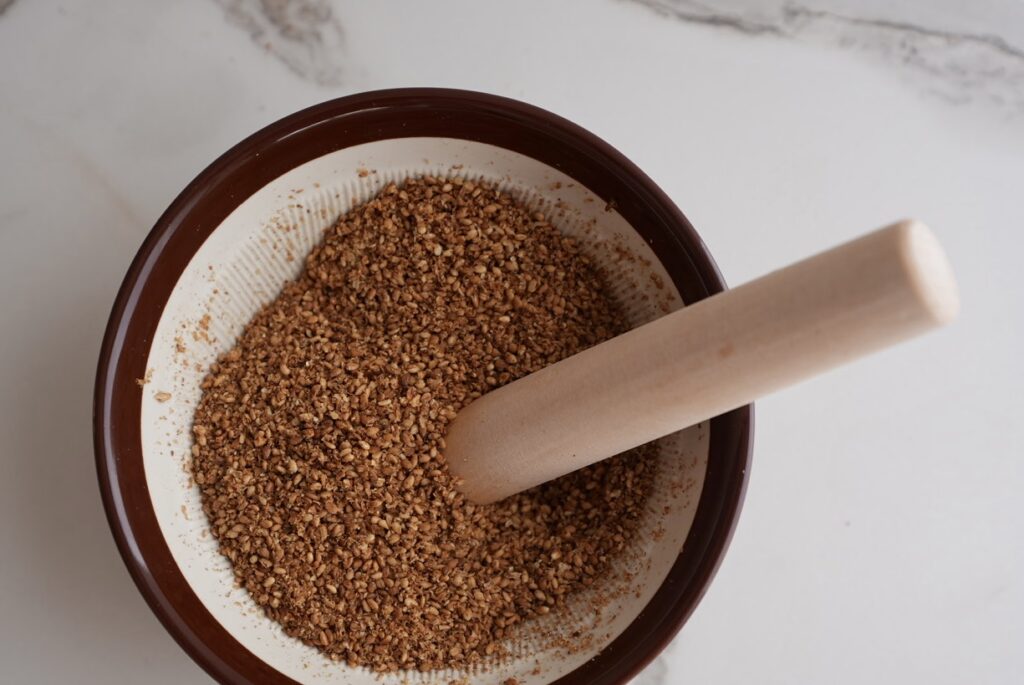
In Japan, traditionally a suribachi and surikogi are used to crush the sesame seeds. A suribachi is a Japanese mortar with ridged, textured walls designed specifically for grinding ingredients like sesame seeds into a paste. The surikogi is the accompanying wooden pestle, which gently presses and crushes ingredients without damaging the mortar’s grooves.
No, you don’t need a suribachi and surikogi – They’re wonderful tools, but totally optional. You can also crush toasted sesame seeds using:
- A mortar and pestle
- A spice grinder or coffee grinder (pulse lightly)
- A zip-top bag + rolling pin
The goal is just to break the seeds open to release their oils and flavor, and any of these methods will get you there.
Beyond crushing sesame seeds for goma dressing, a suribachi and surikogi are used in many traditional Japanese cooking techniques:
- Grinding Spices: They’re perfect for grinding seeds like poppy, mustard, or shiso seeds to release their oils and aroma.
- Making Pastes: You can turn garlic, ginger, or miso into smooth pastes for sauces, marinades, or soups.
- Mixing Dressings and Sauces: The textured bowl helps emulsify ingredients like miso, vinegar, soy sauce, and oils for dressings or dipping sauces.
- Traditional Japanese Sweets: Some wagashi recipes use the suribachi to grind beans or seeds into fine pastes.
The ridges of the suribachi make it uniquely effective at grinding and emulsifying without overworking the ingredients, which is why it’s such a staple in Japanese kitchens.
Different Ways to Enjoy Goma Dressing
Goma dressing is incredibly versatile. Once you have a jar in your fridge, it becomes one of those sauces you reach for constantly. Here are some of the best ways to use it:
- Cabbage or Iceberg Salad: The classic pairing, where the crisp, watery greens soak up the rich, nutty dressing perfectly.
- Grain Bowls: Drizzle it over rice, quinoa, or farro to instantly add creaminess and umami.
- Veggie Dip: Serve it as a dipping sauce for raw veggies, chicken skewers, or dumplings for a savory, sesame-forward bite.
- Cold Noodles: Toss it with chilled soba or ramen for a refreshing, creamy noodle dish.
- Sandwiches or Wraps: Spread it inside sandwiches or wraps for extra richness and a punch of sesame flavor.
- Roasted Vegetables: Spoon it over warm veggies like broccoli, carrots, or sweet potatoes to add depth and sweetness.
- Tofu Dishes: Use it as a sauce for baked, pan-fried, or chilled tofu to bring out its delicate flavor.
- Poke or Sushi Bowls: Drizzle it over fresh fish bowls for a creamy, umami-rich finishing touch.
- Chicken or Tuna Salad: Mix it into shredded chicken or canned tuna for a sesame-forward twist on a classic.
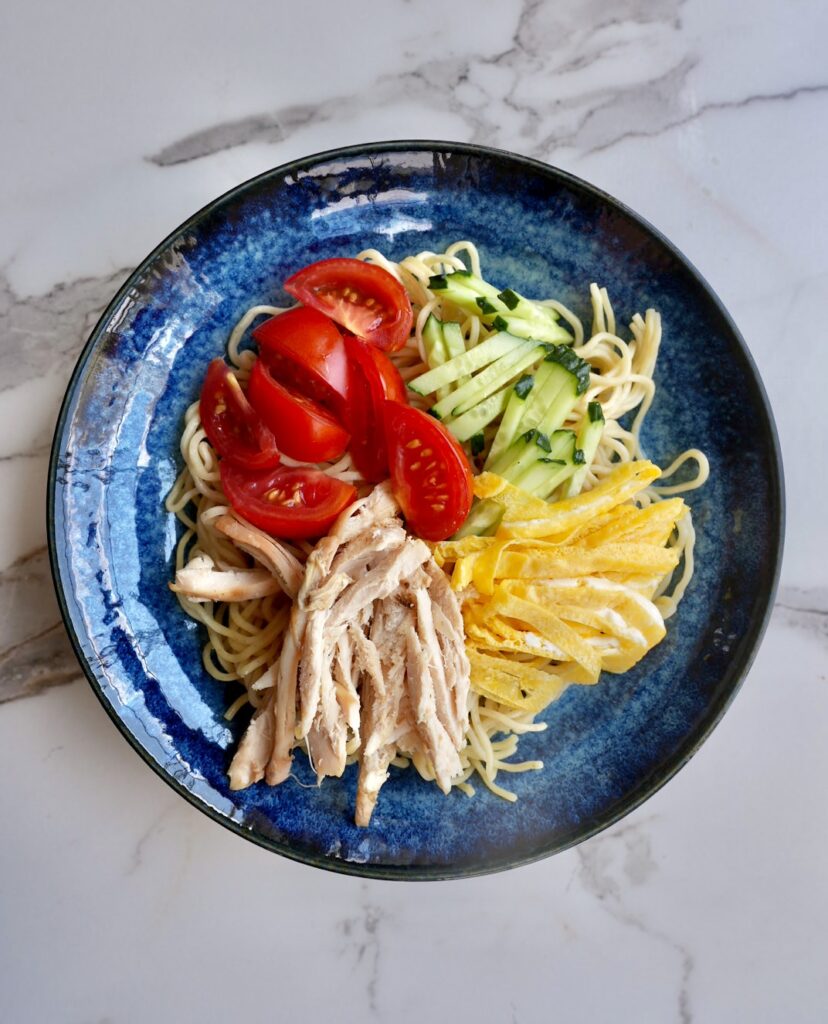
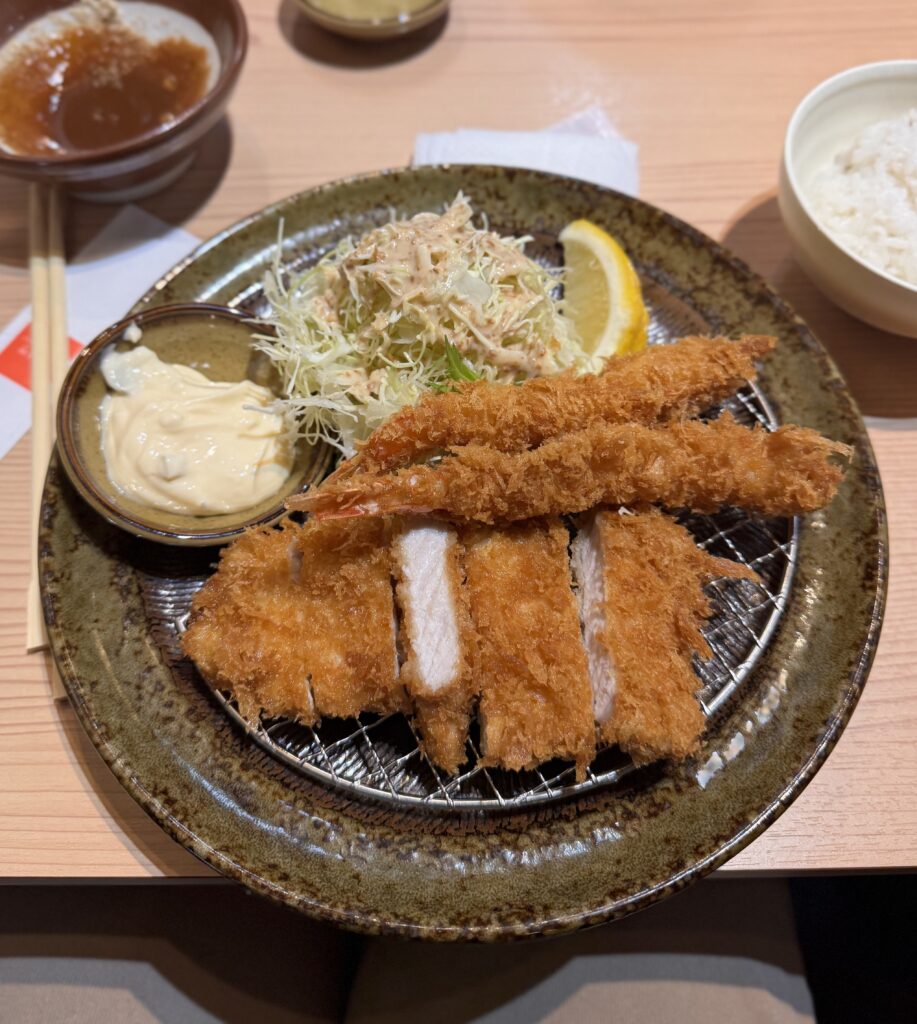
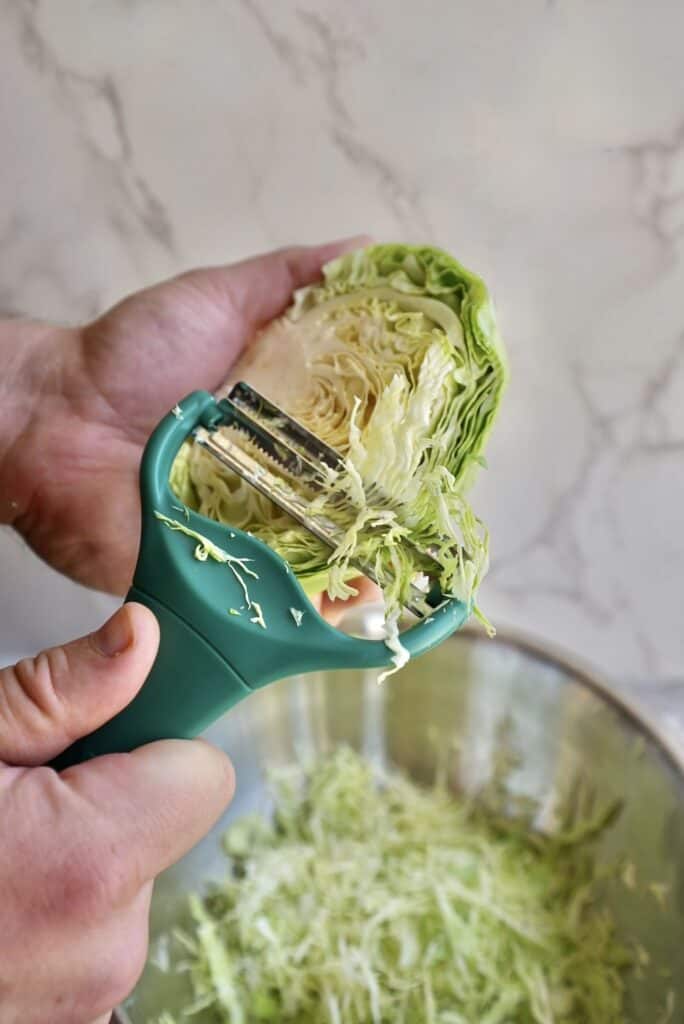
As I mentioned, goma dressing is most well-known for its use in incredible salads (especially a simple cabbage or iceberg salad), but it also doubles as a dipping sauce for veggies, a drizzle for grain bowls, a spread for sandwiches, or even a sauce for cold noodles. Once you have a jar of homemade goma dressing in your fridge, you’ll start finding excuses to use it on everything.
And honestly? I blame it for turning me into a salad dressing snob – in the best possible way.
Goma (Sesame Seed) Noodles
- Total Time: 20 minutes
Description
These refreshing goma noodles feature chilled somen noodles tossed in a creamy Japanese sesame dressing and topped with crunchy cucumbers and your favorite fresh vegetables.
Ingredients
- 4 servings noodles of choice (I used somen but udon is also amazing!)
- 1 tbsp reserved noodle water (per serving – so you would need 4 tbsp total for 4 servings)
- Optional toppings: julienned cucumbers, avocado, soft-boiled eggs, grilled chicken, tuna)
For the Goma Dressing (you can also use store-bought!)
- 1/2 cup roasted sesame seeds
- 2 cloves garlic, grated or minced
- 1/3 cup Kewpie mayonnaise (add more for a creamier dressing consistency)
- 3 tbsp rice vinegar
- 3 tbsp soy sauce
- 1 tbsp sugar
- 1 tbsp toasted sesame oil
Instructions
- Place the sesame seeds in a dry skillet over medium heat and toast until golden brown, about 6-8 minutes, stirring frequently to prevent burning.
- Transfer the toasted seeds to a suribachi and crush them with a surikogi (or use a mortar and pestle, or place them in a ziplock bag and crush with a rolling pin) until fragrant and partially broken down.
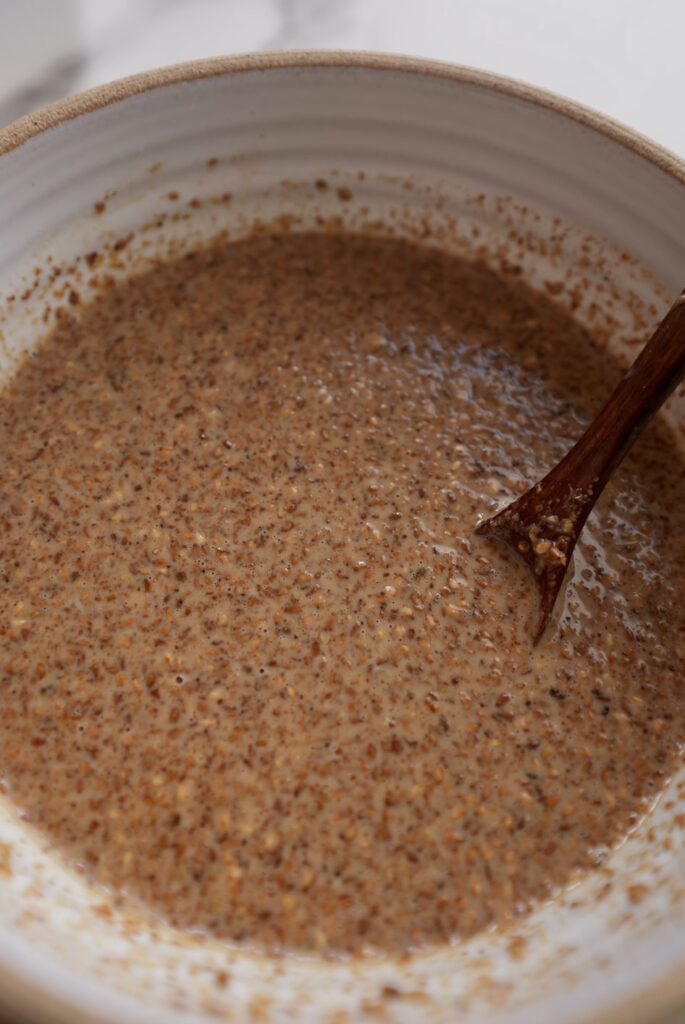
- In a separate bowl, combine the crushed sesame seeds with the garlic, Kewpie mayonnaise, rice vinegar, soy sauce, sugar, and sesame oil. Whisk until smooth and well combined. Add to a bottle or jar and shake well before use.
- Bring a large pot of water to a boil and cook your noodles according to the package instructions. Somen works great for a light and refreshing dish, while udon makes for a heartier meal.
- Before draining the noodles, reserve 1 tablespoon of the noodle cooking water. Drain the noodles and rinse under cold water until completely cooled.
- Divide the goma dressing among four serving bowls. Add the chilled noodles on top, followed by your desired toppings such as julienned cucumber, avocado, soft-boiled eggs, grilled chicken, or tuna.
- Just before eating, toss everything together until the noodles and toppings are evenly coated in the sesame dressing.
- Serve immediately and enjoy! These noodles are especially delicious chilled, making them perfect for warm weather lunches, easy dinners, or meal prep throughout the week.
- Prep Time: 15 minutes
- Cook Time: 5 minutes
Nutrition
- Serving Size: 4-5



0 Comments