
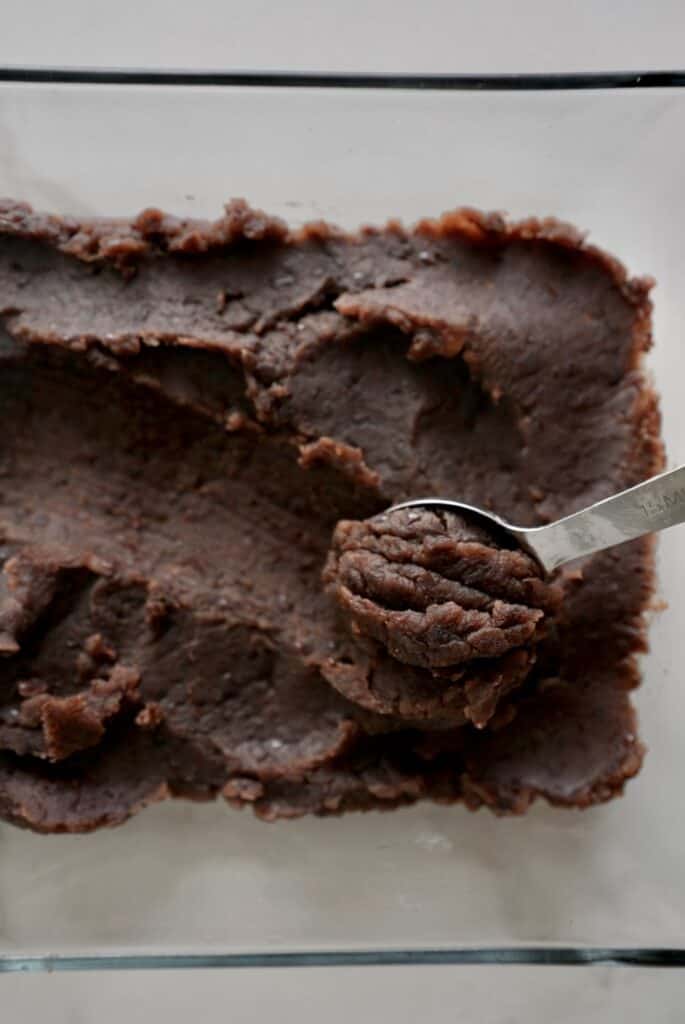
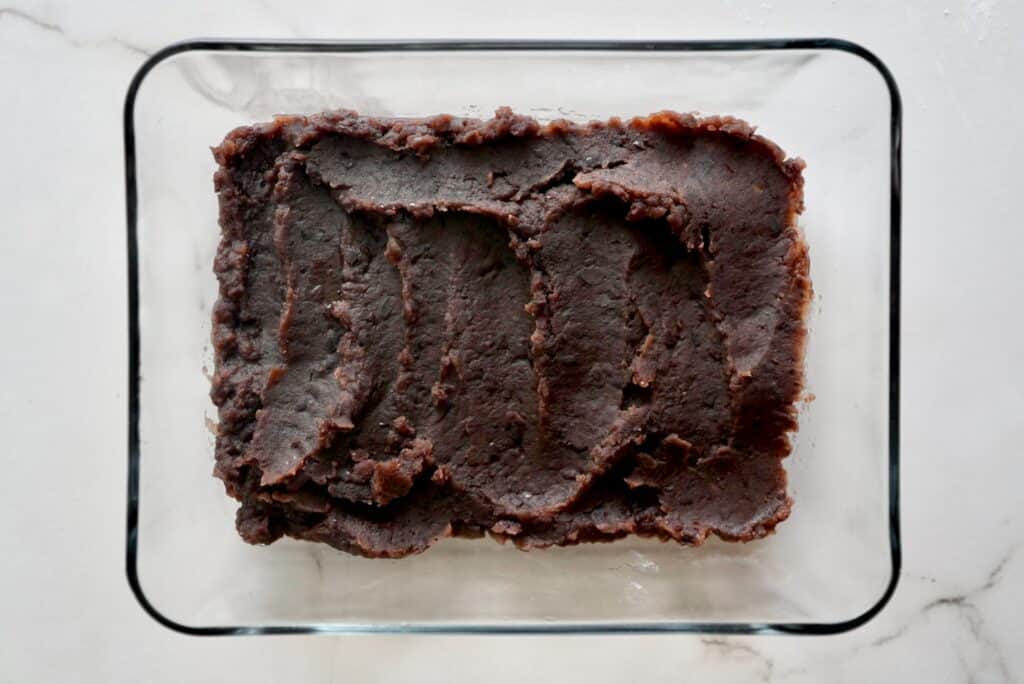
Homemade anko (Japanese red bean paste) is an ingredient in Japanese cuisine that is traditional yet surprisingly versatile once you start working with it. Made from simmered adzuki beans, sugar, and a pinch of salt, it has a gentle sweetness and an earthy depth that’s very different from Western desserts.
The process itself is simple: simmer the beans, adjust the texture to your preference, and sweeten them. As far as texture you goes, you can prepare it smooth (known as koshian in Japanese) or slightly chunky (tsubuan). I love making it from scratch because you can control the sweetness and consistency to fit exactly how you want to use it.
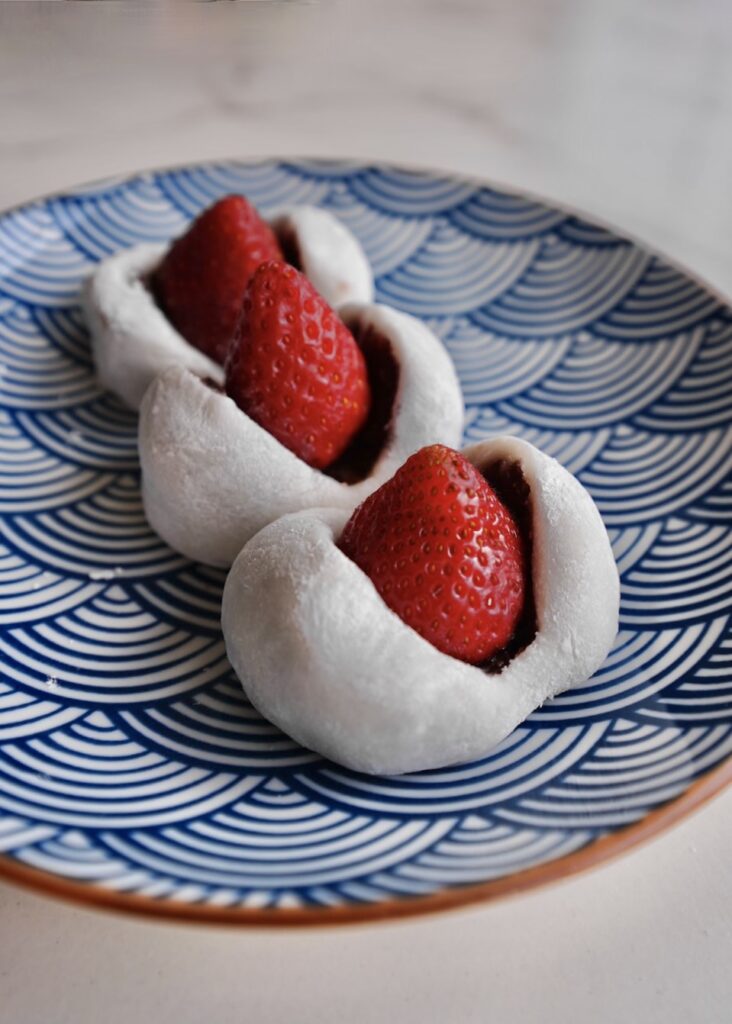
Anko can be a bit of a controversial ingredient, especially among people who didn’t grow up with it. It’s one of those foods that people tend to either love or immediately write off. I think a lot of that comes down to expectation. If you’re used to desserts being rich, buttery, or chocolate-forward, the subtle, earthy sweetness of red beans can feel unexpected at first. For me, though, it really depends on how it’s served. One of my favorite ways to enjoy it is in Ichigo Daifuku. It’s a dessert made of soft mochi, juicy strawberries, and anko. They come together in a way that just works so well! Every single person I know that doesn’t like anko loves Ichigo Daifuku.
So how do you make it? Let’s dive in!
What Are Aduzki Beans?
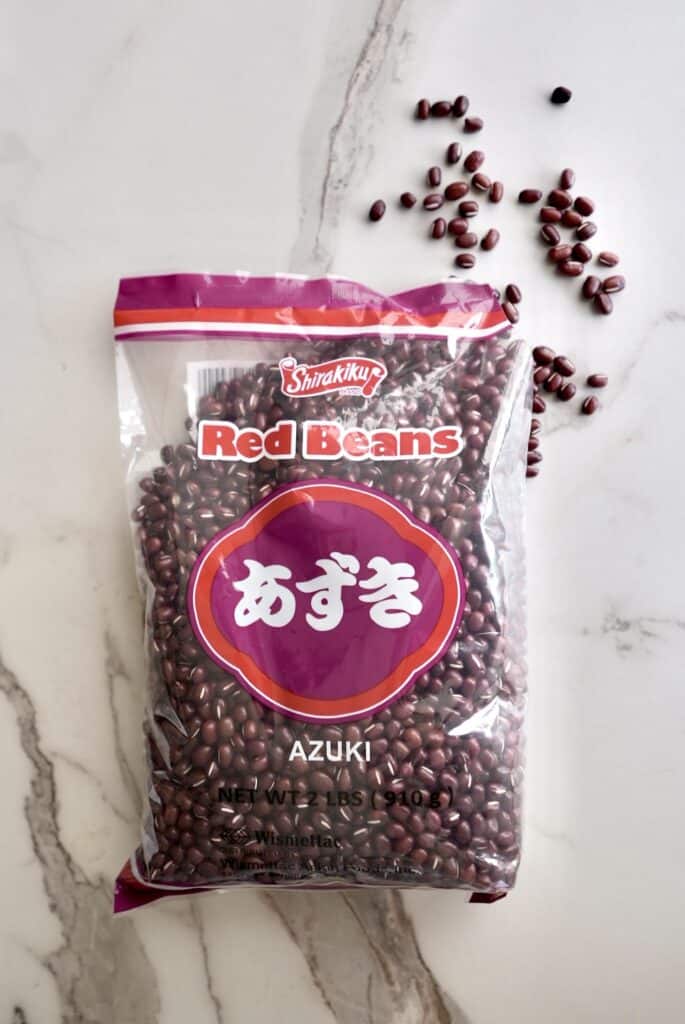
Red beans, commonly known as adzuki beans, are small, reddish-brown legumes widely used in East Asian cooking, especially in Japan. Despite their name, they aren’t actually “beans” in the culinary sense of green beans or snap beans, but rather a type of pulse that grows in pods, similar to lentils or chickpeas. They have a naturally mild, slightly nutty and earthy flavor. When cooked, they soften into a creamy texture that can be used in both sweet and savory dishes, though they are most famously used in Japanese desserts.
In Japanese cuisine, red beans are best known as the base for anko, or sweet red bean paste. What makes adzuki beans unique compared to other legumes is their ability to hold a subtle sweetness and their soft, almost dessert-like quality once cooked. That’s why they’ve been a staple in traditional Japanese sweets for centuries.
Ingredients:
- Red Beans (Adzuki Beans): The base of anko, these small beans have a naturally earthy, slightly nutty flavor and soften into a creamy texture when cooked
- Sugar: Provides the primary sweetness and helps create that classic smooth, jam-like consistency
- Brown Sugar: Adds a deeper, more caramel-like richness that gives the anko more dimension
- Dash of Salt: Enhances the sweetness and balances the overall flavor so it doesn’t taste flat
- Water: Used to cook and soften the beans, allowing them to break down and form the paste consistency
Ways to Enjoy Anko:
- Daifuku: Soft mochi filled with anko (classic or with fruit like strawberry)
- Dorayaki: Fluffy pancakes sandwiched with red bean paste
- Toast Topping: Spread on buttered toast (surprisingly good)
- Anpan: Soft Japanese bread filled with anko
- Taiyaki: Fish-shaped waffle pastry with warm red bean filling
- Oshiruko / Zenzai: Warm red bean soup with mochi
- Ice Cream Pairing: Served alongside vanilla ice cream
- Yokan: Firm, sliceable red bean jelly
- Dango Topping: Skewered rice dumplings topped with anko
- Pastry Filling: Use in cakes, buns, or even croissant-style bakes
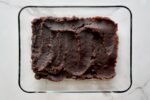
Homemade Anko (Japanese Red Bean Paste)
- Total Time: 2 hours 15 minutes
Description
A simple, traditional sweet bean paste made from adzuki beans, sugar, and time. Perfect for mochi, desserts, and Japanese sweets.
Ingredients
- 1 cup red beans (adzuki beans)
- 1/2 cup sugar
- 2 tbsp brown sugar
- Pinch of salt
- Water (for soaking and cooking)
Instructions
- Place the beans in a large pot, cover with water, and bring to a boil. Drain and discard the water. This step helps remove bitterness and improves the final flavor.
- Place the beans back to the pot and cover with water by about 3 inches. Simmer for about 1.5 to 2 hours. You can also soak the red beans in water overnight (or for at least 8-12 hours) to help soften them and reduce cooking time to 30 minutes to 1 hour.
- Keep an eye on the beans and add water as needed to ensure that they are fully submerged at all times. Simmer until the beans are completely soft and easily mashed.
- Once the beans are soft, drain the excess water, leaving 1/2 cup of the water.
- Transfer the beans to a food processor and blend until smooth, or pulse lightly if you prefer a chunkier texture.
- Return the blended beans to the pot and add sugar, brown sugar, and a dash of salt. Cook over low heat, stirring frequently, until the mixture thickens and becomes glossy. You want the paste to be slightly malleable but still hold its shape.
- Let cool completely. The anko will thicken further as it cools, becoming a soft, spreadable paste similar to thick jam. Store in the refrigerator for 5 – 7 days or freeze for longer storage.
- Prep Time: 5 minutes
- Cook Time: 2 hours 10 minutes
Nutrition
- Serving Size: 1 cup



0 Comments