
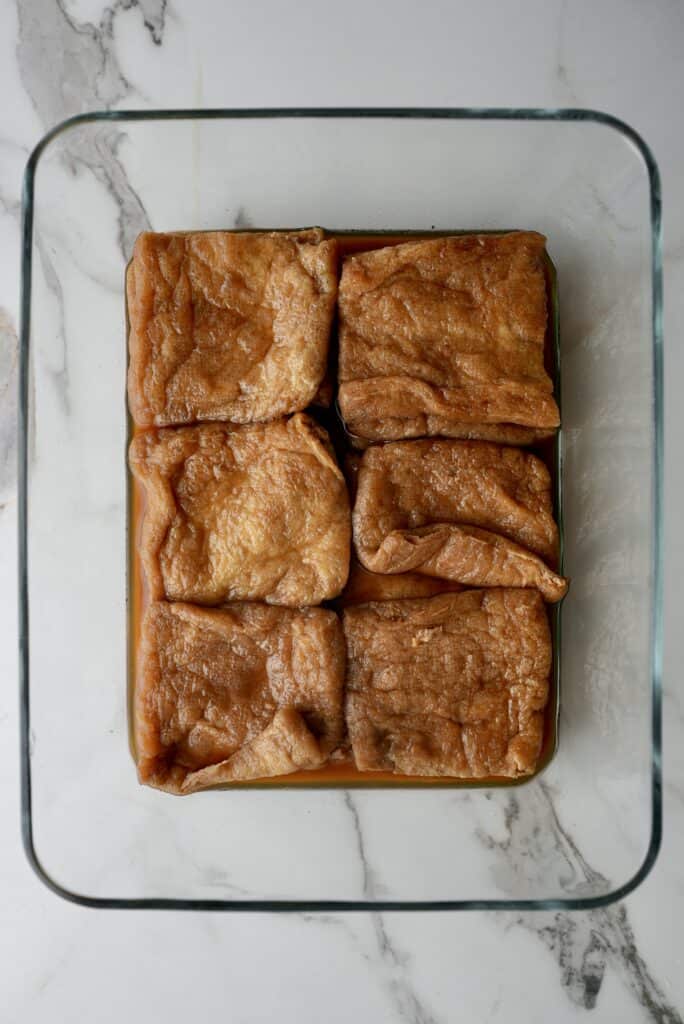
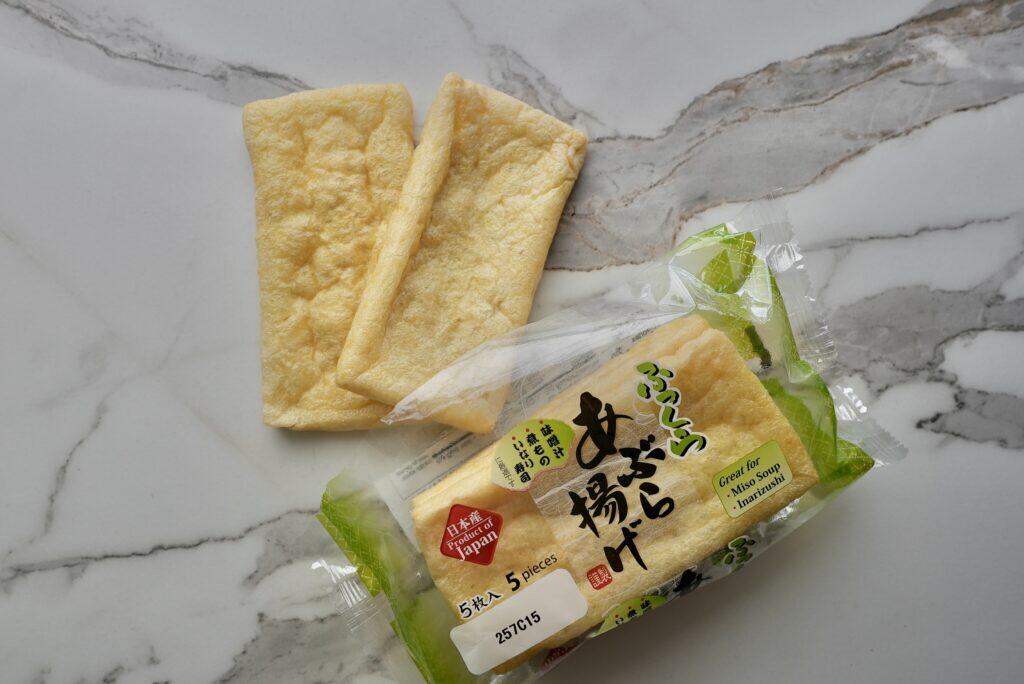
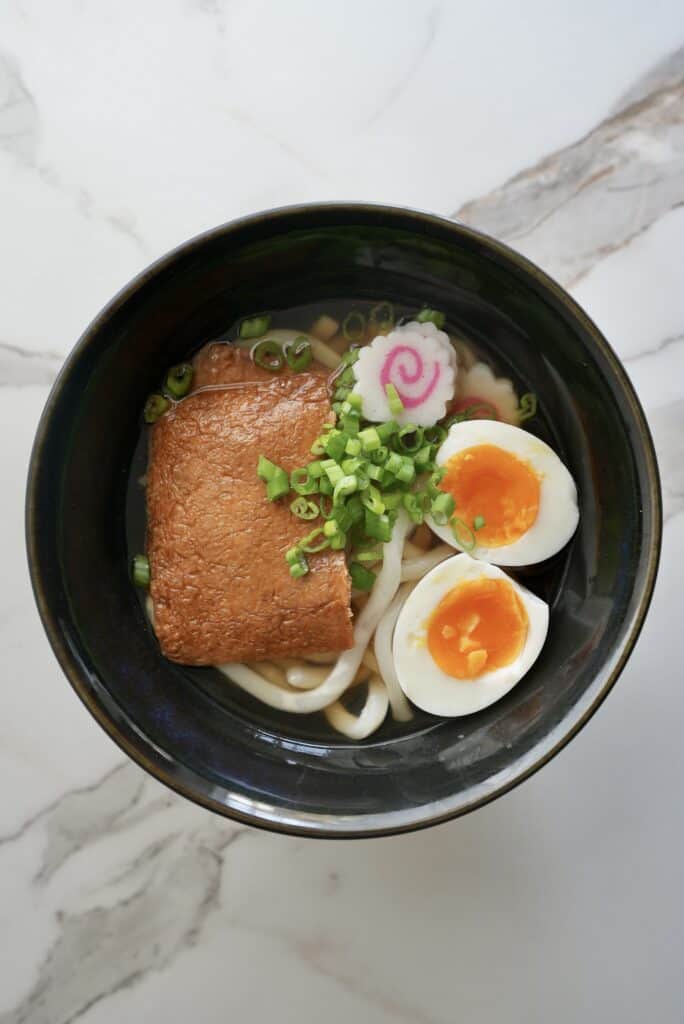
Inari-age is made from abura-age (pictured below) – thin sheets of deep-fried tofu that are simmered in a seasoned broth of soy sauce, sugar, and mirin until they become tender and flavorful. They have little pockets that are most commonly used for inarizushi, where they’re stuffed with sushi rice, but they’re also delicious chopped up in rice bowls or udon.
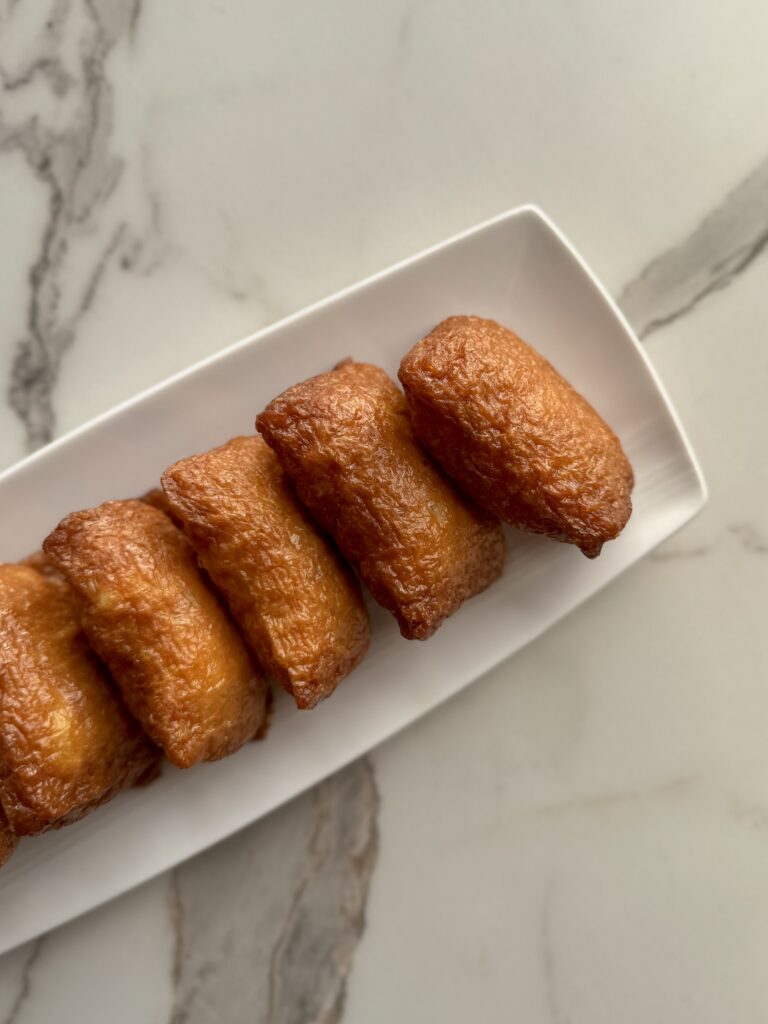
Soft, juicy tofu pockets filled with seasoned rice, soaking up that signature salty-sweet broth… it’s the kind of flavor that instantly tastes like nostalgia!
Making homemade inari-age might sound intimidating, but it’s actually super simple and worth it! The flavor is fresher, the texture is softer, and you can control exactly how sweet or savory you like it.
Why Make it From Scratch?
Store-bought versions are convenient, but homemade really hits different:
- Better texture: softer and juicier, never rubbery
- Not overly sweet like some packaged versions
- Totally customizable! You can adjust the sweetness and saltiness to your taste
- No weird preservatives, just pantry staples!
Japanese Meaning Behind Inari-Age
- Aburaage (油揚げ): Literally means “oil (abura) -fried (age)” in Japanese. It refers to thin slices of tofu that are deep-fried until puffy and golden, creating hollow pockets perfect for stuffing or simmering.
- Inari-Age (稲荷揚げ): “Inari” refers to the Shinto deity of rice and fertility, and “age” (揚げ) means fried. So inari-age are aburaage tofu pockets seasoned and simmered to be used in inari sushi or other dishes.
How to Use Inari-Age
Once your tofu pockets are ready, here are a few ways to use them:
- Inarizushi
- Chopped into rice bowls for extra flavor
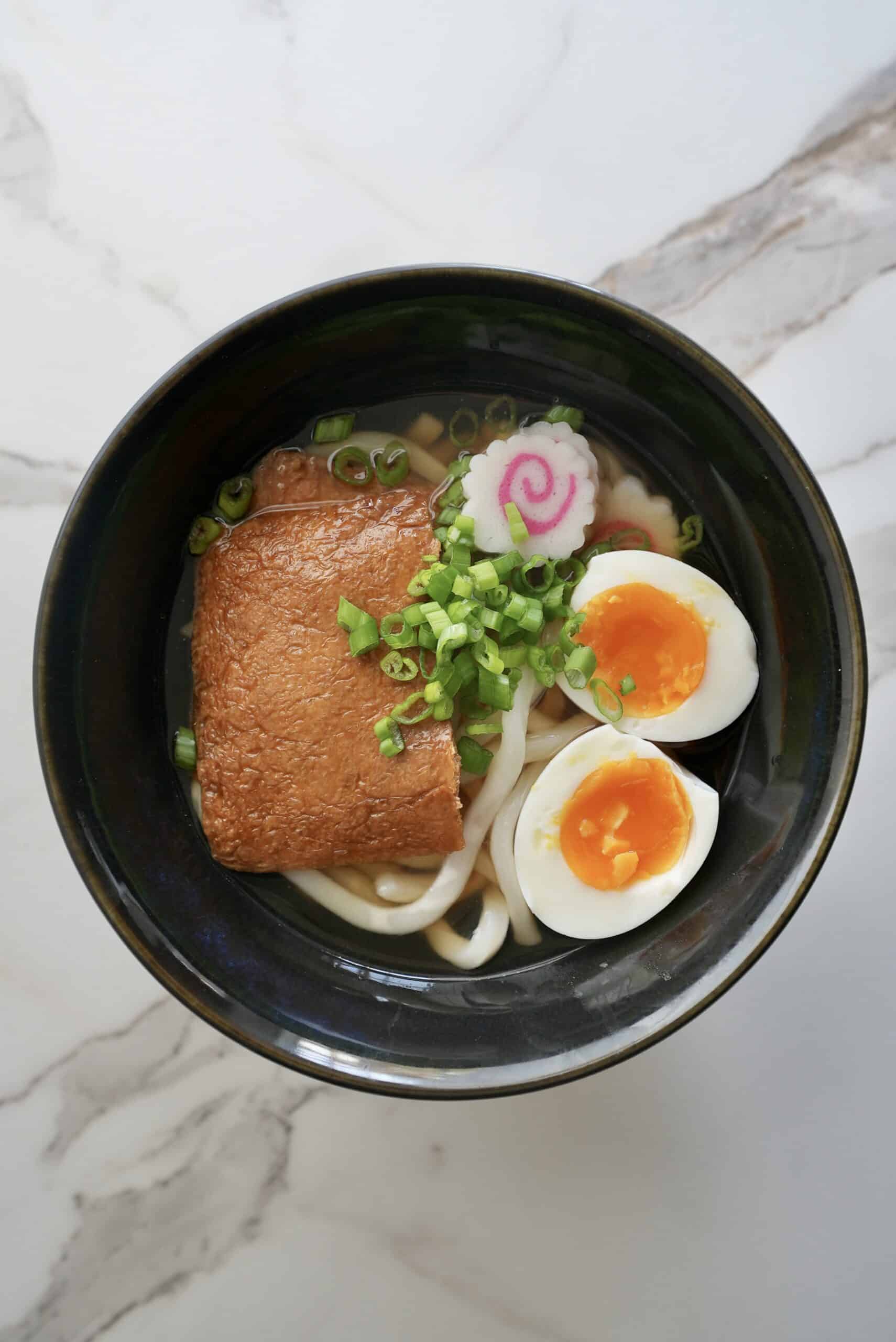
- Added to udon or soba for a comforting touch
- As a side dish on its own
Ingredients:
- Aburaage (fried tofu pockets): The base of inari-age – thin sheets of deep-fried tofu that become soft and juicy once simmered.
- Soy Sauce: Adds the savory, umami depth that balances out the sweetness.
- Sugar: Gives inari-age its signature sweetness and helps create that glossy finish.
- Mirin: A sweet Japanese rice wine that adds subtle richness and rounds out the flavor.
- Dashi: Provides a light, savory broth for simmering – dashi adds extra umami, but water works just fine.
How to Make Dashi: Japanese Cooking Stock
There are three main ways to make dashi, each with its own advantages in terms of flavor, ease, and time. I ordered them from most complex to simplest:
- Dashi from Scratch: Traditional dashi, made by simmering kombu (dried kelp) and katsuobushi (dried bonito flakes), is considered the best method. Soak the kombu in water, heat just below boiling, and add katsuobushi. This method is ideal for dishes with the purest flavor.
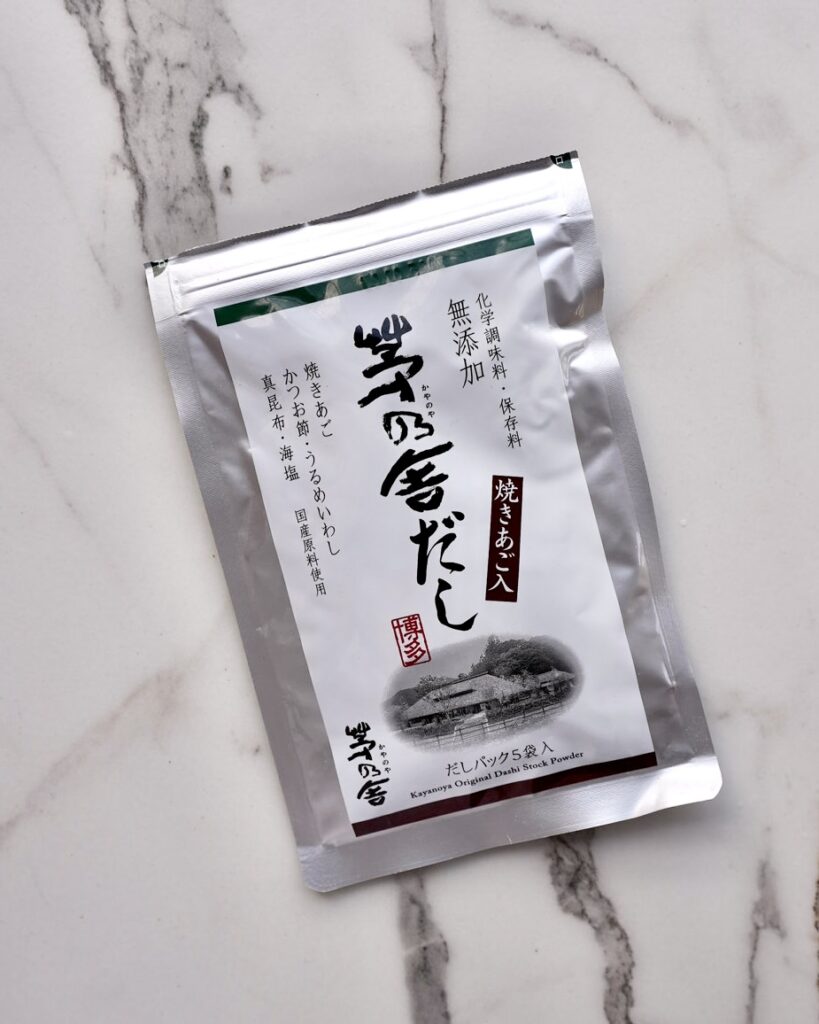
- Dashi Packets: Dashi packets, resembling tea bags, contain dried kombu, katsuobushi, and sometimes shiitake mushrooms or dried sardines. Just simmer the packet in water for a few minutes for a quick and flavorful broth. Buy dashi packets here from one of my most recommended dashi brands, Kayanoya.
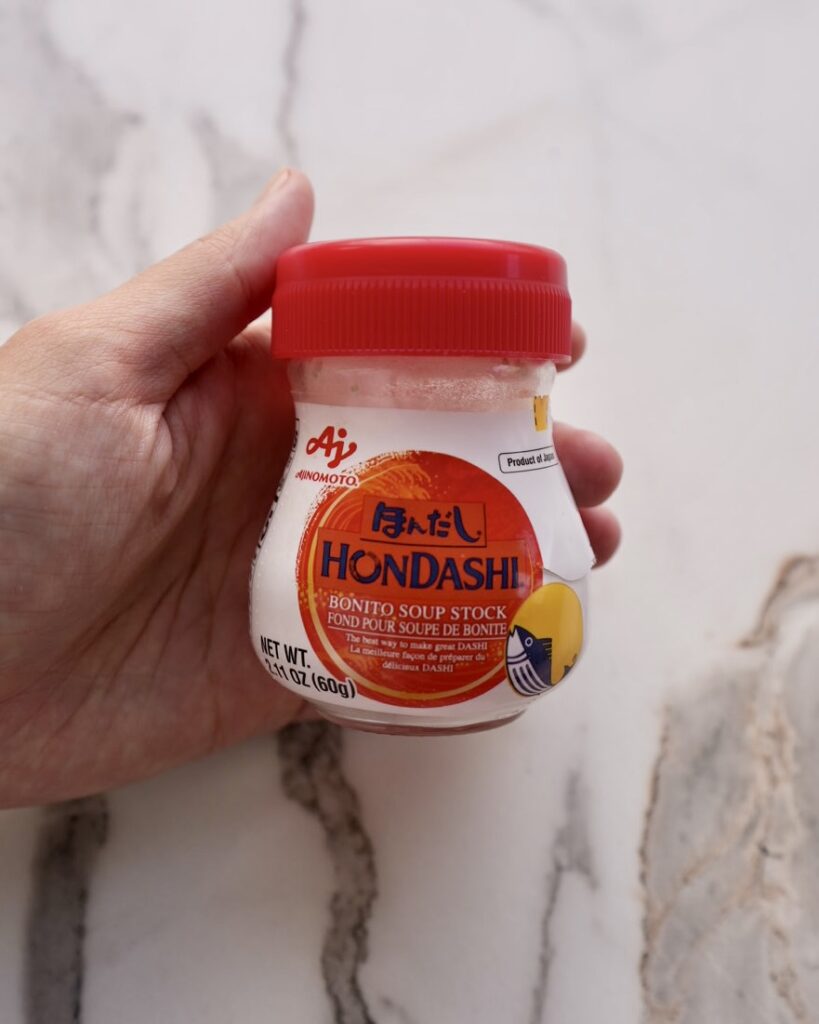
- Instant Dashi (Hondashi): Instant dashi, often called hondashi, is a granulated or powdered form of dashi. Just a spoonful dissolved in hot water creates a quick and flavorful stock. This option is convenient and ideal for busy days. Buy hondashi here.
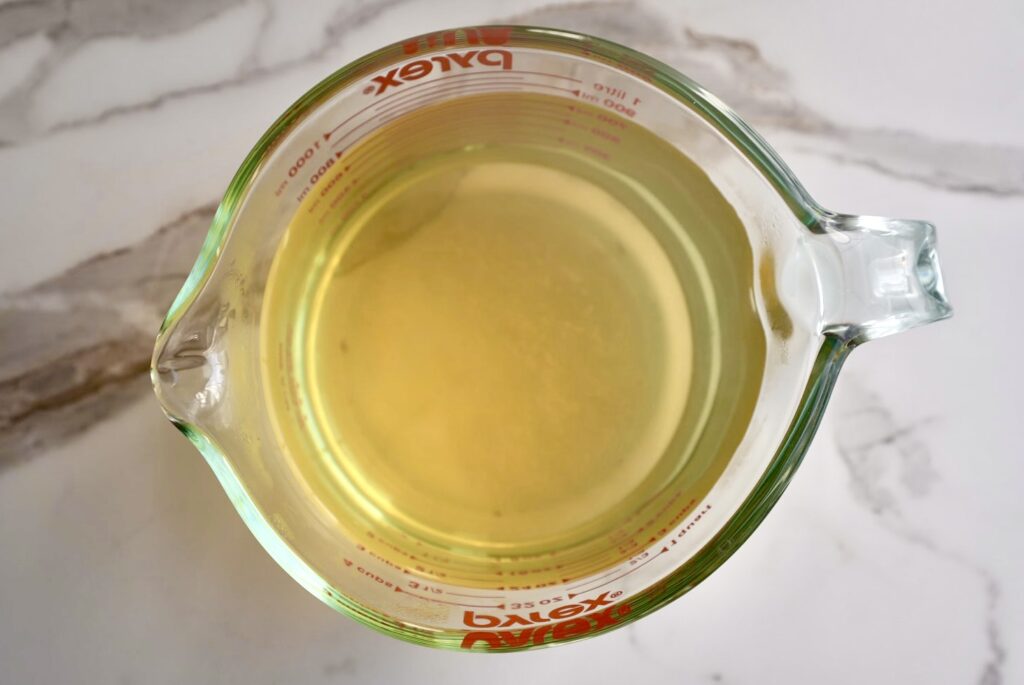
Making Dashi From Scratch
Dashi is a fundamental Japanese stock that forms the backbone of countless dishes. It provides a delicate yet deeply savory flavor known as umami.
Made traditionally from kombu (dried kelp) and katsuobushi (dried bonito flakes), dashi is prized for its ability to enhance other ingredients without overpowering them. It’s used in a wide variety of dishes, from miso soup and noodle broths to simmered vegetables, nimono, and even sauces and dressings. It’s seriously an essential component of authentic Japanese cooking. If you want to understand Japanese food + cooking, then you need to know dashi!
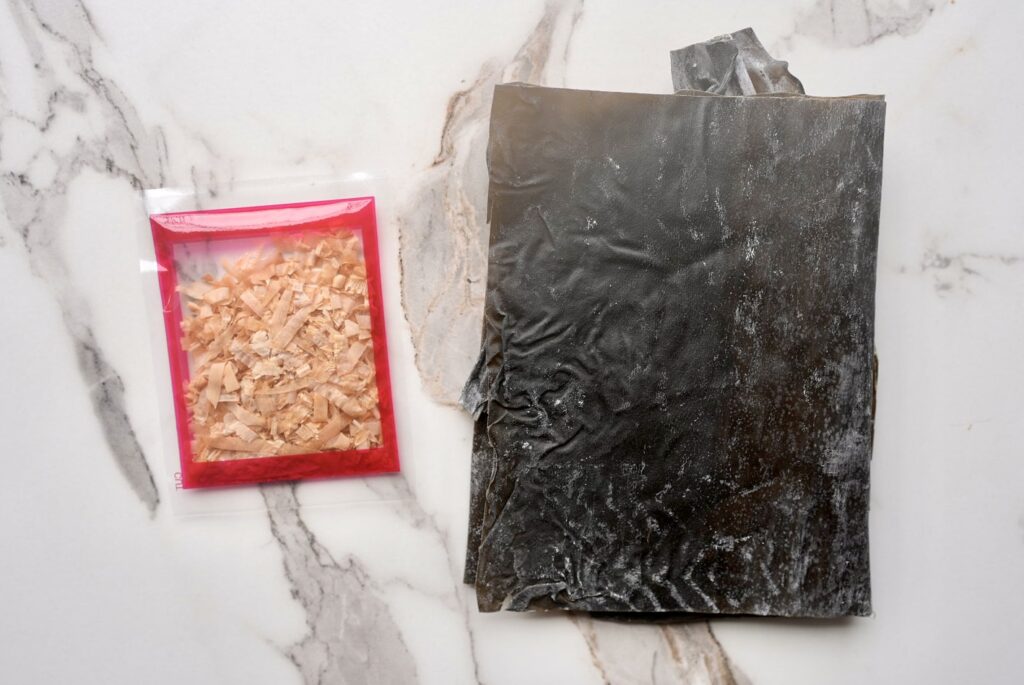
Like I mentioned above, you can use shortcuts to make dashi (which I do all the time! Making it from scratch is a little more work than I am cut out for, especially on busy days). So here’s how to make it from scratch:
- Prepare Kombu: Soak the kombu in cold water.
- Heat the Water: Slowly bring the kombu water to just below a boil.
- Remove: Take out the kombu before the water boils to prevent bitterness.
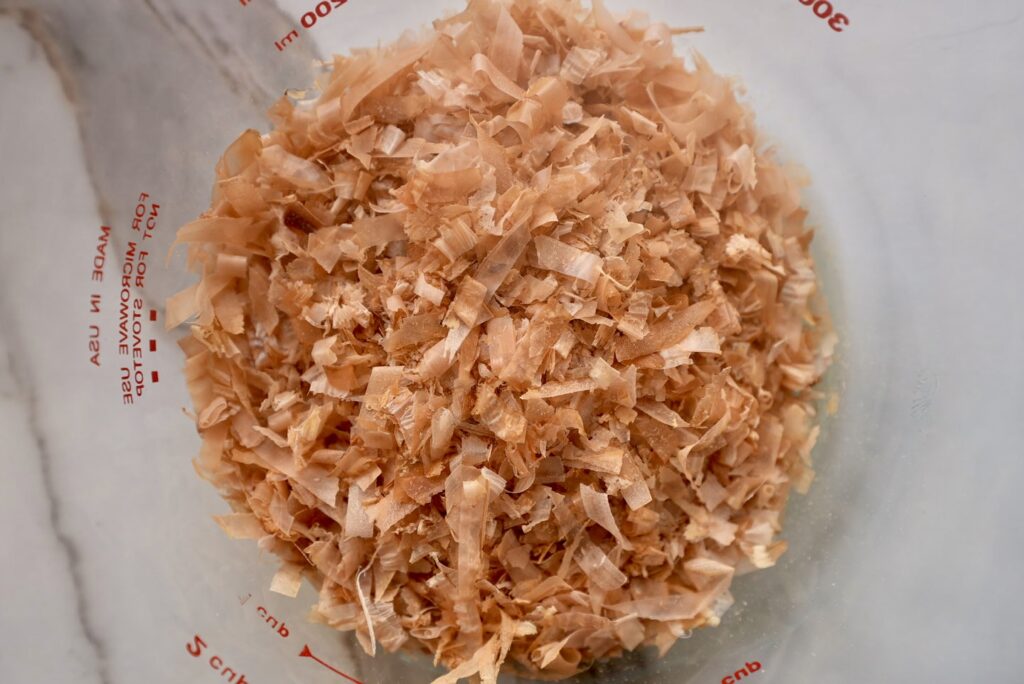
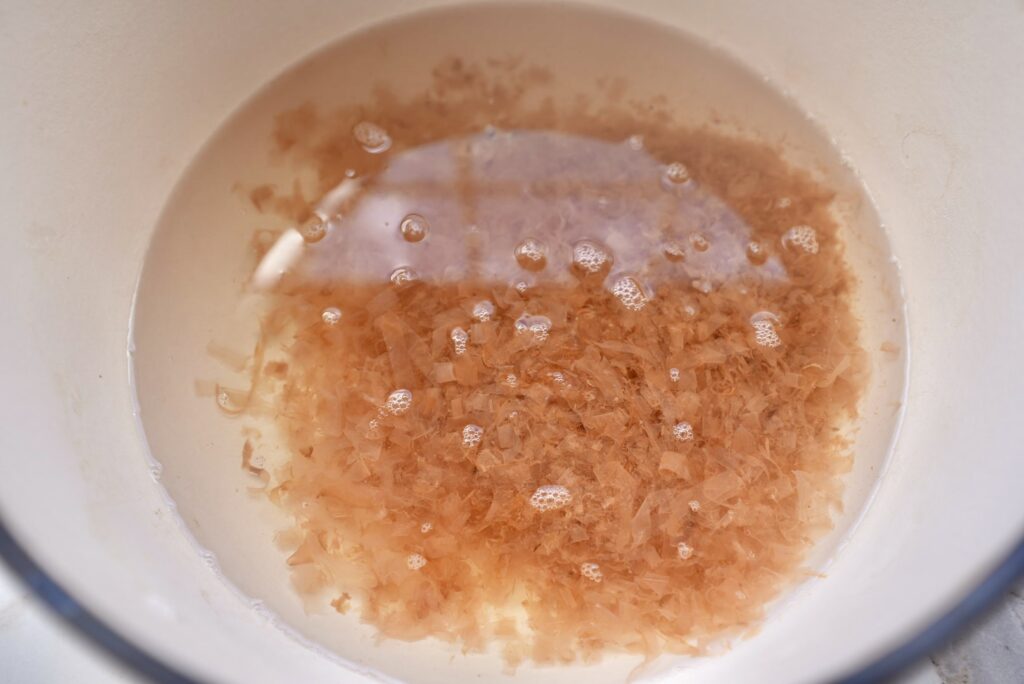
- Add Katsuobushi: Sprinkle in bonito flakes and let them steep for a few minutes.
- Strain: Remove the bonito flakes using a fine-mesh sieve.
Other Japanese Dishes That Use Dashi
Dashi is incredibly versatile and serves as the flavorful foundation for a wide variety of Japanese dishes, from everyday soups to special-occasion meals. Here is a list of some dishes that use dashi:
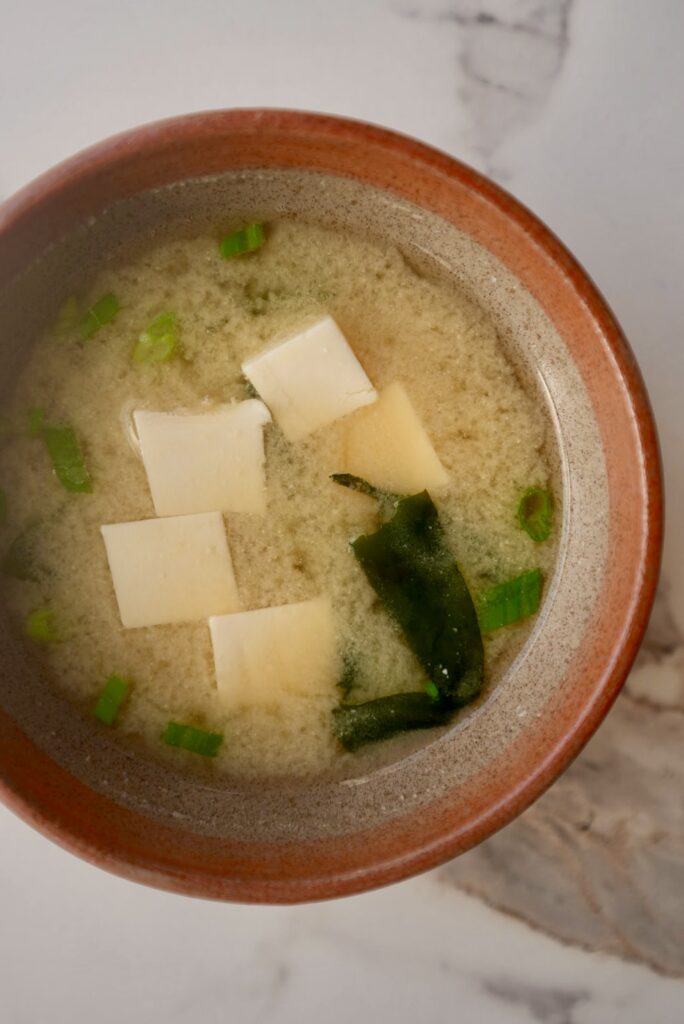
- Miso Soup
- Toshikoshi Soba
- Udon Noodle Soup
- Oyakodon
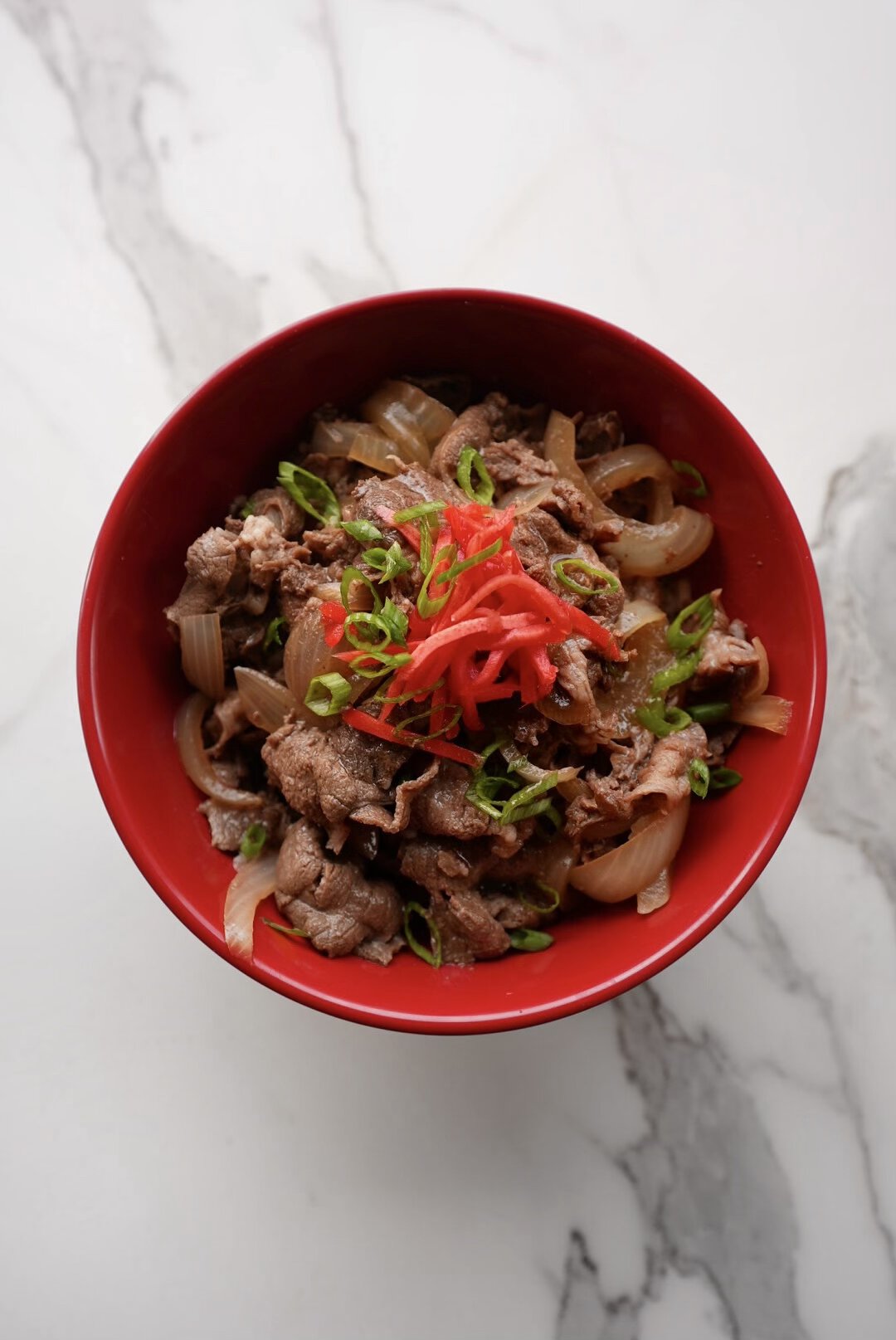
- Gyudon
- Katsudon
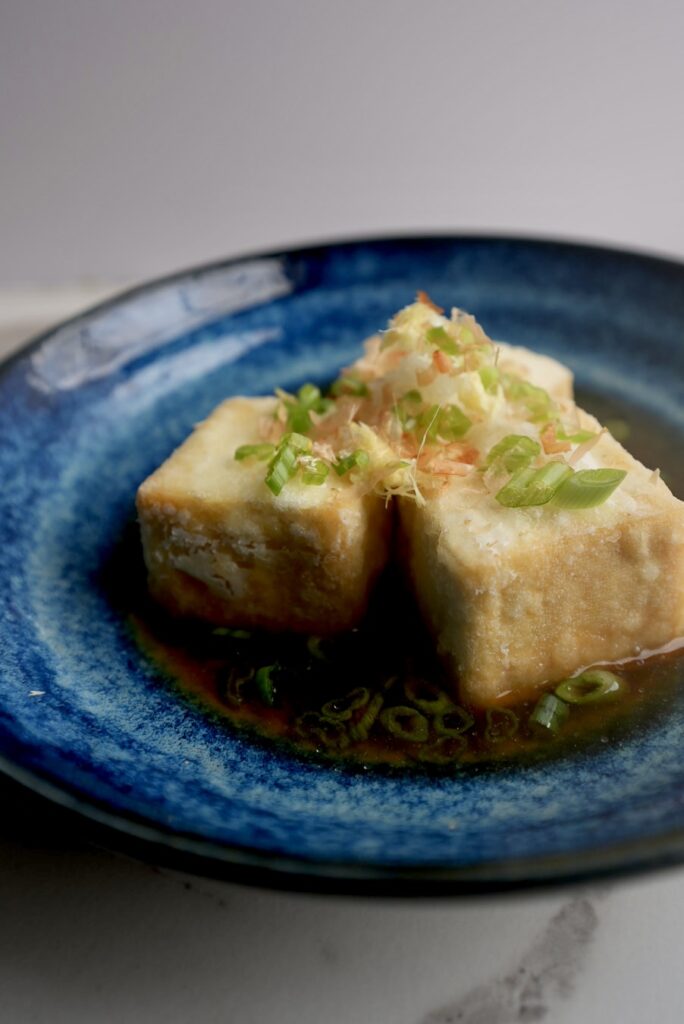
- Agedashi Tofu
- Curry Udon
- Nikujaga
- Toshikoshi Soba
Homemade Inari-Age
- Total Time: 35 minutes
Description
Aburaage simmered in a sweet-savory dashi and soy-based broth.
Ingredients
Instructions
- Cut each piece of aburaage in half to create pockets.
- Bring a large pot of water to a boil. Add the aburaage and simmer for 1 – 2 minutes to remove excess oil. Drain and let cool slightly.
- In a pan or pot, combine the dashi, soy sauce, mirin, and sugar. Bring to a gentle simmer, stirring to dissolve the sugar. Be careful not to boil! That can take away the dashi’s flavor.
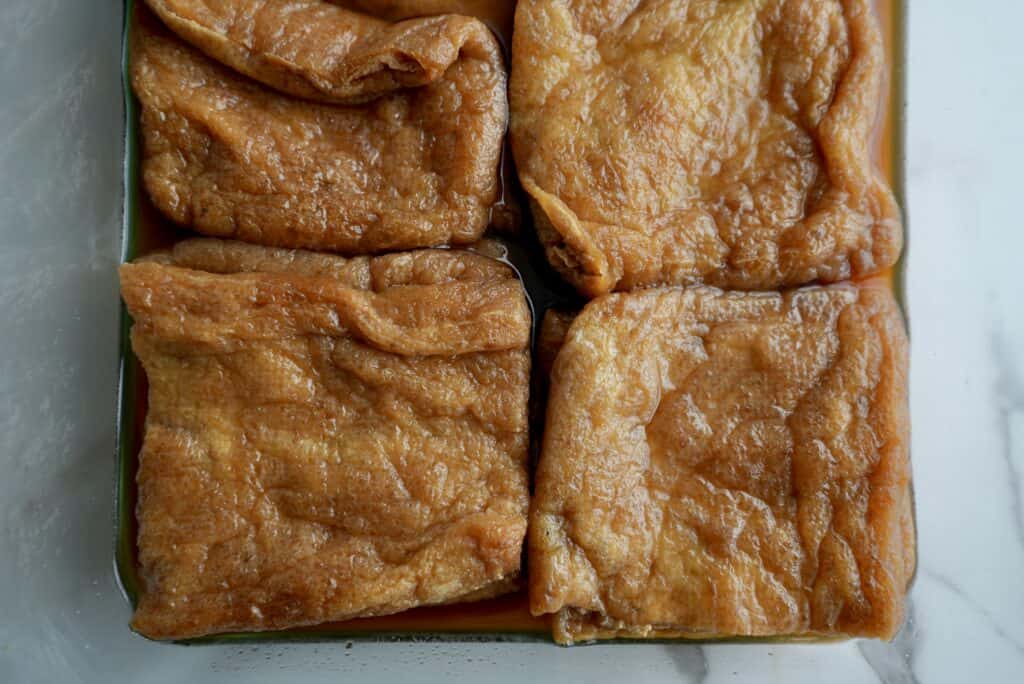
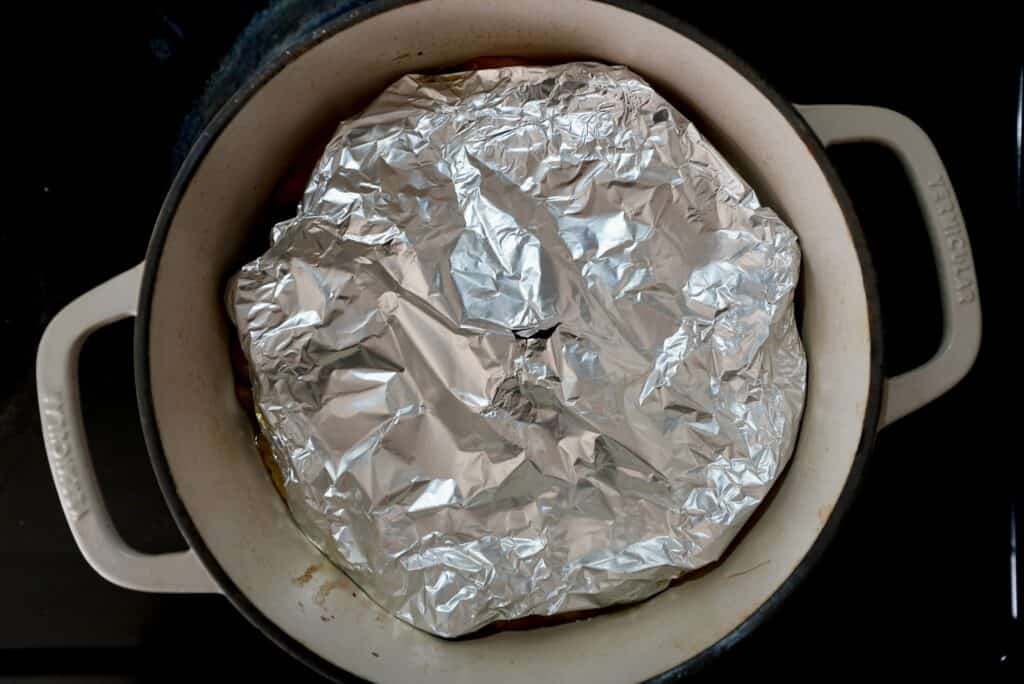
- Add the aburaage in a single layer. Place an otoshibuta (drop lid) or a piece of aluminum foil (with a hole poked in the middle) directly on top of the tofu. This keeps the aburaage submerged so it absorbs the seasoning evenly.
- Simmer on low heat for 25 minutes, flipping once if needed, until the liquid reduces (but not completely).
- Remove from heat and let the inari-age cool in the liquid. This helps deepen the flavor and keeps them juicy. Eat immediately or store in the fridge with the remaining liquid for up to 5 days.
Notes
Store up to 5 days in the refrigerator.
- Prep Time: 5 minutes
- Cook Time: 30 minutes
Nutrition
- Serving Size: Makes 20



0 Comments