
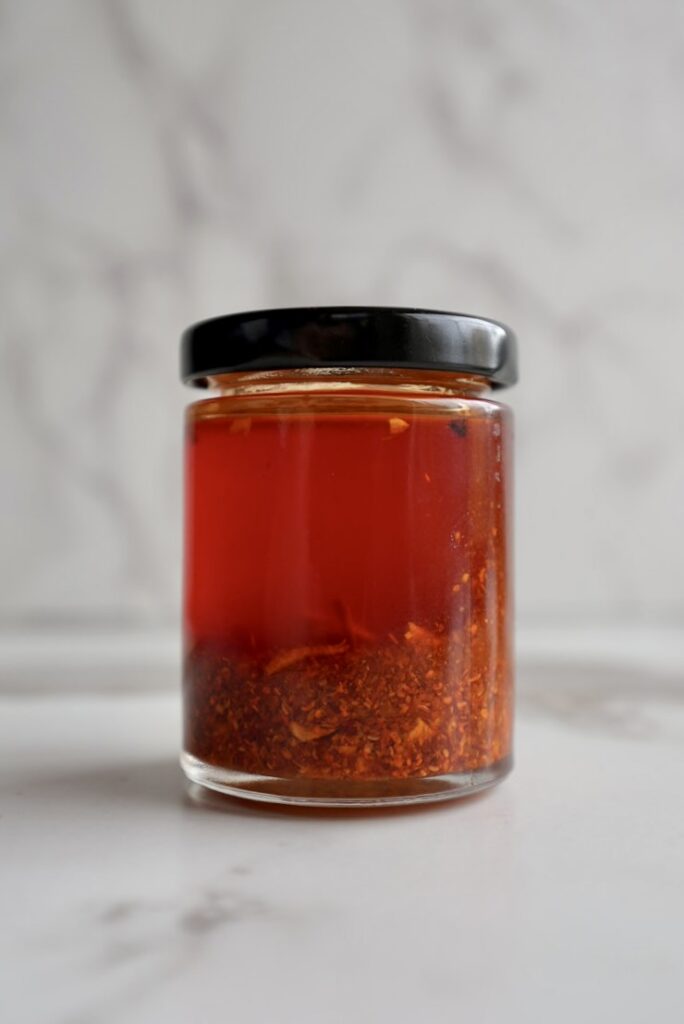
I grew up eating rayu all the time – drizzled over ramen, spooned onto fried rice, into dipping sauce for gyoza, and added to hot pot for an extra kick. It was always on the table or in the cupboards. A small bottle packed with big flavor!
Rayu (Japanese chili oil) Rayu (ラー油) is Japanese chili oil made by infusing oil – usually sesame oil – with dried chili peppers and aromatics. Unlike some chili oils that are intensely spicy, rayu is typically more balanced and fragrant, infused with ingredients like dried chili peppers, sesame oil, garlic, and sometimes ginger. That said, I like mine a little more on the spicier side, so feel free to adjust my recipe to your liking!
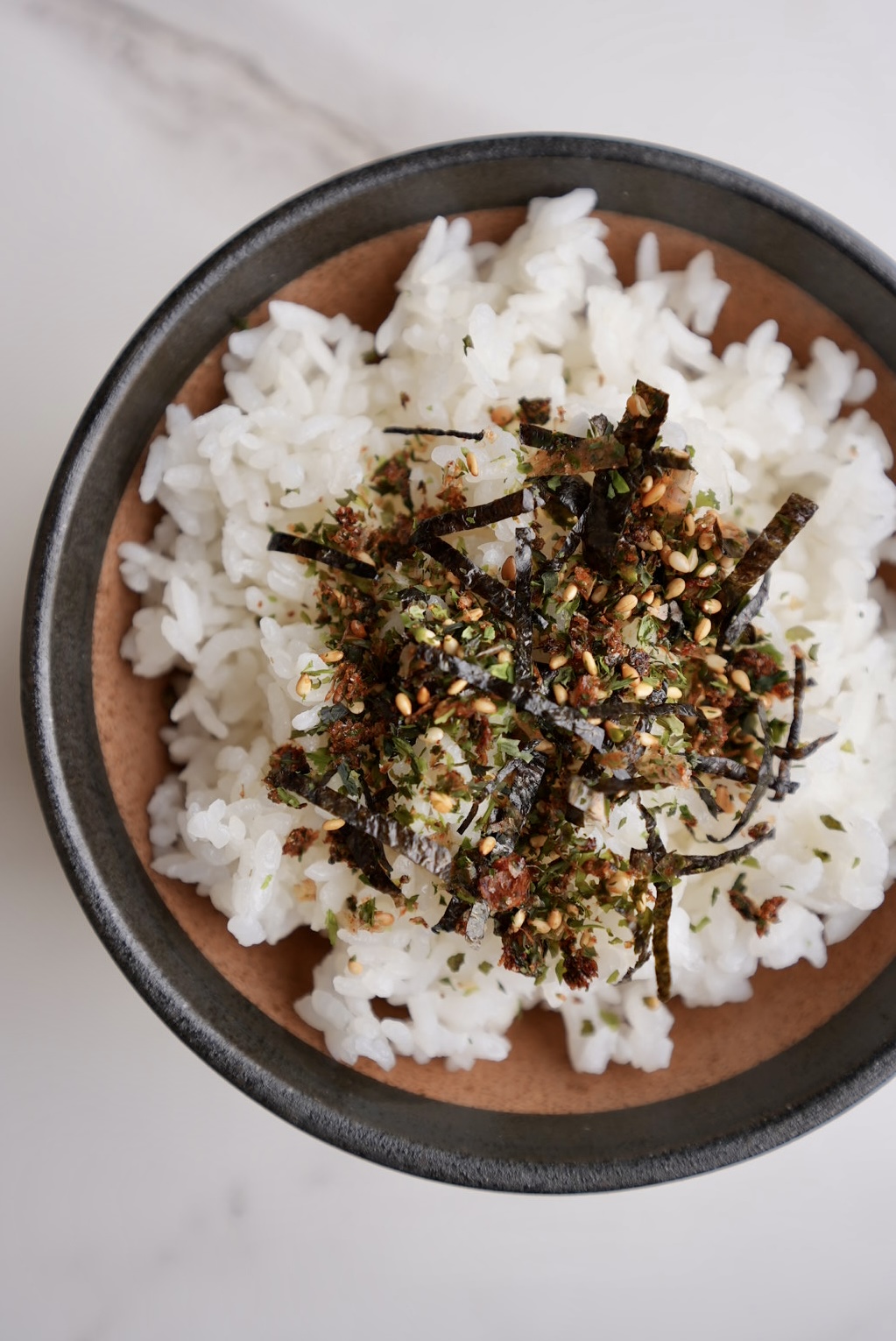
What makes rayu special is its versatility. It can be stirred into broths, mixed with soy sauce and vinegar for a dipping sauce, or spooned directly over rice with a jammy egg. It enhances without overpowering, complementing savory flavors rather than masking them.
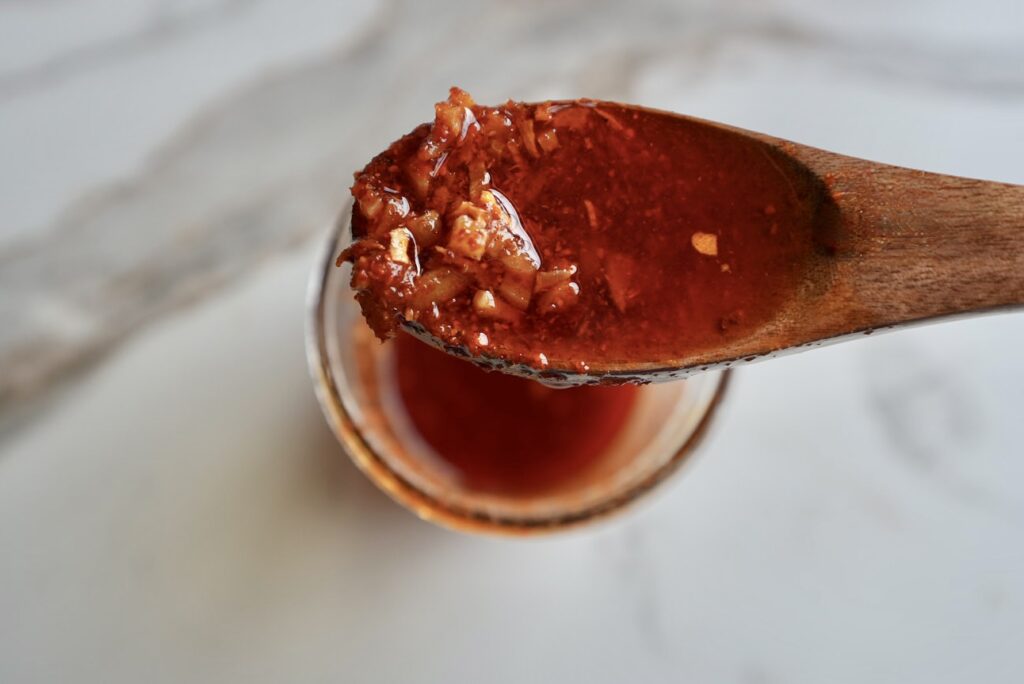
How to Make Rayu
Traditionally, rayu is flavored with ingredients like garlic, ginger, and leeks. The sesame oil gives it a nutty base, while the chilies add warmth and a subtle smokiness. Compared to other chili oils, rayu is typically smoother and more balanced, designed to enhance dishes without overpowering them.
It’s commonly used as a finishing oil – drizzled over ramen, mixed into dipping sauces for dumplings, stirred into soups, or spooned over rice and tofu. All that said, you can change up the rayu depending on what you like. Want is spicier? Add more pepper powder. Want it crunchy? Add crispy garlic bits (which I do in this recipe, but I’ll explain how to omit that as well).
- Thinly slice ginger, roughly chop garlic, and slice the green part of Japanese leek.
- Heat neutral oil and sesame oil over medium-low and infuse with the aromatics (garlic, ginger, and leek) until fragrant and lightly golden.
- Pour hot oil over ichimi togarashi (or gochugaru) and salt, stirring to combine.
- Finish with a drizzle of sesame oil.
- Store in an airtight container in the refrigerator for up to 6 months.
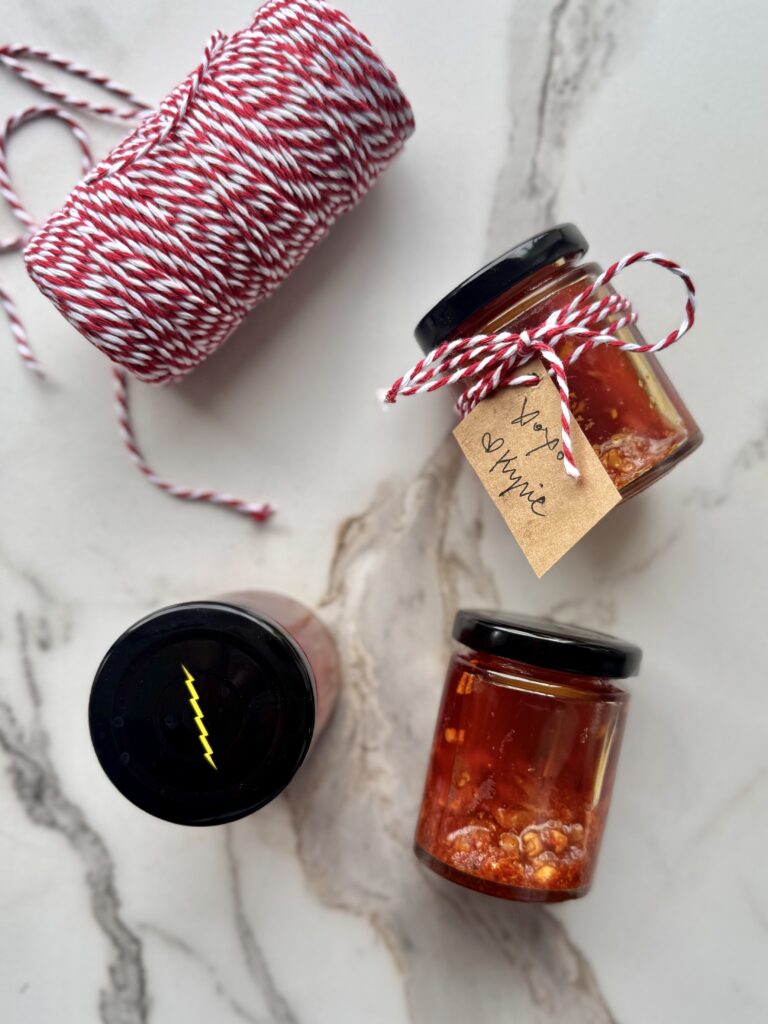
Ingredients:
- Neutral Oil: Serves as the main carrier for flavors; a mild oil ensures the garlic, ginger, and chili flavors shine without adding competing taste.
- Sesame Oil: Adds a rich, nutty aroma and depth; also helps carry the spice of the chili.
- Garlic: Provides pungent, savory aroma; infuses the oil with its characteristic flavor.
- Ginger: Adds a warm, slightly spicy note; thin slices ensure quick, even infusion without bitterness.
- Japanese Leek: Contributes mild onion-like sweetness and subtle herbal aroma.
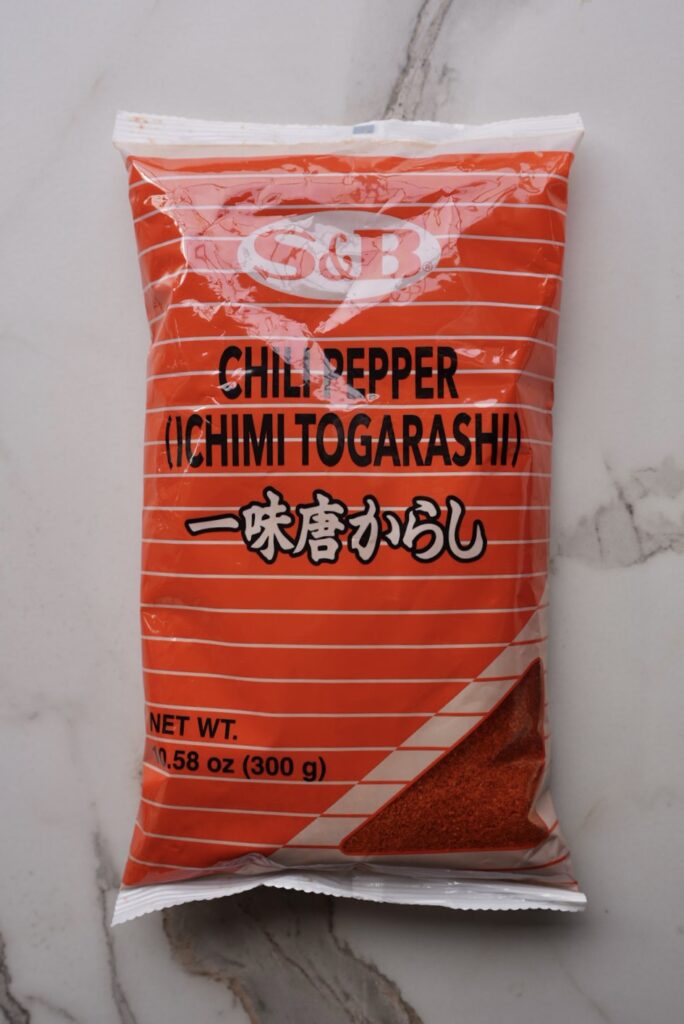
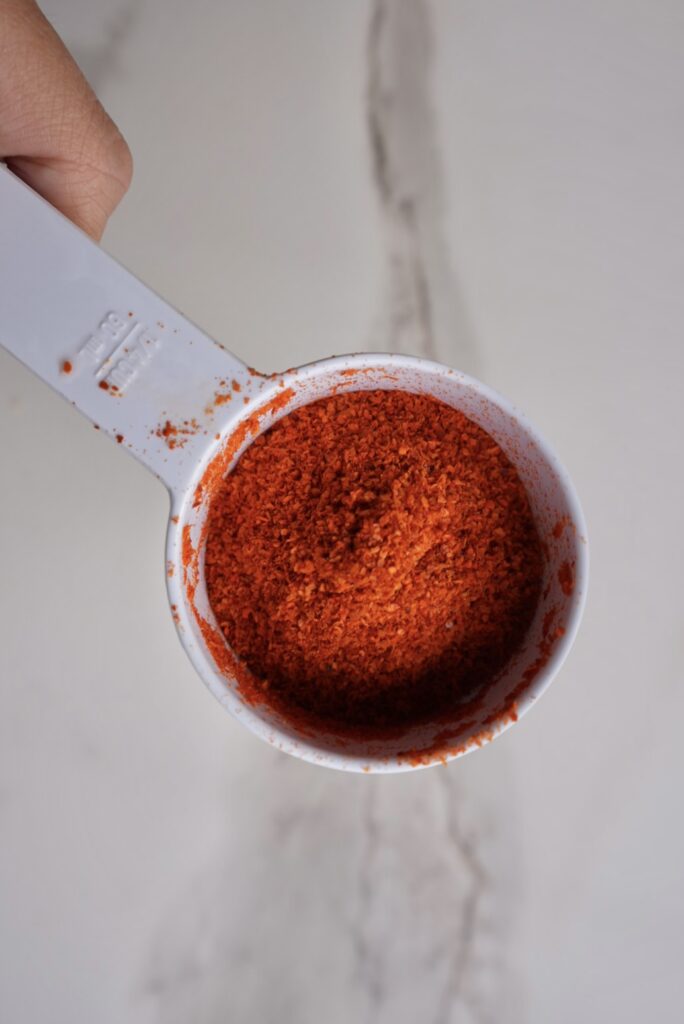
- Ichimi Togarashi: The primary source of heat and color; ichimi gives bright spiciness.
- Salt: Enhances all flavors; added after pouring the oil to prevent drawing out too much moisture from aromatics during cooking.
Homemade Rayu (Japanese Chili Oil) Recipe
- Total Time: 10 minutes
Description
Rayu is a Japanese chili oil made by infusing oil with dried chili pepper powder – often along with garlic, sesame oil, and spices – creating a fragrant, mildly spicy condiment commonly drizzled over ramen, gyoza, and rice dishes.
Ingredients
- 1/3 cup neutral oil
- 1/3 cup sesame oil (plus more for finishing)
- 6 cloves garlic, roughly chopped (for a non-crunchy rayu, just thinly slice the garlic)
- 3 thin slices ginger (~2 inches long with 1 – 2 mm thickness)
- 1 Japanese leek (green part only), cut into large chunks (substitute green onions)
- 3 tbsp ichimi togarashi (substitute with gochugaru)
- 1 tsp salt
Instructions
- In a small saucepan, combine the neutral oil, sesame oil, garlic, ginger, and Japanese leek.
- Heat gently over medium-low heat until the garlic and ginger are fragrant and lightly golden, taking care not to burn. With a pair of tongs, remove the ginger and leek. For a non-crunchy rayu, remove the garlic as well.
- Remove from heat. Pour the hot oil over a bowl containing the ichimi togarashi and salt. Finish with a small drizzle of sesame oil.
- Transfer to an airtight container or jar(s) and store in the refrigerator for up to 6 months.
Notes
Store in the refrigerator in an airtight container or jar(s) for up to 6 months.
- Prep Time: 5 minutes
- Cook Time: 5 minutes



0 Comments