
Dashi is the backbone of Japanese cooking and one of the main reasons Japanese food tastes so deeply savory yet clean and light. It does a lot of the heavy lifting in Japanese dishes!
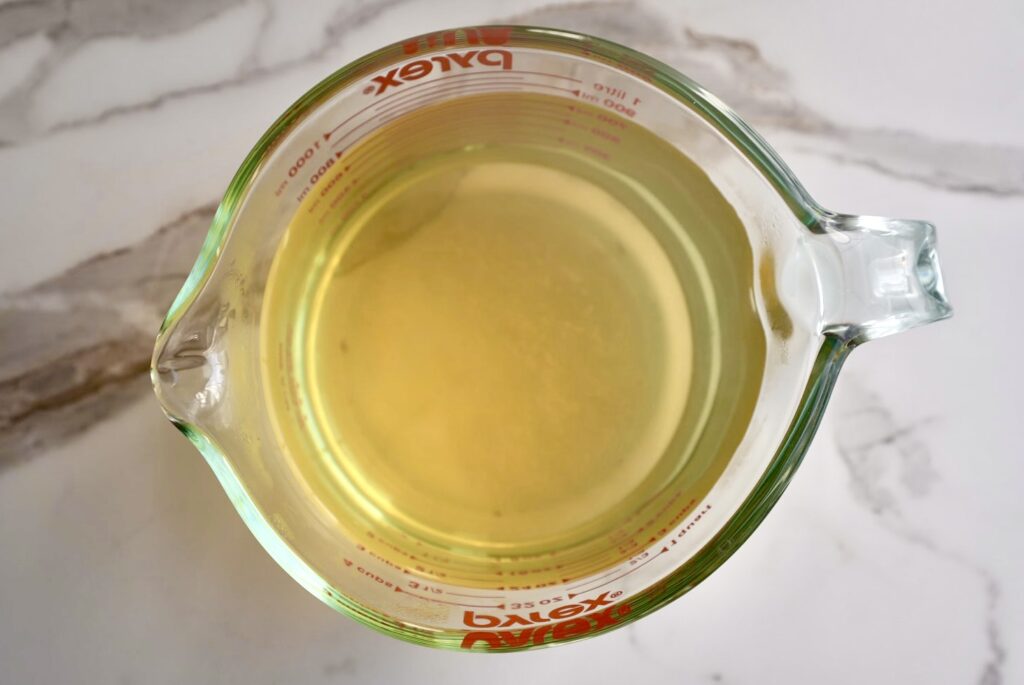
Rather than relying on long-simmered bones or heavy aromatics, dashi is typically made from kombu (dried kelp) and katsuobushi (dried, fermented bonito flakes), which are rich in natural glutamates and inosinate – two compounds responsible for umami. The result is a clear, fragrant stock that enhances ingredients without overpowering them.
What makes dashi special is its versatility. It can be as simple or complex as you want, from a quick steeped stock made in minutes to more layered versions using dried mushrooms, anchovies, or different types of fish. Because it’s so neutral yet flavorful, dashi acts as a supporting player, allowing seasonal ingredients, proteins, and sauces to shine. It’s also why many Japanese dishes taste comforting and cohesive even with very few ingredients.
In everyday Japanese cooking, dashi is used constantly. It’s often made fresh or kept on hand in the refrigerator. While instant versions like hondashi are common in home kitchens, understanding dashi helps explain the shared flavor profile across so many Japanese dishes. Once you recognize it, you’ll start to notice how many foods rely on this humble stock.
How to Make Dashi: Japanese Cooking Stock
There are three main ways to make dashi, each with its own advantages in terms of flavor, ease, and time. I ordered them from most complex to simplest:
- Dashi from Scratch: Traditional dashi, made by simmering kombu (dried kelp) and katsuobushi (dried bonito flakes), is considered the best method. Soak the kombu in water, heat just below boiling, and add katsuobushi. This method is ideal for dishes with the purest flavor.
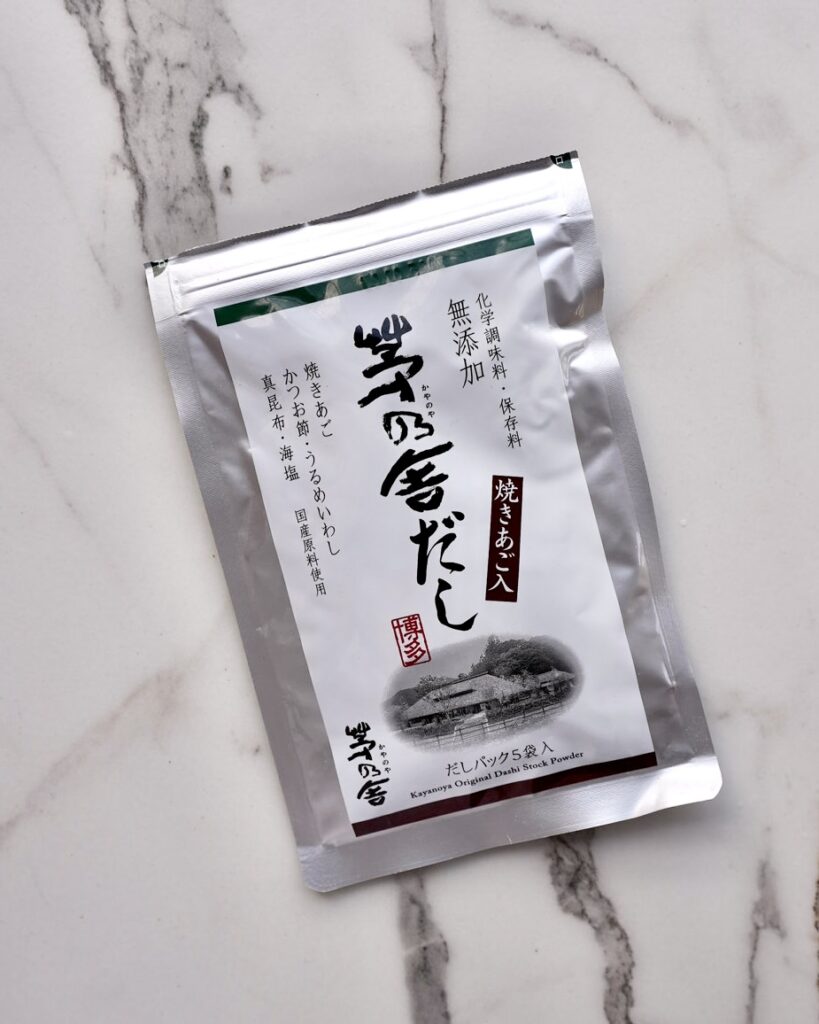
- Dashi Packets: Dashi packets, resembling tea bags, contain dried kombu, katsuobushi, and sometimes shiitake mushrooms or dried sardines. Just simmer the packet in water for a few minutes for a quick and flavorful broth. Buy dashi packets here from one of my most recommended dashi brands, Kayanoya.
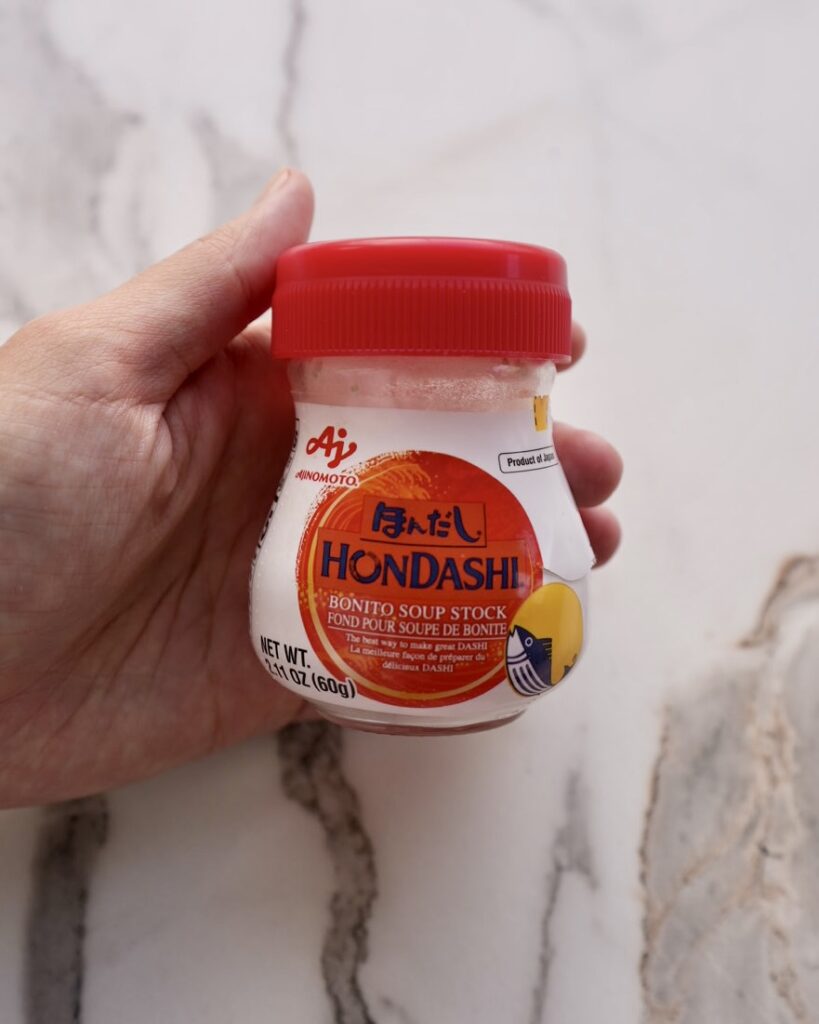
- Instant Dashi (Hondashi): Instant dashi, often called hondashi, is a granulated or powdered form of dashi. Just a spoonful dissolved in hot water creates a quick and flavorful stock. This option is convenient and ideal for busy days. Buy hondashi here.
Making Dashi From Scratch
Dashi is a fundamental Japanese stock that forms the backbone of countless dishes. It provides a delicate yet deeply savory flavor known as umami.
Made traditionally from kombu (dried kelp) and katsuobushi (dried bonito flakes), dashi is prized for its ability to enhance other ingredients without overpowering them. It’s used in a wide variety of dishes, from miso soup and noodle broths to simmered vegetables, nimono, and even sauces and dressings. It’s seriously an essential component of authentic Japanese cooking. If you want to understand Japanese food + cooking, then you need to know dashi!
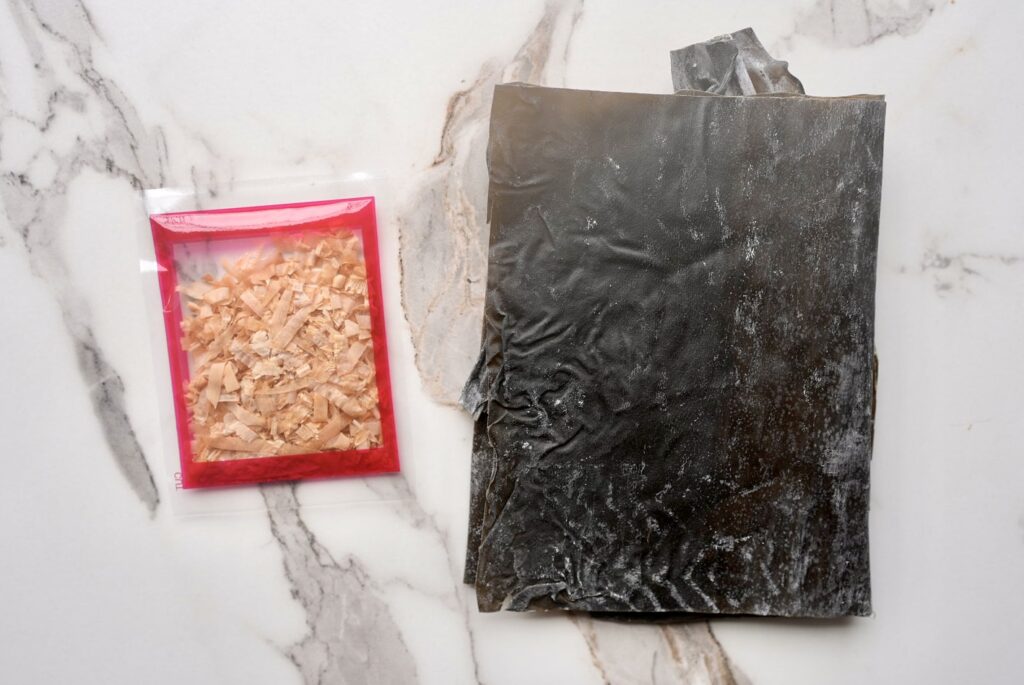
Like I mentioned above, you can use shortcuts to make dashi (which I do all the time! Making it from scratch is a little more work than I am cut out for, especially on busy days). So here’s how to make it from scratch:
- Prepare Kombu: Soak the kombu in cold water.
- Heat the Water: Slowly bring the kombu water to just below a boil.
- Remove: Take out the kombu before the water boils to prevent bitterness.
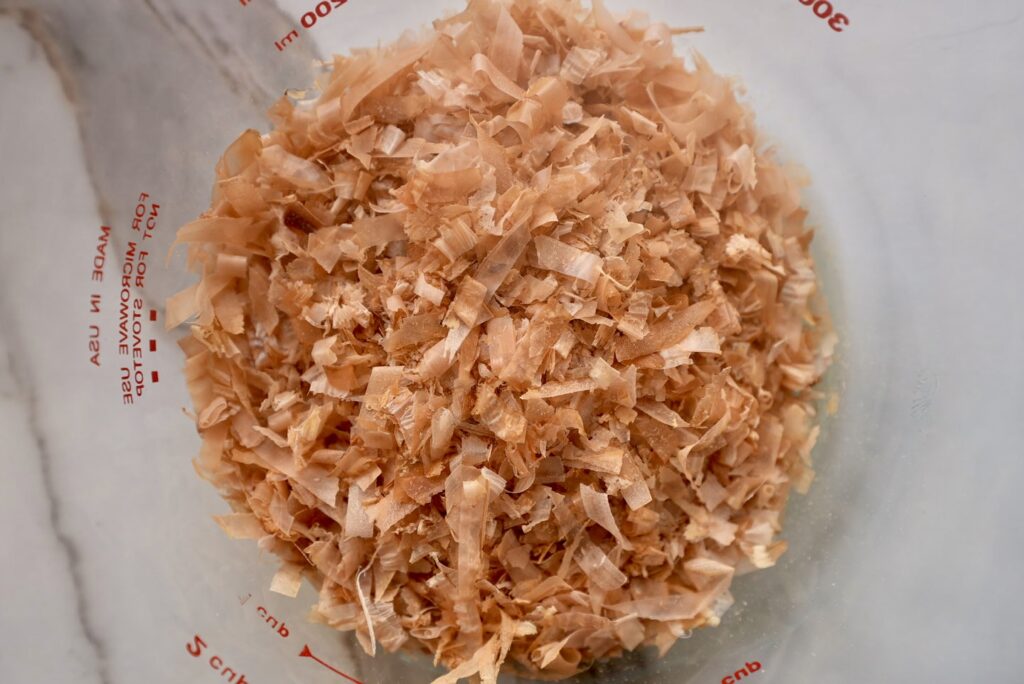
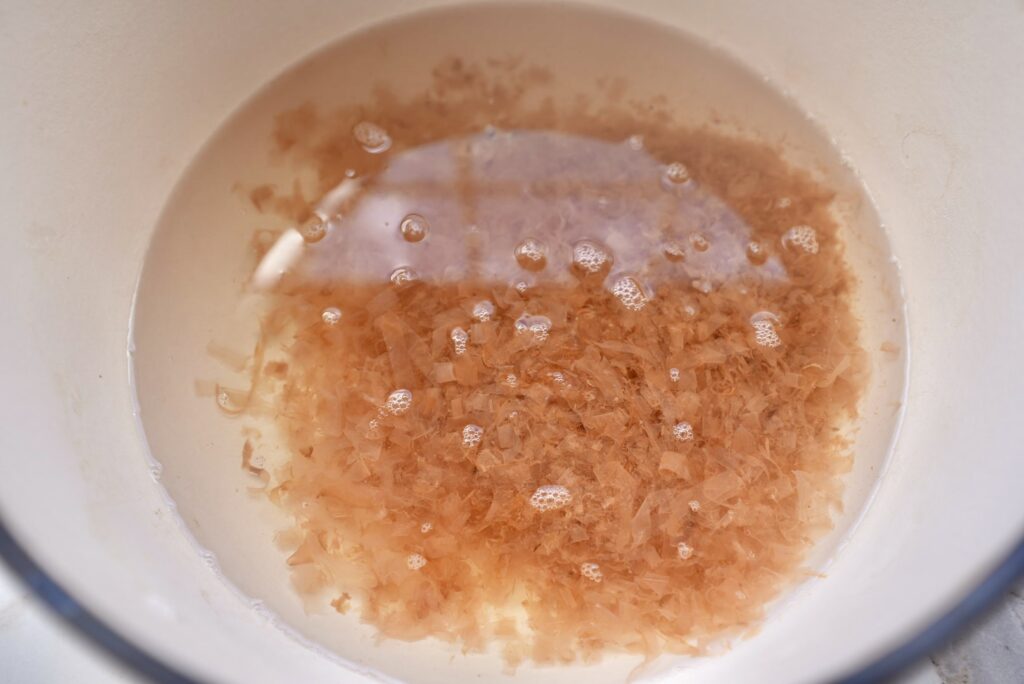
- Add Katsuobushi: Sprinkle in bonito flakes and let them steep for a few minutes.
- Strain: Remove the bonito flakes using a fine-mesh sieve.
Japanese Dishes That Use Dashi
Dashi is incredibly versatile and serves as the flavorful foundation for a wide variety of Japanese dishes, from everyday soups to special-occasion meals. Here is a list of some dishes that use dashi:
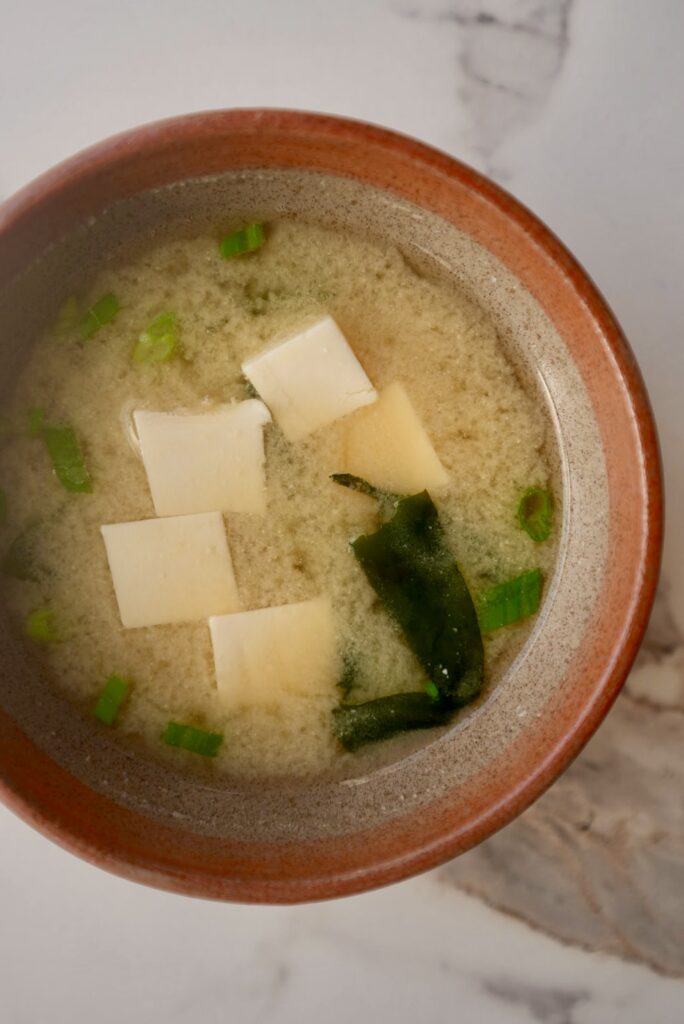
- https://farmerxfoodie.com/traditional-miso-soup/Miso Soup
- Toshikoshi Soba
- Udon Noodle Soup
- Oyakodon
- Gyudon
- Katsudon
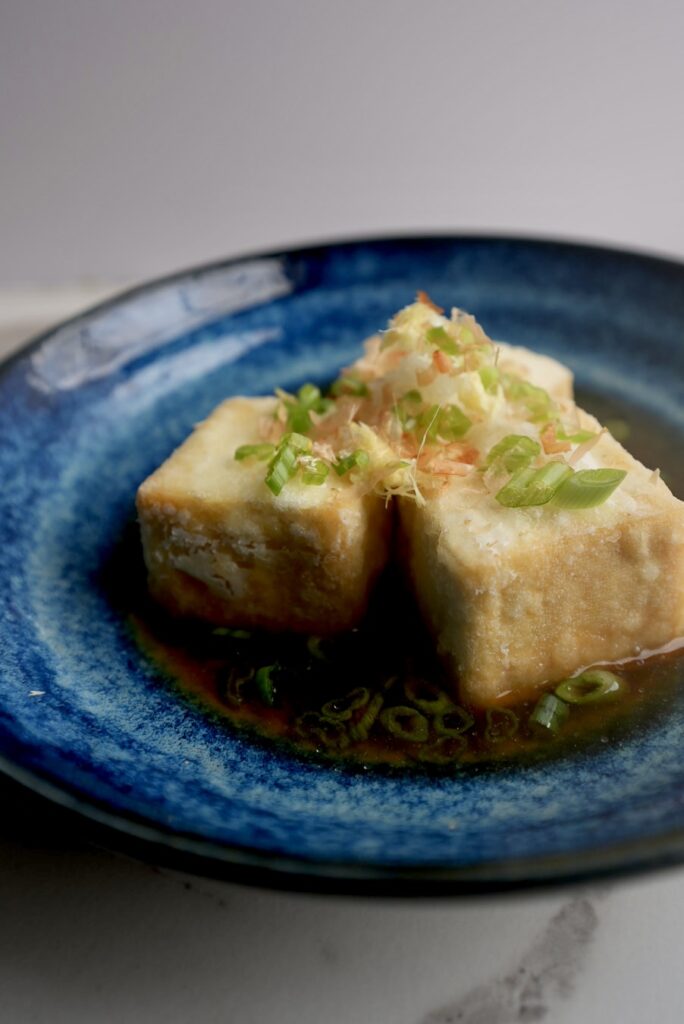
- Agedashi Tofu
- Curry Udon
- Nikujaga
- Toshikoshi Soba

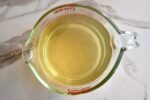
How to Make Traditional Japanese Dashi
- Total Time: 10 minutes
Description
Dashi is a light Japanese broth made from kombu (seaweed) and katsuobushi (dried bonito flakes) that adds savory umami flavor to soups, noodles, and simmered dishes.
Ingredients
- 5 cups cold water
- One piece of kombu (~10 g)
- 1 1/4 cup katsuobushi (dried bonito flakes)
Instructions
Tip: For convenience, you can also use instant dashi (hondashi) or dashi packets, simply steeping them in hot water according to the package instructions for a quick, flavorful stock.
- Place a piece of kombu in 5 cups of cold water.
- Slowly warm the kombu water over medium heat until it’s just about to boil. It’s important to not place it on high heat so that the kombu has enough time to steep in the water so that all the flavors can release!
- Remove the kombu and sprinkle in 1 1/4 cups of katsuobushi (dried bonito flakes) and let steep for a few minutes in simmering dashi.
- Remove the bonito flakes using a fine-mesh sieve. Your dashi is now ready.
Notes
- For a vegan dashi, stop after removing the kombu. This stock will still be plenty flavorful!
- Freshly made dashi can be stored in an airtight container in the fridge for up to 3 days.
- For longer storage, freeze dashi in portions (ice cube trays or small containers) for up to 1 month. Thaw in the fridge or gently heat before use.
- Avoid long-term room temperature storage: Dashi is highly perishable, so it should never be left out at room temperature for extended periods.
- Tip for convenience: Make a larger batch and freeze in small portions to have ready-to-use stock for soups, sauces, and simmered dishes anytime.
- Cook Time: 10 minutes





0 Comments