
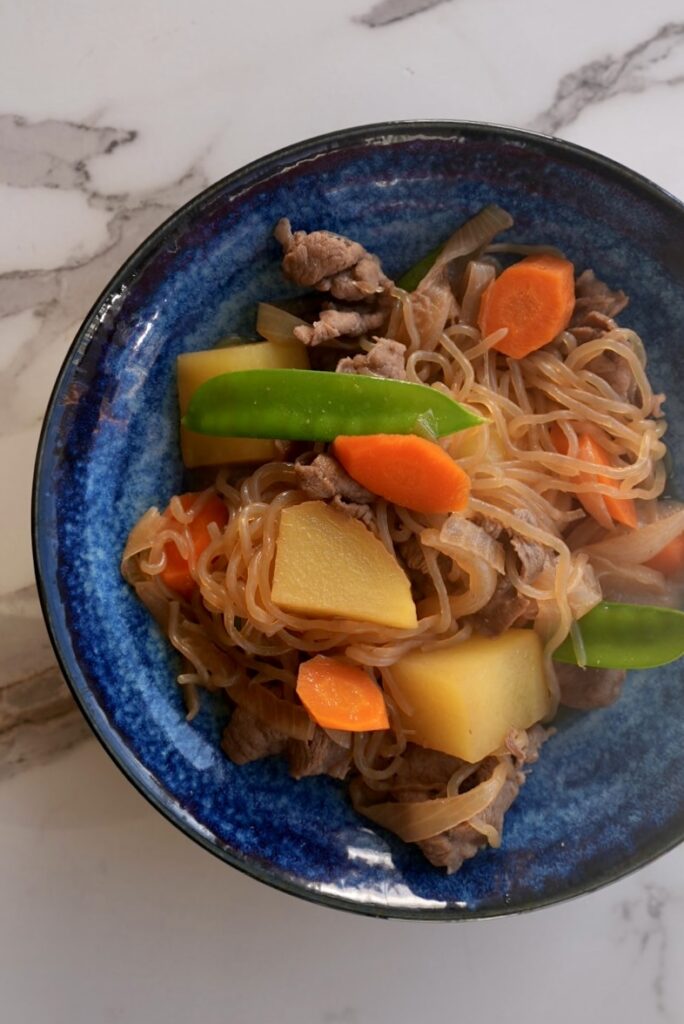
Nikujaga is a classic example of Japanese home-style cooking. It’s often passed down through families and made a little differently in every household. Some versions lean sweeter, others more savory, and the choice of beef or pork can vary by region.
Nikujaga is delicious to eat during the winter. Tender potatoes, thinly sliced beef, and onions are gently simmered in a savory-sweet broth made from soy sauce, sugar, and mirin, creating a meal that’s simple but deeply satisfying. It’s the kind of food that warms you from the inside out. So good especially on cold nights when you want something cozy and nourishing.
Because it’s a nimono (simmered dish), nikujaga is all about patience and gentle cooking. Letting the ingredients simmer together gives the flavors time to meld. This makes it taste even better the next day.
Nikujaga is commonly served as part of a larger meal alongside rice and simple sides, but it’s hearty enough to feel comforting on its own. Exactly why it’s such a staple during winter months. It’s a must if you love Japanese food!
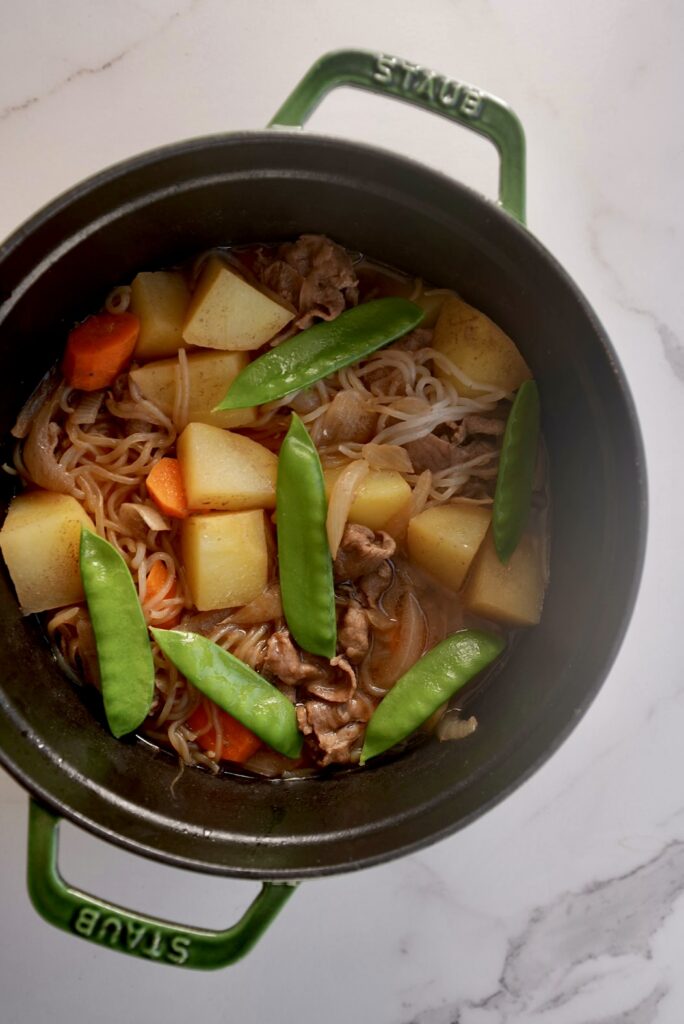
Ingredients:
- Onion: Adds natural sweetness and depth as it softens into the broth.
- Carrots: Bring gentle sweetness and color to balance the savory flavors.
- Potatoes: Absorb the savory-sweet broth while staying tender and hearty.
- Beef: Cooks quickly and adds rich, savory flavor.
- Dashi: Forms the light, umami-rich base of the stew.
- Mirin: Adds mild sweetness and a glossy finish to the broth.
- Soy Sauce: Provides saltiness and depth of flavor.
- Brown Sugar: Enhances sweetness and balances the savory elements.
- Snow Peas: Added at the end for freshness, color, and a slight crunch.
How to Make Dashi: Japanese Cooking Stock
There are three main ways to make dashi, each with its own advantages in terms of flavor, ease, and time. I ordered them from most complex to simplest:
- Dashi from Scratch: Traditional dashi, made by simmering kombu (dried kelp) and katsuobushi (dried bonito flakes), is considered the best method. Soak the kombu in water, heat just below boiling, and add katsuobushi. This method is ideal for dishes with the purest flavor.
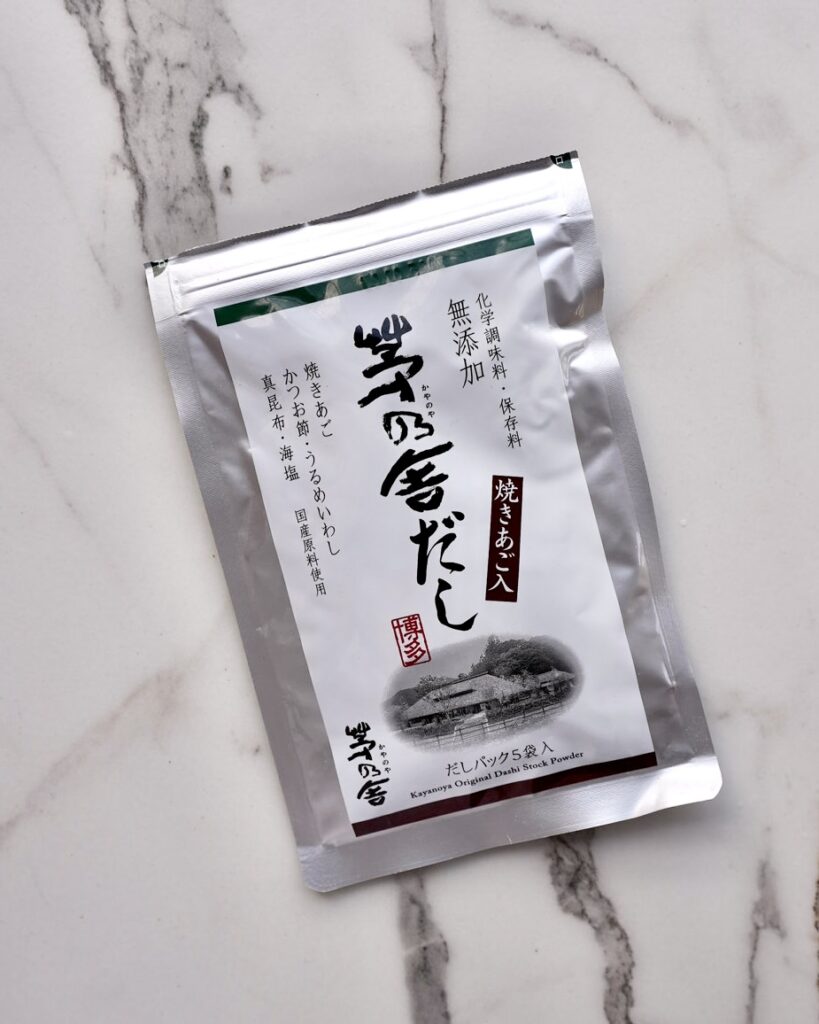
- Dashi Packets: Dashi packets, resembling tea bags, contain dried kombu, katsuobushi, and sometimes shiitake mushrooms or dried sardines. Just simmer the packet in water for a few minutes for a quick and flavorful broth. Buy dashi packets here from one of my most recommended dashi brands, Kayanoya.
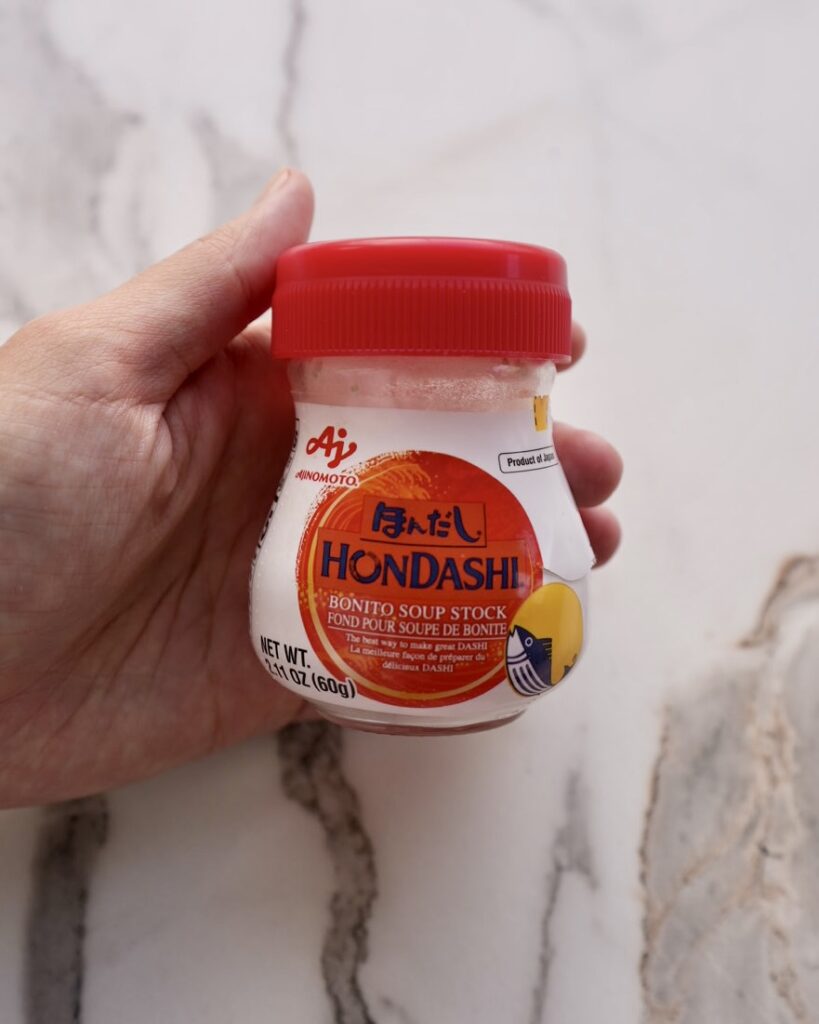
- Instant Dashi (Hondashi): Instant dashi, often called hondashi, is a granulated or powdered form of dashi. Just a spoonful dissolved in hot water creates a quick and flavorful stock. This option is convenient and ideal for busy days. Buy hondashi here.
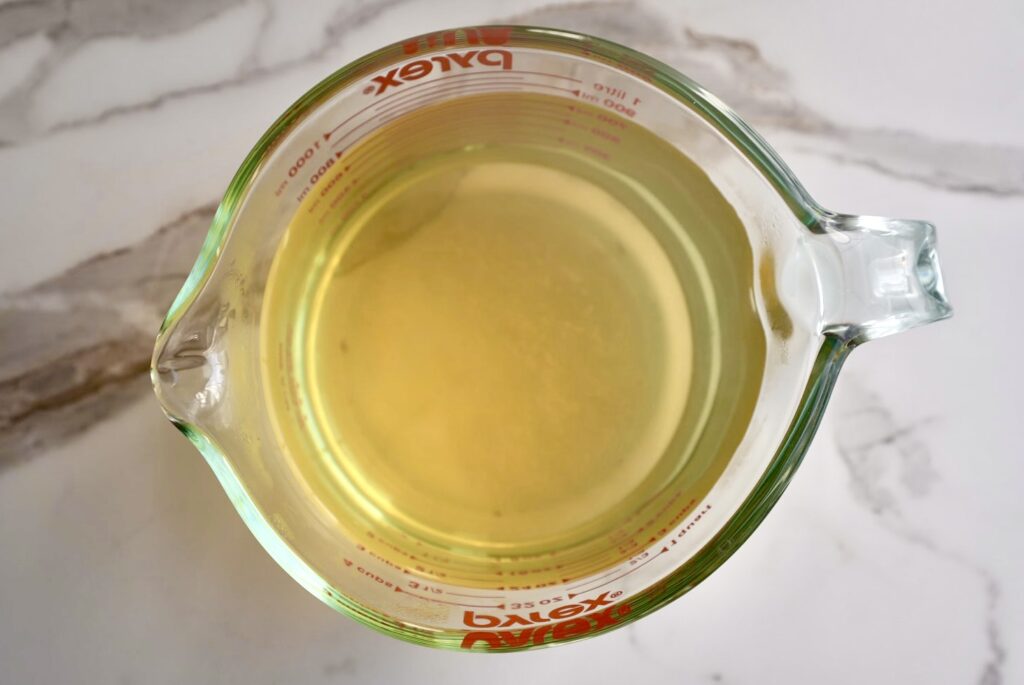
Making Dashi From Scratch
Dashi is a fundamental Japanese stock that forms the backbone of countless dishes. It provides a delicate yet deeply savory flavor known as umami.
Made traditionally from kombu (dried kelp) and katsuobushi (dried bonito flakes), dashi is prized for its ability to enhance other ingredients without overpowering them. It’s used in a wide variety of dishes, from miso soup and noodle broths to simmered vegetables, nimono, and even sauces and dressings, making it an essential component of authentic Japanese cooking.
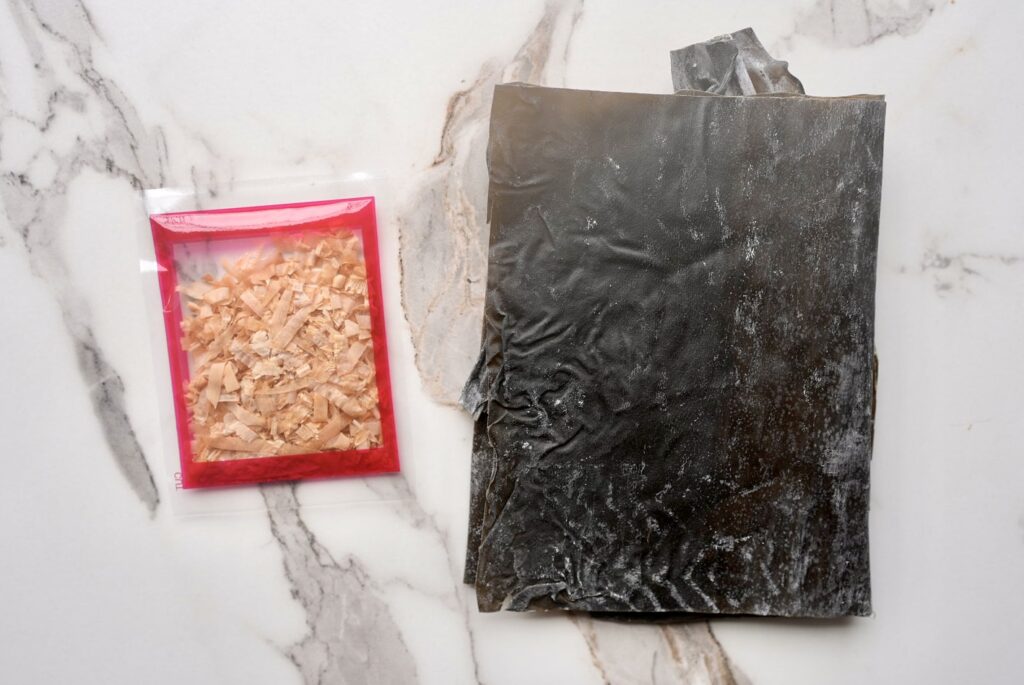
Like I mentioned above, you can use shortcuts to make dashi (which I do all the time! Making it from scratch is a little more work than I am cut out for, especially on busy days). So here’s how to make it from scratch:
- Prepare Kombu: Soak the kombu in cold water.
- Heat the Water: Slowly bring the kombu water to just below a boil.
- Remove: Take out the kombu before the water boils to prevent bitterness.
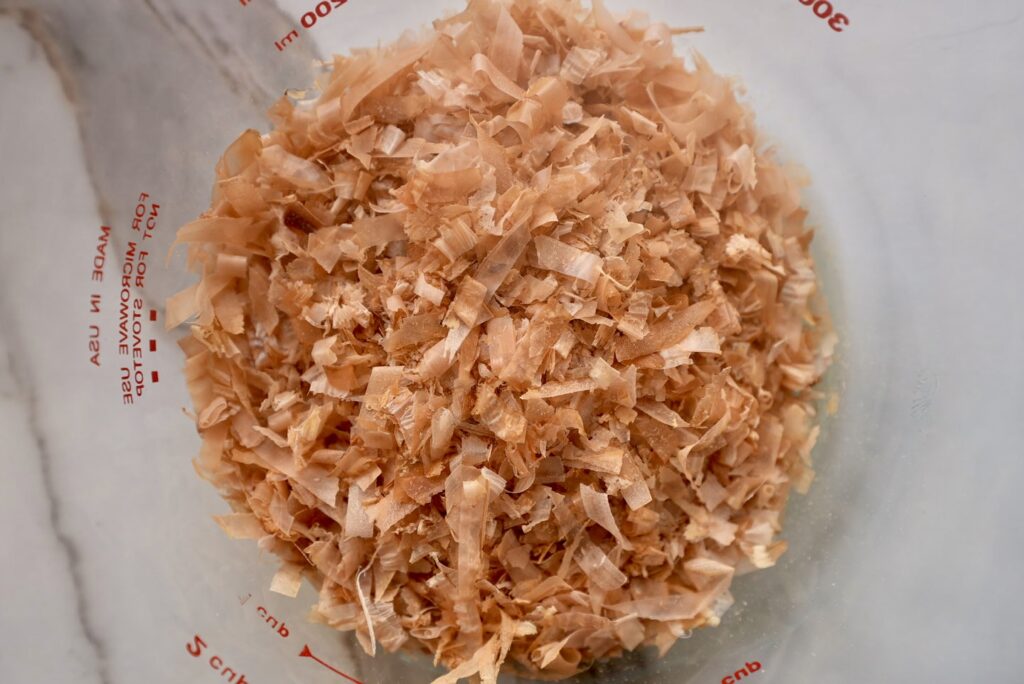
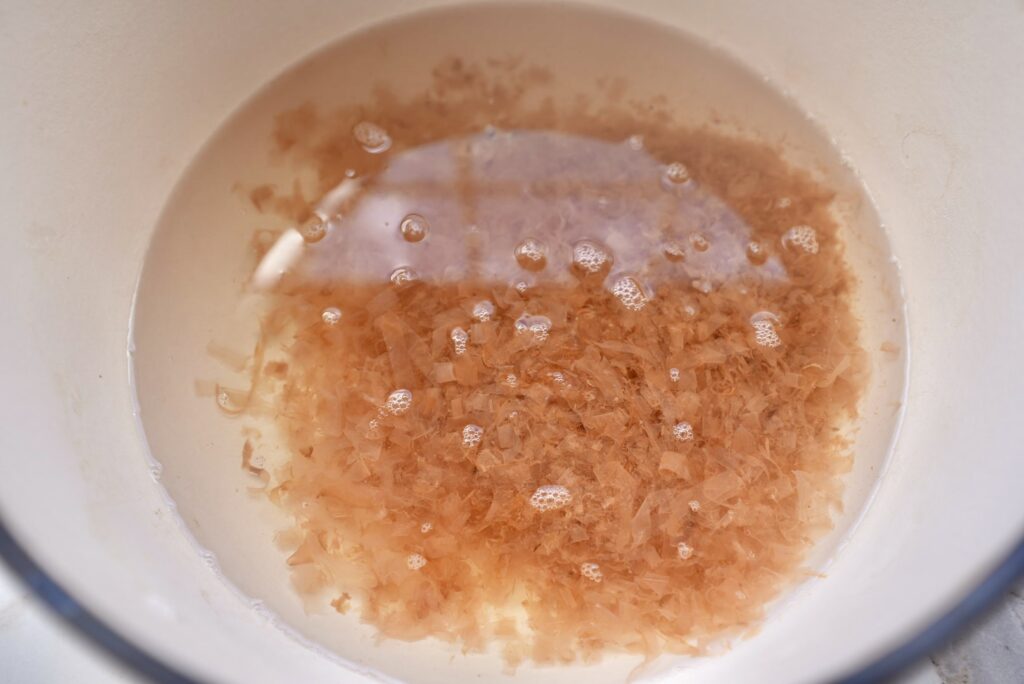
- Add Katsuobushi: Sprinkle in bonito flakes and let them steep for a few minutes.
- Strain: Remove the bonito flakes using a fine-mesh sieve.
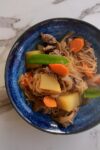
Nikujaga (Meat and Potato Stew)
- Total Time: 25 minutes
Description
Nikujaga is a comforting Japanese one-dish meal of tender beef, potatoes, and vegetables simmered in a savory-sweet dashi broth until everything is soft, flavorful, and cozy.
Ingredients
- 1/2 onion, thinly sliced
- 1/2 lb beef or pork, thinly sliced
- 1 large carrot, cut into 1-inch chunks
- 2 large potatoes (Yukon preferred, but any works), cut into 2-inch chunks
- 2 1/4 cups dashi
- 1/3 cup mirin
- 1/4 cup soy sauce
- 1 tbsp brown sugar
- Shirataki noodles
- 7–8 snow peas, blanched
For the Dashi:
- 5 cups water
- One piece of kombu (~10 g)
- 1 1/4 cup katsuobushi (dried bonito flakes)
Instructions
How to Make Dashi From Scratch:
Tip: For convenience, you can also use instant dashi (hondashi) or soup packets, simply steeping them in hot water according to the package instructions for a quick, flavorful stock.
- Place a piece of kombu in 5 cups of cold water.
- Slowly warm the kombu water over medium heat until it’s just about to boil. It’s important to not place it on high heat so that the kombu has enough time to steep in the water so that all the flavors can release! Remove the kombu. You can finish here for a vegan version of dashi, or continue forward for a non-vegan version.
- Sprinkle in 1 1/4 cups of katsuobushi (dried bonito flakes) and let steep for a few minutes in simmering dashi.
- Remove the bonito flakes using a fine-mesh sieve. Your dashi is now ready.
For the Nikujaga:
- In a large pot, sauté the onions in a little oil for about 2 minutes until they start to soften. Add the beef (or pork) and brown it lightly.
- Note: Before cooking, it’s a good idea to let the potato chunks sit in cold water for a few minutes. This helps remove excess surface starch, which can prevent the potatoes from sticking together or turning gummy during cooking. It also helps the potatoes cook more evenly and retain their shape in the stew.
- Add the carrots, potatoes, dashi, mirin, soy sauce, brown sugar. Place the shirataki noodles on top. Carefully mix everything together, being careful to avoid breaking the vegetables.
- Cover the pot with a piece of tin foil cut to the size of the inner pot and poke a few holes in it.
- Let everything simmer over medium heat for 10 minutes, until the potatoes and carrots are tender and the flavors meld. Top with the blanched snow peas for color and freshness. Serve warm and enjoy!
- Prep Time: 10 minutes
- Cook Time: 15 minutes
Nutrition
- Serving Size: 4



0 Comments