
Toshikoshi soba is a traditional Japanese dish enjoyed at the end of the year, symbolizing a wish for longevity and a smooth transition into the new year.
The long, thin buckwheat noodles represent a hope for a long life, while the simple, savory broth reflects the quiet, reflective nature of the holiday. It’s a dish that’s intentionally unfussy – warm, nourishing, and meant to be eaten slowly as the year comes to a close.
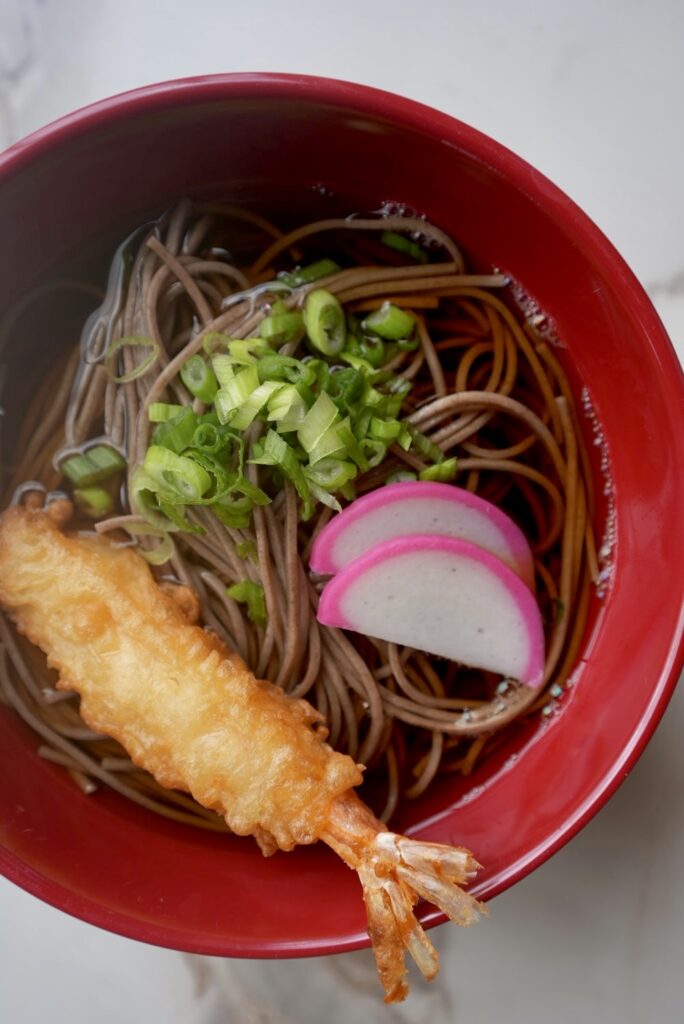
I didn’t eat toshikoshi soba at home very often growing up because my mom is allergic to buckwheat, but it’s a dish I love deeply. There’s something especially comforting about its simplicity: the clean dashi-based broth, the chew of the soba noodles, and the way a few thoughtfully chosen toppings can make the bowl feel complete without being heavy.
What I love most about toshikoshi soba is how it balances tradition with flexibility. While it’s most often served plain with scallions or tempura, it can easily be adapted to what you have on hand or how you want to welcome the new year. This recipe stays true to the spirit of the dish – simple, warming, and symbolic – while making it approachable enough to enjoy any time you’re craving a comforting bowl of noodles.
So how do you make it? Let’s dive in!
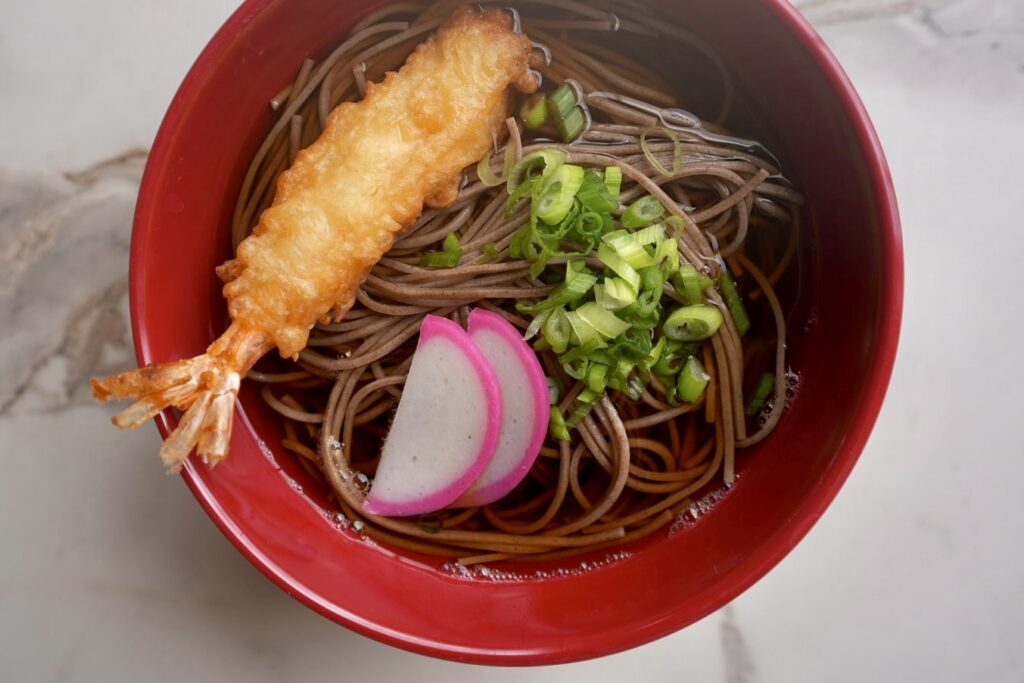
Ingredients:
- Dashi: Forms the light, umami-rich base of the broth, giving the soup its clean, savory depth without overpowering the noodles. I touch more on how to make dashi below – it doesn’t need to be overcomplicated!
- Mirin: Adds gentle sweetness and a subtle gloss that balances the saltiness of the broth.
- Sake: Enhances aroma and rounds out the flavors, helping the broth taste more refined and cohesive.
- Soy Sauce: Provides saltiness and deep savory flavor while defining the classic color of the soba broth.
- Soba Noodles: Buckwheat noodles with a slightly nutty flavor and firm bite, traditionally eaten to symbolize longevity and resilience.
Toppings:
- Green Onions: Bring freshness and a light sharpness that brightens the entire bowl.
- Shrimp Tempura: Optional; Adds crunch and richness, creating a contrast to the delicate broth and noodles.
- Kamaboko: Optional; A mildly sweet fish cake that adds color, texture, and a traditional touch.
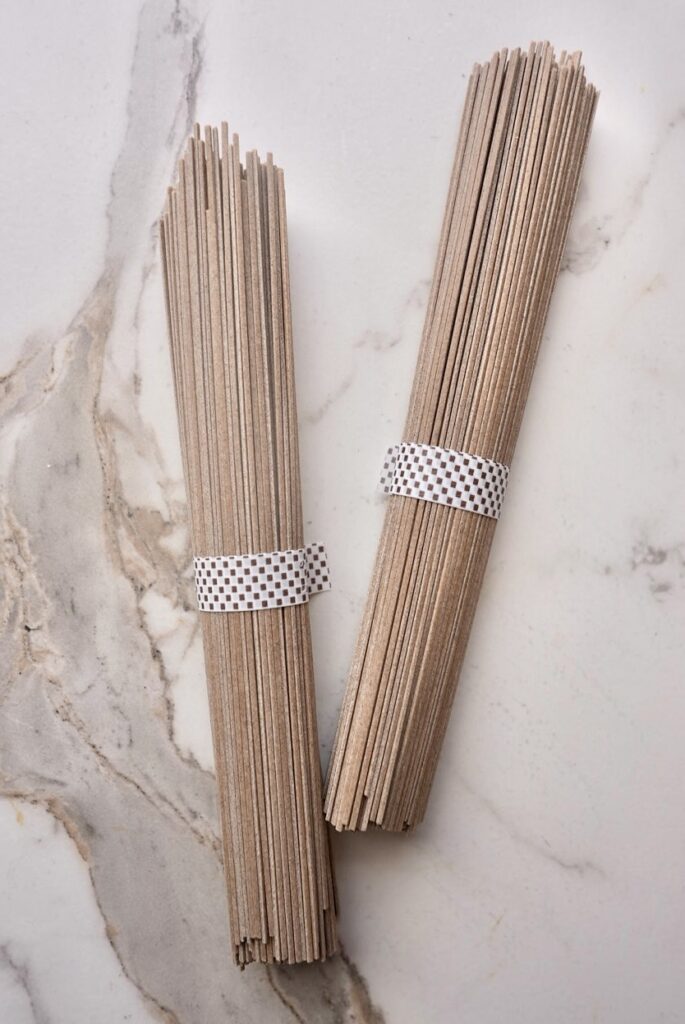
Soba Noodles: What to Buy and Where
When buying soba noodles, it’s important to check the buckwheat content, as many packages labeled “soba” are made mostly from wheat flour with only a small amount of buckwheat. For the most traditional flavor and aroma, look for noodles labeled juwari soba (100% buckwheat) or those that list buckwheat as the first ingredient.
Also pay attention to allergies and texture: higher buckwheat content means a more nutty flavor and a more delicate noodle that breaks easily if overcooked. If you’re new to soba, a blend of buckwheat and wheat can be easier to cook and still taste great. Finally, look for Japanese-made soba in Asian grocery stores or the international aisle for better quality and flavor.
That said, if you are having a hard time finding soba noodles, I recommend buying them online. Here’s a link to the ones I use.
How to Make Dashi: Japanese Cooking Stock
There are three main ways to make dashi, each with its own advantages in terms of flavor, ease, and time. I ordered them from most complex to simplest:
- Dashi from Scratch: Traditional dashi, made by simmering kombu (dried kelp) and katsuobushi (dried bonito flakes), is considered the best method. Soak the kombu in water, heat just below boiling, and add katsuobushi. This method is ideal for dishes with the purest flavor.
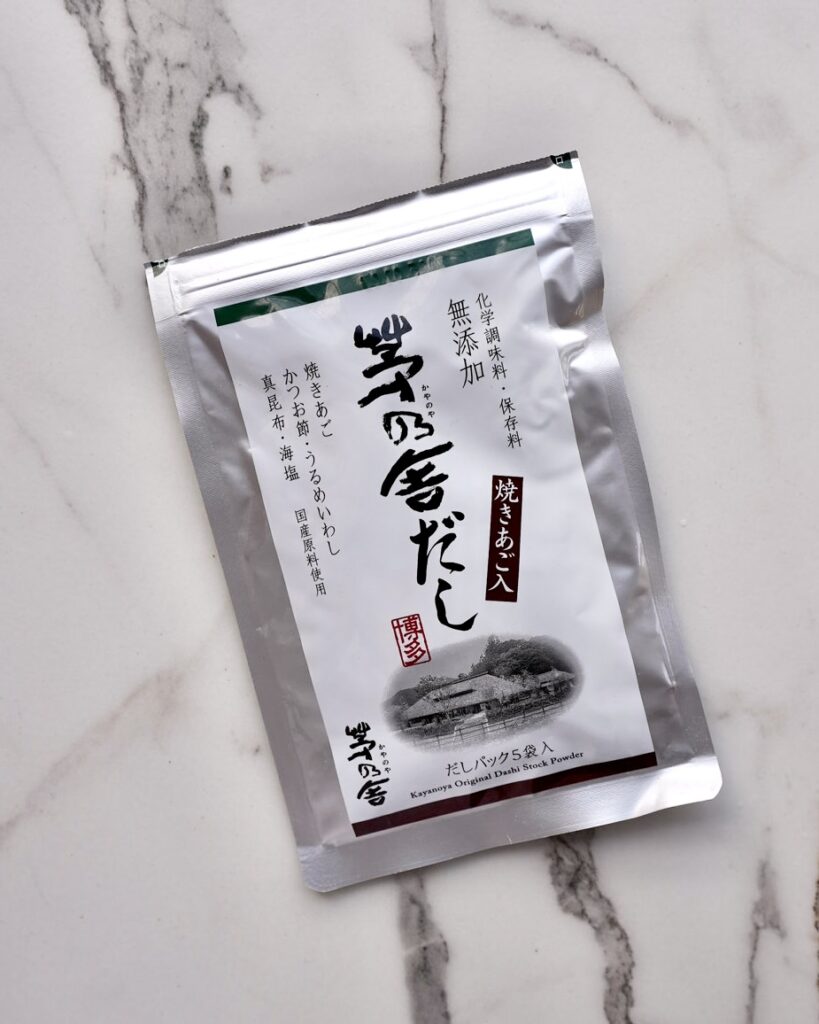
- Dashi Packets: Dashi packets, resembling tea bags, contain dried kombu, katsuobushi, and sometimes shiitake mushrooms or dried sardines. Just simmer the packet in water for a few minutes for a quick and flavorful broth. Buy dashi packets here from one of my most recommended dashi brands, Kayanoya.
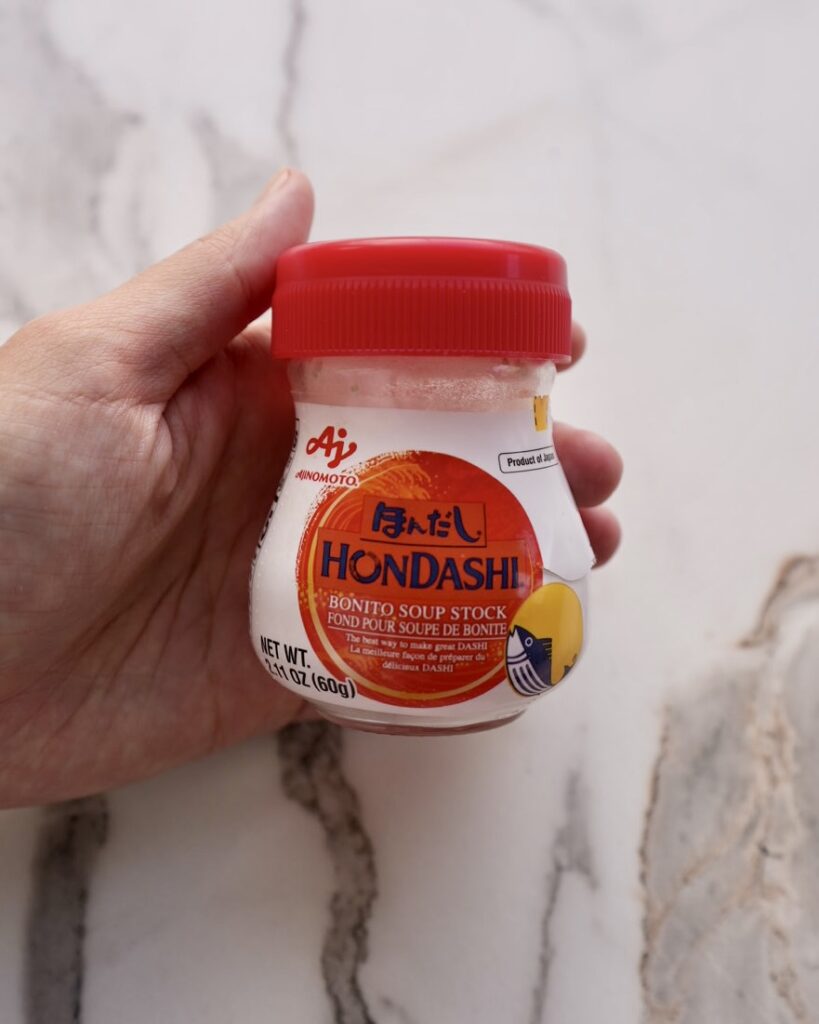
- Instant Dashi (Hondashi): Instant dashi, often called hondashi, is a granulated or powdered form of dashi. Just a spoonful dissolved in hot water creates a quick and flavorful stock. This option is convenient and ideal for busy days. Buy hondashi here.
Making Dashi From Scratch
Dashi is a fundamental Japanese stock that forms the backbone of countless dishes. It provides a delicate yet deeply savory flavor known as umami.
Made traditionally from kombu (dried kelp) and katsuobushi (dried bonito flakes), dashi is prized for its ability to enhance other ingredients without overpowering them. It’s used in a wide variety of dishes, from miso soup and noodle broths to simmered vegetables, nimono, and even sauces and dressings, making it an essential component of authentic Japanese cooking.
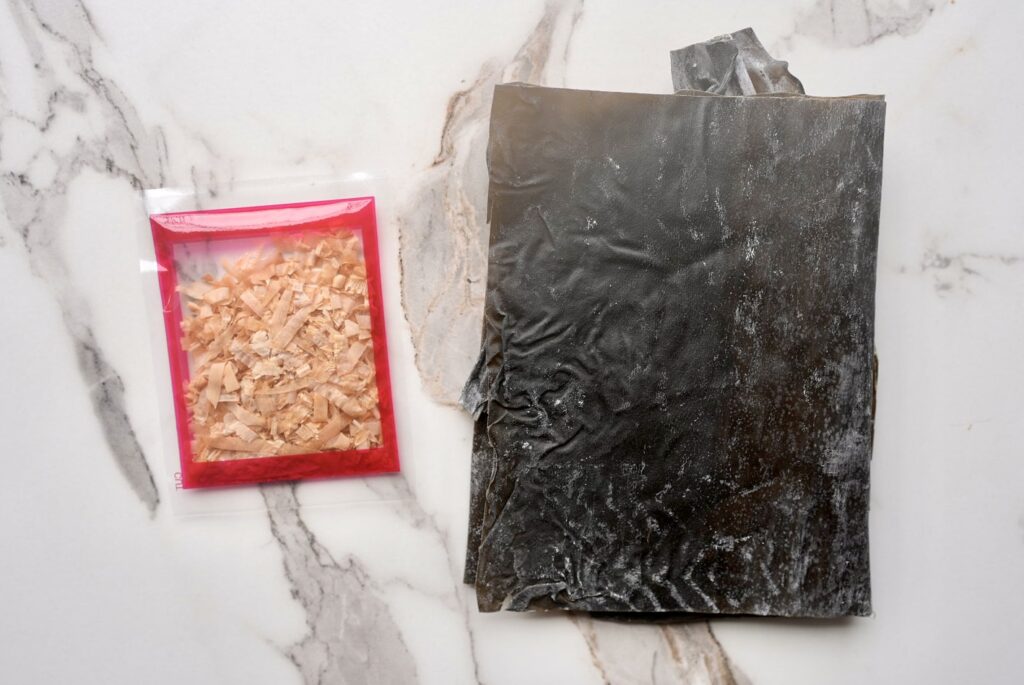
Like I mentioned above, you can use shortcuts to make dashi (which I do all the time! Making it from scratch is a little more work than I am cut out for, especially on busy days). So here’s how to make it from scratch:
- Prepare Kombu: Soak the kombu in cold water.
- Heat the Water: Slowly bring the kombu water to just below a boil.
- Remove: Take out the kombu before the water boils to prevent bitterness.
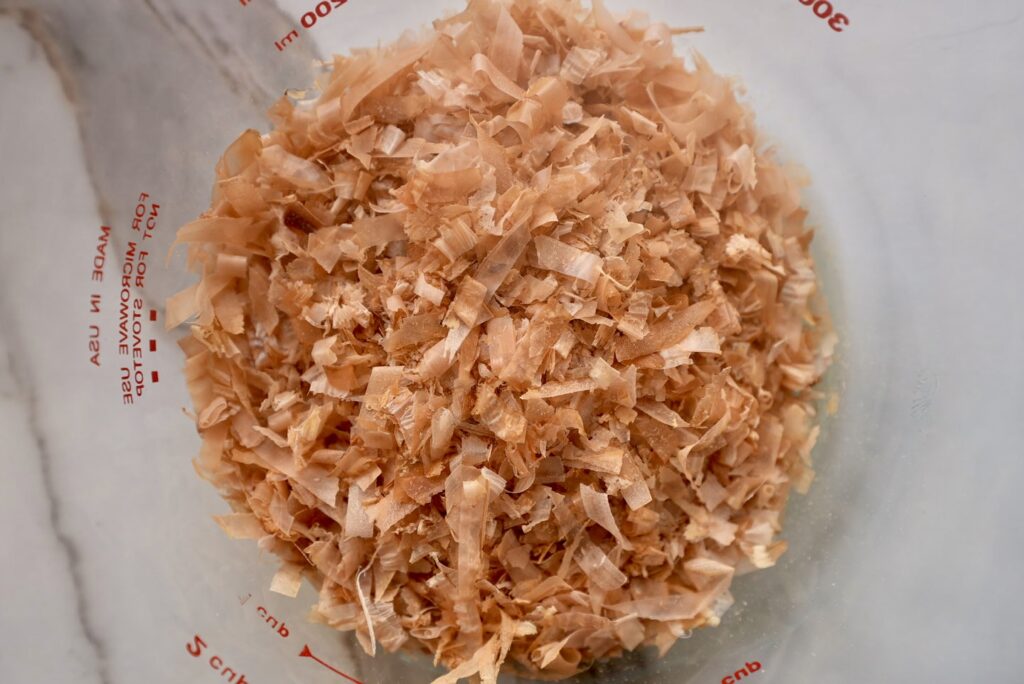
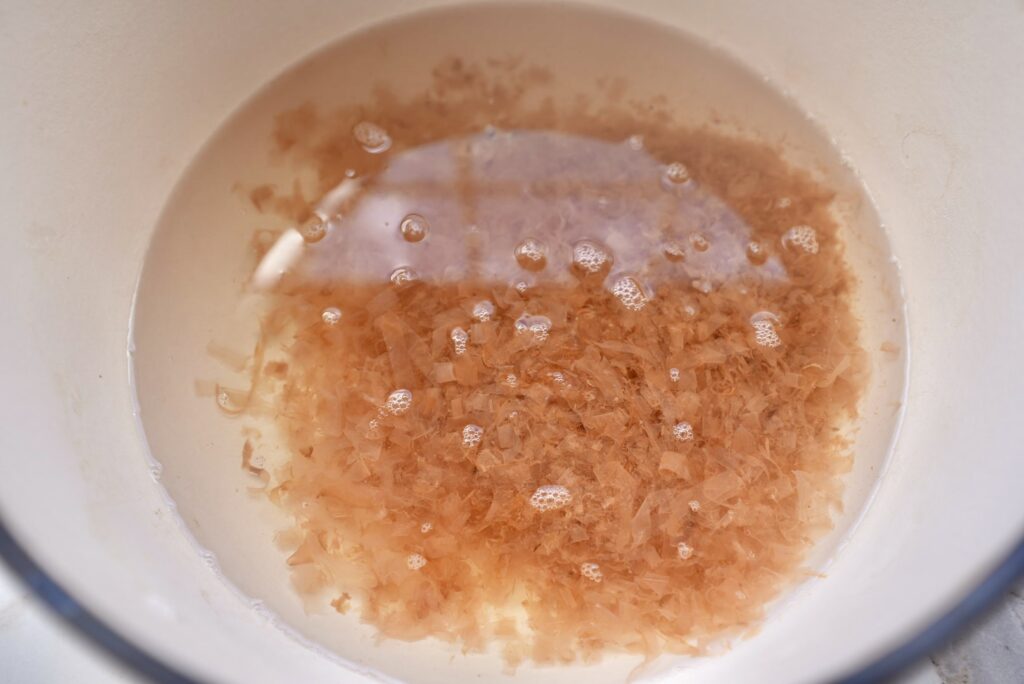
- Add Katsuobushi: Sprinkle in bonito flakes and let them steep for a few minutes.
- Strain: Remove the bonito flakes using a fine-mesh sieve.
Toshikoshi Soba
- Total Time: 15 minutes
Description
Toshikoshi soba is a traditional Japanese New Year’s dish of buckwheat noodles in a light dashi broth, eaten to symbolize longevity and a smooth transition into the year ahead.
Ingredients
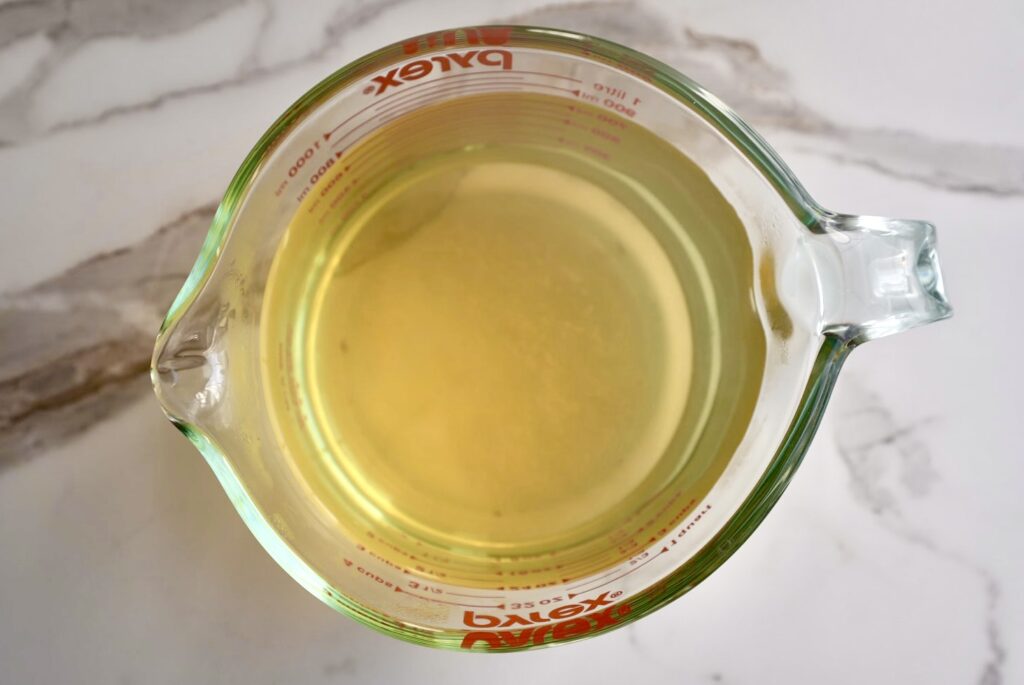
- 2 1/2 cups dashi (substitute 2 1/2 cups water mixed with 2 1/2 teaspoons hondashi)
- 2 tablespoons mirin
- 1 tablespoon sake
- 2 tablespoons soy sauce
- 2 servings soba noodles
- Shrimp tempura
- Kamaboko
- Green onions (optional but most highly recommended topping)
Instructions
- In a saucepan, gently heat the dashi over medium heat until warm but not boiling.
- Add the mirin, sake, and soy sauce, stirring to combine. Keep the broth warm while you prepare the noodles.
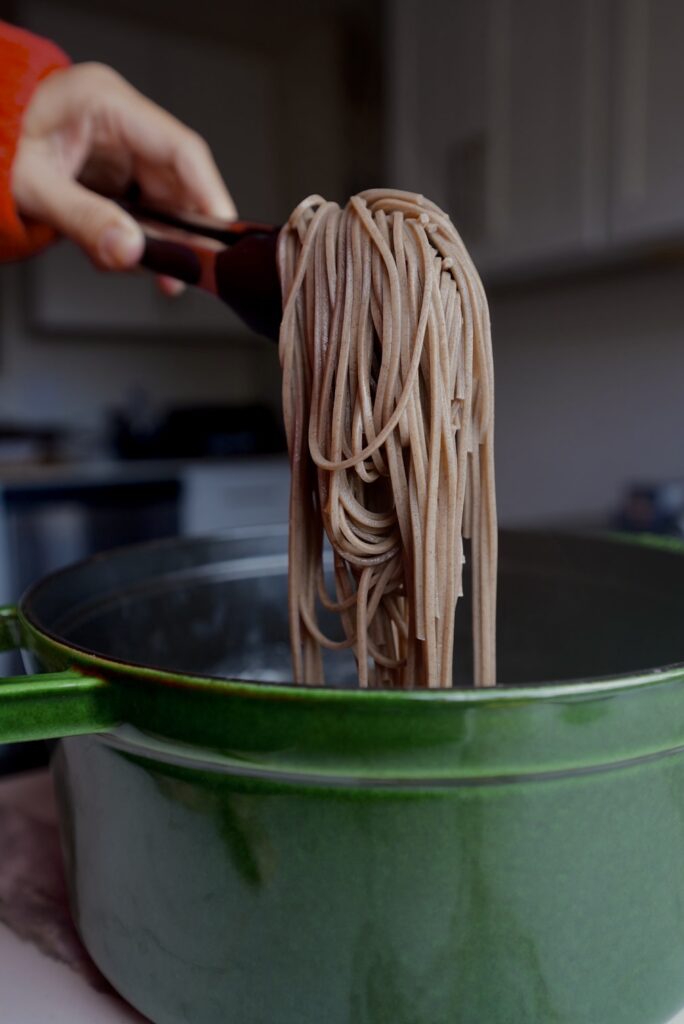
- Bring a separate pot of water to a boil and cook the soba noodles according to package instructions. Drain the soba and rinse briefly under cold water to remove excess starch, then drain well.
- Divide the noodles between serving bowls and pour the hot broth over the top. Finish with shrimp tempura, kamaboko, and green onions as desired. Serve immediately, traditionally enjoyed at the end of the year to welcome the new one.
- Prep Time: 10 minutes
- Cook Time: 5 minutes
Nutrition
- Serving Size: 2



0 Comments