
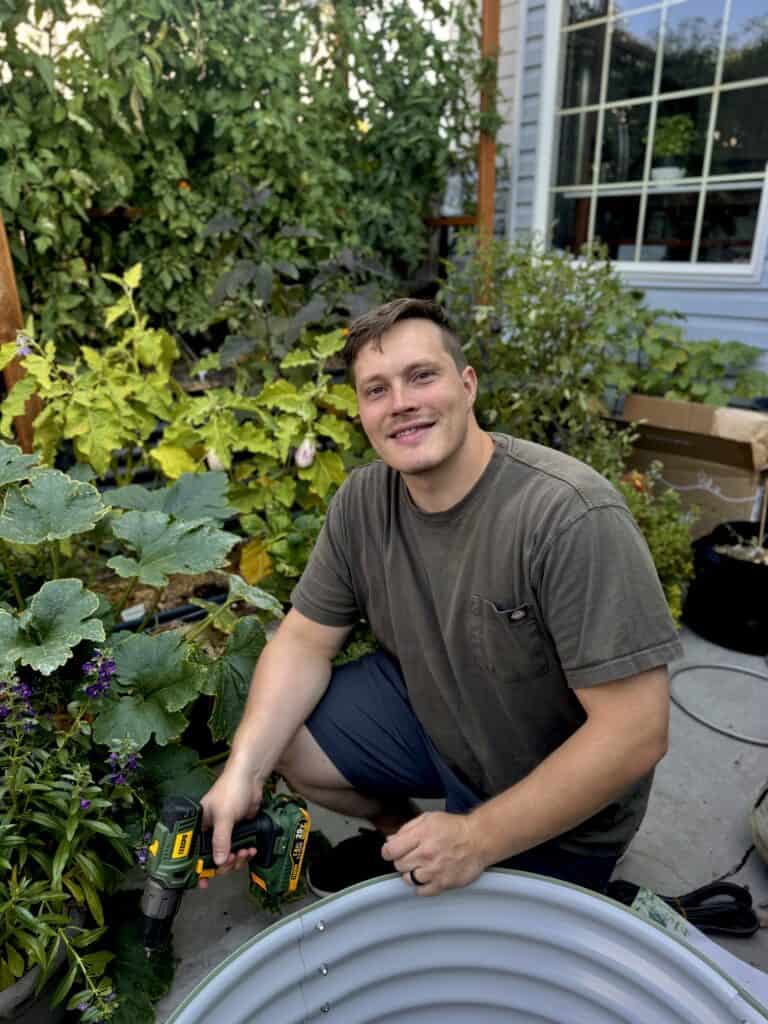
Hey all! Real Farmer Jeff here.
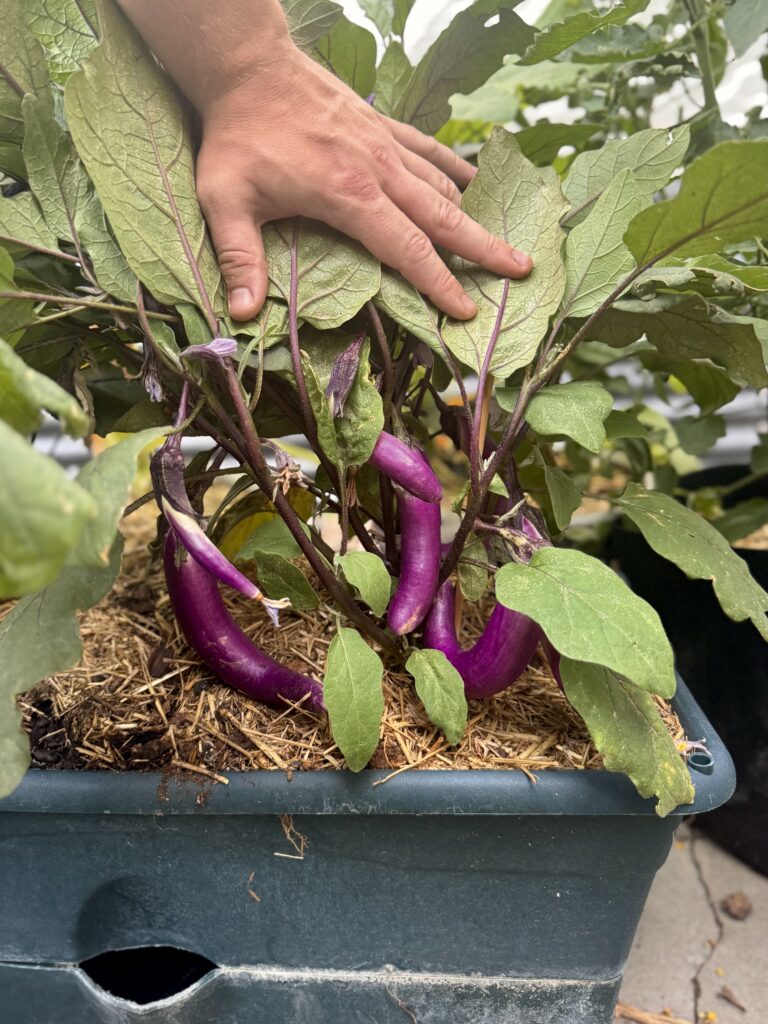
I love grow boxes and have used them heavily for years! My grandparents were the first ones to introduce them to me many years ago. They’re especially valuable for beginner gardeners, small space gardeners, people growing on decks or concrete slabs, and anyone who wants strong results without needing to constantly babysit their plants (so pretty much… everyone, right?).
In this blog post, I use the term grow box to describe what are more technically called self-watering containers or sub irrigated planters (SIPs).
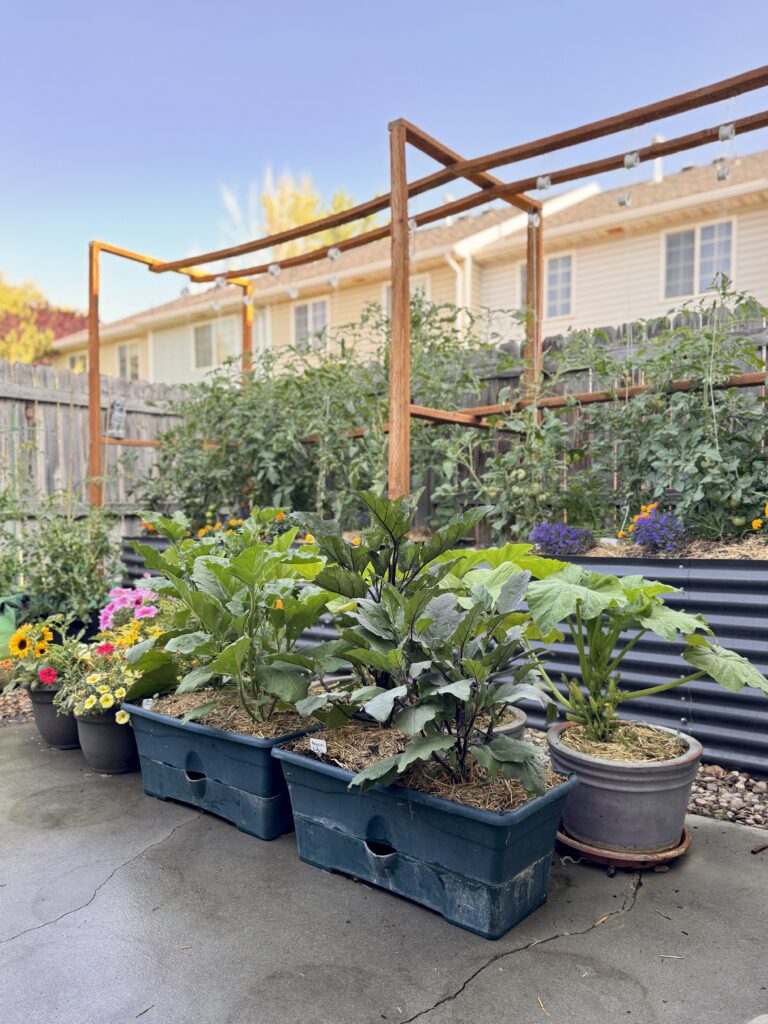
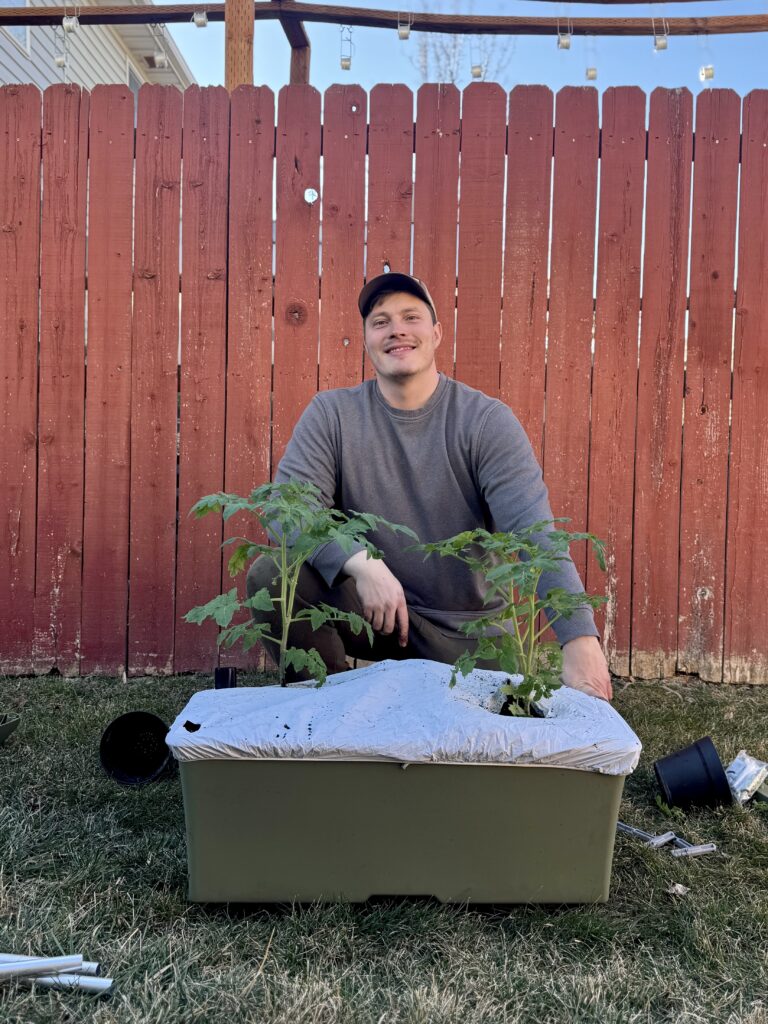
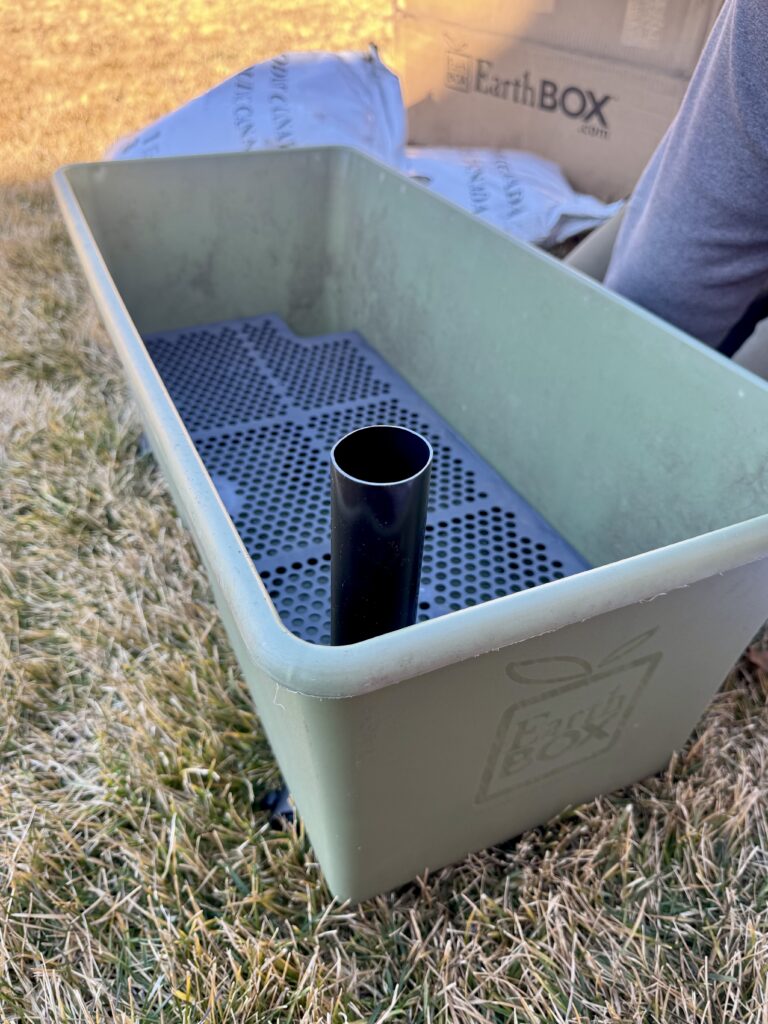
Two of the most popular grow boxes are from Garden Patch GrowBox and EarthBox. I wanted to test out the EarthBox because this winter it appeared that the similar Garden Patch GrowBox (which I have used for years) was going out of business. I have heard good things about the EarthBox, so I wanted to see for myself and fill you guys in on the results.
Both systems use a similar self-watering design, however they the differ in several notable ways (which I’ll touch on, of course). Let’s get started!
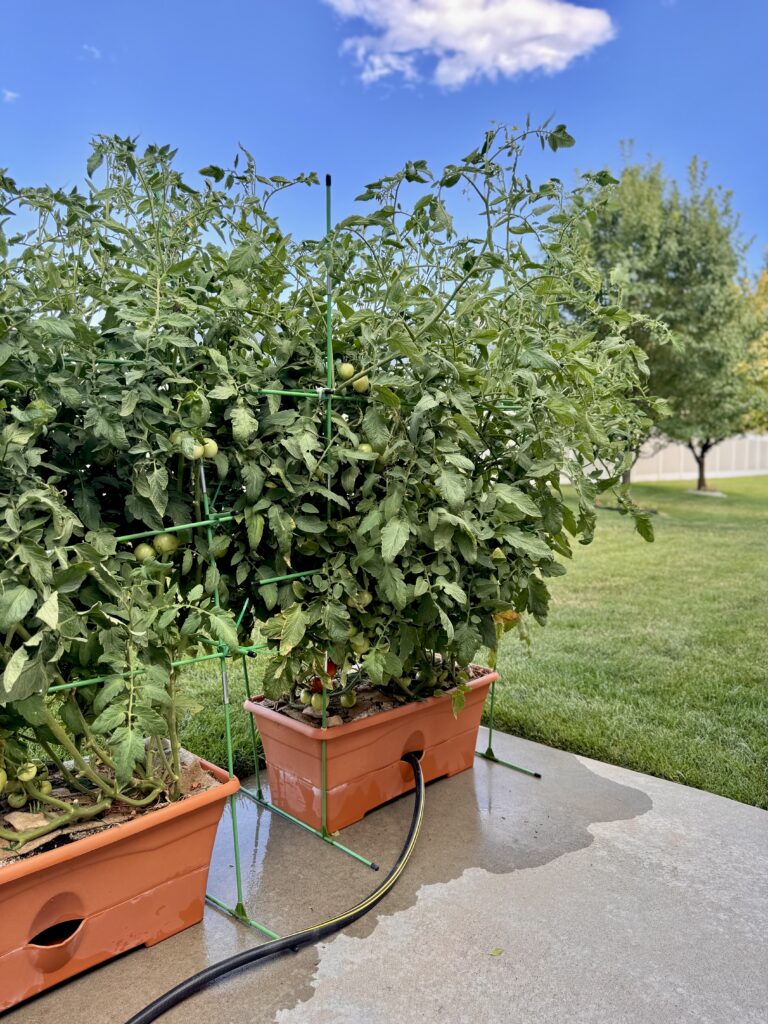
How Grow Boxes Work
Grow Boxes include a built-in water reservoir at the bottom of the container that supplies moisture to the soil above. You only need to fill the reservoir with water instead of directly watering the soil. This means that you can experience great results without as much pressure to water daily! Note in the hottest part of summer, watering daily may still be necessary if your plants are large and thirsty. However, at the beginning of the season you might only need to water weekly.
Moisture moves upward through the potting mix similar to how a straw pulls liquid upward. Plants take up water at their own pace, which keeps roots evenly moist without becoming waterlogged.
Grow boxes often include mulch pads and so you also don’t have to worry as much about weeding!
Benefits of this design:
• Less frequent watering
• Healthier root systems
• Reduced evaporation
• Less frequent weeding
• More consistent plant growth
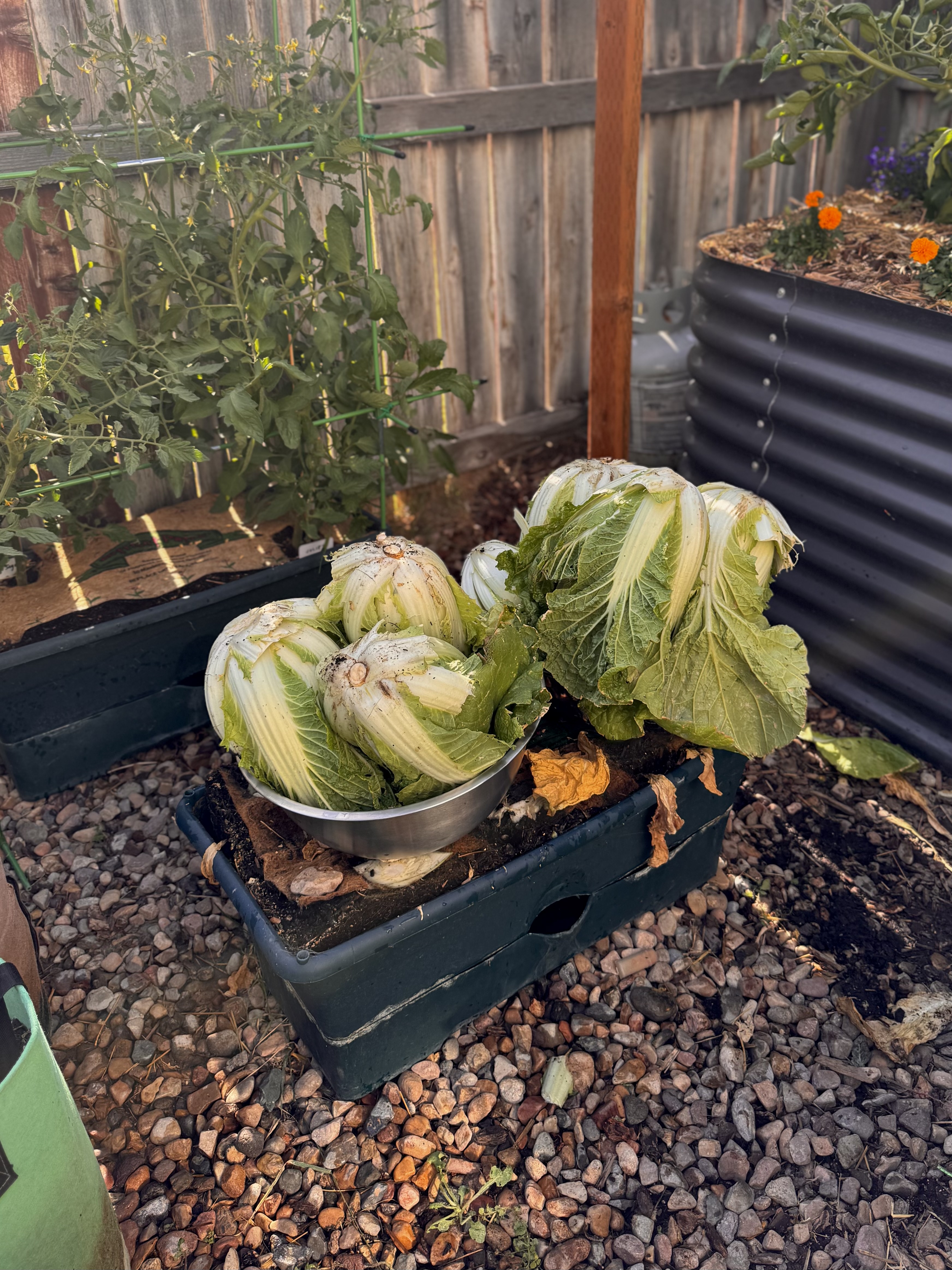
Who Grow Boxes Are Best For
Grow boxes are a great fit for many gardeners, but they really shine for:
• New gardeners learning the basics
• Small space and patio gardeners
• Growing on decks, balconies, or concrete slabs
• Busy gardeners or hot climates
• Heavy feeding crops like tomatoes and peppers
Pros and Cons: Earthbox and Garden Patch GrowBox
EarthBox:
| Pros | Cons |
| One-piece construction that feels very sturdy | Smaller three-gallon water reservoir (instead of four-gallon) |
| Components on the interior seem harder to break | Water level is not visible from the outside |
| Option to attach wheels for easier moving around | Mulch covering blocks rain |
| Some bundles include potting mix | Accessories add to the total cost |
| More box designs for herbs, root vegetables, etc. |
Garden Patch GrowBox:
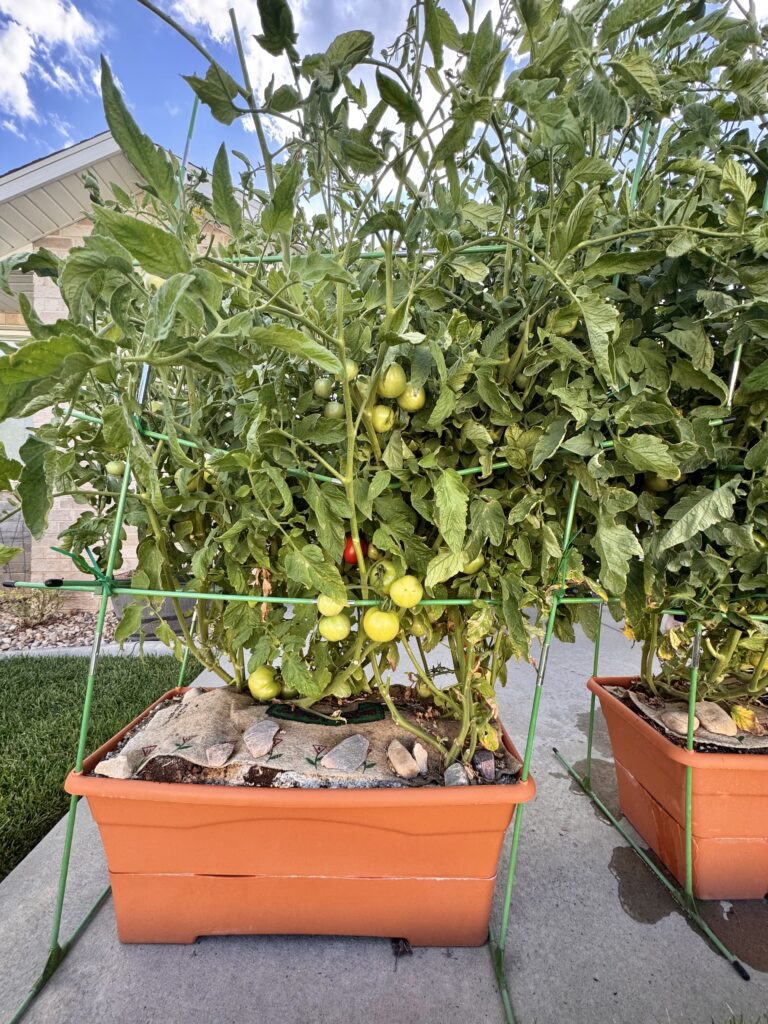
| Pros | Cons |
| Larger four-gallon water reservoir | Multi-piece construction requires more care when moving |
| Water level is visible from the outside | No built-in wheels |
| Mulch patch allows rainwater to enter | |
| Mulch patch has convenient planting guide | |
| Slightly cheaper price point |
Side-by-Side Comparison
| Feature | EarthBox | Garden Patch GrowBox |
| Construction: | One piece (more durable) | Multi-piece – harder to carry/transport |
| Mobility: | Wheels attachment option | No wheels |
| Trellis: | TBD (Will test soon) | Very sturdy |
| Mulch Patch: | Included option | Included option |
| Water Reservoir: | Three gallons | Four gallons |
| Water Visibility: | Not visible | Visible from outside |
| Rain Contribution: | Minimal | Yes |
| Best fit: | Durability and mobility | Water monitoring and capacity |
Both the EarthBox and the Garden Patch Grow Box are excellent grow boxes built
around the same self watering concept. I’m excited to test out the EarthBox this season
to have more details about which container I would recommend above the other.
I will have more definitive side by side results after this growing season, but for now,
either option is a solid choice for easier, more forgiving container gardening.
Thanks for reading along, guys! If you enjoyed this, check out my other gardening blog posts:
- How to Start a Garden on a Budget for Under $100
- 4 Reasons Why Tomatoes Are the Best Vegetable to Grow
- My Garden Setup: 3 Best Garden Containers for Every Gardener
- When to Plant Indoors vs. Outdoors: A Seasonal Guide for Gardeners
- Essential and Nice-to-Have Garden Products for Your Perfect Setup
- Starting Seeds vs. Buying Transplants: How to Decide for Your Garden



0 Comments