
Japanese cooking might seem intimidating at first, but it actually relies on just a small handful of ingredients! From the foundation of dashi to everyday staples like soy sauce, miso, and mirin, these essentials form the backbone of countless dishes. It can be a little intimidating using an ingredient you’ve never worked with before, so that’s why I made this blog post.
Once you have these essentials in your kitchen, meals like noodle soups, rice bowls, and simple homemade sauces will become second nature! Whether you’re just getting started or looking to build a more intentional pantry, these are the ingredients that bring authentic Japanese cooking into your home. Let’s get into it!
Also, note that all of these ingredients listed are on my Amazon storefront for easy access.

1. Core Seasonings (The Basics)
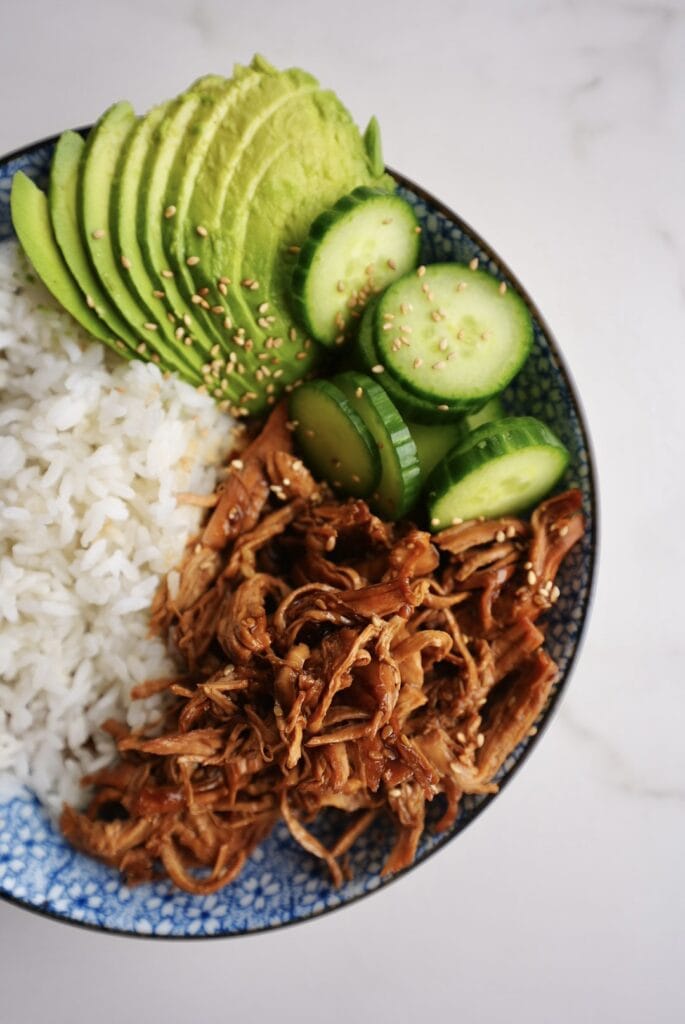
- Soy Sauce: A salty, umami-rich sauce used in marinades, dipping sauces, and everyday cooking.
- Common uses: teriyaki sauce, dipping for sushi/sashimi, seasoning stir-fries
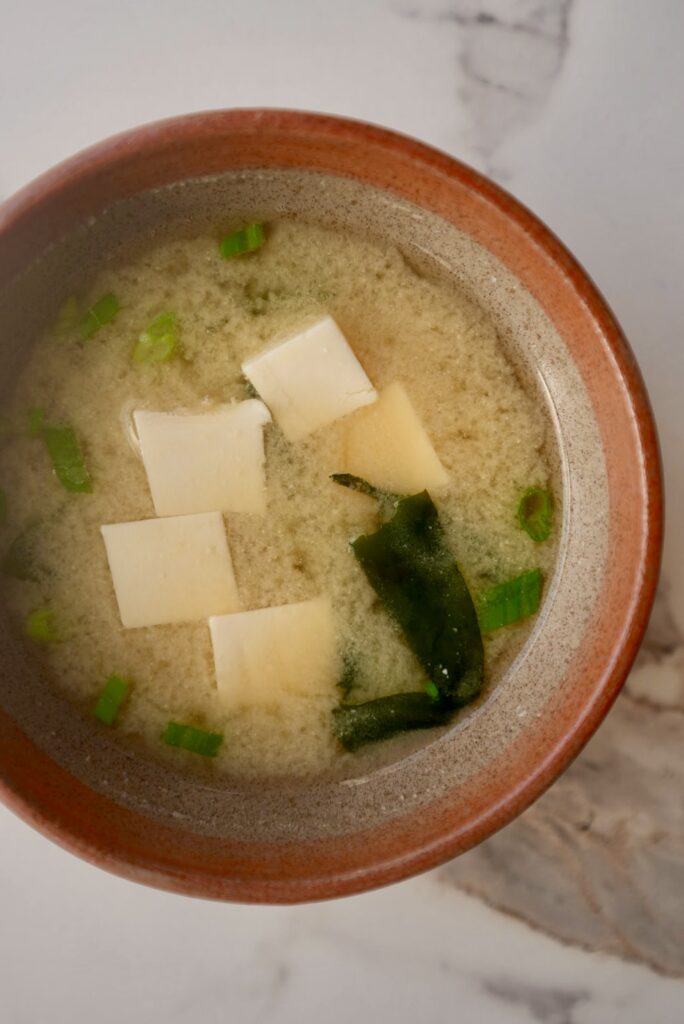
- Miso: A fermented paste that adds deep, savory flavor to soups, sauces, and glazes.
- Common uses: miso soup, miso-glazed salmon, miso ramen broth
- Mirin: A lightly sweet cooking wine that balances salty flavors and adds a glossy finish.
- Common uses: teriyaki sauce, simmered dishes (nimono), noodle broths

- Sake: Used in cooking to enhance flavor and help tenderize proteins.
- Common uses: marinades for fish/meat, sauces, removing odor from seafood
- Rice Vinegar: A mild, slightly sweet vinegar essential for sushi rice and light dressings.
- Common uses: sushi rice, sunomono (cucumber salad), pickling vegetables

2. Umami and Broth Essentials
- Kombu: Dried kelp that creates a subtle, clean umami base for broths.
- Common uses: dashi base, simmered beans, adding depth to soups
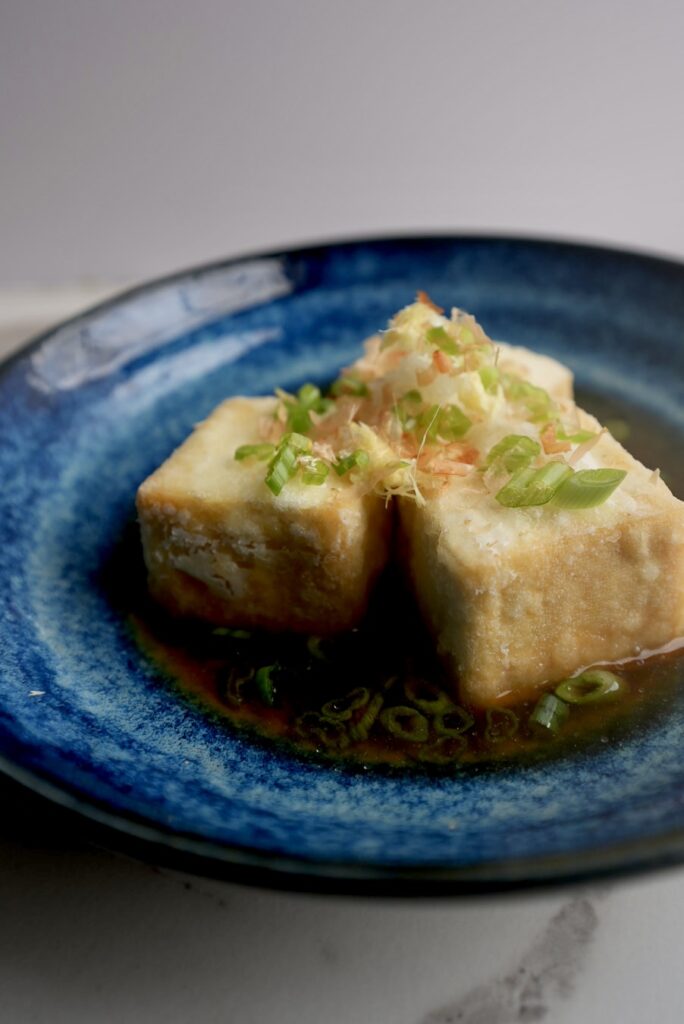
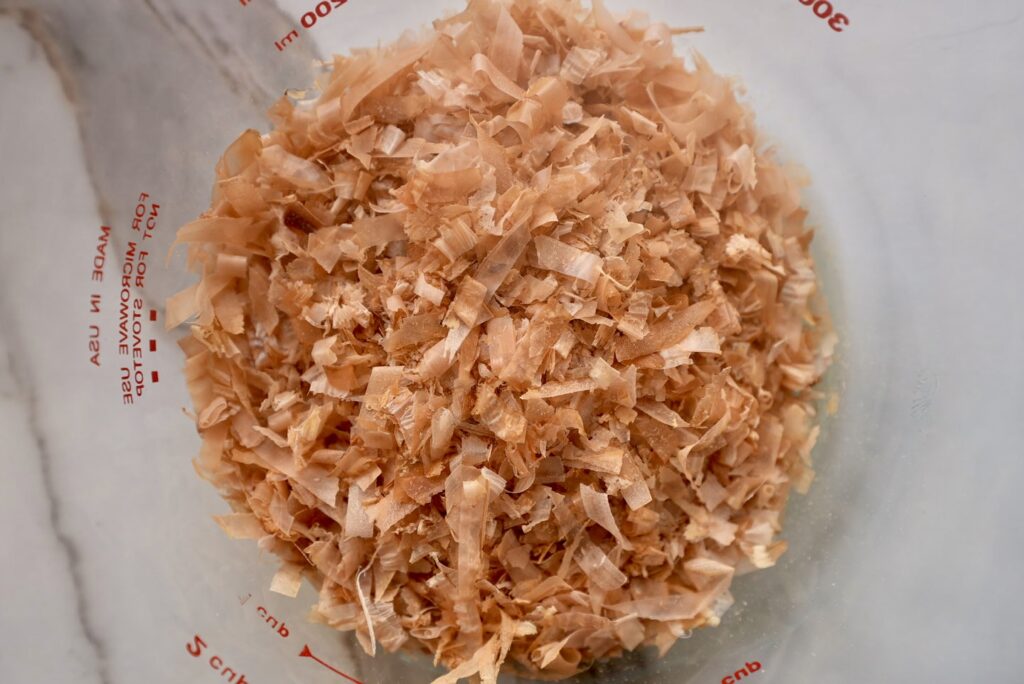
- Katsuobushi: Smoky, paper-thin dried fish flakes that add depth to soups and toppings.
- Common uses: dashi, topping for okonomiyaki, topping for takoyaki
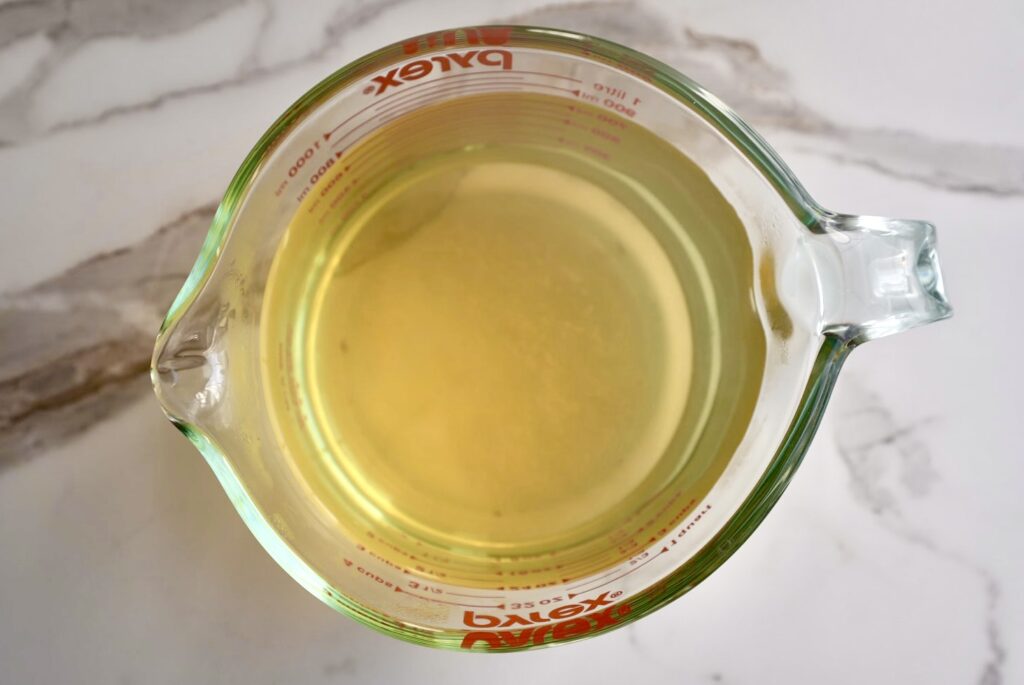
- Dashi: A foundational broth that brings a delicate, savory backbone to many dishes. Dashi is definitely in the category of core basic ingredients, but I separated into a different category of its own since it’s that important! Feel free to use hondashi as a shortcut. You simple add hondashi (which is basically a powder) into water to create dashi.
- Common uses: miso soup, udon/soba broth, chawanmushi (savory egg custard)
3. Grains & Noodles
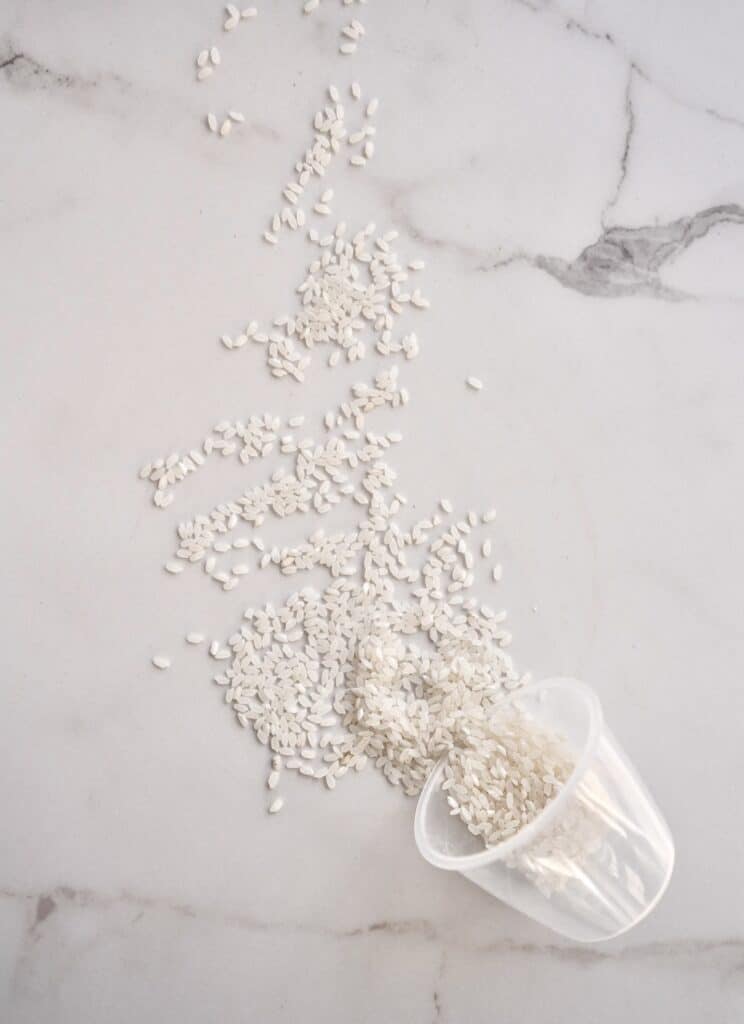
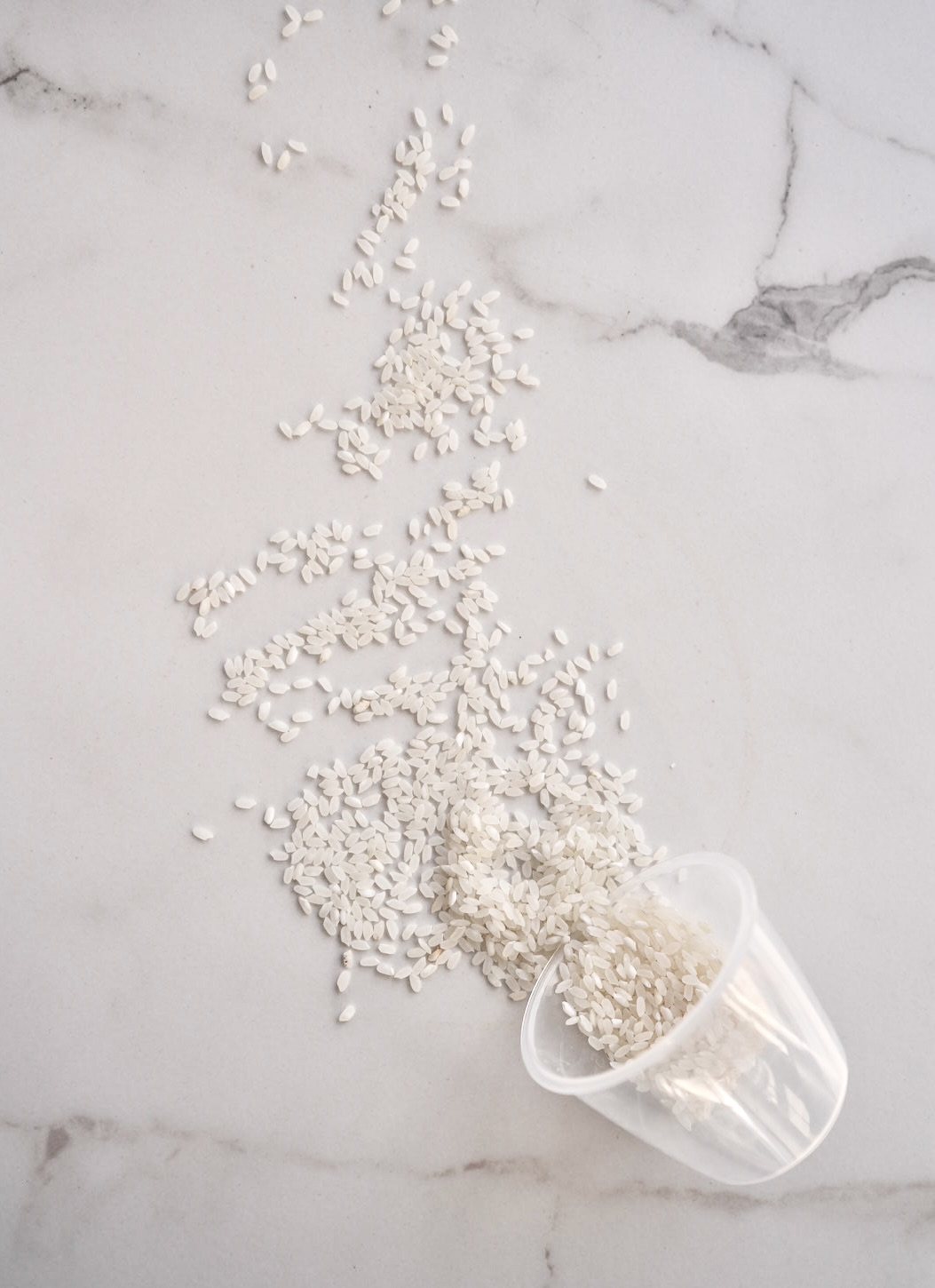
- Japanese Short-Grain Rice: Sticky, white rice that pairs perfectly with Japanese meals. You can also use medium-grain (which is what I use most of the time since it tends to be slightly cheaper where I live and has an almost identical taste).
- Common uses: sushi, onigiri, donburi (rice bowls)
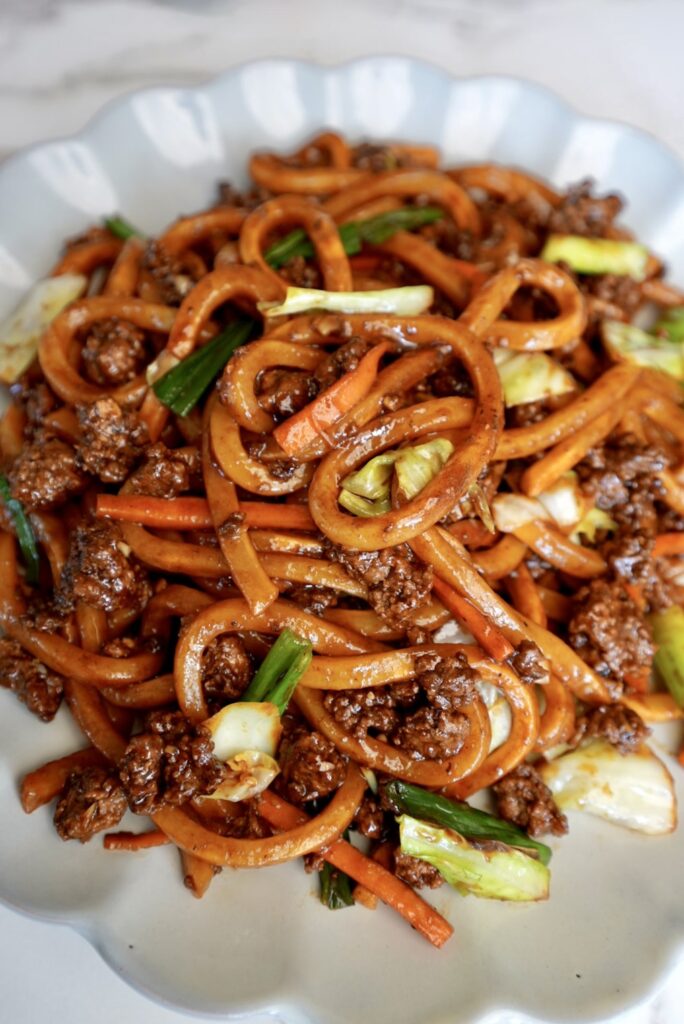
- Udon: Thick, chewy noodles often served in comforting brothy soups. With udon, I highly recommend using frozen, fresh, or refrigerated udon. Dried udon is thinner and loses its bouncy texture.
- Common uses: kake udon, curry udon, tempura udon
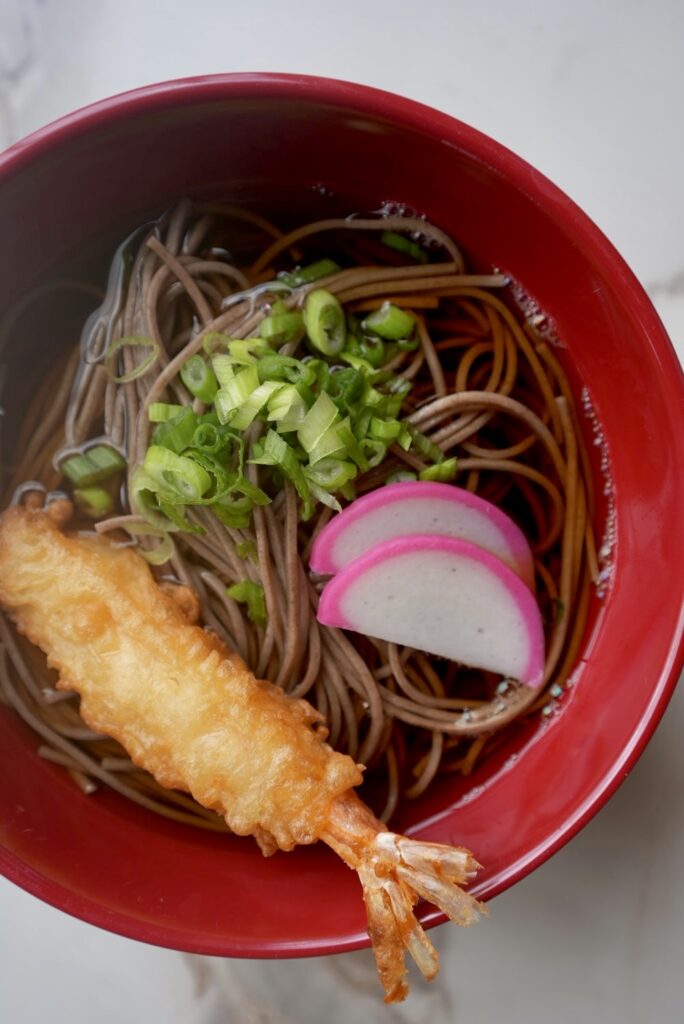
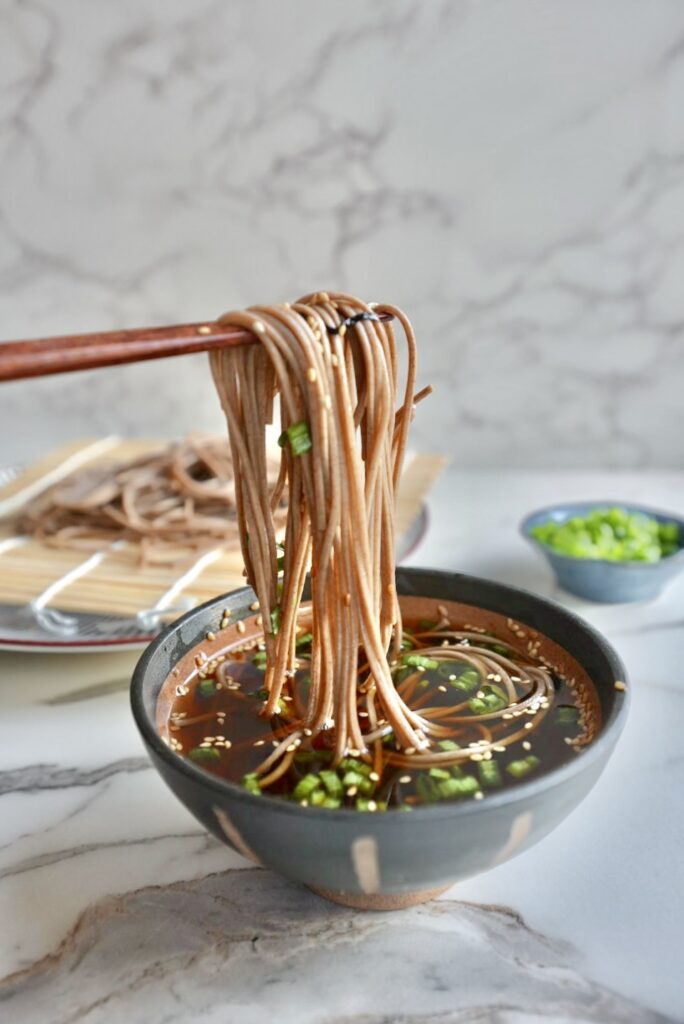
- Soba: Thin noodles with a nutty flavor, enjoyed hot or cold.
- Common uses: zaru soba (cold dipping noodles), soba soup, New Year’s soba
4. Oils and Condiments
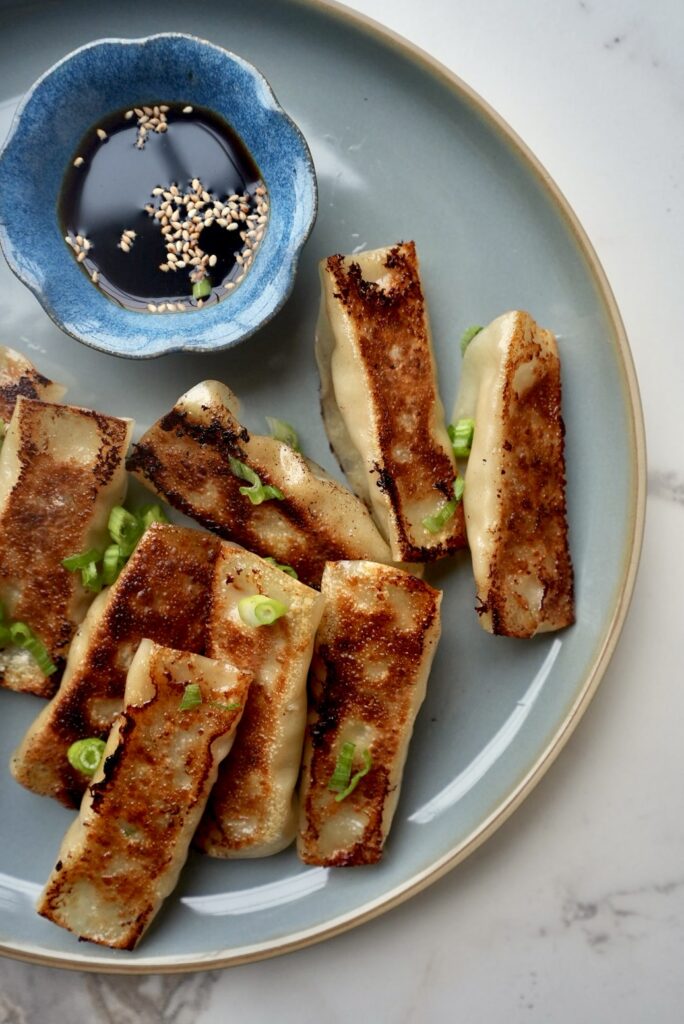
- Sesame Oil: A fragrant oil used to finish dishes with a rich, nutty aroma. Even though it’s subtle, it’s also somehow very powerful!
- Common uses: dressings, finishing stir-fries, drizzling over noodles
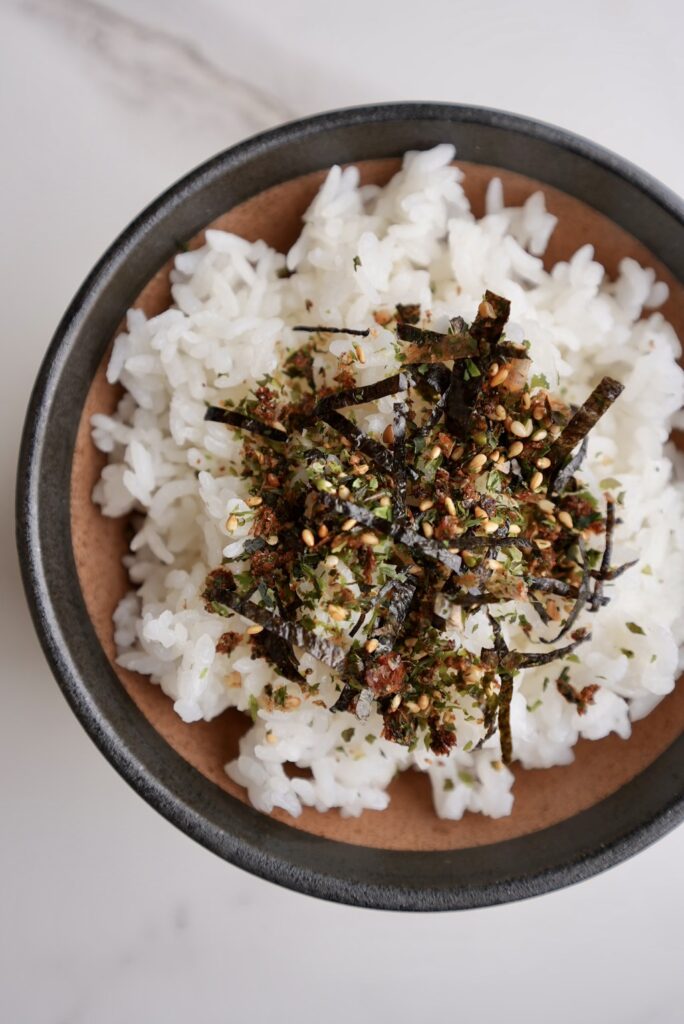
- Furikake: A savory seasoning blend sprinkled over rice for instant flavor.
- Common uses: topping for rice, seasoning onigiri, finishing bento
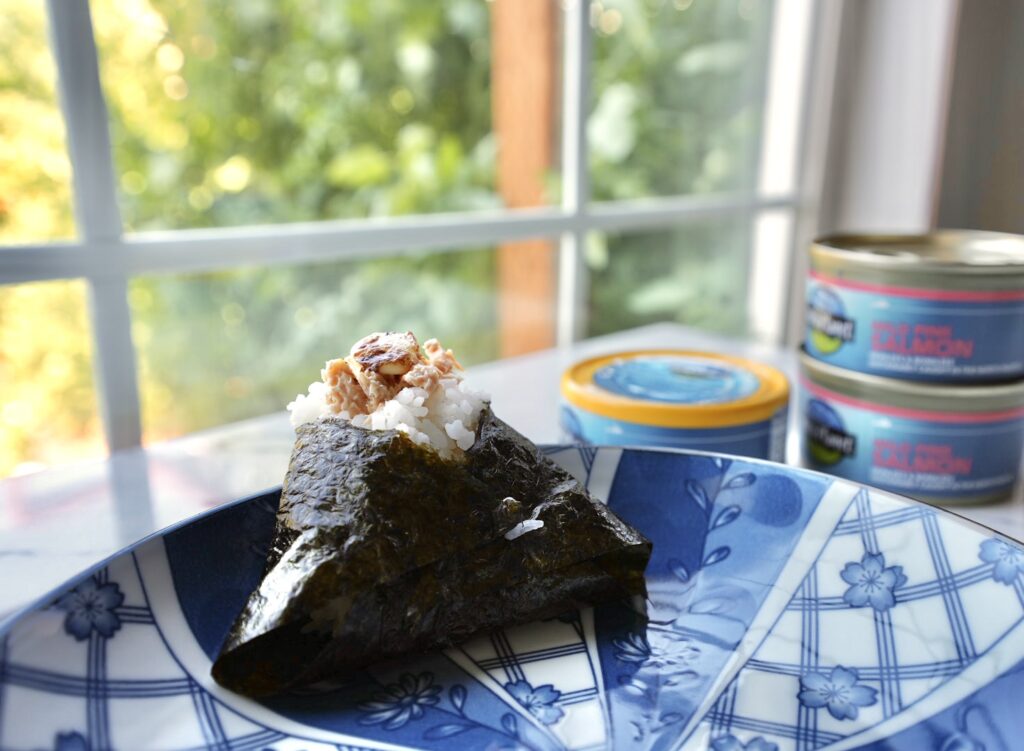
- Nori: Crisp seaweed used for sushi, onigiri, or as a topping.
- Common uses: sushi rolls, onigiri, ramen topping
- Kewpie (Japanese Mayonnaise): A richer, tangier mayo that adds creaminess to sauces and dishes.
- Common uses: okonomiyaki drizzle, egg salad, sushi bakes
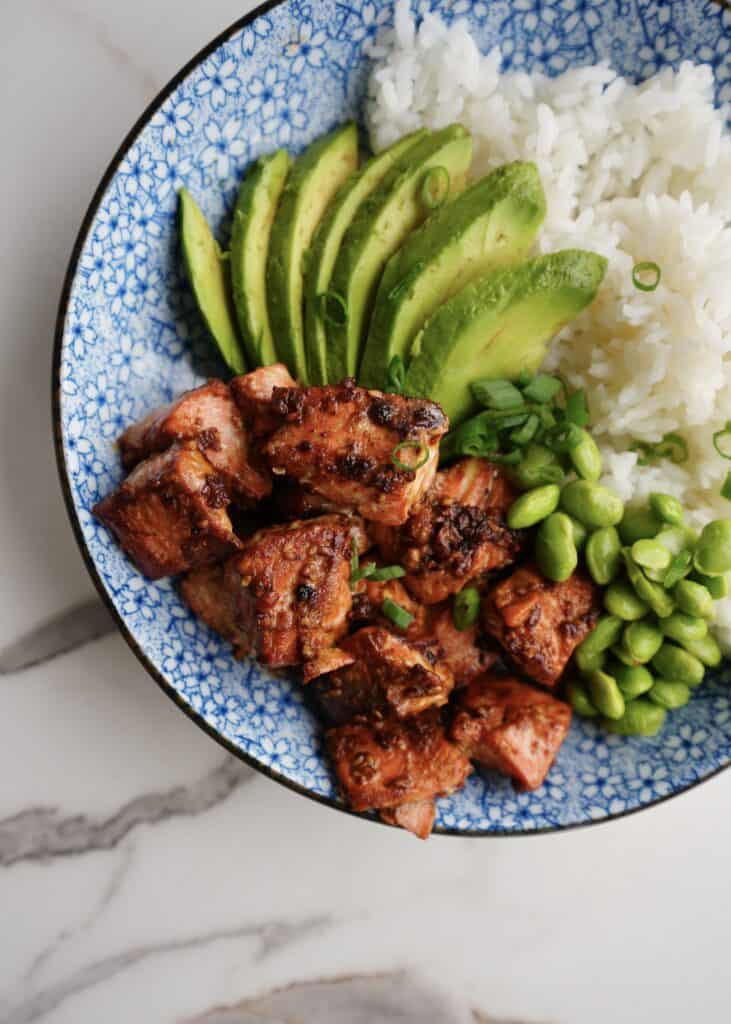
5. Pantry Add-Ons (Nice to Have)
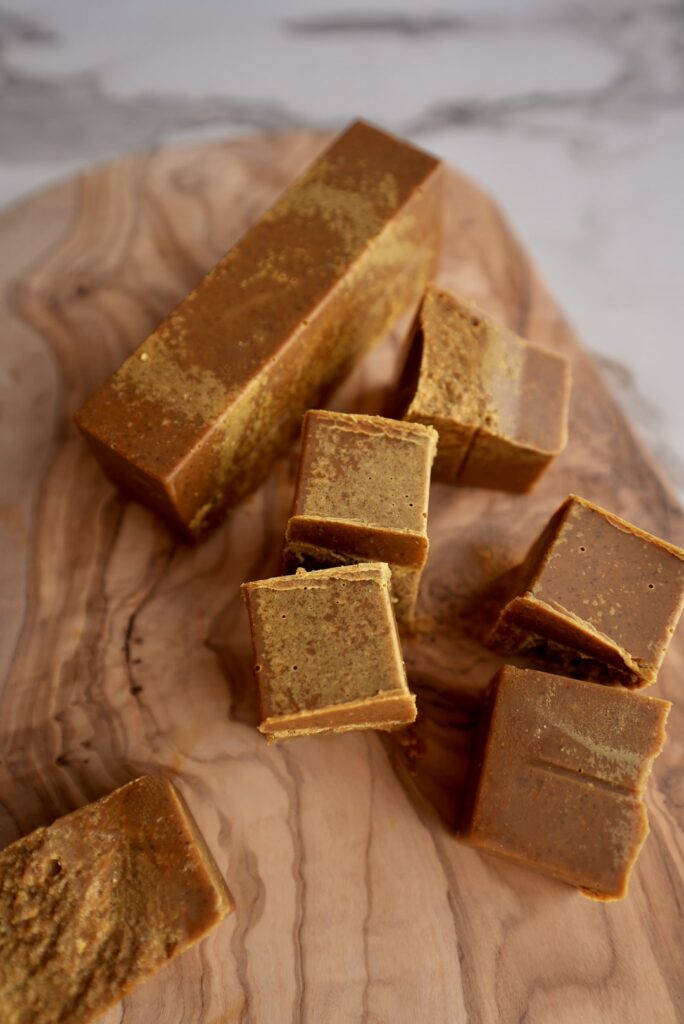
- Japanese Curry Roux: Pre-made blocks that melt into a thick, savory Japanese-style curry.
- Common uses: Japanese curry rice, curry udon, katsu curry
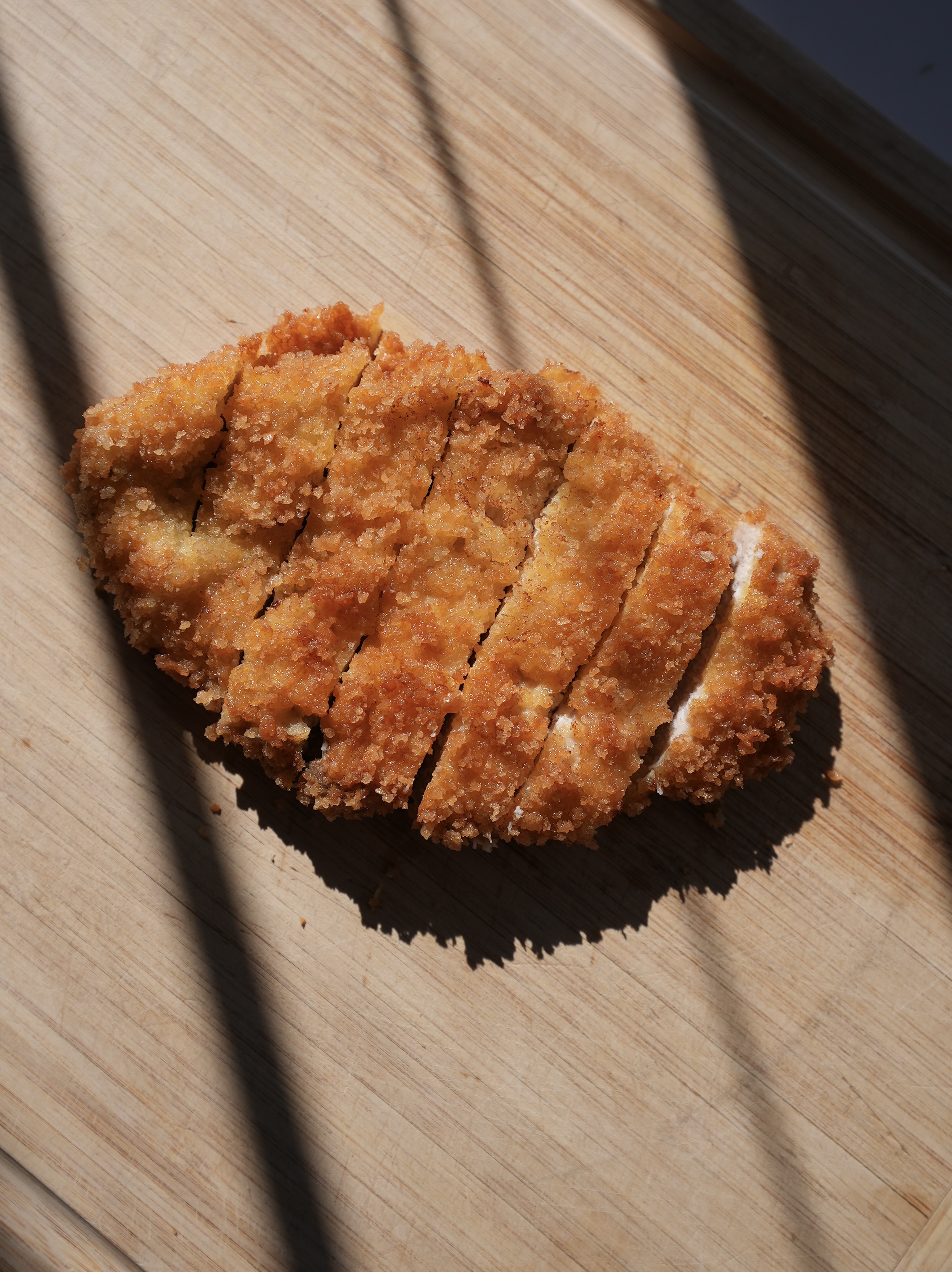
- Panko: Light, airy breadcrumbs that create an extra crispy coating.
- Common uses: tonkatsu, chicken katsu, ebi fry
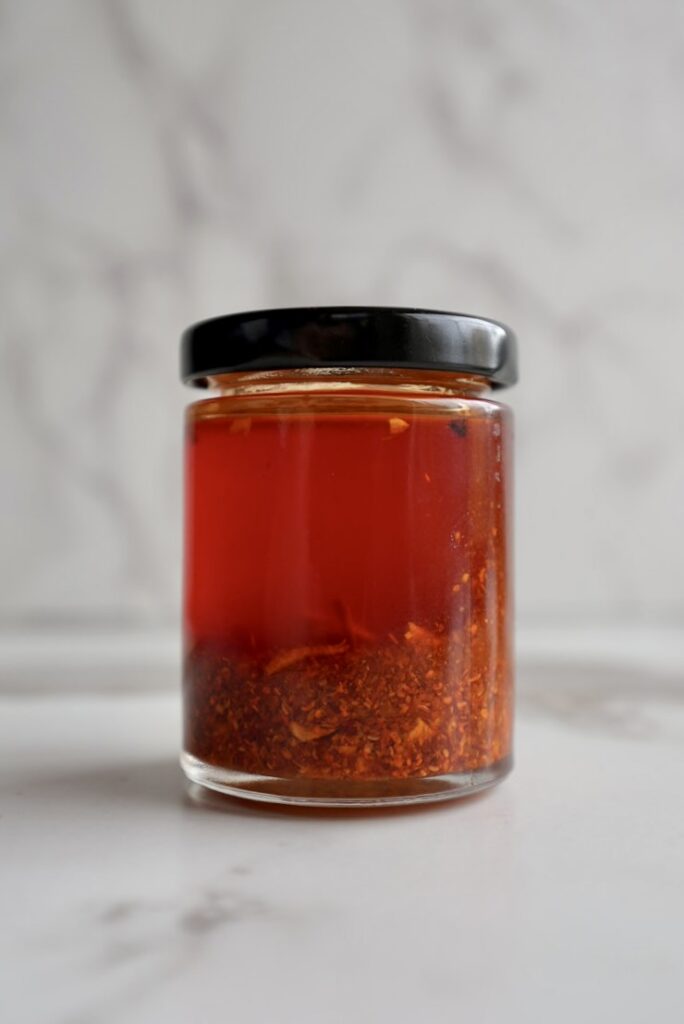
- Shichimi Togarashi or Ichimi Togarashi: Shichimi is a bold spice mix with chili, citrus, and sesame for a hint of heat, while Ichimi is simply just ground chili pepper.
- Common uses: sprinkling over noodles, rice bowls, grilled meats
- Ponzu: A bright, tangy sauce that combines soy sauce with citrus juice.
- Common uses: dipping sauce for hot pot, dressing for salads, sauce for grilled fish
At the end of the day, Japanese cooking is less about complexity and more about intention – how a few simple ingredients are used thoughtfully to create something balanced and satisfying.
Once you become familiar with staples like miso, dashi, and rice vinegar, you’ll start to recognize how often they show up and how easily they come together in different ways. Over time, these ingredients won’t feel like “specialty items,” but everyday essentials you can rely on.
Remember that all of the ingredients on this blog post are on my Amazon storefront for easy access.
Hope you guys enjoy, and as always, feel free to reach out with any questions!





0 Comments