
Hey all! Real Farmer Jeff here.
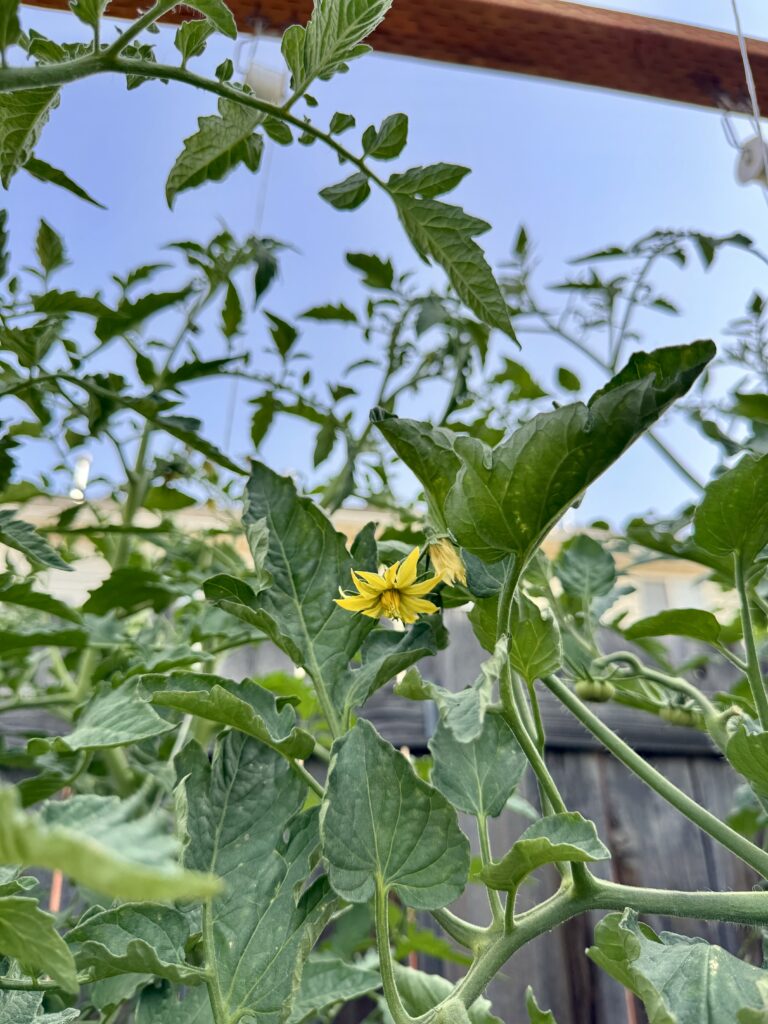
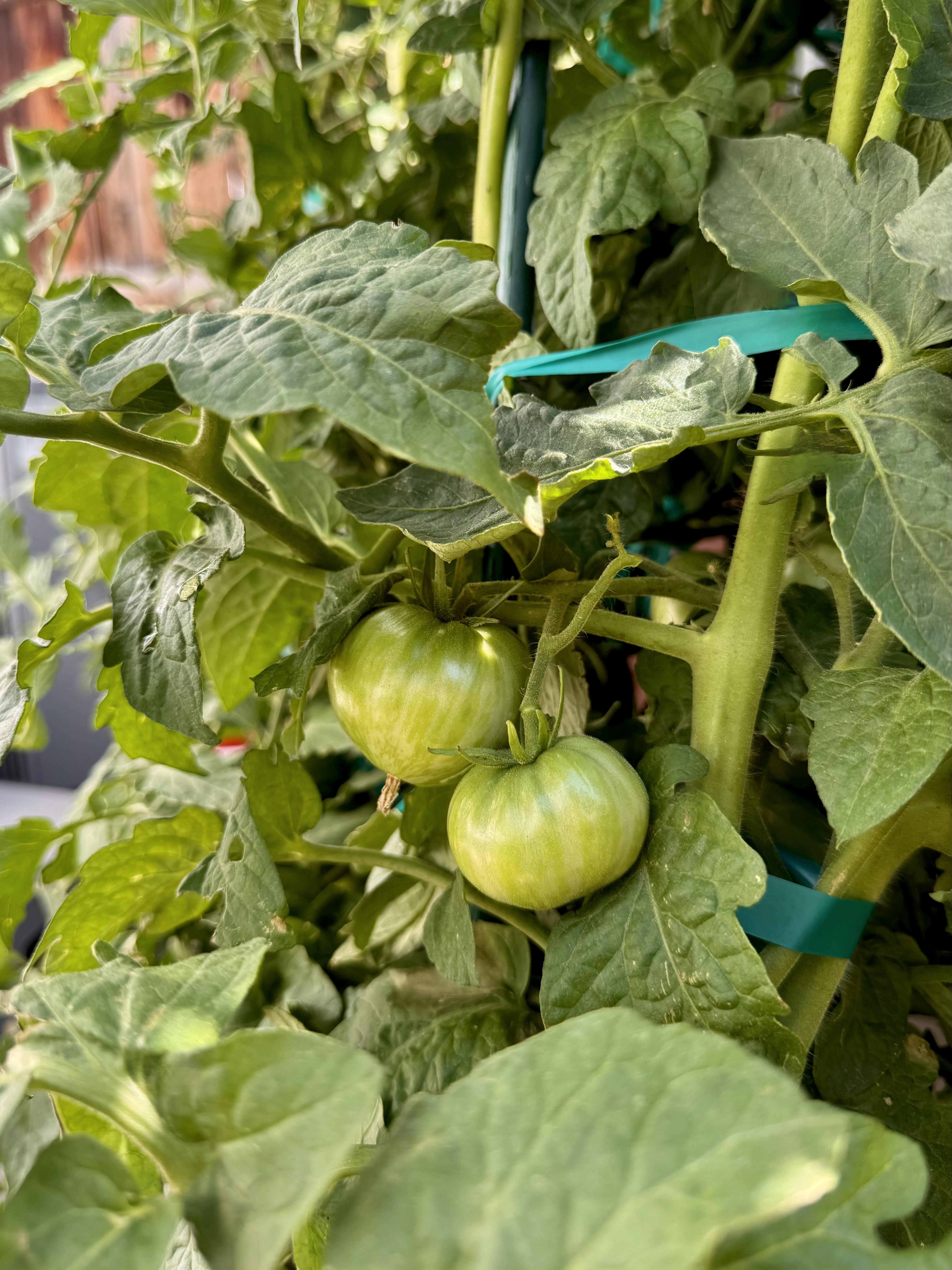
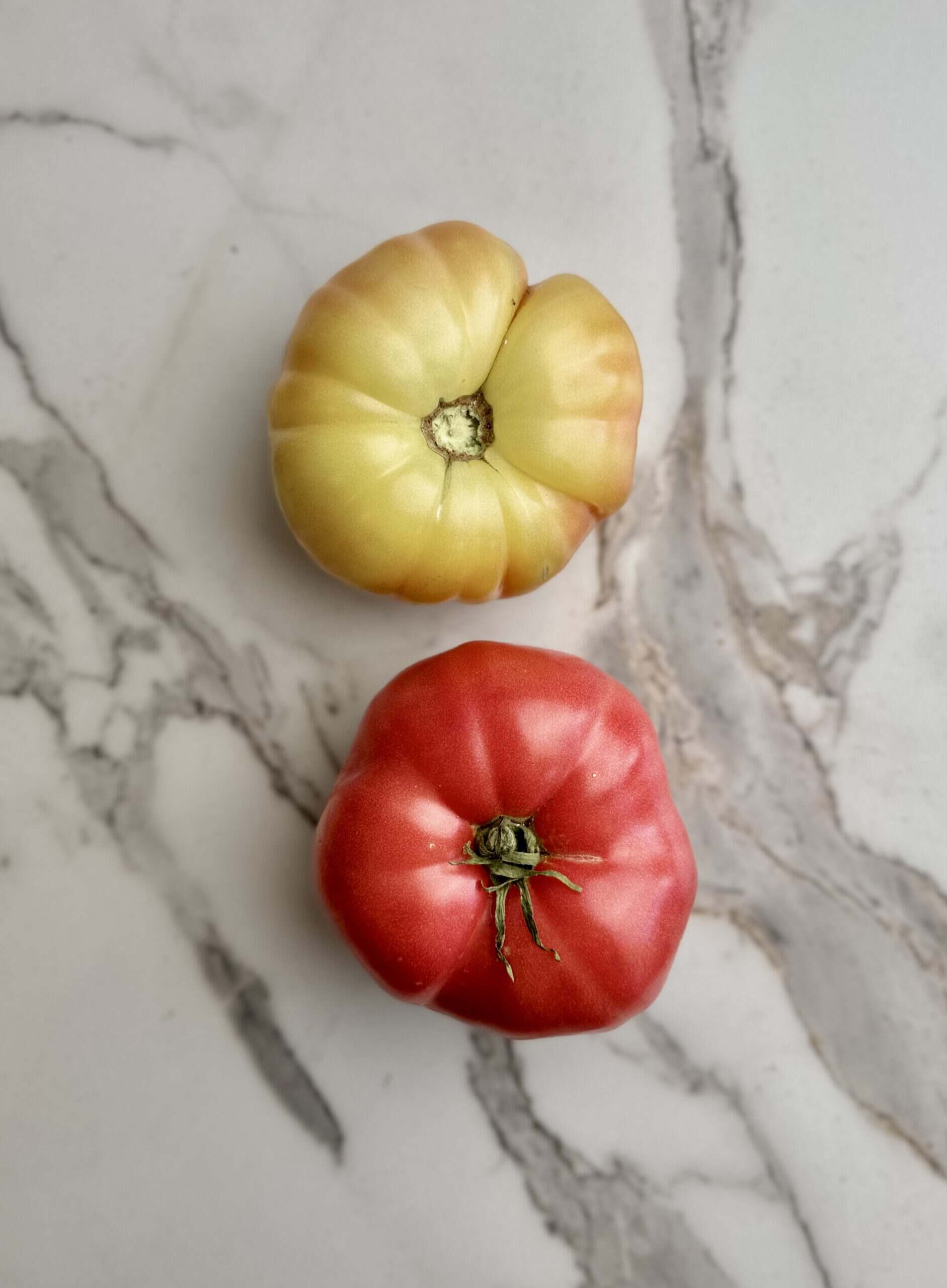
Every year, I hand pollinate my tomatoes (hand pollinating a tomato means manually helping the plant transfer pollen from the male part of the flower to the female part so it can produce fruit). There’s something satisfying about knowing I’m essentially guaranteeing high yields by assuring that each flower will turn into a tomato.
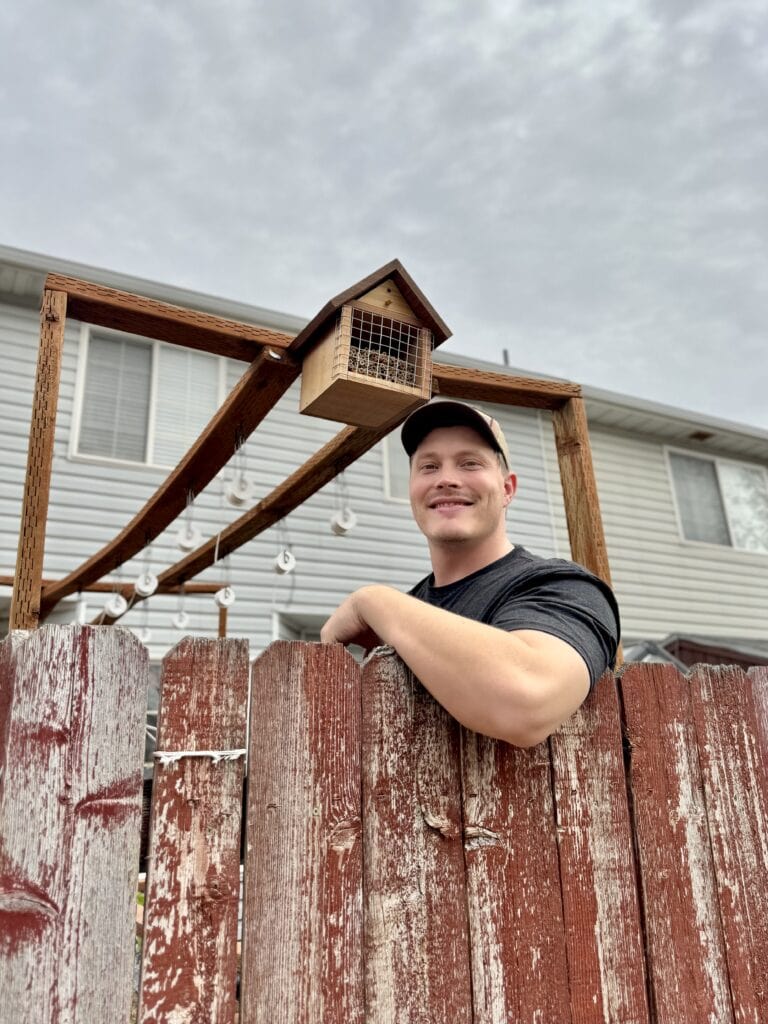
Even though I don’t mind the effort of hand pollinating, it’s work that should (ideally) already be happening on its own. Tomatoes rely on vibration for pollination, which is something most bees do naturally. In my garden, there aren’t currently enough pollinators to keep up, which made me consider getting my own bees. In this blog post, I’ll share my solution for my garden, as well as a little info on pollination in the garden.
The Pollinator Problem
Pollinators are in serious decline due to habitat loss, pesticide exposure, climate change, and disease.
- Native bees: Hundreds of species are at risk, with some populations declining 6–16% per year.
- Monarch butterflies: Populations have dropped about three-quarters in recent decades.
- Overall: A 2025 report states that more than 20% of North American pollinators are currently at risk of extinction.
These losses affect more than farms. They also show up in backyard gardens as dropped flowers, inconsistent yields, and plants that underperform despite your care. Considering pollinators are responsible for roughly one-third of the food we eat, their decline is a problem worth paying attention to.
Bees: Garden Pollinators
Most people think of honey bees when they hear “bees”, but they’re actually not native to North America. European honey bees were introduced centuries ago for honey production and crop pollination. Despite not making honey, native bees are often better pollinators for home gardens because they’re perfectly adapted to local plants and climates. Many are also more efficient at transferring pollen, especially for crops like tomatoes, berries, and fruit trees.
Two types of native bees stand out for gardeners.
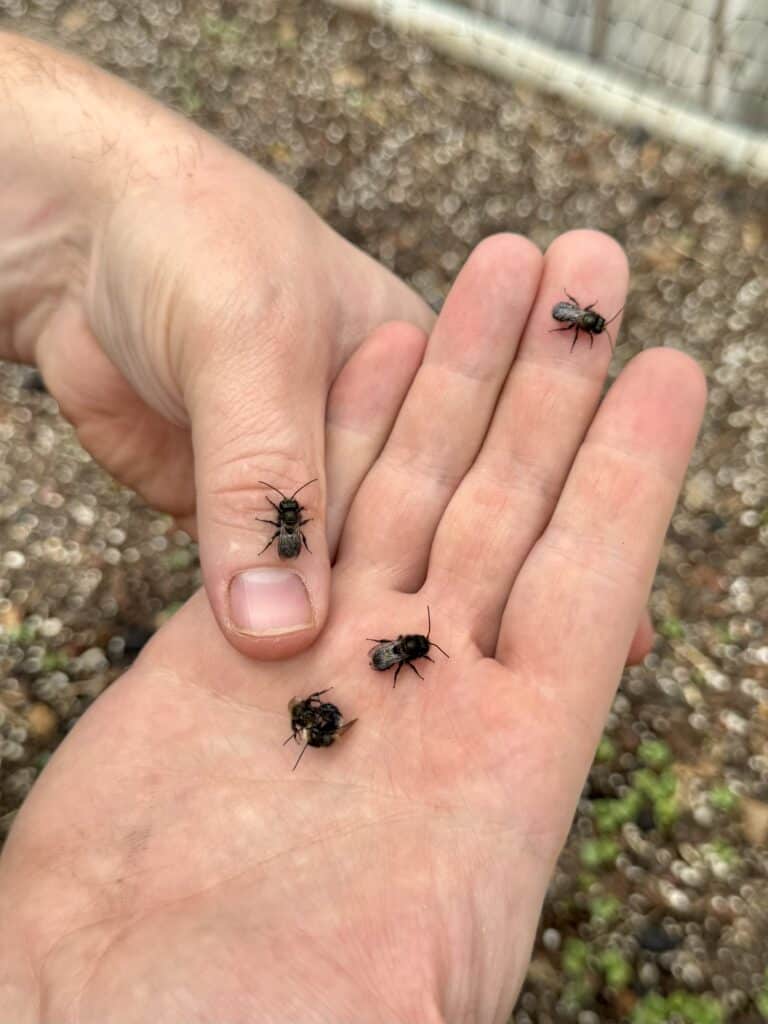
- Mason Bees are active in early spring and carry pollen loosely on their bodies, making them incredibly efficient for fruit trees and early blooms.
- Leafcutter Bees take over in summer, thriving in warm conditions and pollinating crops like tomatoes, squash, and beans. Together, they cover the entire growing season, reducing the need for hand pollination.
Supporting Pollinators in Your Garden
If you’re trying to grow a thriving garden like me, you know how important pollinators are. This is why it’s important to support them and create an environment that supports their population. That said, many people don’t know how to truly support them aside from just growing more flowers.
In that search, I came across a company called Crown Bees. Note that this is not an ad for them! I did my own research and they looked like a great company for reasons I’ll list below. Crown Bees helps home gardeners support native pollinators by providing bee houses, nesting materials, and resources for raising mason bees. Now before you lose interest, note that mason bees are extremely gentle and pretty much never sting!
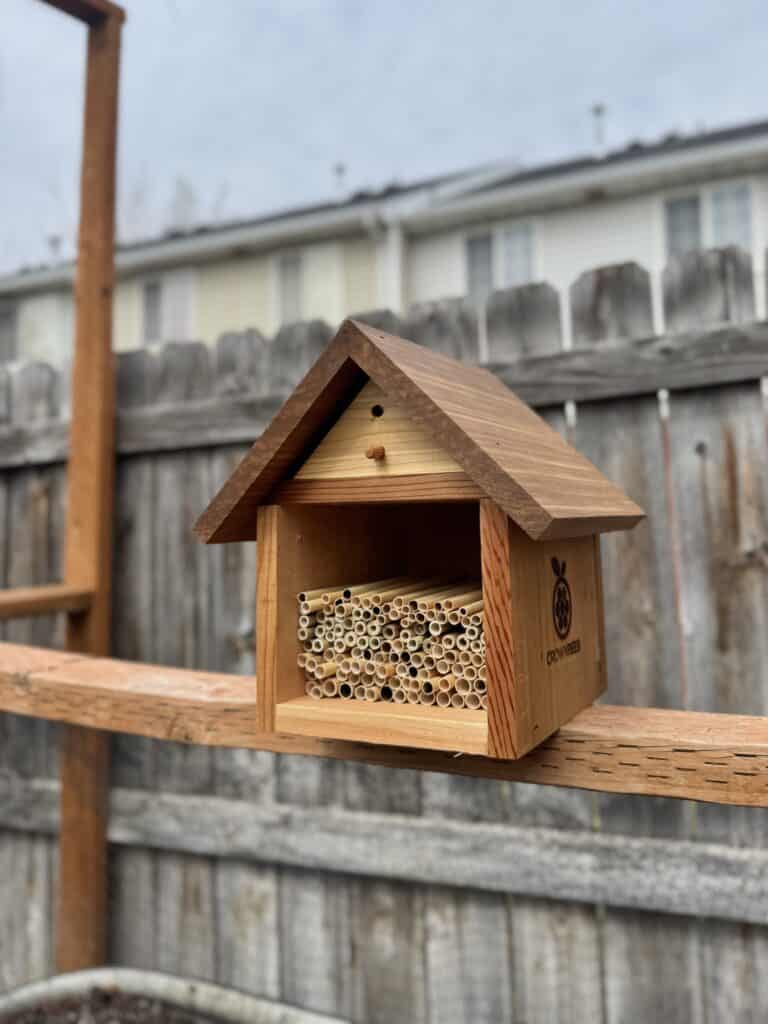
Unlike the honeybees we often think of, many native bees (like mason bees) are incredibly efficient pollinators that don’t require hives or complex care. They just need the right environment. From my research, I found that Crown Bees is the gold standard in the native bee space because of the following reasons:
- Their houses use natural reeds and untreated wood, mimicking how bees nest in the wild.
- Materials like plastic or paper are avoided, reducing chemical exposure and disease risk.
- You can send you bees from your exact region or with their houses you can attract the existing wild populations naturally.
- They provide also provide tools like mason bee attractant to so that bees seek out the bee houses.
Now that I have a bee house in my backyard (with bees that pollinate but don’t sting!), I’m excited to see the impact that my bee house has on my garden this season!
I may always hand pollinate some of my tomatoes because I enjoy it. However, I don’t want to have to rely on it. Hopefully in the upcoming years I can help the pollinators around my garden thrive.



0 Comments