
Hey all! Real Farmer Jeff here.
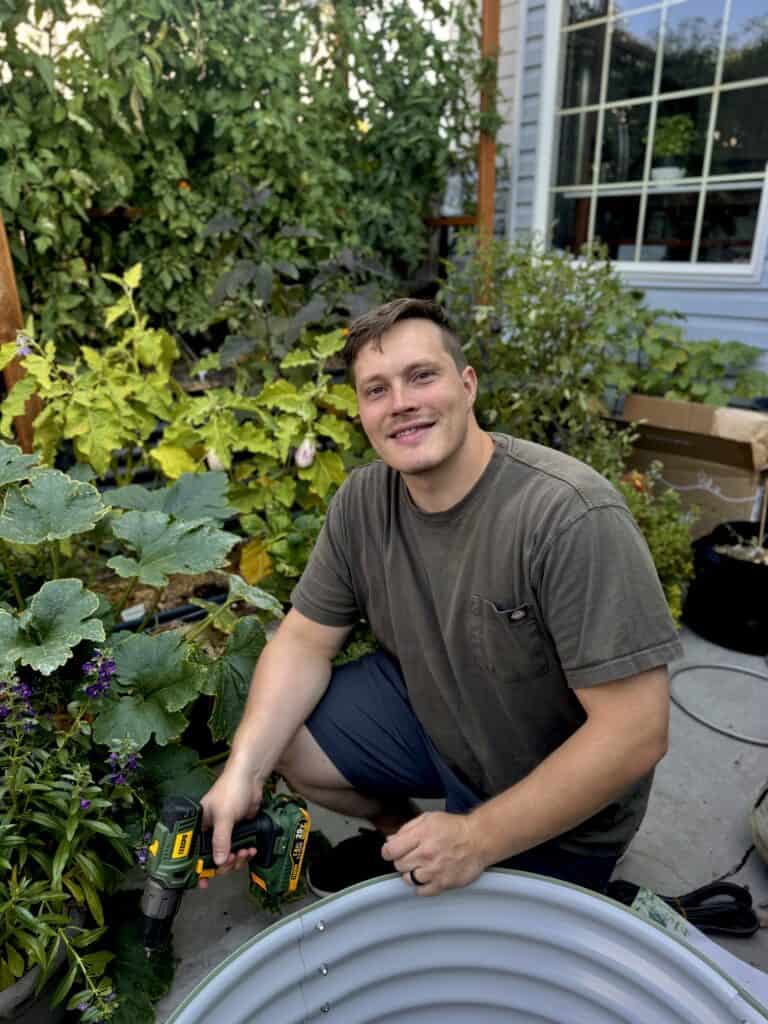
As many of you know, my garden is only about ~15 x 15 ft. However, I do my best to maximize yields as much as possible because it’s fun to grow TONS of food! One of my most frequently asked questions from friends (as well as you guys online!) is “How or what can I grow in my small space?”
In this blog post, I will share my top seven tips to consider if you’re trying to maximize your space. Let’s get started!
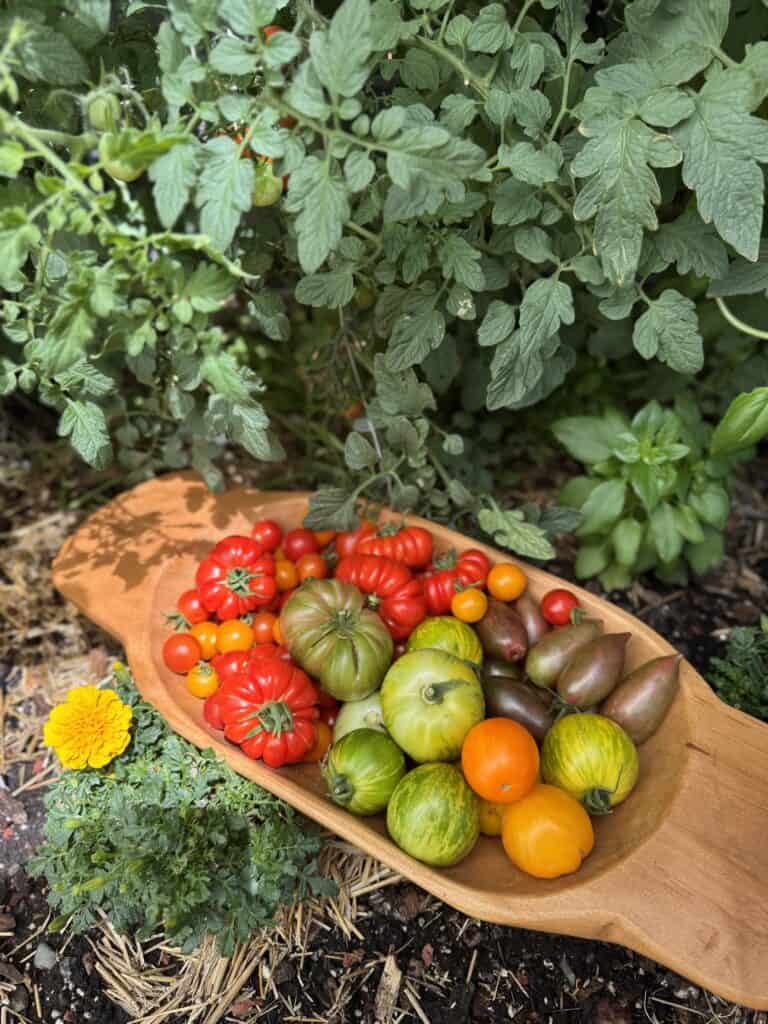
1. Think in Cubic Feet, Not Square Feet
What does this mean exactly? Instead of focusing only on the surface area your garden covers (square feet), consider the full volume of growing space (cubic feet), including height. Plan your garden in three dimensions rather than just two! In other words, focusing on vertical space will dramatically increase your yields.
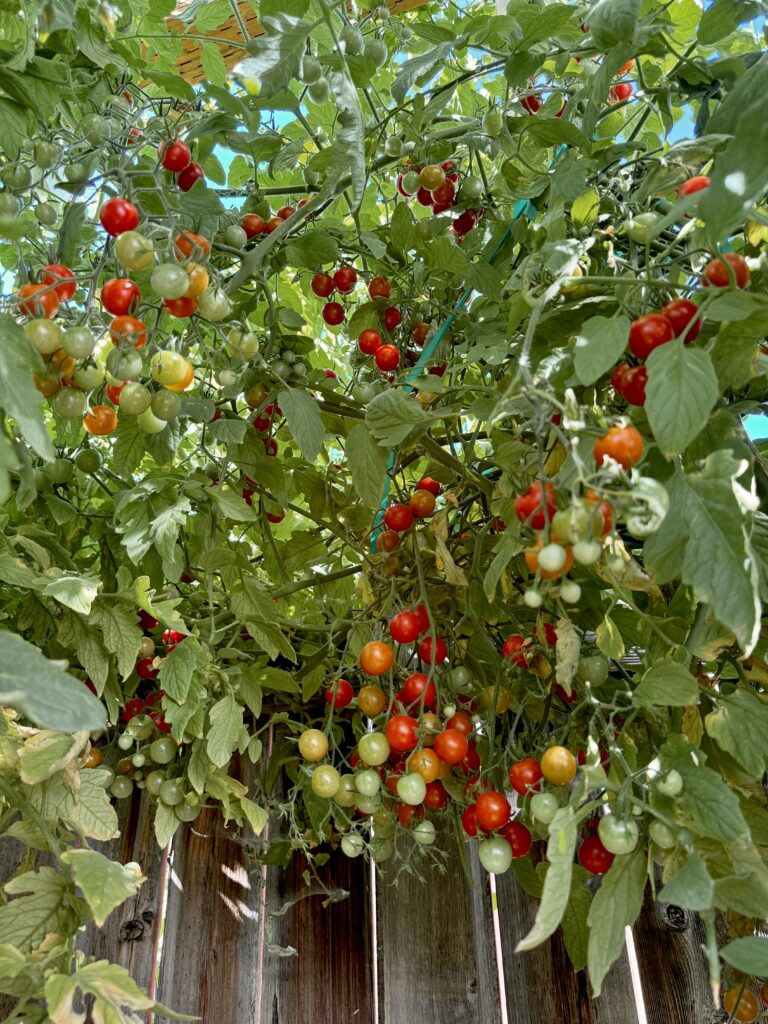
Climbing plants allow you to grow upward, turning one square foot into multiple productive layers. Tomatoes, cucumbers, peas, and pole beans are classic examples of plants that can thrive when grown vertically. That said, even though they naturally grow upward, they don’t automatically grow in a neat, vertical shape. Without guidance, they can sprawl, tangle, or even flop over, which limits airflow, sunlight exposure, and yields.
This is where training and trellising come in. By tying or weaving the plants onto a trellis, stake, or other support structure, you encourage them to climb in the desired direction.
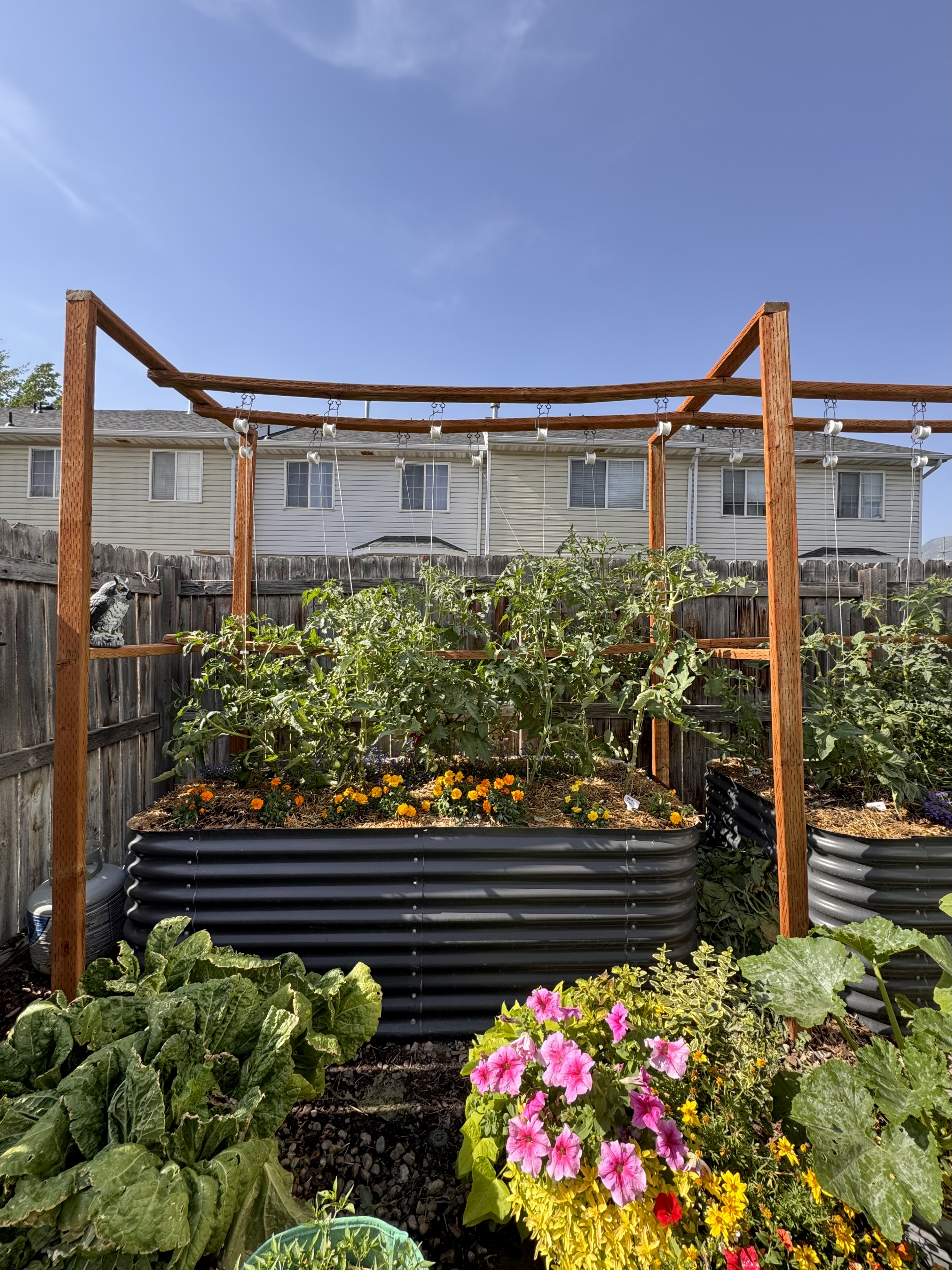
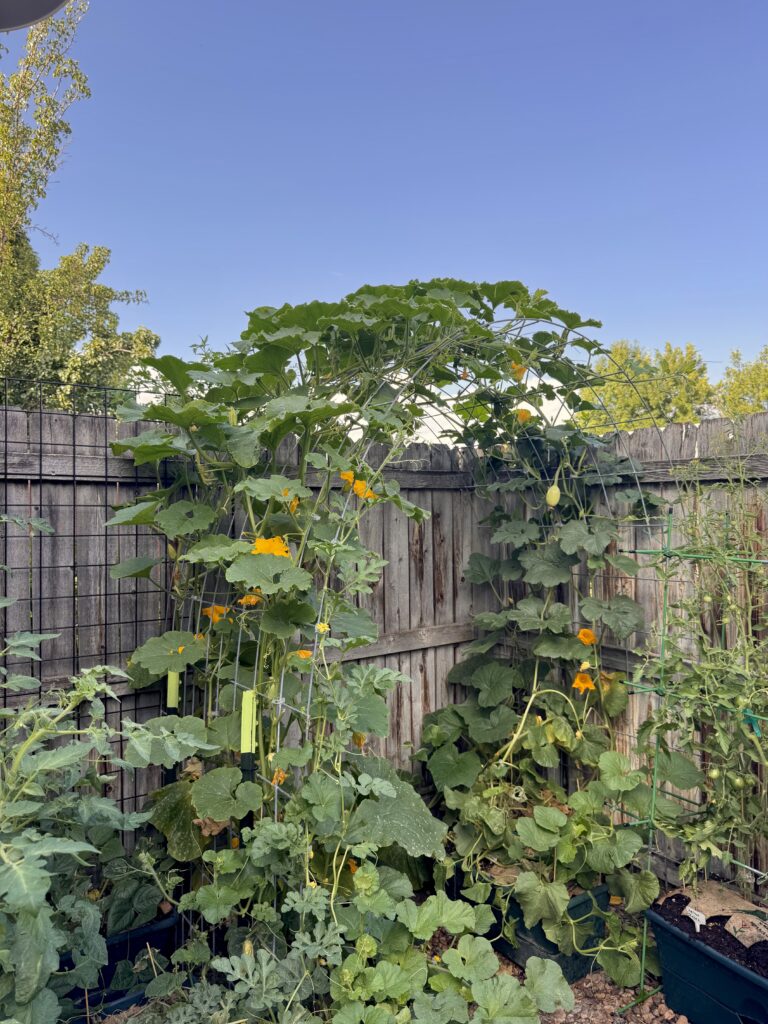
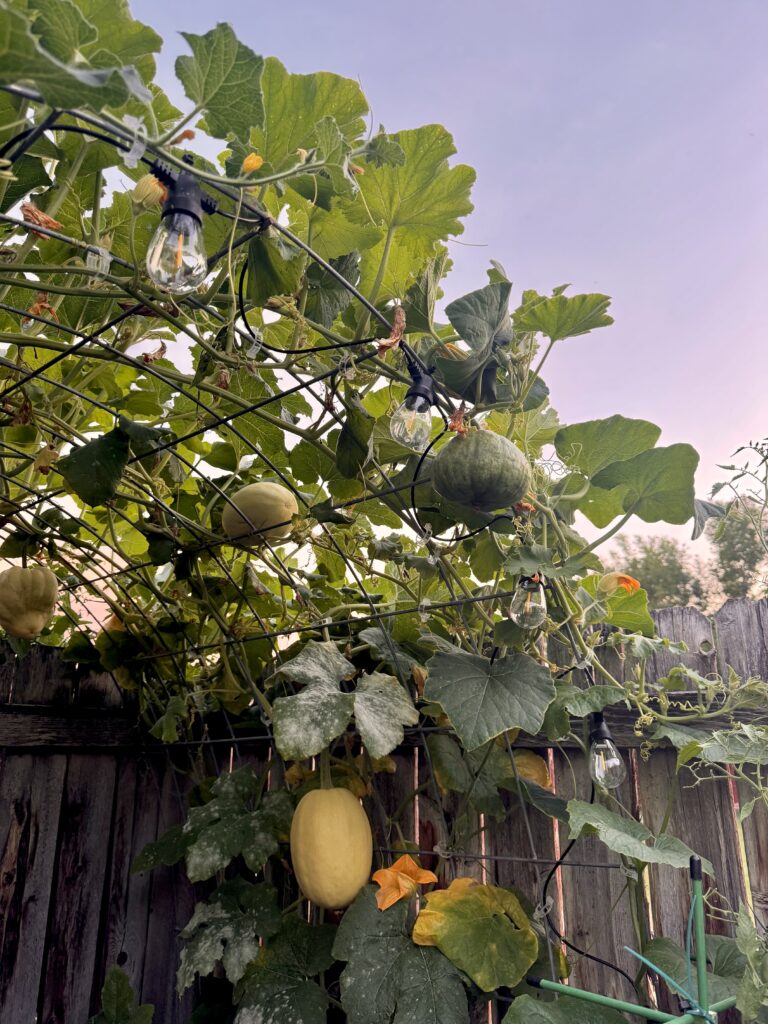
In addition, it’s also possible to trellis plants that are often not grown vertically. Two great examples of this are melons and winter squash. Always look to grow vertically when possible.
Not only is growing vertically great for increasing yields, it also improves airflow and light exposure, reduces disease, and makes harvesting easier. This, in turn, increases yields! Even a single trellis can double or triple what one garden bed produces.
2. Measure Crops’ Value by Monthly Yield
In a small garden, it helps to think in terms of how much each crop produces on average per month. Quick crops like radishes and lettuce can provide multiple plantings in the same season that can add up. Additionally, some plants like cherry tomatoes can produce large, consistent harvests for multiple months.
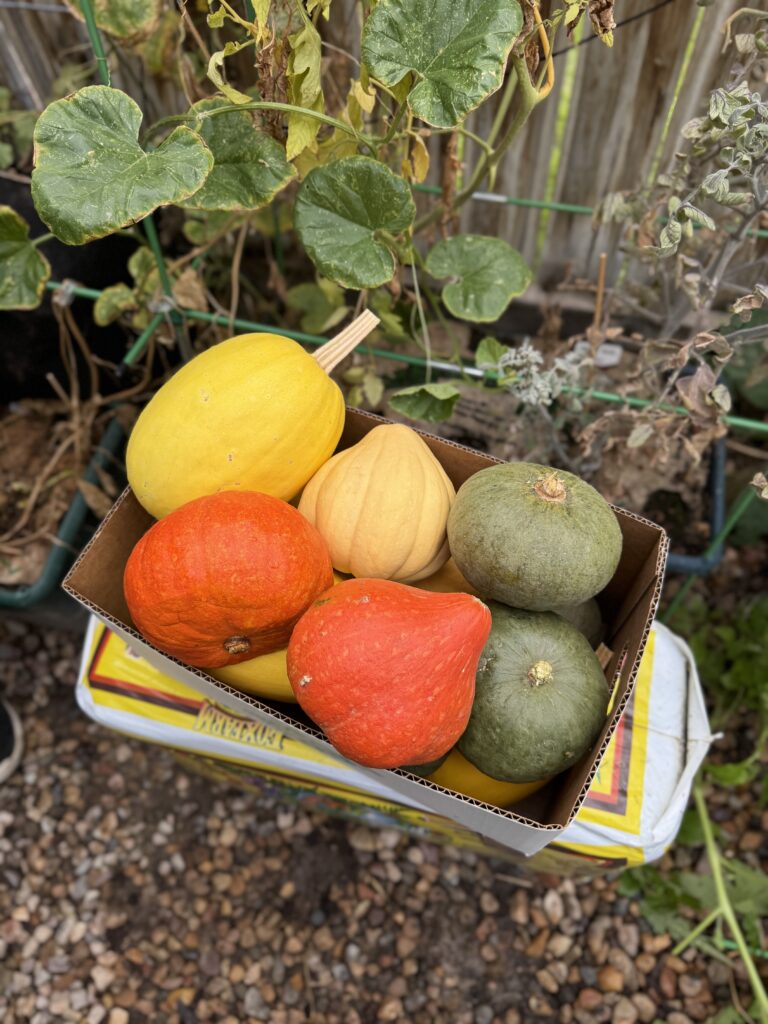
In contrast, slower-growing crops, like melons or winter squash normally take the whole season for one main harvest.
Ultimately, I suggest that you grow the plants you like to eat most. However, if your main goal is to maximize yields, consider that some crops have a higher turnover rate and allow for multiple plantings or consistent harvests that may make them more valuable than slower crops.
High-return crops for frequent monthly harvests:
• Leafy greens
• Herbs
• Pole beans
• Cherry tomatoes
• Cucumbers
• Green onions
Long-season favorites (that I believe are still worth the wait!):
• Melons
• Pumpkins
• Winter squash
3. Interplant!
Using all your available soil by interplanting is a great way to maximize your space. By pairing plants with different root depths, heights, and sunlight needs, you can make every inch of your garden productive.
Here are some classic examples:
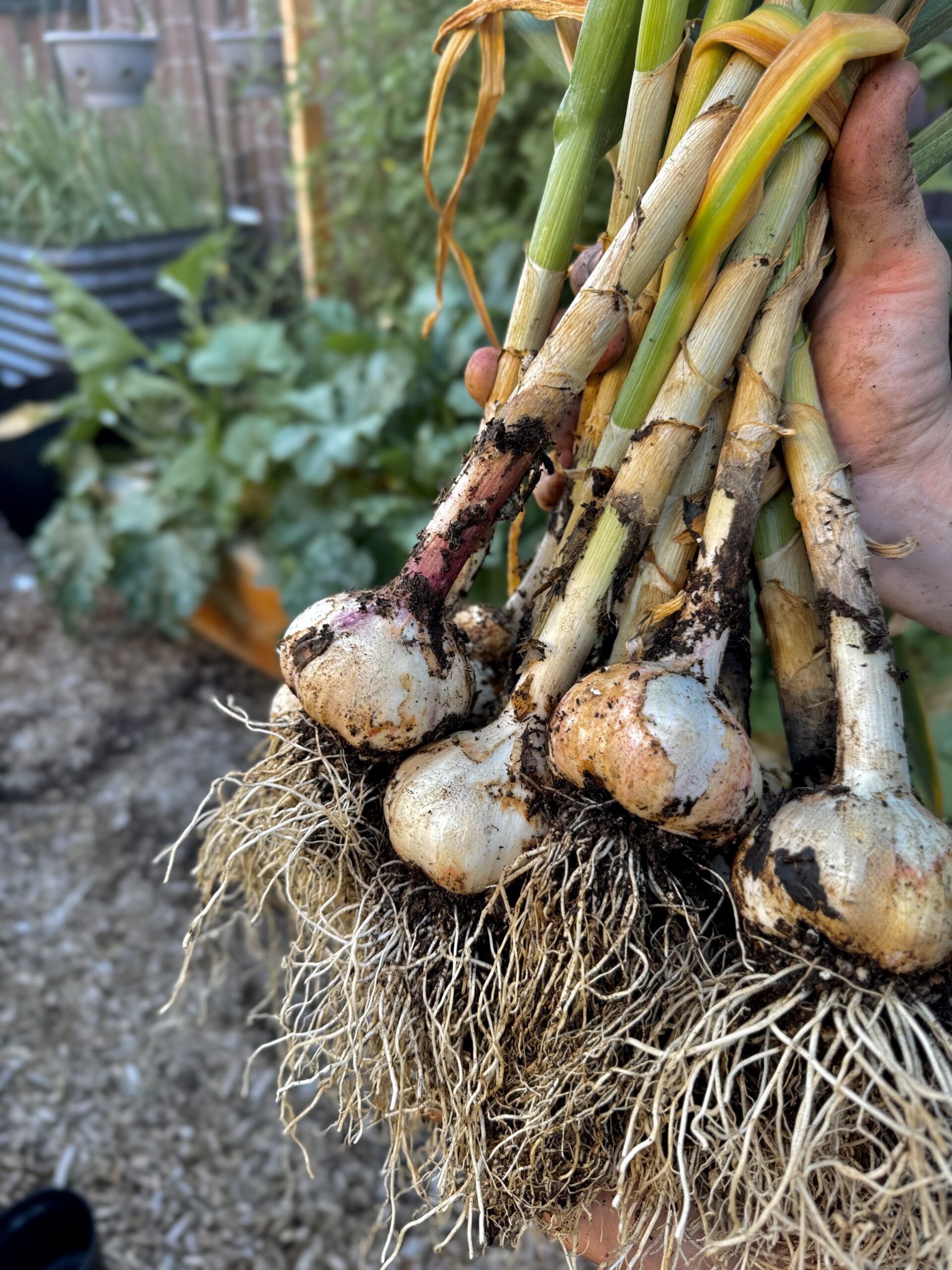
• Shallow + Deep Roots: Garlic or onions around tomatoes, with basil tucked to complete the Italian-themed garden. Garlic and onions occupy the surface while tomato roots go deeper. Basil fills in the shallow layer without competing.
• Three Sisters Combo: Corn (deep roots) + beans (medium roots, nitrogen fixers) + squash (shallow, spreading roots) creates a self-supporting ecosystem.
• Layered Heights: Leafy greens or radishes under trellised peas or pole beans.
Fast-growing crops can finish early, leaving room for slower, larger plants. Interplanting works best when plants use different layers of soil, space, and light rather than just being different sizes. Make sure to fortify your soil enough to support dense plantings.
4. Push the Limits of Spacing
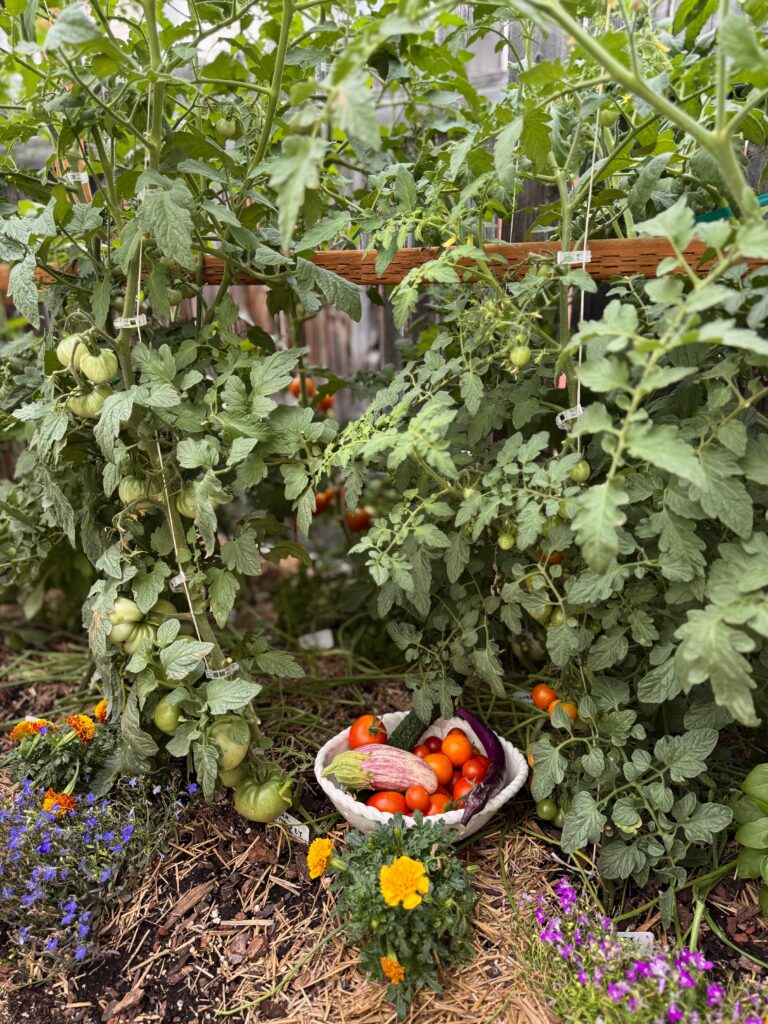
Spacing guidelines are normally quite conservative. Many crops – including tomatoes, lettuce, carrots, radishes, green onions, and herbs – can be planted closer than what your seed packet may tell you (without dramatically reducing yields).
I personally like to start at about 75% of the recommended spacing. I like to slowly push the limits even more and monitor how plants respond. If growth slows, lower leaves yellow, or airflow drops, more room might become preferable. Note that slight crowding might decrease the output per plant, but increase yields overall.
5. Arrange Plants for Maximum Light Exposure
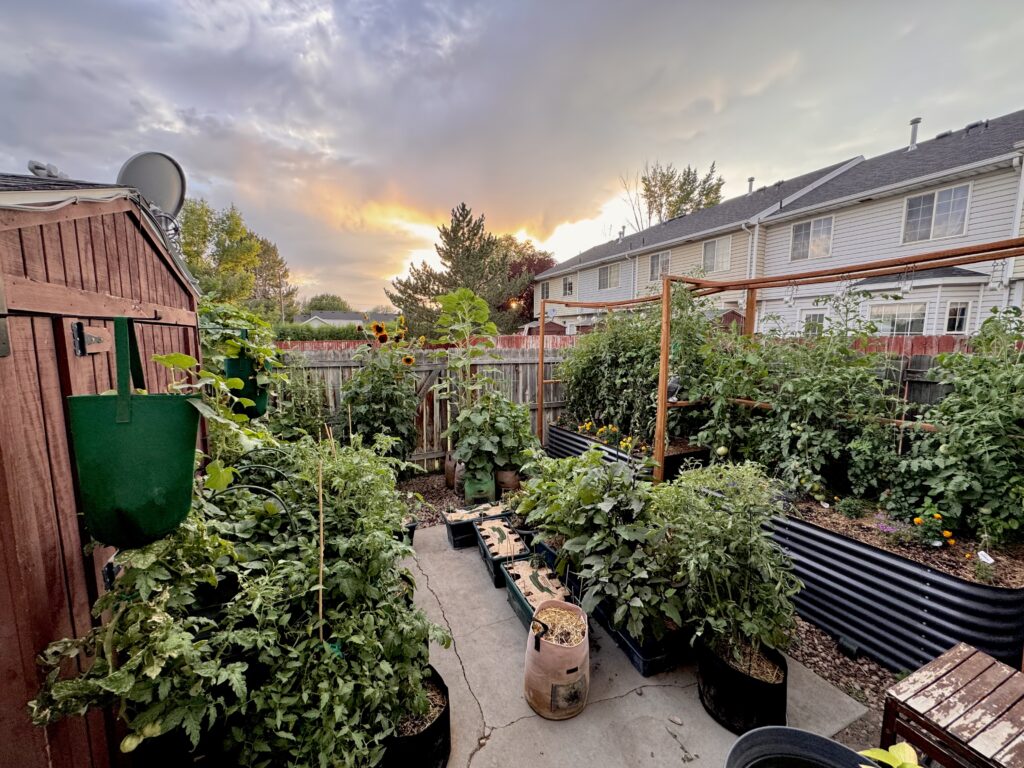
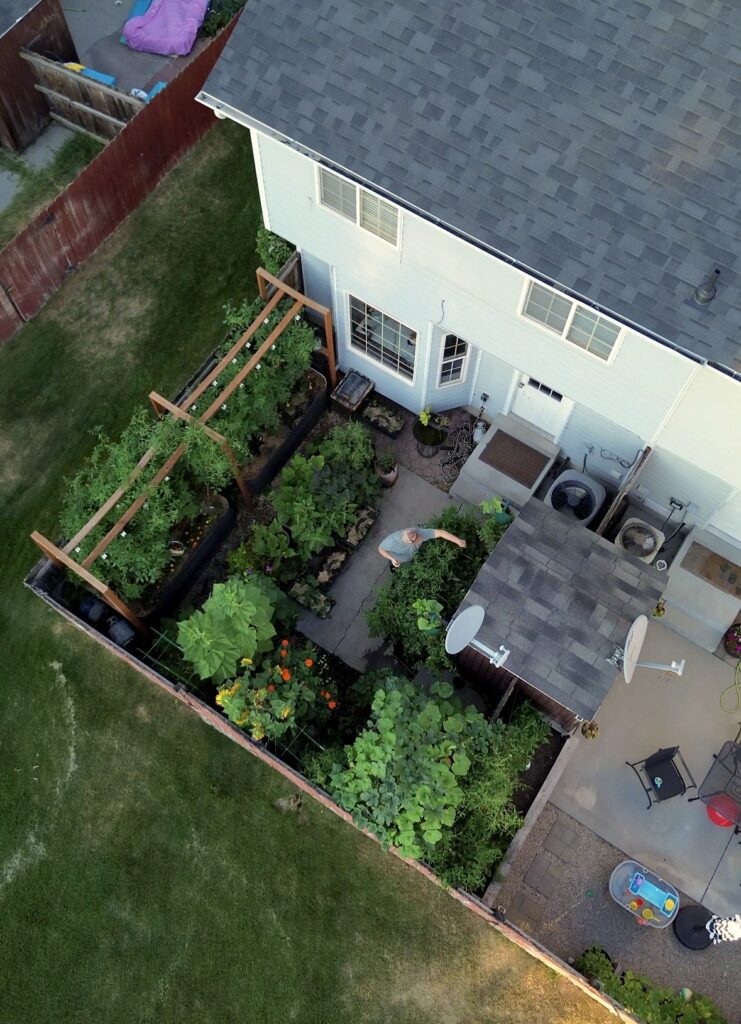
Treat sunlight like a precious resource. Plan your garden to share the sunlight amongst plants as best as possible. Too much sun can be harmful, but insufficient light often limits gardens more than too much sunlight hurts it.
Sunlight is the limiting factor in most small gardens. More light usually means faster growth, stronger plants, earlier flowering, better fruit set, and higher overall yields. Even small adjustments in layout can make a noticeable difference in the growing potential of your garden.
Simple rules for maximizing light:
• Place tall crops on the north side so they don’t shade smaller plants.
• Stagger rows rather than lining them up straight to reduce shadows.
• Avoid letting trellised crops block sun from smaller or low-growing plants.
If not, I recommend my blog post: 10 Things to Consider When Choosing a Garden Location
6. Build Better Soil
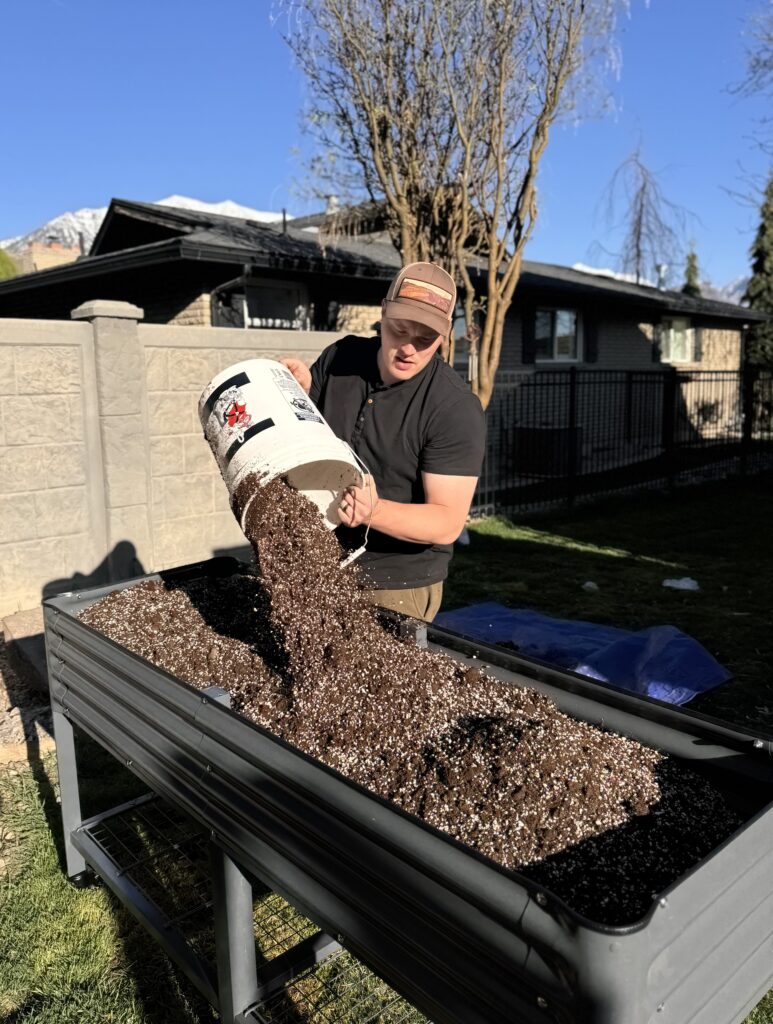
Alright, this tip doesn’t just apply to small gardens of course, but when you have limited space, every square inch is precious! Give your soil the princess treatment. Healthy soil is the foundation of a productive garden. Compost, mulch, and organic matter improve water retention, support stronger roots, and create consistent conditions.
Focus on:
• Compost
• Mulch
• Organic matter
Better soil reduces plant stress, buffers nutrient swings, and produces more reliable harvests, especially in raised beds or containers. It’s helpful to test your soil periodically to see how fortified it truly is. Here’s a soil test kit I recommend. This is even more true if you densely plant the same crops year after year.
Invest in amending your soil at the beginning of each season and supplementing nutrients throughout the season periodically.
7. Choose Varieties Wisely
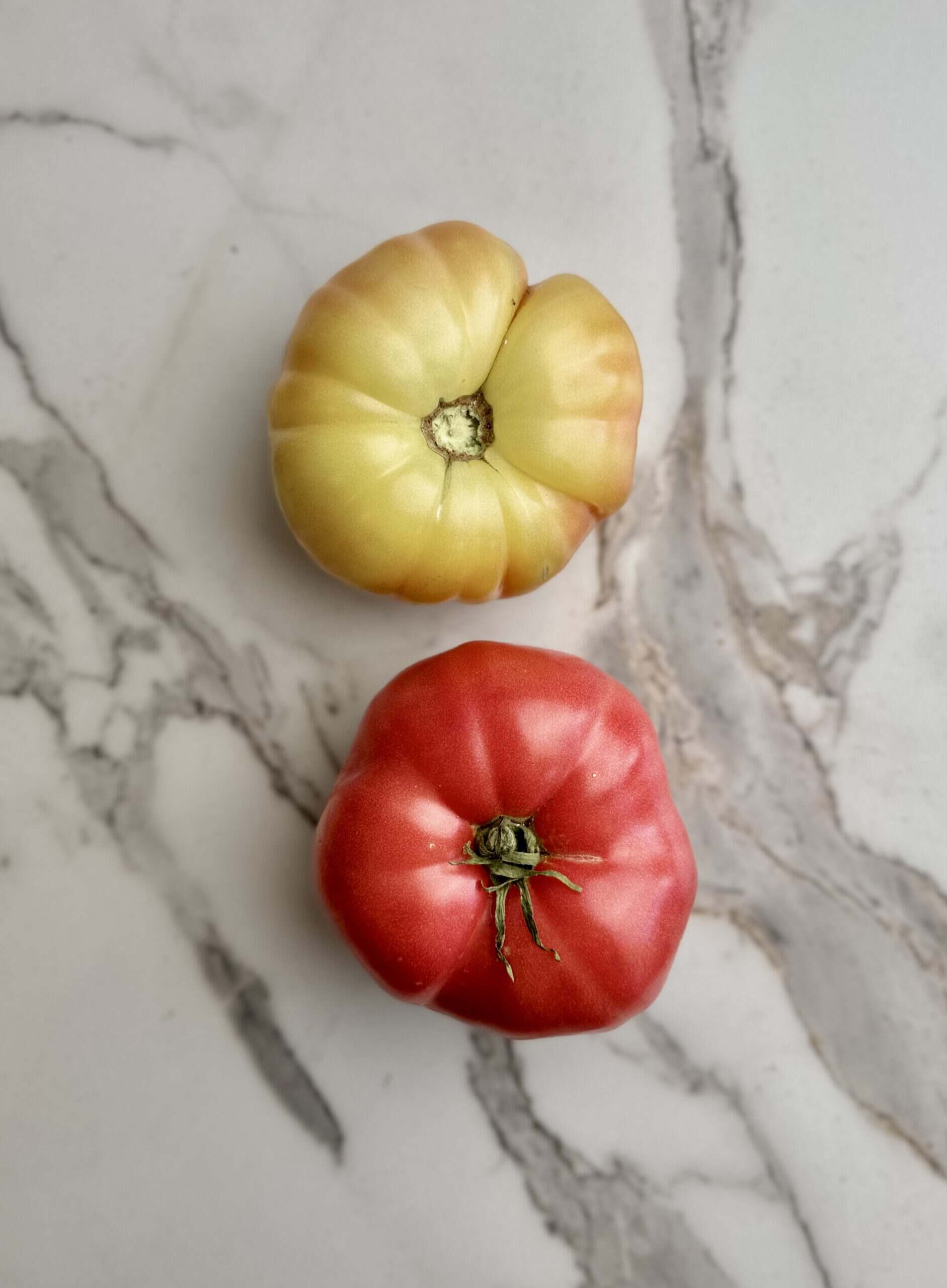
Not all varieties of the same plant are created equal. Some are more vigorous, productive, or disease-resistant, while others struggle in certain climates. Choosing the right variety can make a huge difference in your success rates. Poor yields may just mean that you chose a temperamental variety that would give even the most seasoned gardeners trouble.
Here are some tips to help you choose the best varieties:
• Choose plants that are well-adapted to your climate.
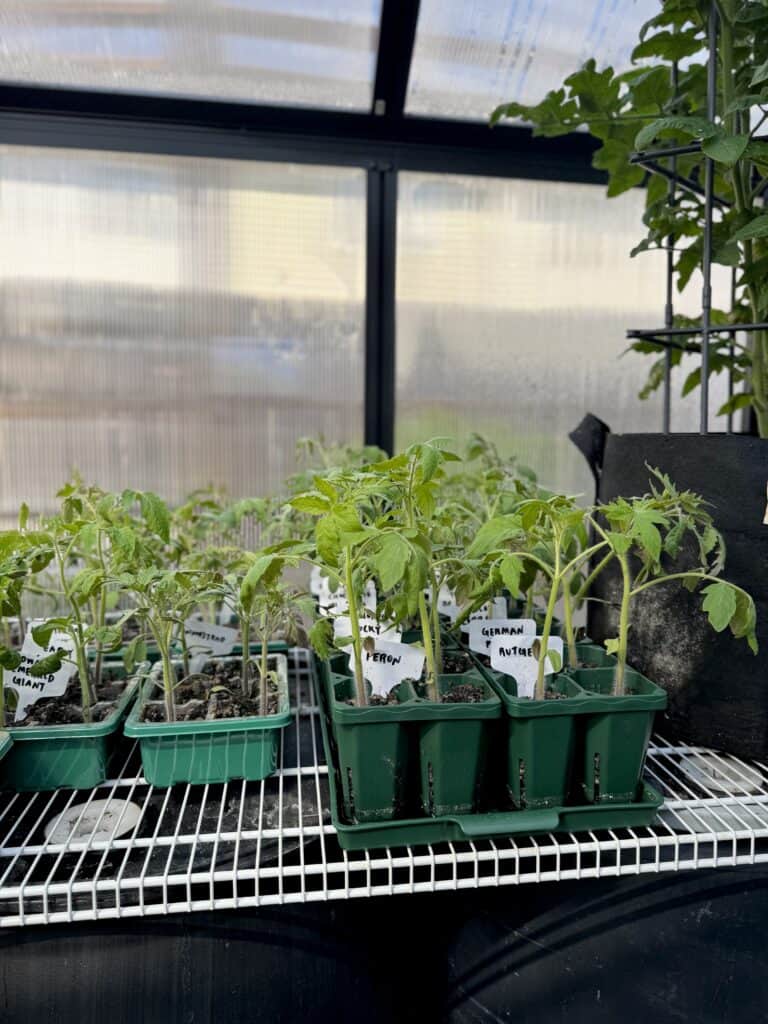
• Consider compact types for small spaces.
• Look for high-yielding hybrids or particularly productive heirlooms.
• Prioritize disease resistance to reduce maintenance and increase harvests.
You don’t need a lot of space to have a productive garden! Focus on using space wisely to maximize the space you have. Grow vertically, interplant smartly, choose strong varieties, and care for light, soil, and spacing.
Most importantly, focus on crops you love to eat. Best of luck in your gardening efforts!



0 Comments