
Hey all! Real Farmer Jeff here.
As planting season arrives, it’s tempting to get crops in the ground as soon as a few warm days show up. But early planting often leads to problems. I experienced this last year (although technically, it wasn’t considered early. We just unexpectedly had a random frost late into the spring season). A single cold night can slow growth, damage plants, or even kill them. In most cases, waiting one to two extra weeks is the safer move and won’t delay your harvest as much as you might think.
If you plant early or run into unexpected weather, this guide will help you quickly understand how your plants respond to temperature.
Temperature Ranges
Each plant group lists four temperature ranges.
- Fatal Cold: plant or key tissues are killed
- Cold Stress: plant survives but growth or yield is reduced
- Ideal Temperature: best growth and productivity
- Heat Stress: heat stress reduces performance
Understanding How Temperature Affects Plants
Soil temperature matters as much as, and often more than, air temperature when planting. Seeds and roots respond to soil conditions, so cold soil can delay germination and stunt growth even if daytime air feels warm. This is very important to keep in mind!
Warm-season crops especially depend on warm soil to establish properly. Air temperature can fluctuate quickly, but soil warms slowly and is a more reliable indicator of planting readiness.
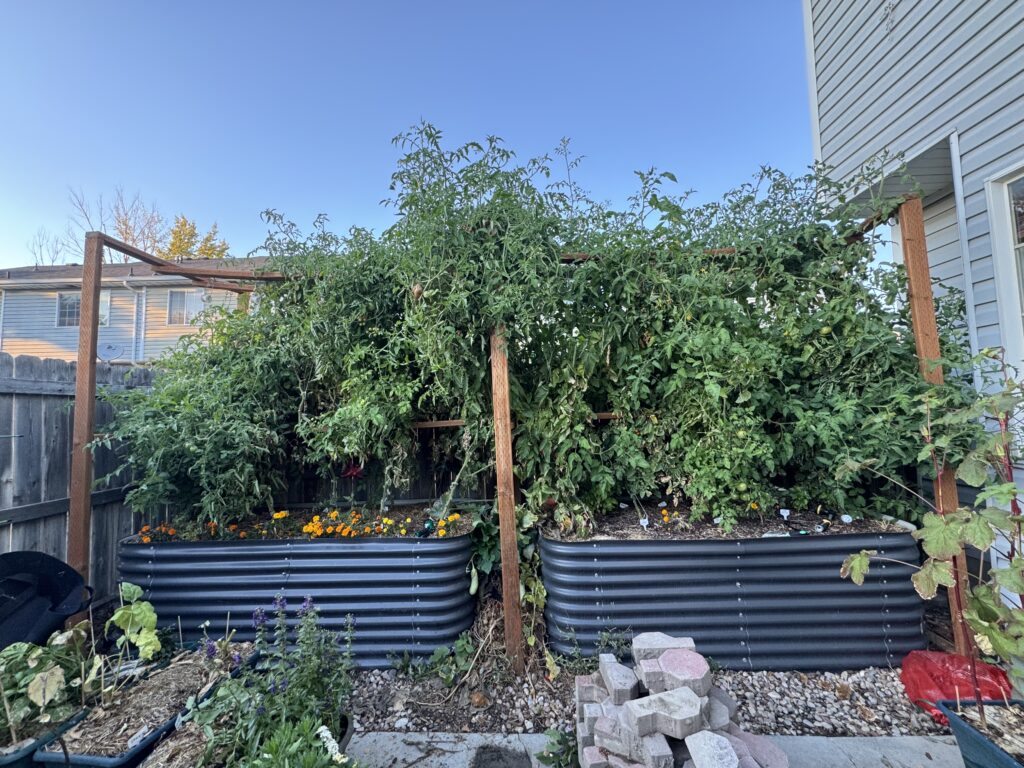
Heat stress usually won’t kill plants, but it can reduce flowering, fruit set, and overall yield. For that reason, hot weather isn’t quite as dire. Natural shade or shade cloth can help lower temperatures and protect production during hot periods.
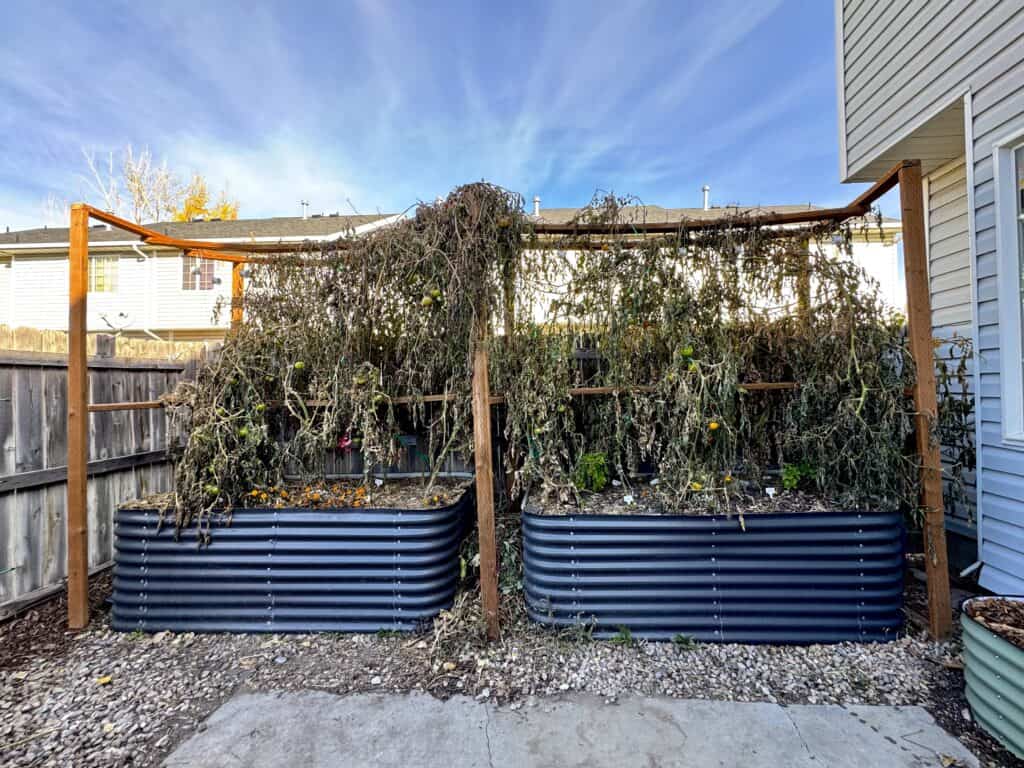
Freezing temperatures are more severe. For most warm-season crops, frost or hard freezes often cause permanent damage or death rather than temporary stress. Luckily frost coverings can be quite effective for helping plants to survive cold spells.
Below, I’ve divided common garden crops into different rows and written what to know about how temperature affects them.
| Crop | Fatal Cold | Cold Stress | Ideal Temp | Heat Stress |
| Garlic, onions, leeks | below 10 – 15°F | 15 – 32°F | 55 – 75°F | above 90°F |
| Lettuce, spinach, kale, arugula, peas | below 20°F | 20 – 32°F | 50 – 70°F | above 80°F |
| Broccoli, cabbage, cauliflower, Brussels sprouts | below 20°F | 20 – 32°F | 55 – 70°F | above 80°F |
| Carrots, beets, radishes, turnips, parsnips | below 20°F | 20 – 32°F | 50 – 75°F | above 85°F |
| Corn, green beans, bush beans | 30 – 32°F | 32 – 50°F | 70 – 90°F | above 95°F |
| Potatoes | below 28°F | 28 – 50°F | 60 – 80°F | above 90°F |
| Sweet potatoes | below 30°F | 30 – 50°F | 70 – 85°F | above 90°F |
| Strawberries | below ~10 – 20°F (plant), 28 – 32°F (flowers) | 20 – 32°F | 50 – 75°F | above 85°F |
| Watermelon, cantaloupe | 30 – 32°F | 32 – 50°F | 70 – 90°F | above 95°F |
| Tomatoes, peppers, eggplant, tomatillos | 30 – 32°F | 32 – 50°F | 70–85°F | above 95°F |
| Cucumbers, zucchini, squash, pumpkins | 30 – 32°F | 32 – 55°F | 75–90°F | above 100°F |
| Cilantro, parsley, dill | 30 – 32°F | 32 – 50°F | 60–75°F | above 85°F |
| Basil, oregano, thyme, rosemary, sage | 32 – 35°F | 35 – 50°F | 65–85°F | above 90°F |
Cold-Tolerant Crops
These crops can handle cold soil, light frosts, and in some cases even hard freezes once established. They are usually the first crops you can safely plant in spring:
• Garlic and onions
• Cool-season greens (lettuce, spinach, kale)
• Brassicas (broccoli, cabbage, cauliflower)
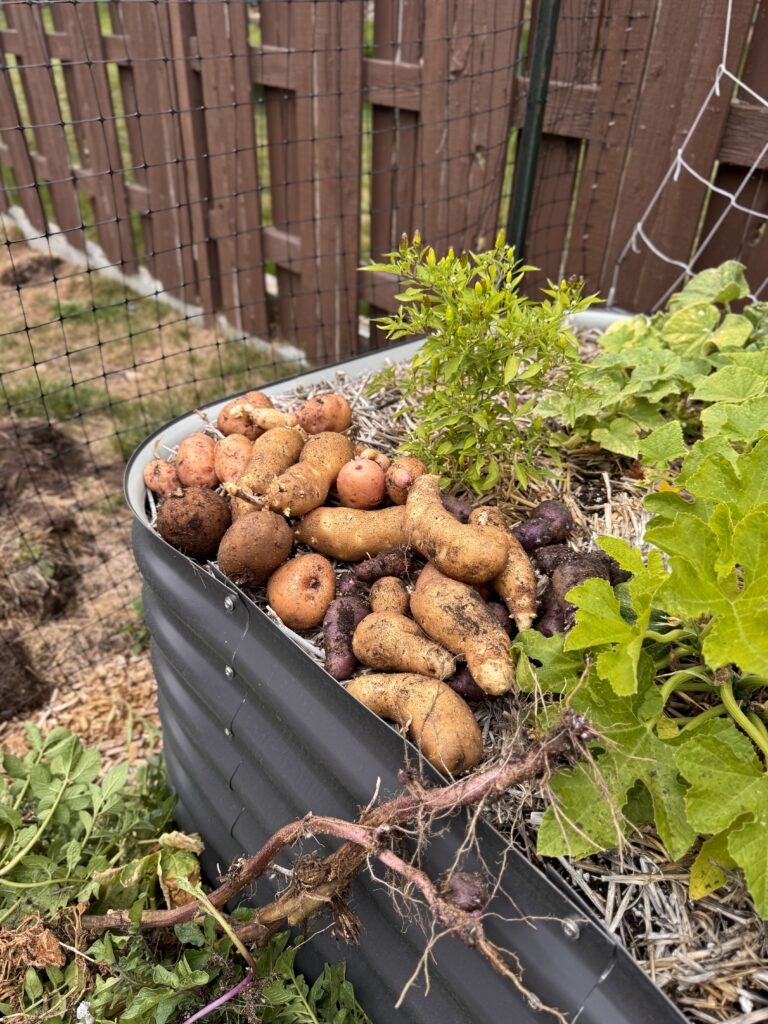
• Root crops (carrots, beets, radishes, turnips, potatoes)
These tolerate cold soil and cool nights, grow best in spring and fall, and can be planted earlier than most crops!
Warm-Season Crops
These crops require consistently warm soil and air temperatures to germinate and grow well. Even mild cold can slow growth or cause long-term damage:
• Corn and beans
• Sweet potatoes
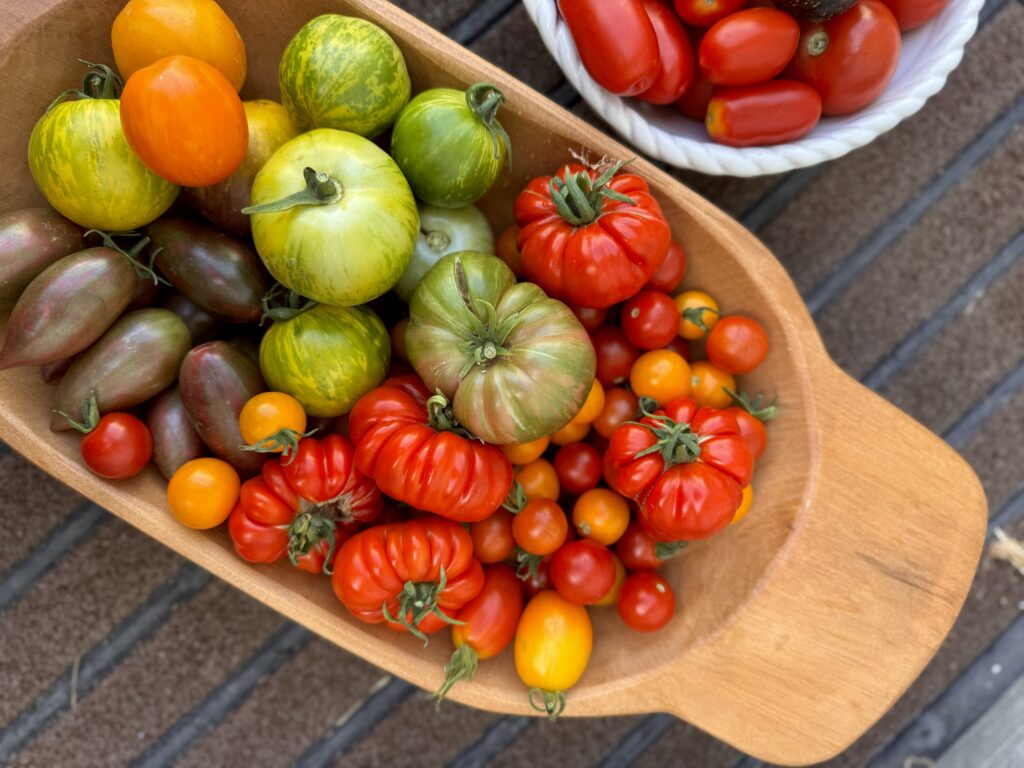
• Tomatoes, peppers, and eggplant
• Melons (watermelon, cantaloupe)
• Vine crops (cucumbers, squash, pumpkins)
These crops need warm soil to germinate properly, are sensitive to frost and cool nights, and perform best in steady summer conditions.
Overall Tips:
If you only take away a few key points from this information, here is what I hope you learned!:
• Planting too early is a common mistake, especially with warm-season crops
• Cold snaps can slow growth and reduce yields even if plants survive
• Cold-tolerant crops can go in early once soil is workable
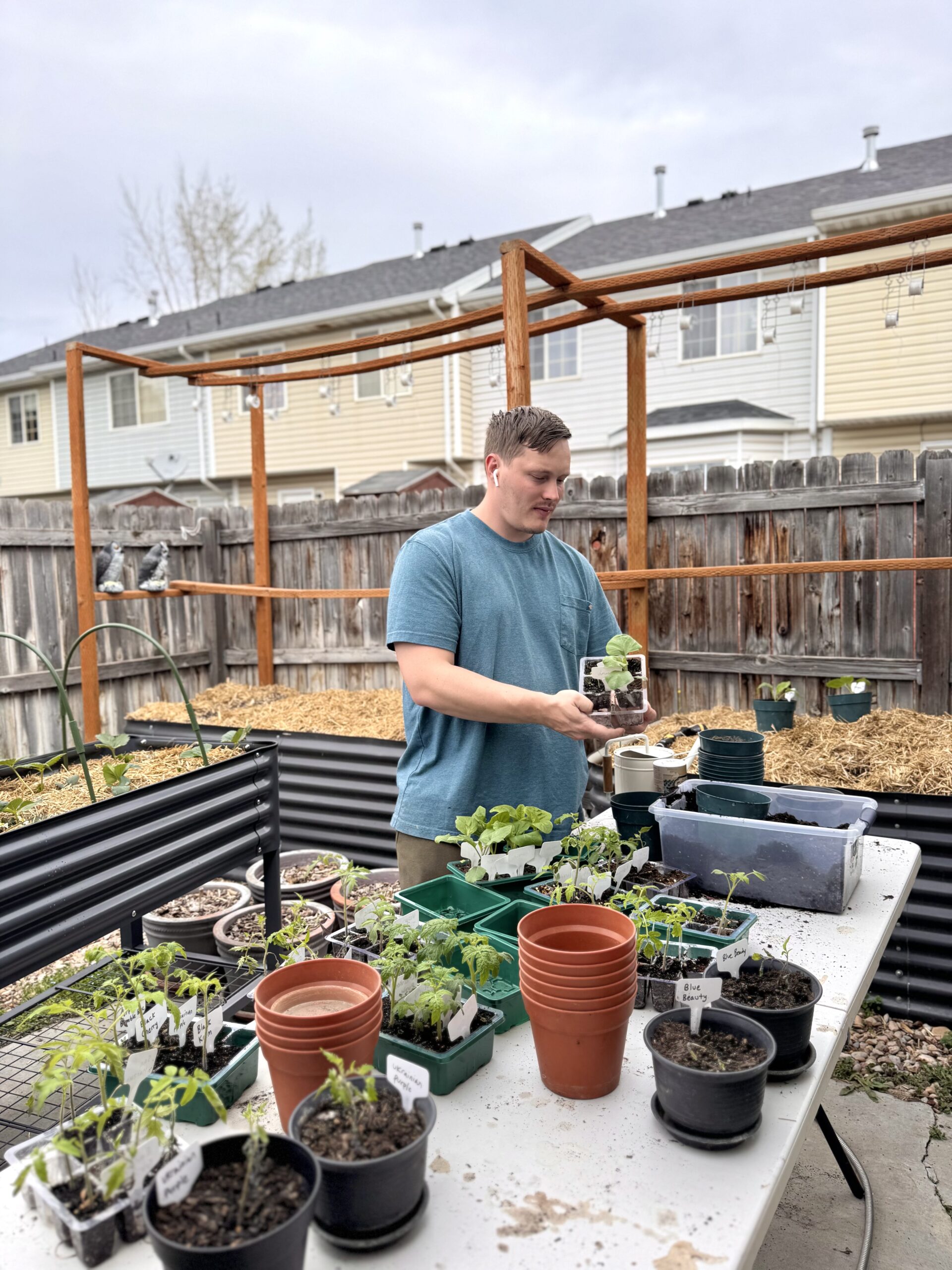
• Warm-season crops need consistently warm nights before planting
• If unsure, waiting an extra week is usually the safest choice 🙂



0 Comments