
Hey all! Real Farmer Jeff here.
Cross-pollination occurs when pollen from one plant is transferred to the flowers of another plant, usually by insects, wind, or animals. It only affects the genetic makeup of the seeds and not the fruit in the year that cross pollination occurs.
This can be a concern if you want to save seeds and maintain specific traits in your plants. However, cross-pollination does not affect the fruit you harvest this season.
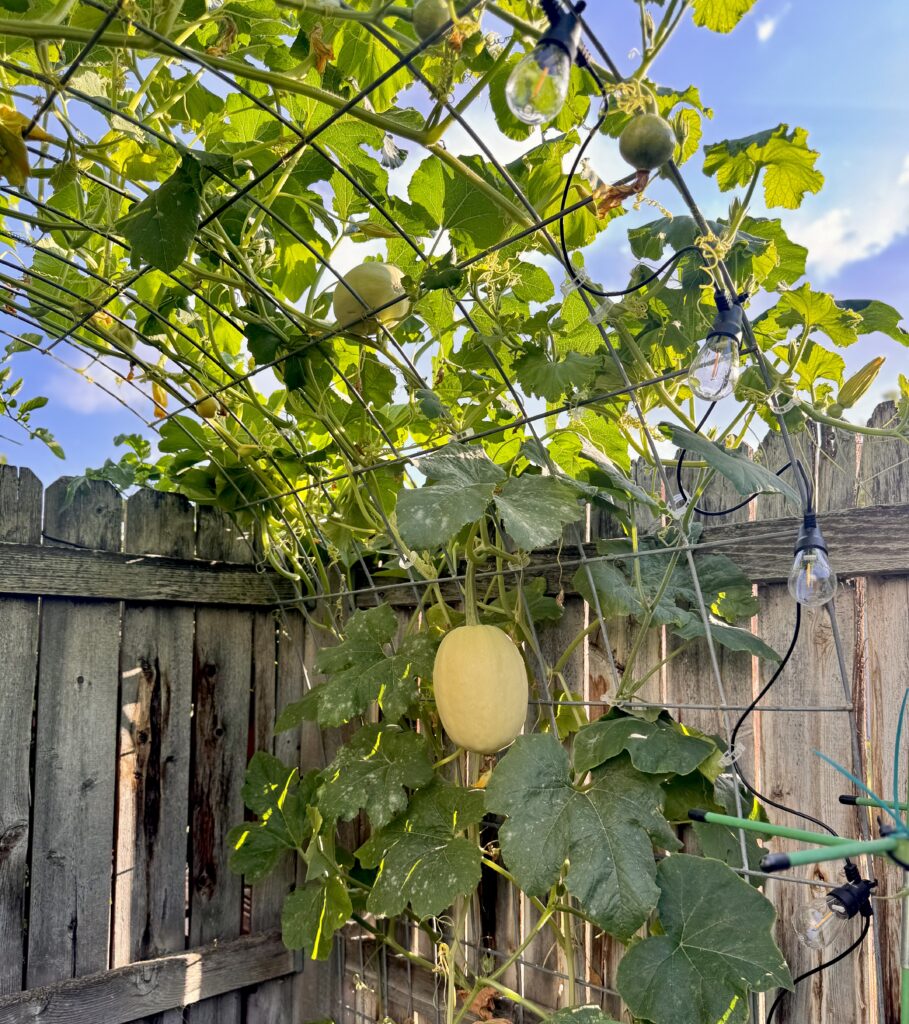
Plants at Risk of Cross-Pollination
Certain crops are more prone to cross-pollination due to their flowering characteristics. These plants include:
- Cucurbits (Cucumbers, Melons, Squash, Pumpkins)
- Why They Cross-Pollinate: Many cucurbits are pollinated by insects, and their flowers are often large and easy for pollinators to reach.
- Examples of Risky Crosses:
- Melons (watermelon, cantaloupe, honeydew) with squash or cucumbers.
- Squash (zucchini, butternut, acorn) with other squash varieties.
- Corn
- Why They Cross-Pollinate: Corn is wind-pollinated, and pollen can travel long distances, leading to the possibility of cross-pollination with neighboring corn varieties.
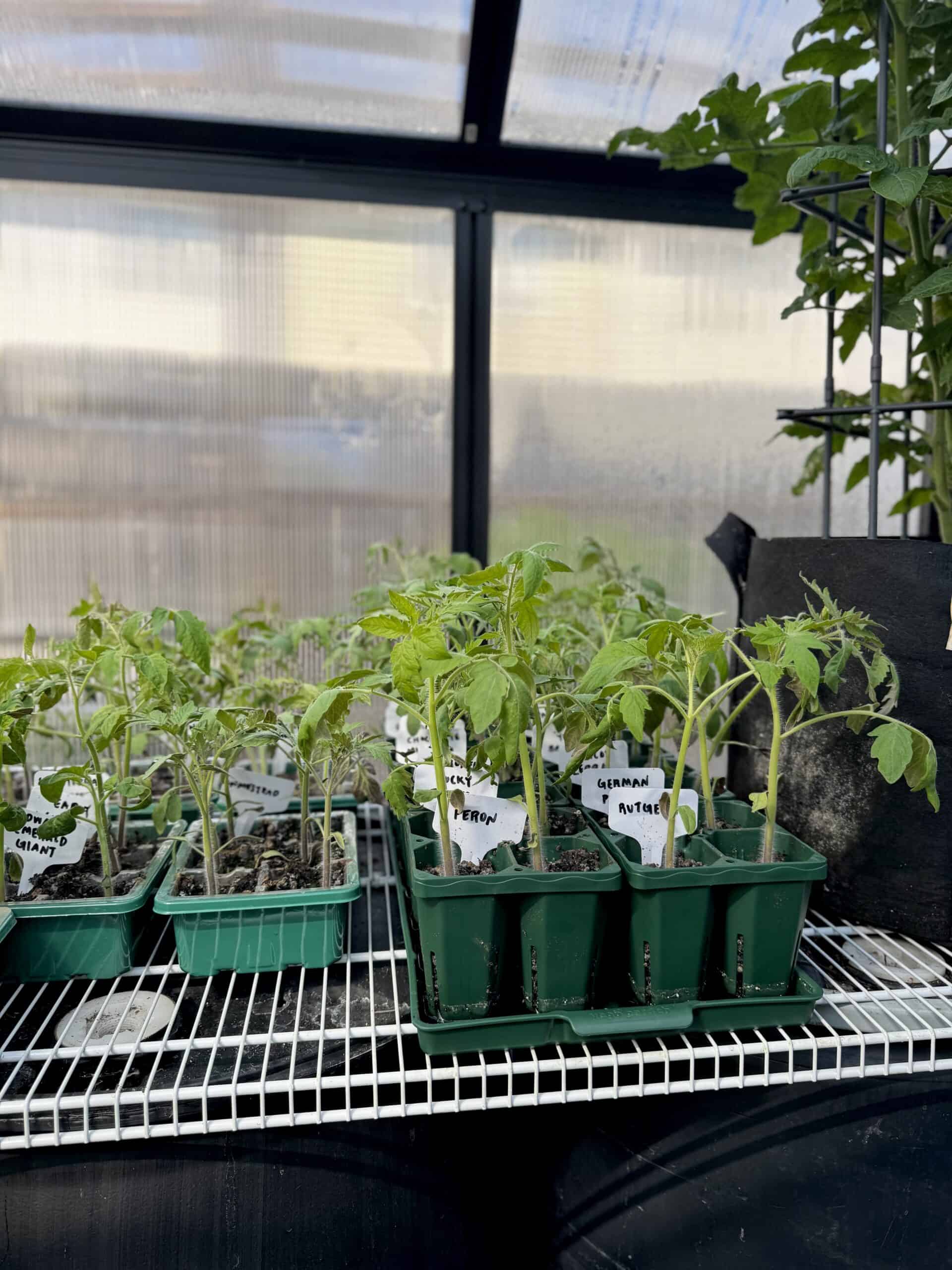
- Peppers & Tomatoes
- Less Likely but Possible: These self-pollinating plants usually don’t cross-pollinate, but genetically diverse varieties in close proximity may still hybridize, especially in large gardens.
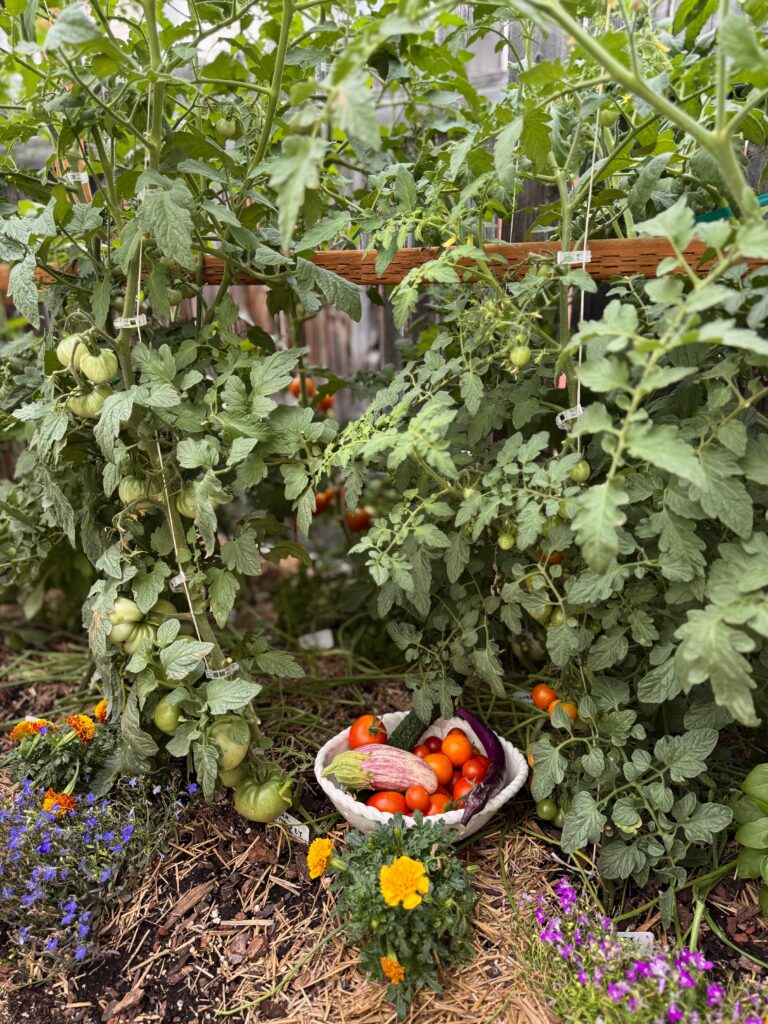
Why Cross-Pollination Isn’t a Concern for Current Crops (If Not Saving Seeds)
If you don’t save seeds, cross-pollination won’t impact the quality, flavor, or appearance of the fruit you harvest. The fruit produced in the current growing season will still resemble the parent plant, even though the seeds may be hybrids. Only the seeds are affected, and they may not reflect the traits of the parent plant if saved for future planting.
What Happens If You Plant Cross-Pollinated Seeds the Following Year?
If you plant seeds from cross-pollinated plants in the following year, the resulting plants may have mixed traits from both parent varieties. You may experience the following outcomes:
- Genetic Variation: Hybrid seeds can produce plants with unexpected traits (e.g., flavor, color, or shape) from both parent plants.
- Loss of Desirable Traits: Hybrids may not have the flavor, size, or texture you expect from the original variety.
- Non-Uniform Harvest: Some plants may resemble one parent, while others resemble the other, leading to inconsistent results.
- Potential for Poor-Quality Fruit: Hybrids can sometimes produce fruit that is smaller, less flavorful, or otherwise disappointing.
- Genetic Dilution: Over time, repeatedly saving seeds from hybrids can dilute the genetic integrity of the parent variety.
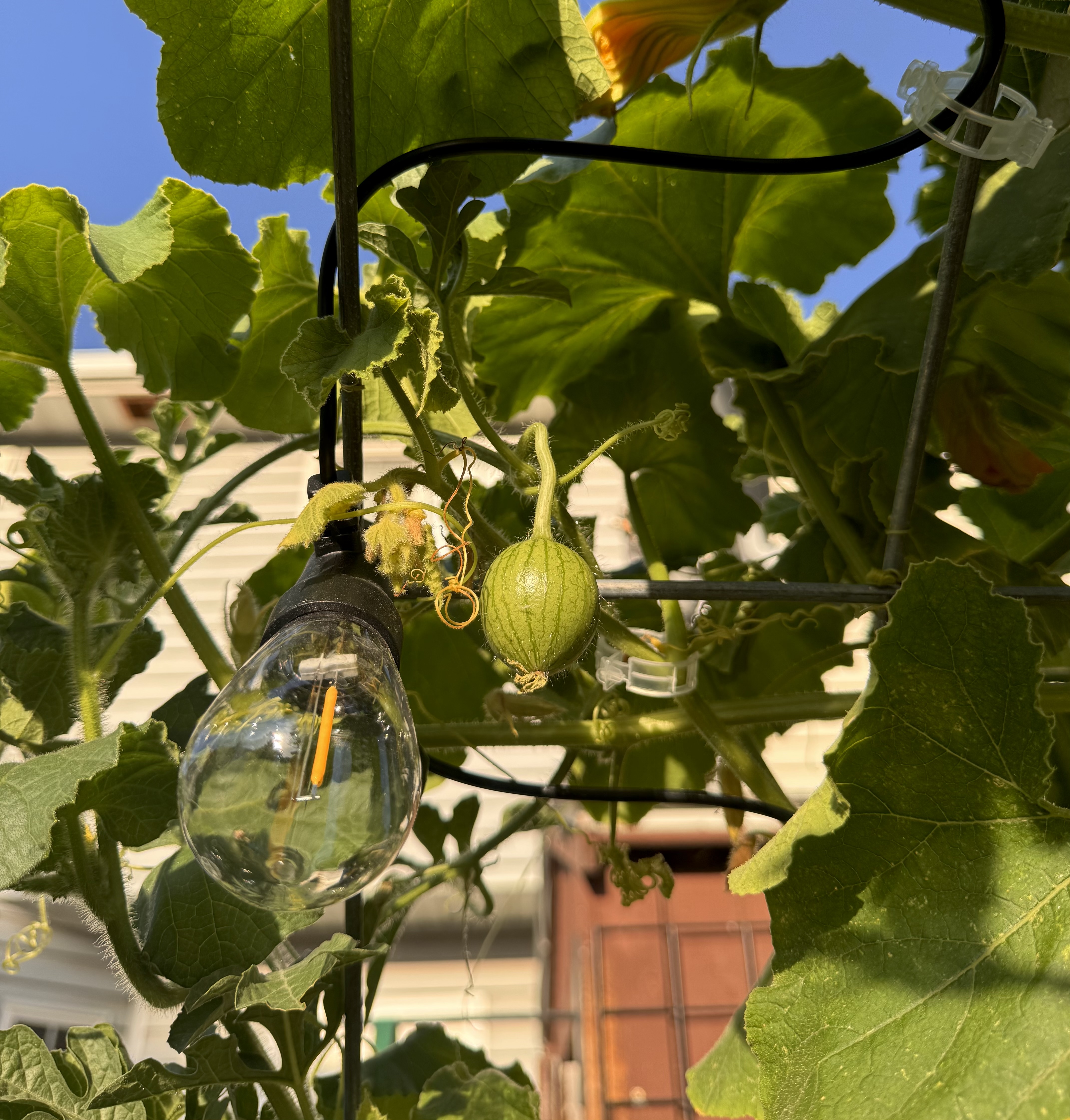
Example of Cross-Pollination in Cucurbits (Melons & Squash)
Let’s consider an example where a melon (like cantaloupe) cross-pollinates with a squash (like zucchini):
- In the current year: You’ll still get cantaloupe fruits, and they’ll taste like cantaloupe, despite the fact that the pollen from the zucchini plant may have fertilized the cantaloupe flower.
- In the next year: If you save the seeds from this cantaloupe, the seeds are now hybrids, potentially inheriting genes from both the melon and the squash. If you plant those seeds, you may get hybrid offspring that could:
- Look like a mix of both plants (i.e., having squash-like features like shape or color, but melon-like texture).
- Produce fruits that are inconsistent, with some being more like squash, and others more like melon.
This would likely lead to fruit that’s unpredictable in terms of flavor, shape, and texture.
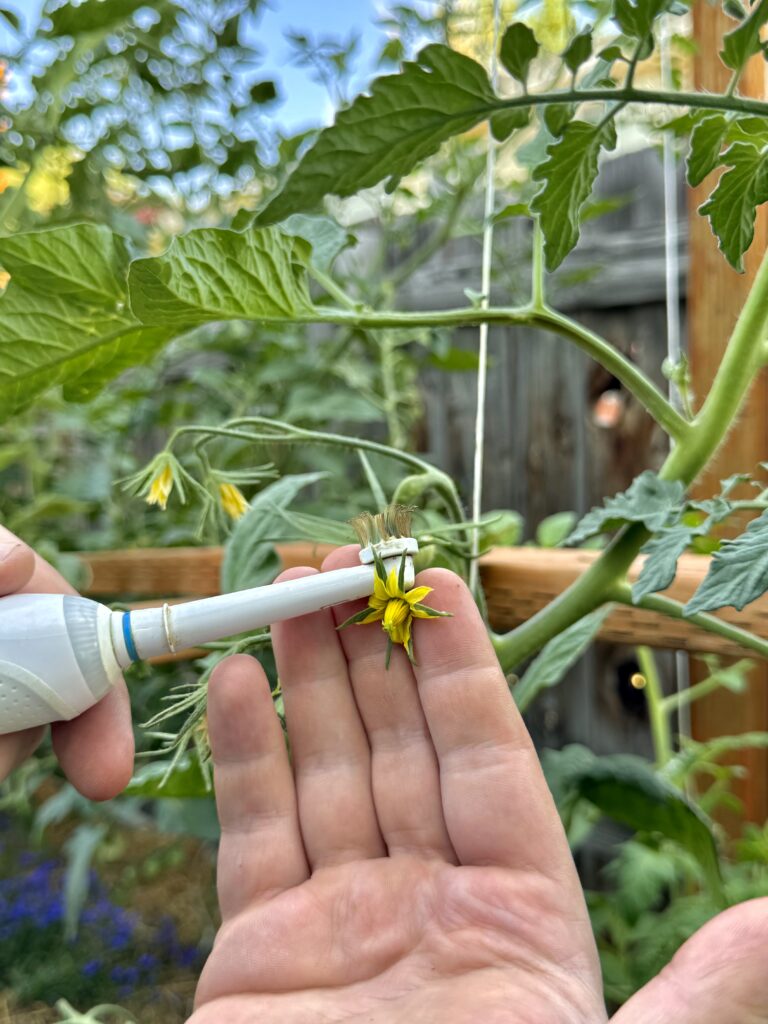
4 Strategies to Prevent Cross-Pollination in Future Plantings
If you’re concerned about cross-pollination, here are 4 strategies to prevent it:
- Space Plants Apart: The farther apart different varieties are, the less likely they will cross-pollinate. Ideally, space plants 500 feet apart.
- Timing: Stagger planting times for varieties to ensure they don’t bloom at the same time.
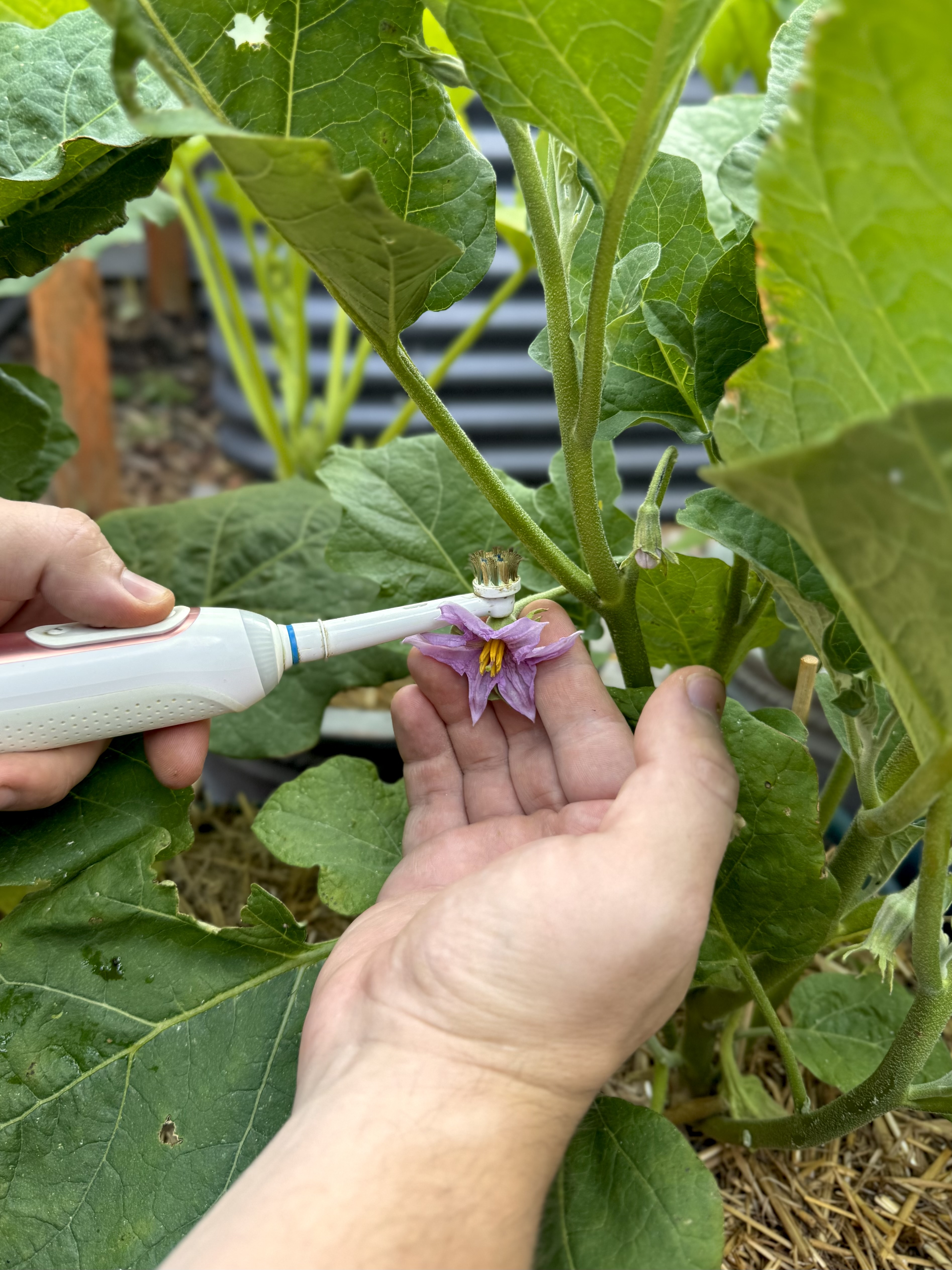
- Hand Pollination: If you want to control pollination, hand-pollinate plants using a small brush to transfer pollen from male to female flowers. Check out my blog post here on hand-pollination.
- Physical Barriers: Use row covers or insect-proof netting to limit pollinator movement between varieties.
Key Takeaways:
- Cross-pollination does not affect the fruit you eat this season, but it impacts the seeds saved for future planting.
- Hybrid seeds from cross-pollinated plants can lead to inconsistent traits in the following season.
- To avoid hybrid seeds, separate varieties by distance, time plantings, or hand-pollinate.
- Only worry about cross-pollination if you plan to save seeds and maintain specific plant traits.
- The safest method is to grow only one variety of each crop (melons, squash, or cucumbers) in your garden if you plan to save seeds.
Thanks for reading along, guys! If you enjoyed this blog post, check out my other gardening blog posts:
- How to Start a Garden on a Budget for Under $100
- Essential and Nice-to-Have Garden Products for Your Perfect Setup
- My Garden Setup: 3 Best Garden Containers for Every Gardener
- Understanding Garden Light and Shade: A Simple Guide
- How to Build a Homemade Trellis Using Cattle Panel
Follow me on social media for daily content and instructional videos about gardening!



0 Comments