
Hey all! Real Farmer Jeff here. My goal for this blog post is to save you money by explaining need-to-have’s vs. nice-to-have’s for gardening products so that you are prepared to create your own successful, luscious garden this year. Let’s do this!
These are all products that I have purchased previously (unless noted) and that I would recommend to any gardener!
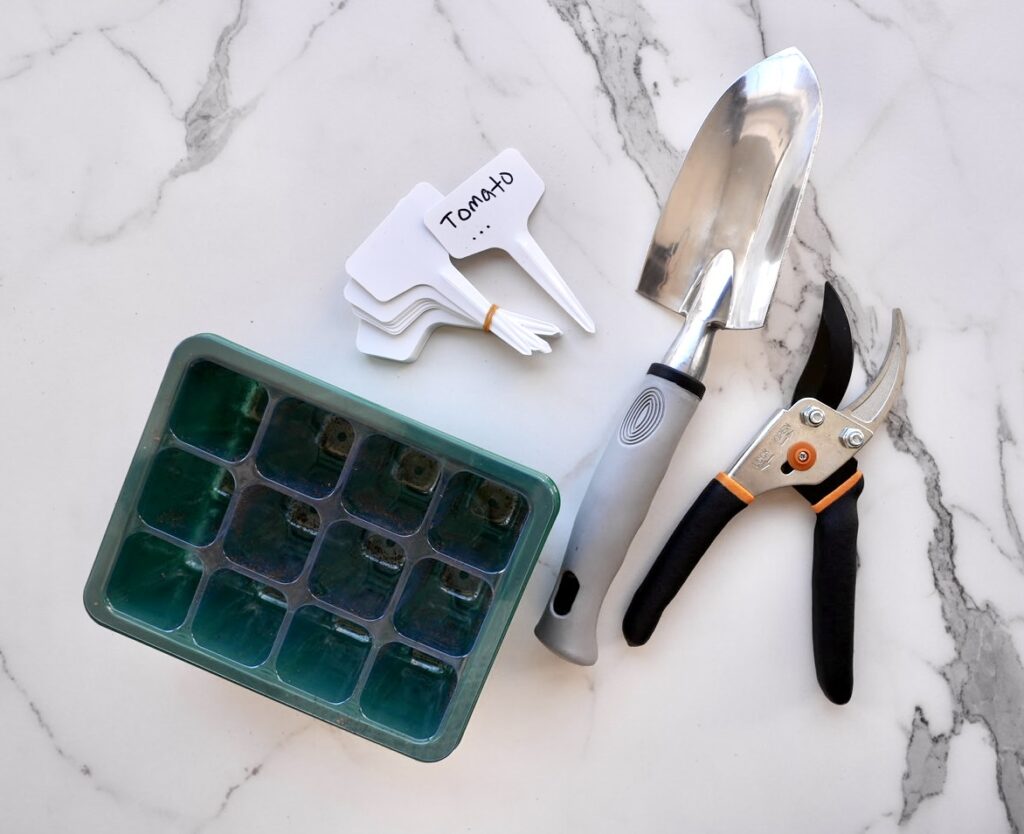
The products that are essential for your garden will depend on if you choose to start your plants from seed or buy transplants (see my blog post here for more info on this topic), so I will have two essential gardening products sections below for both categories.
For this list, I am assuming that you already have a raised bed with soil and/or an in-ground garden plot. I strongly prefer (and recommend) raised beds for my small garden for various reasons.
Table of Contents
Top Seed Starting Products:
Click on the item word to be directed to the product link.
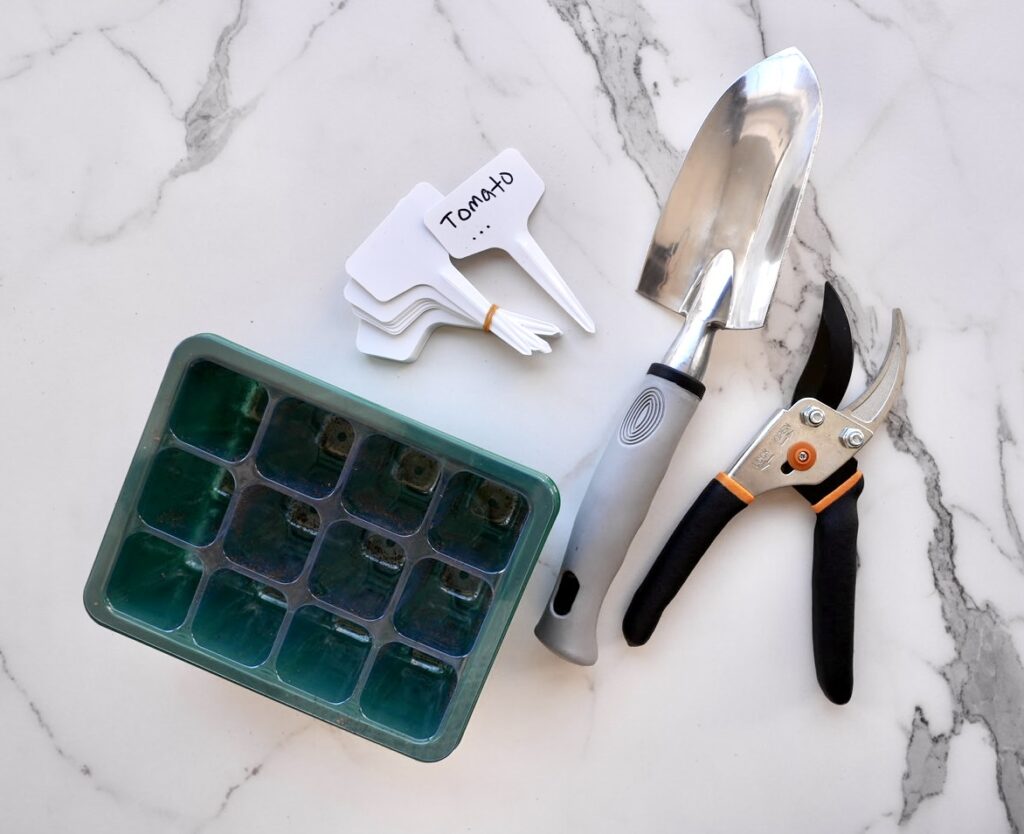
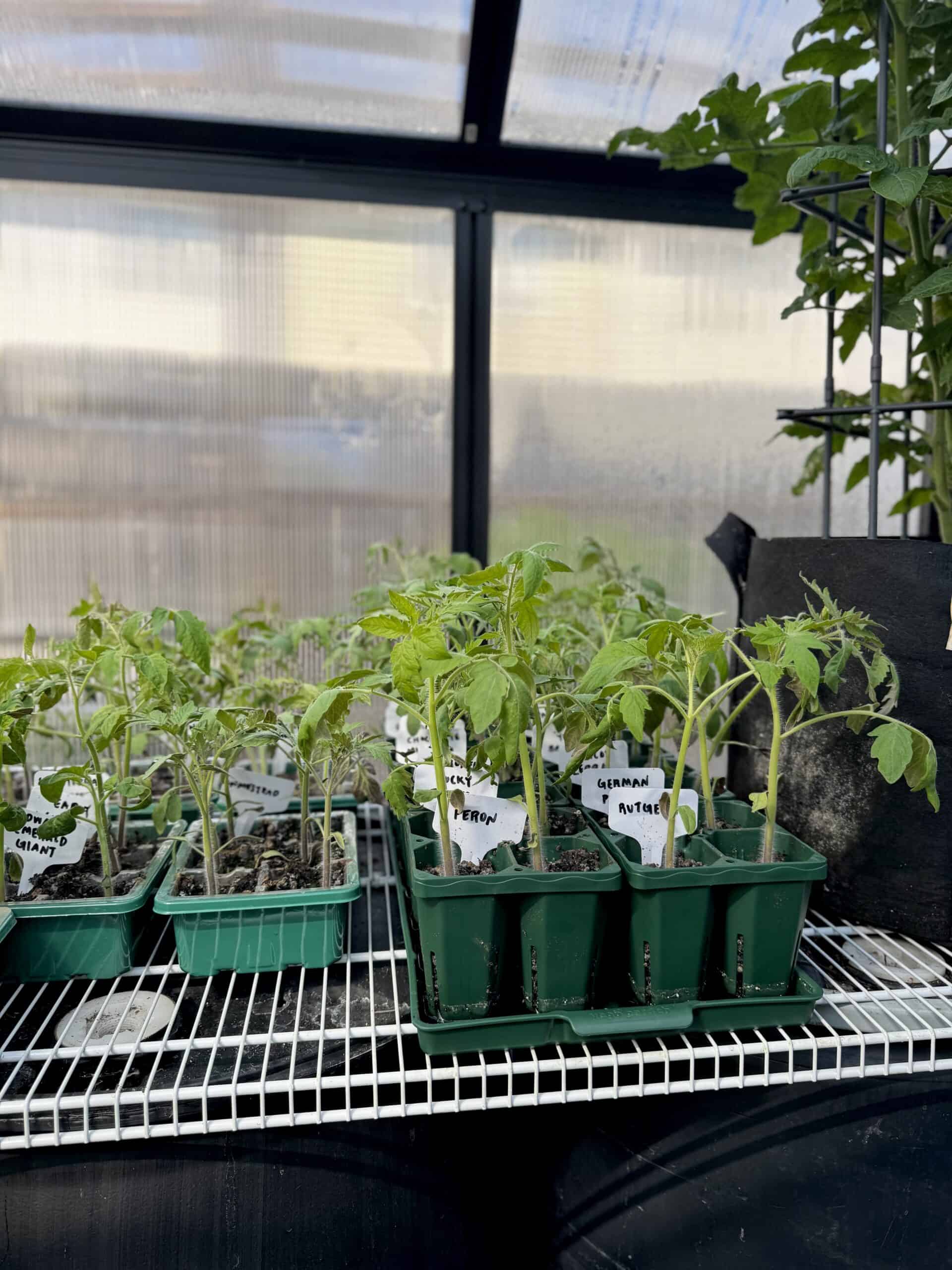
Seed Trays: I have used these exact trays (pictured below) for my garden since my very first year of gardening. If you take care of them, they could easily last you 5+ years, but they are relatively inexpensive.
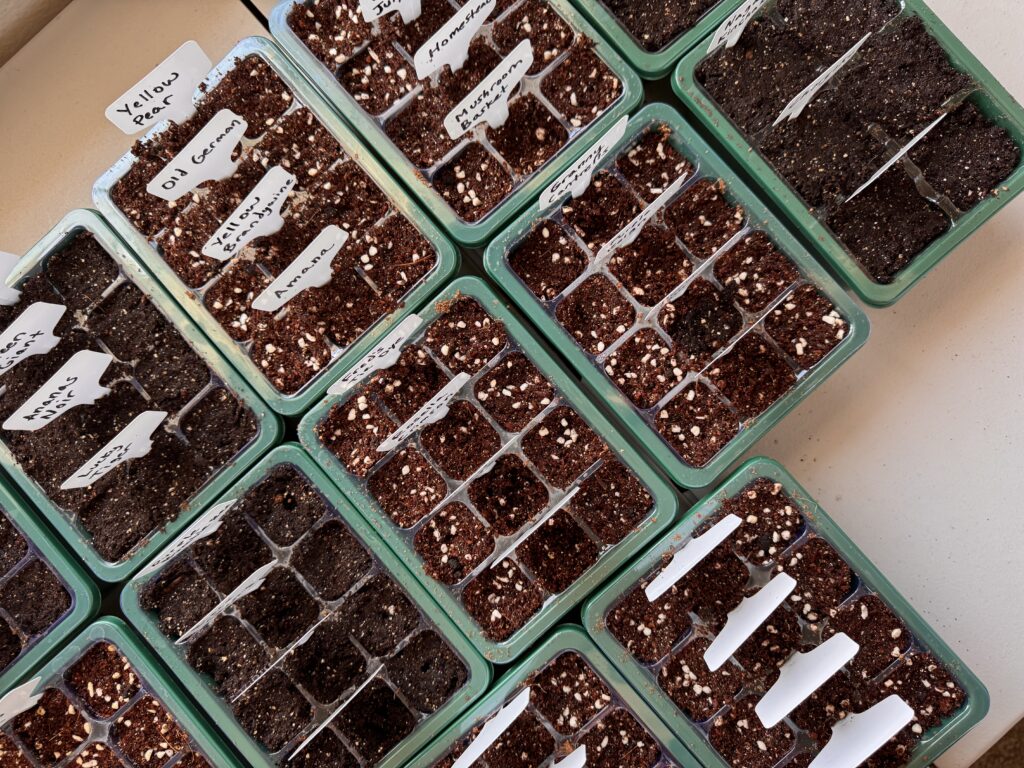
If you’re looking for more durable seed trays, these ones pictured are higher quality (and a little pricier):
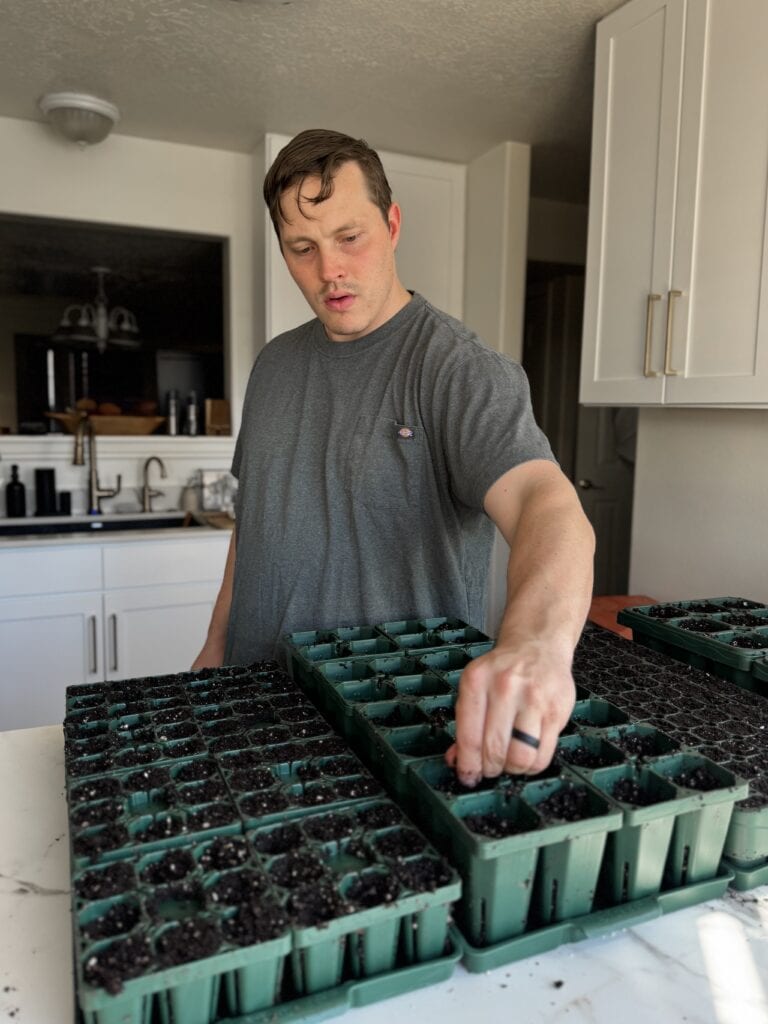
Labels: You need to know what plants you’re growing and where, especially if you’re growing multiple. I never rely on my poor memory to remember. You can save a ton of money by buying labels online (most stores will overcharge you)! This pack has 100 labels for $5.00!
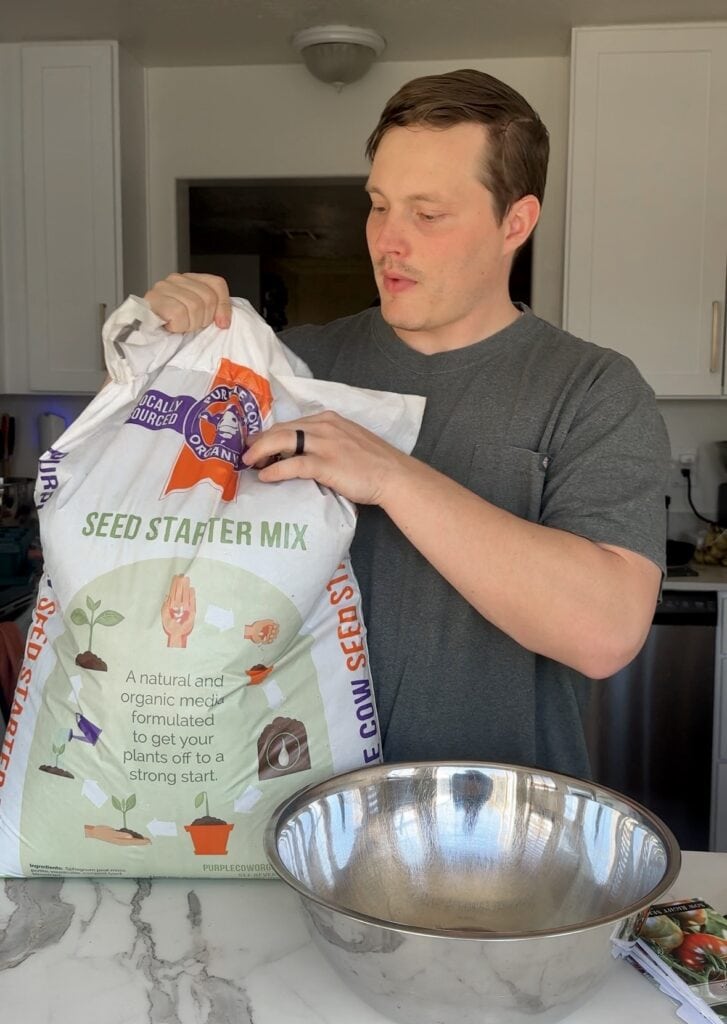
Seed Starting Mix: I usually buy my seed starting mix at Home Depot, but this one on Amazon is a solid option. You will want a seed starting mix (not a potting mix!–common mistake), because it won’t contain twigs or rocks that can prevent seeds from spouting.
Grow Light(s): Grow lights are only essential if you live in a climate where you need to start your seeds indoors and need supplemental light. I start my tomato seeds indoors in March because it’s still below freezing at night here in Utah, but I want them to produce fruit by July.
The one exception to using grow lights in a colder climate is if your home has ample windows that receive direct morning and evening sunlight (though this setup is very uncommon). In that case, your space could function much like a small indoor greenhouse.
Sadly, grow lights are typically expensive & powerful, or inexpensive & weak with no in-between. For that reason, I’ve linked the most affordable yet high-quality option I could find of both options. See the captions on the photos below for links!
I started with 3 of the cheaper grow lights I’ve linked for every 10 seed starting trays. They weren’t as powerful as would be ideal, but they worked well enough to keep the plants alive! It was just important to put the lights as close to the plants as possible for them to be effective.
However, if you have the space and a bigger budget, the grow rack I linked is a much better system. The lights are more powerful an the vertical shelving is more space efficient than a table. Funny enough, if you were to start lots of seedlings, the grow rack isn’t that much more expensive than all the cheaper lights you would need.
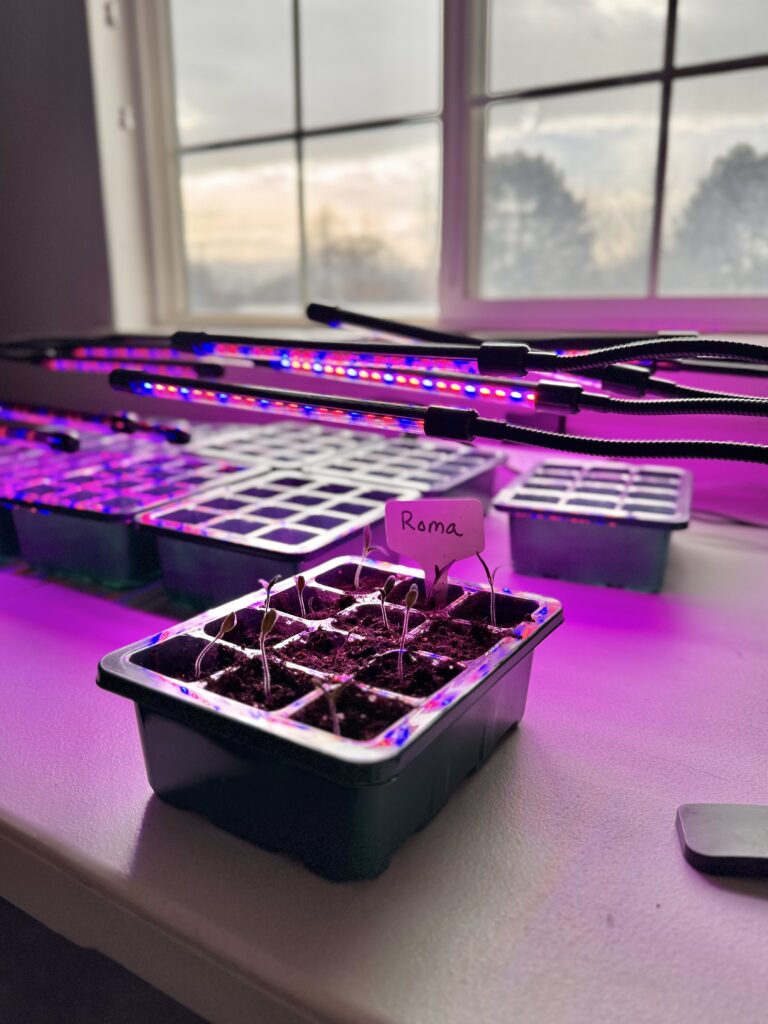
I started by using 3 of these grow lights (weaker but inexpensive) for every 10 seed starting trays. This, along with putting my seed trays by a window with direct sunlight provided me enough light!
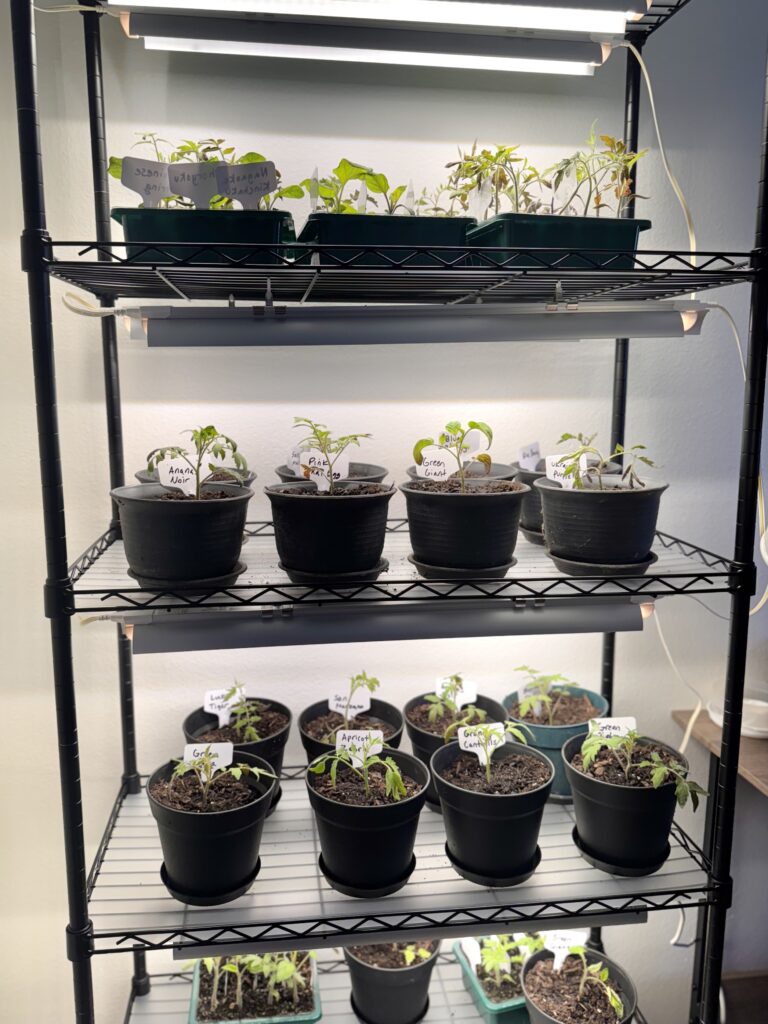
I now own a couple of these grow racks (stronger but more expensive). This is a great option if you have a bigger budget. It maximizes vertical space, keeps seedlings organized, and provides more even, controlled light coverage.
Top General Gardening Products:
Click on the item word to be directed to the product link.
Trowel Set: I couldn’t live without my trowel! You will want to make sure you have one for when you transplant into your garden.
Pruner(s): You will want a light-duty pruner to snip unwanted leaves and branches off plants. Owning a heavy-duty pruner also wouldn’t hurt, but is less essential.
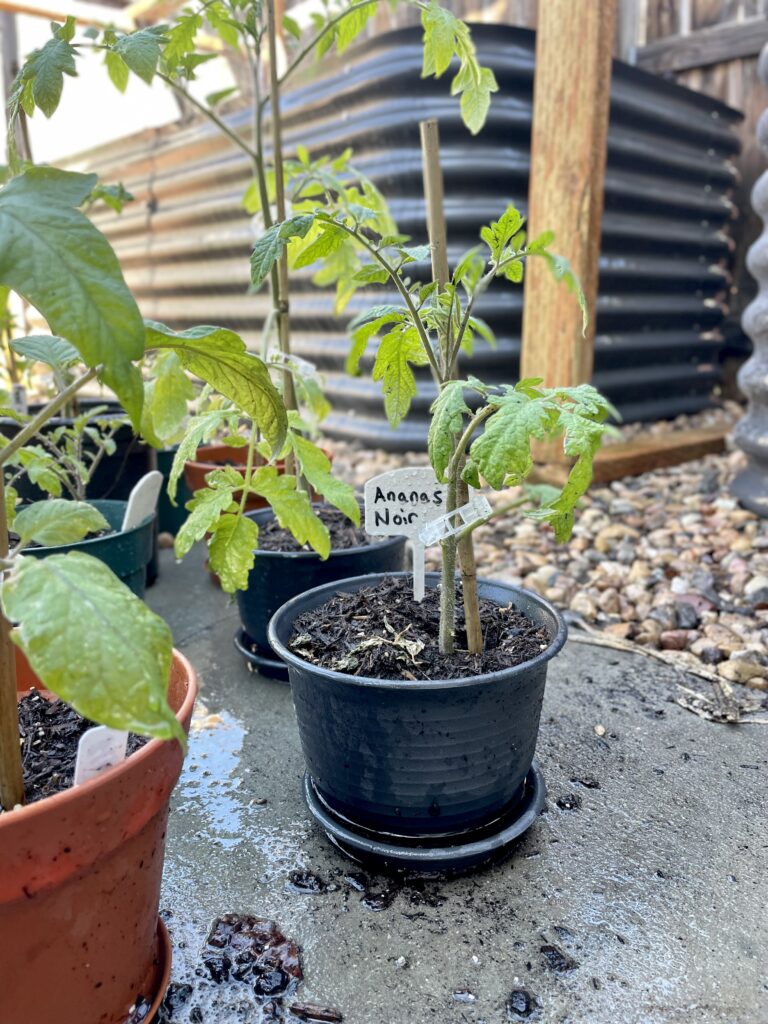
Garden Stakes: I believe garden stakes are essential because so many issues with plants come from them not being trellised (meaning: supported and trained to grow upward) correctly.
I use small bamboo sticks (1/4″ x 12″) for my large seedlings, medium bamboo sticks (18″) for my new transplants, and I often use large stakes (48″) for bigger plants. You can also build trellising systems that eliminate the need for garden stakes.
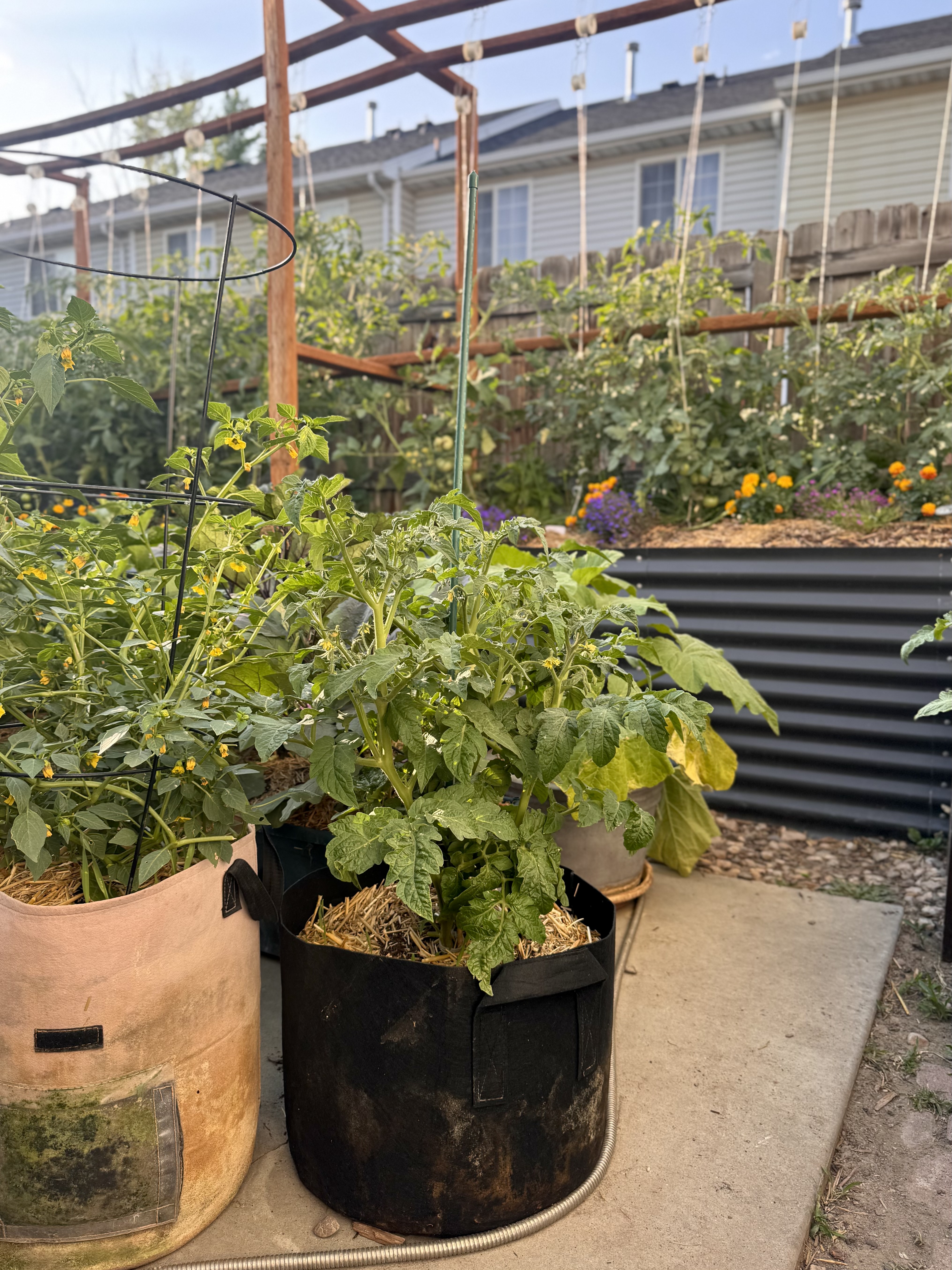
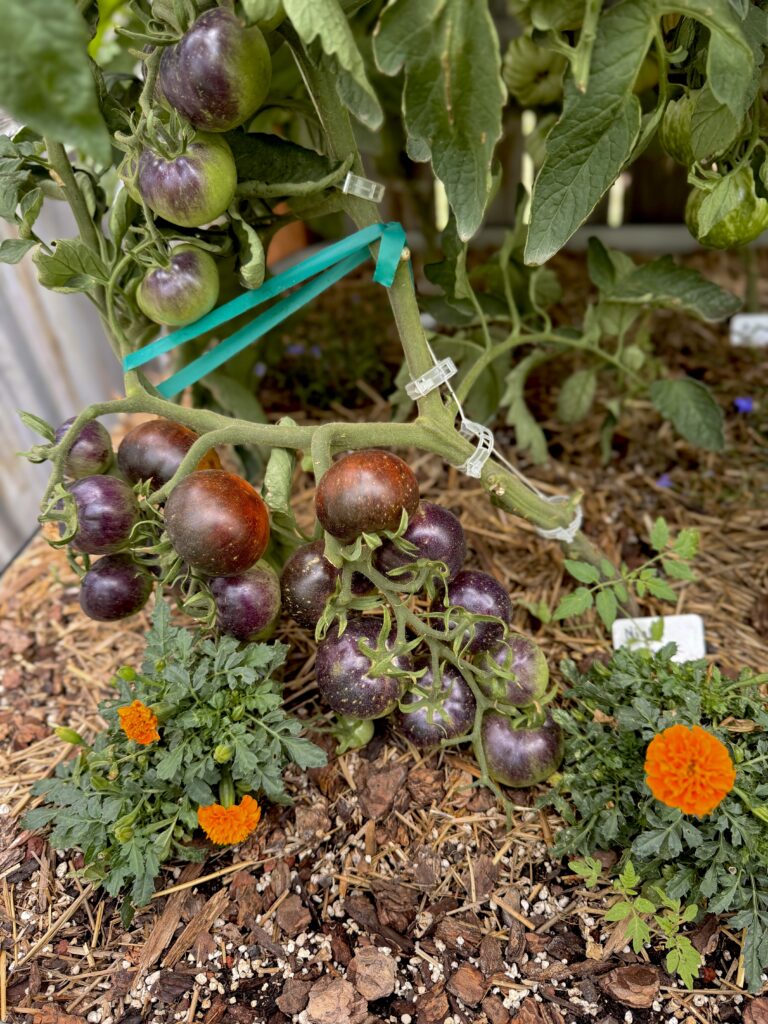
Plant Tying Tape: This a flexible, slightly stretchy tape used to support, secure, or protect plants as they grow. They’re used to gently hold plants in place without damaging stems. I personally prefer tape over string because it stretches with the plant, thus causing less damage. You could also use clips instead.
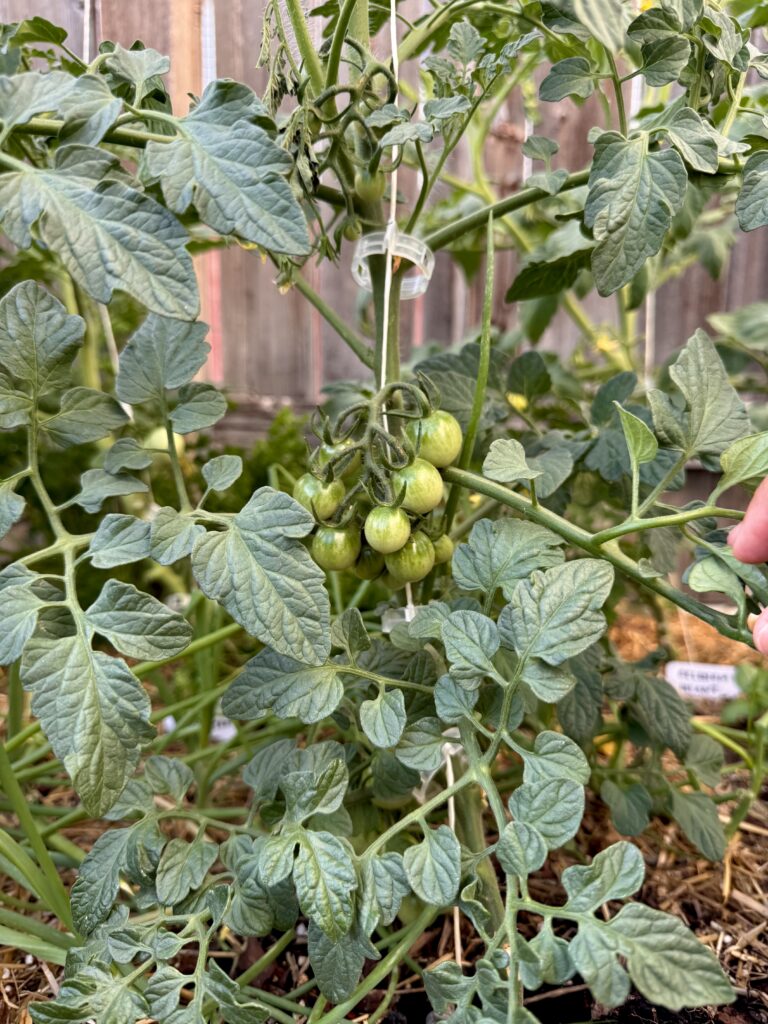
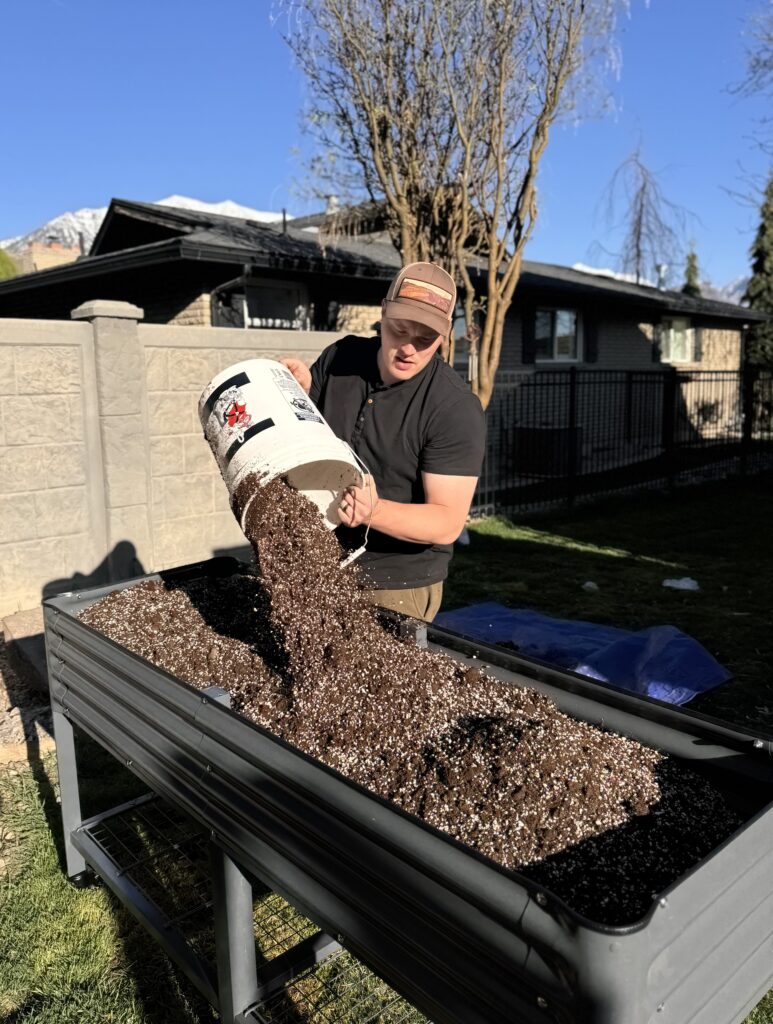
General Purpose Soil Amendment: One of the biggest controllable factors for your plants’ health is soil quality. I recommend amending your soil every year to prevent depletion and help your plants flourish. General amendments are usually slow-releasing and are therefore not so potent that you could harm plants by accidentally putting too much.
Top Nice-to-Have Garden Products:
Click on the item word to be directed to the product link.
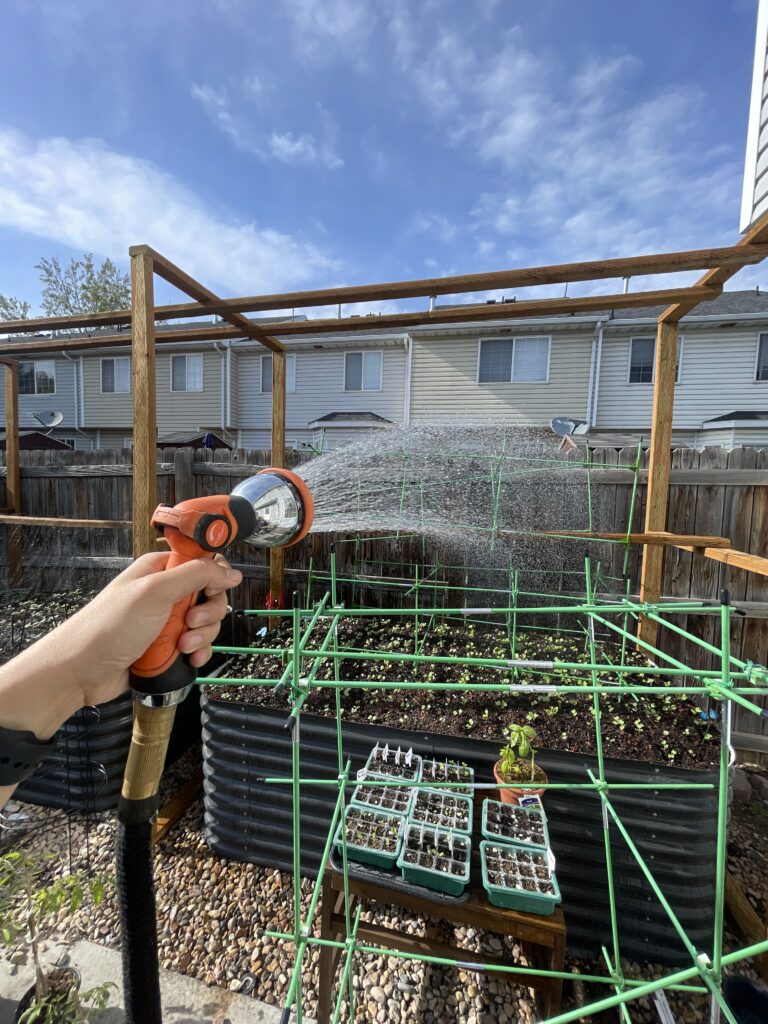
Watering Wand: A good nozzle and watering wand will reduce the need to bend over while watering your plants. If you have a self-watering irrigation system, a watering wand is less necessary.
Organic Liquid Fertilizer: Additional nutrition for your plants will help them grow. Organic liquid fertilizer is quickly bioavailable for plants (more of a quick-release method), but is also not potent enough to harm your plants. You can mix it in a bucket or sprayer and then apply it to the base of the plant. Adding nutrition to your soil after the initial amendment will also help to your soil stay strong for a longer period. I usually apply liquid fertilizer every two weeks to month, depending on how big my plants are.
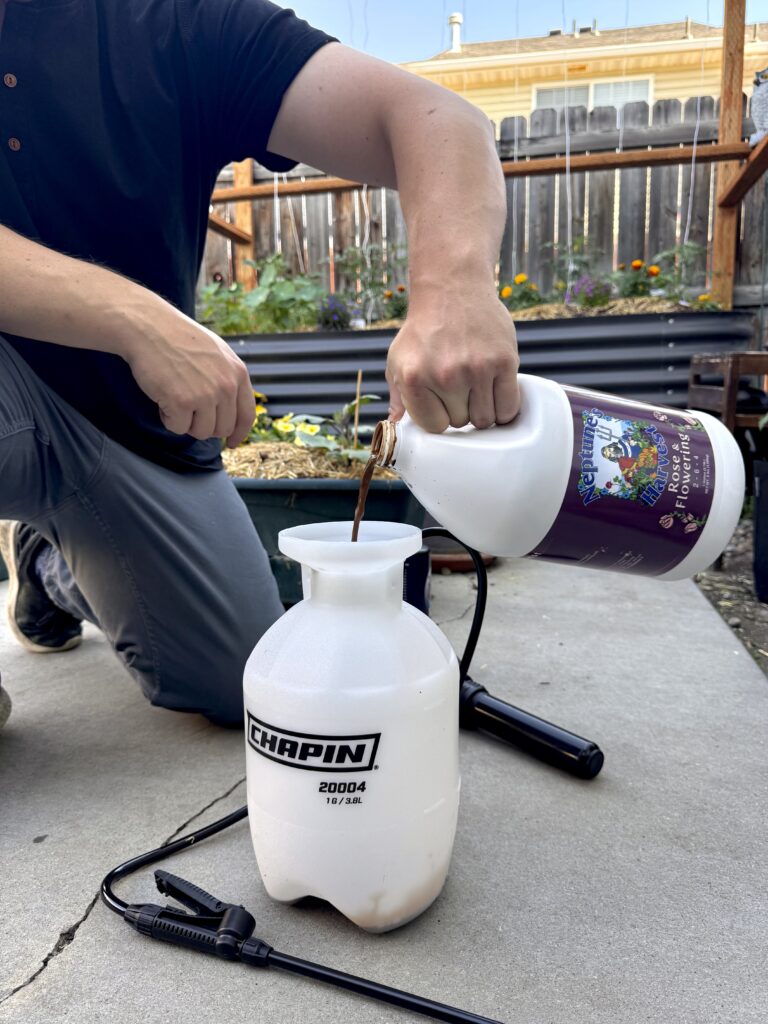
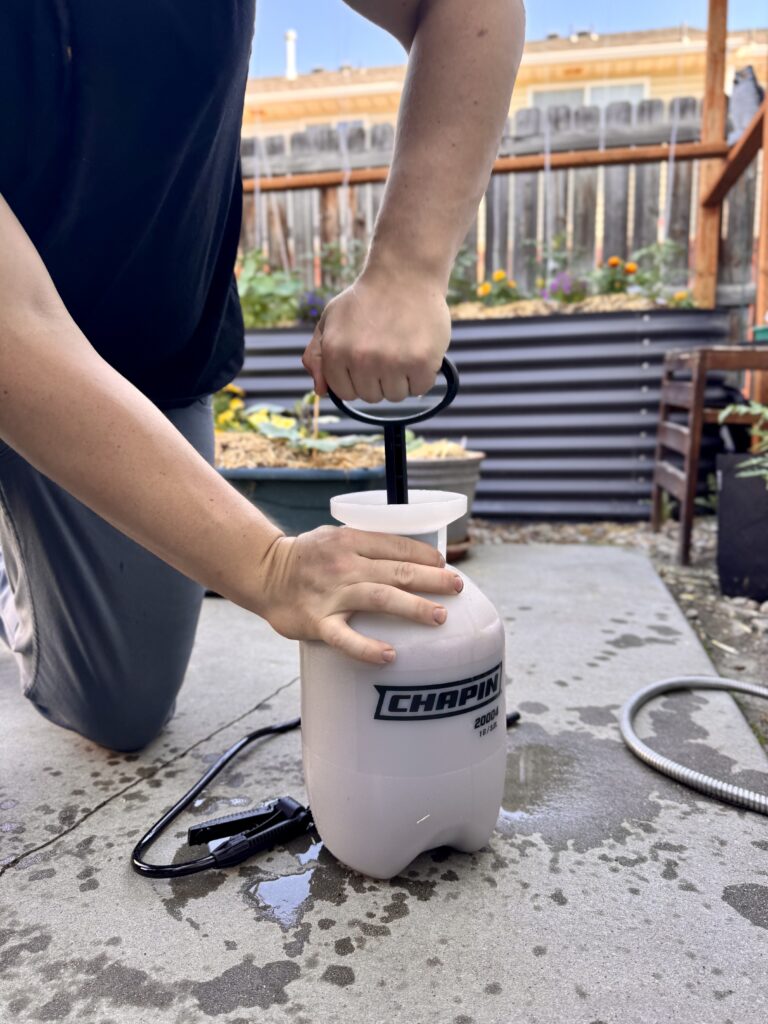
Garden Sprayer: If you do go the organic liquid fertilizer route, it is very nice to have a dedicated sprayer to mix up the fertilizer and apply it to your plants. Below you can see me putting liquid fertilizer into my sprayer. A sprayer is good to have for liquid fertilizer because it applies nutrients evenly and efficiently, helping prevent over-application and ensuring plants get consistent coverage.
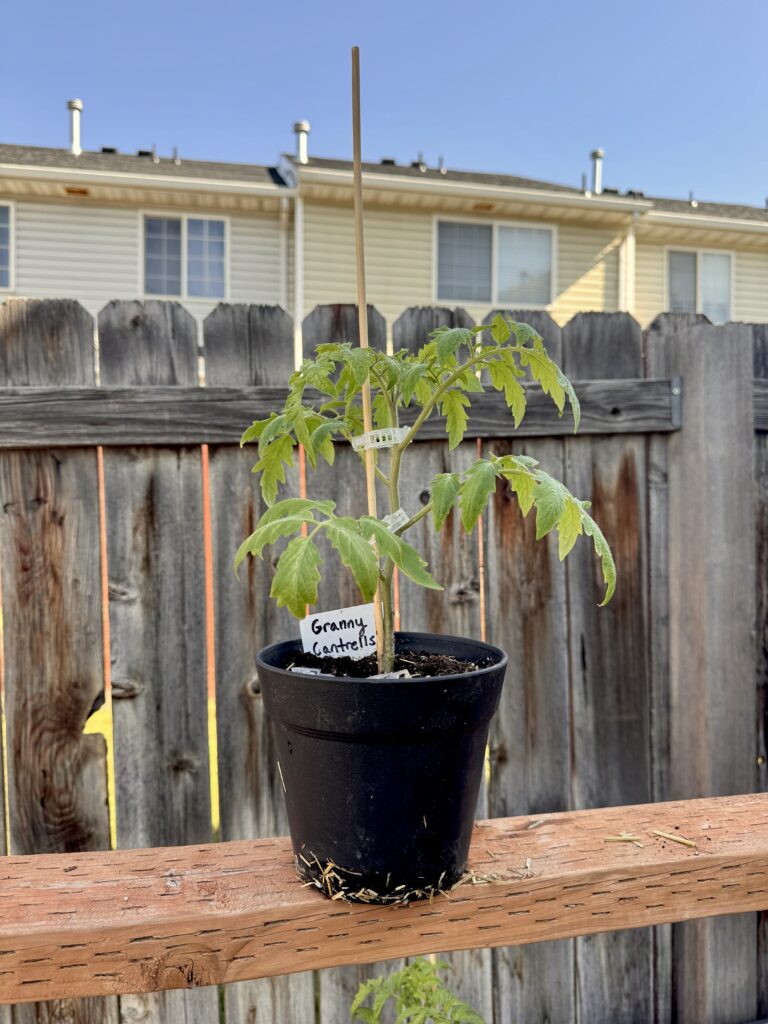
Midsize Pots for Planting: I recommend an intermediate transplanting between the seedling and outdoor stage if you are starting your own seeds. Midsize pots allow you to transplant your seedlings indoors so they can be extra hearty before eventually being planted outside. A great alternative is to use larger seed trays so your seedlings don’t outgrow them. However, I like starting out with the seed trays because it takes up less space.
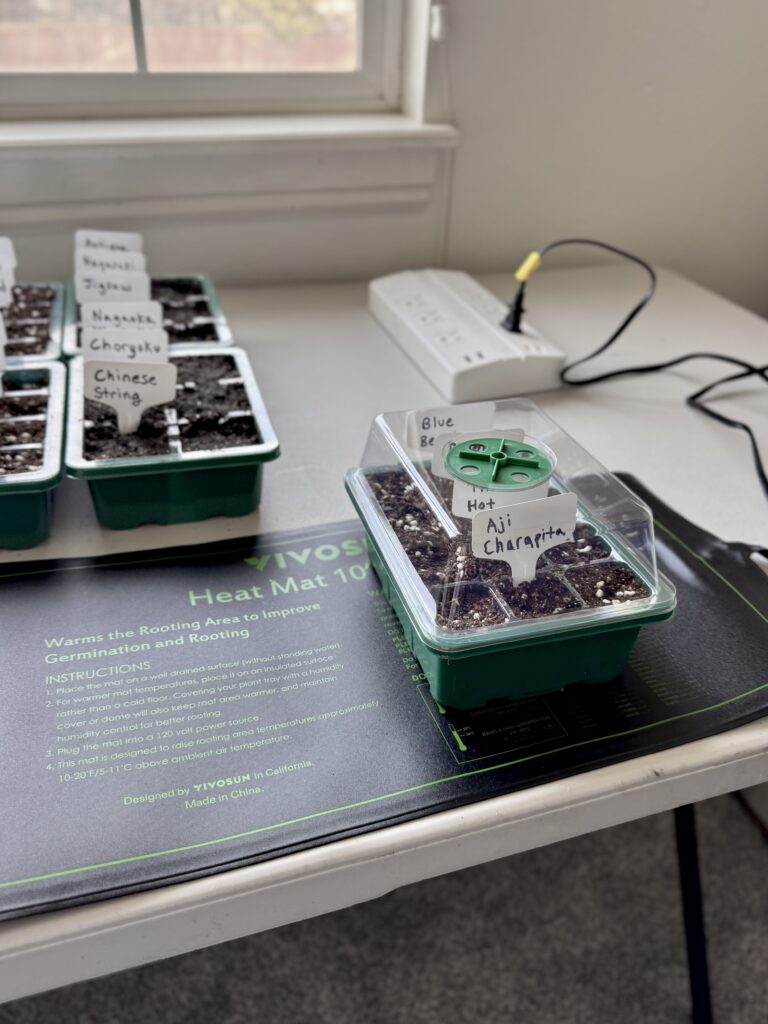
Heating Mat: Seeds have better germination conditions when they are not too cold. Using a heating mat is by no means essential (especially if your house is reasonably warm), but it will speed up the germination process. I have surprisingly never used a heating mat, but I thought it would be fun to try out this year.
That’s all for now! Thanks for reading and best of luck in your gardening journey!
If you enjoyed this article, make sure to check out my other blog posts:



This is so helpful! Thanks!
Agreed! Very important to have some good pruners