
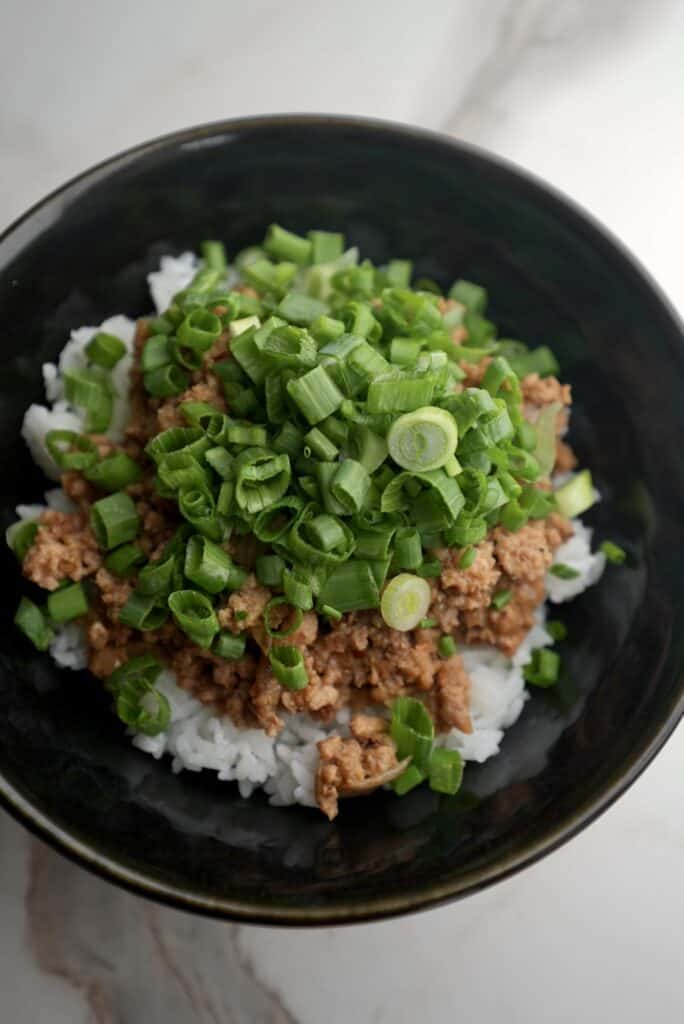
I’ve always loved how a few simple Japanese pantry staples can make everyday ingredients into something amazing. This Miso Ginger Pork Donburi does just that!! It’s packed with savory, slightly sweet flavors from miso, fresh ginger, soy sauce, and onions. It’s quick enough for a weeknight dinner but flavorful enough to feel like something special.
While this isn’t a traditional Japanese donburi recipe, it is a donburi (and it takes inspiration from the style of meals I grew up eating). In Japan, donburi simply refers to a rice bowl topped with a flavorful protein, vegetables, or both. This version features ground pork simmered in a rich miso-ginger sauce that coats every bite before being spooned over a bowl of fluffy steamed rice. A very generous handful or two of fresh scallions adds brightness and a little crunch.
One of my favorite things about this recipe is how pantry-friendly it is. Ground pork cooks quickly, and the sauce comes together with ingredients you may already have on hand. The result is a comforting, satisfying meal that delivers big flavor with very little effort. Whether you’re looking for an easy weeknight dinner or simply craving a cozy rice bowl, this Miso Ginger Pork Donburi is one you’ll want to make again and again. Let’s get into it!
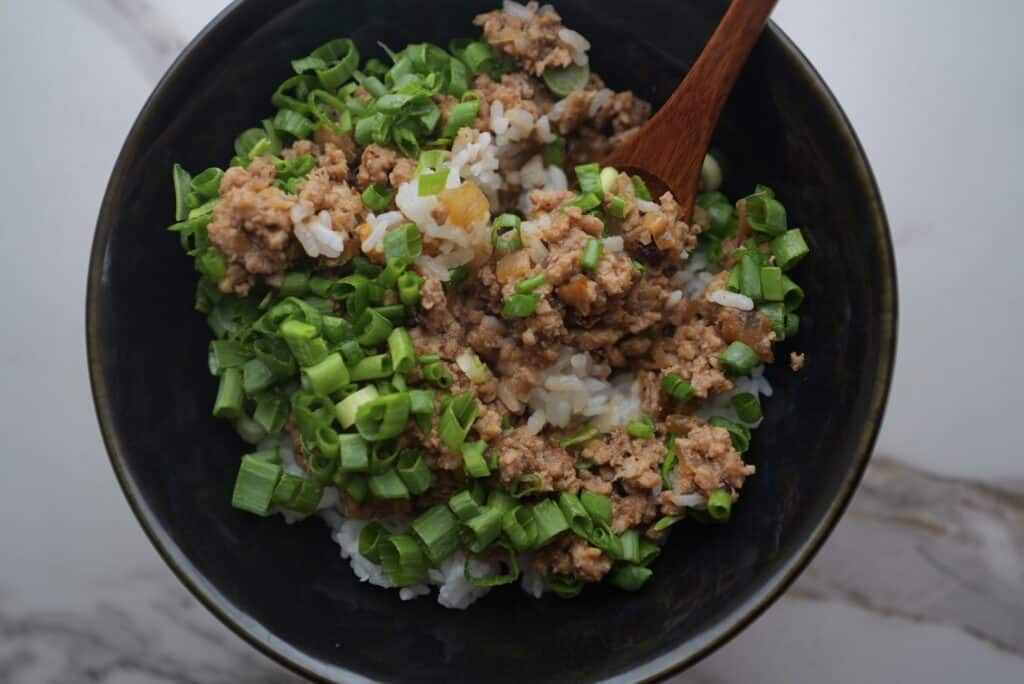
Ingredients
- White Miso: The star ingredient that gives the pork its rich, savory umami flavor with a subtle sweetness.
- Sugar or Honey: Balances the saltiness of the miso and soy sauce while helping the sauce caramelize slightly as it cooks.
- Soy Sauce: Adds depth, saltiness, and another layer of umami to the sauce.
- Fresh Ginger: Brings a bright, warm flavor that pairs beautifully with the rich pork and miso. Don’t use ground ginger, it’s not going to give you nearly the same amount of flavor. Plus, fresh ginger is so cheap!
- Onion: Softens as it cooks, adding natural sweetness and texture to the dish.
- Ground Pork: A flavorful, tender protein that readily absorbs the miso ginger sauce. Feel free to use another type of ground meat if you’d like!
- Water: Helps loosen the sauce so it evenly coats the pork without becoming too thick.
- Scallions: The white portions mellow as they cook, while the green tops add freshness, color, and a mild onion flavor as a garnish. Don’t skimp on this, because it plays a huge role in the flavors of this dish!
- Steamed Rice: The perfect base for soaking up every bit of the flavorful miso ginger pork.
What to Know About Miso
Miso is a traditional Japanese seasoning made by fermenting soybeans with salt and koji (a cultured mold), sometimes along with rice or barley. The fermentation process can range from a few weeks to several years. That’s why miso varies so widely in color, flavor, and intensity – from mild and slightly sweet to dark, salty, and deeply savory.
Rich in umami and central to everyday Japanese cooking, miso is most famously used in miso soup (as I’ll show you here!) but also plays an important role in marinades, sauces, dressings, and braised dishes.
When it comes to making miso soup, the type of miso you choose has a big impact on the final flavor. Miso comes in many varieties. It can be a little overwhelming. But there are 3 main categories that you’ll see repeatedly in Japanese home cooking and recipes. Here they are:
- White Miso (Shiro Miso): Light in color and mildly sweet, white miso is fermented for a shorter time and is commonly used in delicate dishes like traditional miso soup, dressings, and light sauces. I personally like white miso the most for miso soup!
- Red Miso (Aka Miso): Darker and more robust, red miso is fermented longer, giving it a saltier, deeper umami flavor that works well in heartier soups, stews, and braised dishes.
- Awase Miso: A blend of white and red miso, awase miso offers a balanced flavor that’s both mild and savory, making it one of the most popular everyday misos in Japanese households.
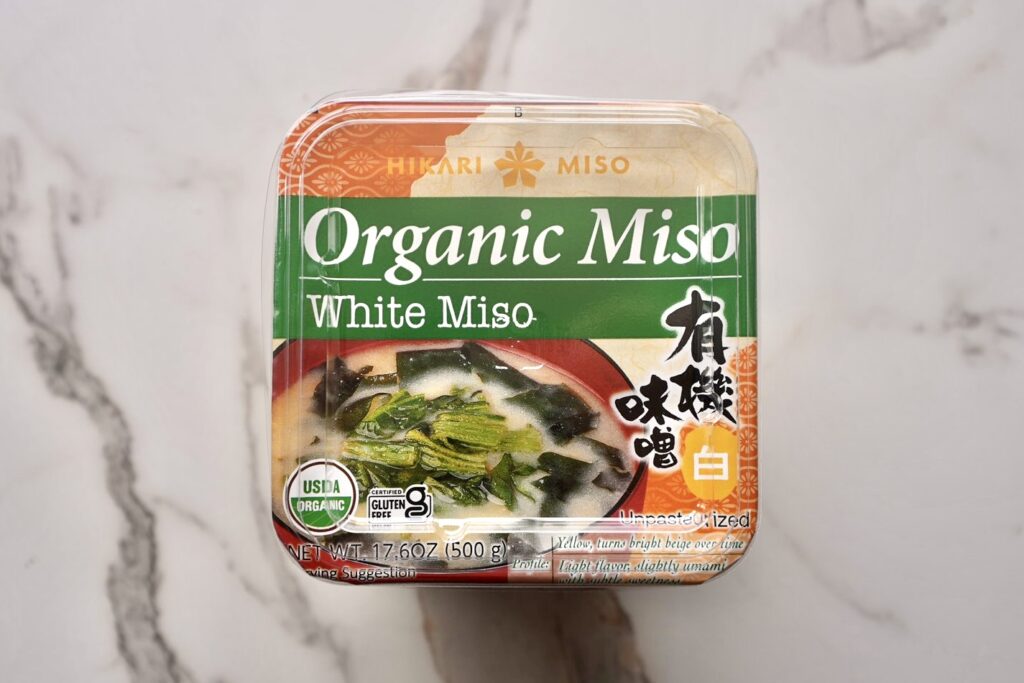
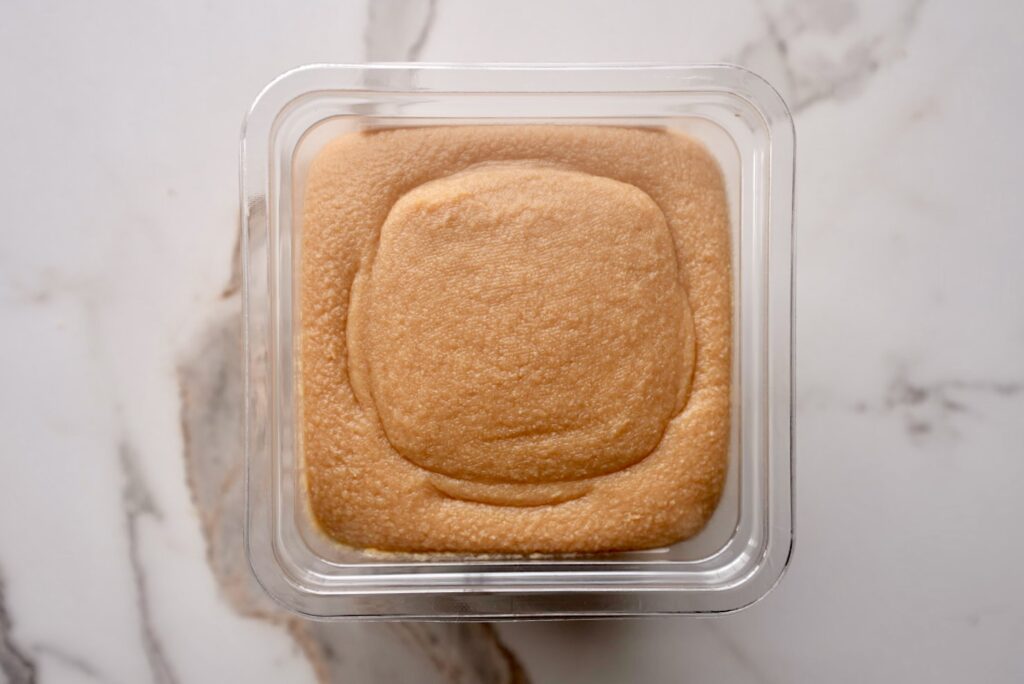
There are also regional misos, like Hatcho miso (very dark, rich, and intense, made mostly from soybeans) and barley miso (mugi miso), which has a slightly earthy, mellow flavor. For most home cooking and miso soup, white, red, or awase miso will cover nearly everything you need.
Miso is used in Japanese cooking in a wide range of ways beyond soup, thanks to its deep umami flavor and versatility. It’s commonly stirred into broths and soups, blended into sauces and dressings, and used as a base for marinades and glazes for fish, meat, and vegetables. Miso is also mixed with butter or oil for rich spreads, incorporated into stir-fries and braised dishes for depth, and even used in small amounts in baked goods and desserts to add a subtle salty-sweet complexity.
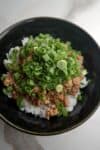
Miso Ginger Pork Donburi
- Total Time: 17 minutes
Description
This Miso Ginger Pork Donburi is a quick and comforting rice bowl featuring savory ground pork coated in a rich miso-ginger sauce and finished with a heaping handful of fresh scallions.
Ingredients
- 2 tablespoons white miso
- 1/2 tablespoon sugar or honey
- 1 tablespoon soy sauce
- 1 tablespoon fresh ginger, grated
- 1/2 medium onion, diced
- 1 pound ground pork
- Black pepper, to taste
- 1/2 cup water
- 1 teaspoon red pepper flakes (add more or less to taste)
- 12 green onions, thinly sliced (white and green parts separated)
- Cooked Japanese short-grain rice, for serving
Instructions
- In a small bowl, whisk together the miso, sugar (or honey), soy sauce, water, and grated ginger until smooth. Set aside.
- Heat some olive oil in a large skillet over medium heat. Add the diced onion and cook for about 3 – 5 minutes, or until softened and translucent.
- Stir in the white parts of the scallions and cook for about 30 seconds until fragrant.
- Add the ground pork and cook, breaking it up with a spoon, until browned and fully cooked. Season with freshly ground black pepper.
- Pour the miso mixture into the skillet. Stir well until the pork is evenly coated in the sauce. Add red pepper flakes to taste. Simmer for 2 – 3 minutes until the sauce slightly thickens.
- Spoon steamed rice into serving bowls and top with the miso ginger pork. Top with a few chopped green scallions per serving and serve immediately (note that the green onions are not a garnish with this dish; it’s a huge part of it!).
- Prep Time: 5 minutes
- Cook Time: 12 minutes
Nutrition
- Serving Size: 3-4



This is really good! Easy! Probably not traditional but it would be good with a fried egg on top!
Oh yesss that sounds amazing! Thanks for sharing, Carly!