
Hey all! Real Farmer Jeff here.
Choosing between in-ground and container gardening shapes how much you spend, how much effort you put in, and how your garden performs over time. Both methods can work but one may be preferable depending on your preference.
In this blog post, I’ll walk through all the pros and cons of in-ground gardening vs container gardening so you can figure out what would be best for your situation!
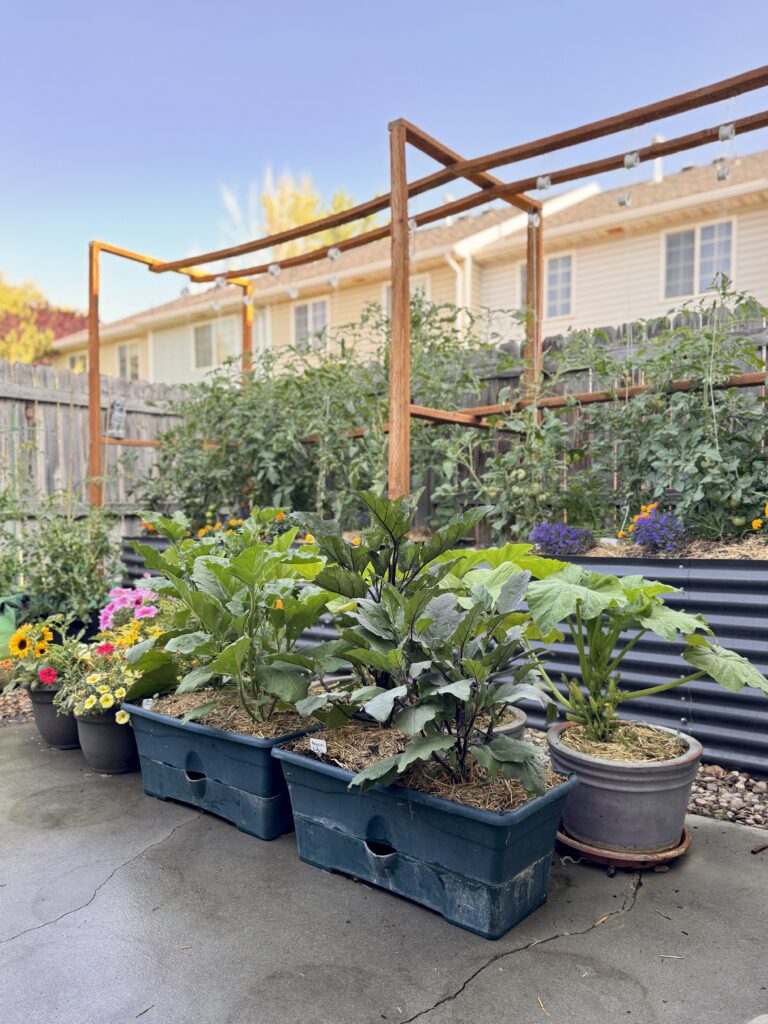
Pros and Cons: In-Ground vs. Container Gardening
In-Ground Gardening
Note that in-ground gardens thrive in fertile regions like prairies, river valleys, temperate forests, and pastures. Even challenging soils (clay, sand, rocky, urban) improve over time with compost and mulch, creating a permanent, biologically rich system.
| Pros | Cons |
|---|---|
| Lower long-term cost | More weeds, especially in the first season |
| Soil can improve over time | Rocks, roots, or compacted soil may require initial prep |
| Higher water retention | Less control over soil quality if native soil is poor |
| Easy to scale and increase yields | |
| Can install efficient irrigation and row layouts |

Container Gardening
This is my personal preference when it comes to gardening, as it gives me the most control (I’ll get into that). Container gardening works anywhere, including poor or compacted soil. Soil quality is controlled entirely through potting mix, but improvements do not accumulate over time. Container soil requires ongoing attention to maintain fertility and structure.
| Pros | Cons |
|---|---|
| Works almost anywhere (patios, rentals, poor soil) | Higher upfront and ongoing cost |
| Fewer weeds and no rocks/roots | Soil degrades more quickly, requiring frequent replacement |
| High control over soil type and nutrients | Plants are limited by container size |
| Flexible layout for small spaces | Often needs more frequent watering |
In-Ground Gardening
Like I mentioned, when it comes to in-ground vs. container gardening, I personally prefer container. That said, in-ground gardening does have its own benefits. It typically has lower startup costs, usually around $50 – $150 for compost and soil amendments, and the soil improves over time as organic matter builds up. This means gardeners often need less fertilizer in later seasons, lowering long-term costs and supporting healthier soil.
Additionally, in-ground beds also retain moisture better, making them more tolerant of heat and drought, and they work well with efficient watering systems like drip irrigation. The layout is flexible, allowing for rows, wider plant spacing, and crop rotation, which can lead to higher yields.
While weeds are more common in the first season and the soil may contain rocks or roots that require some preparation, these challenges usually decrease after the soil is loosened and mulch or dense planting is added. However, depending on where you live, starting an in-ground garden to begin with can be fairly difficult.
For example, my mother-in-law lives at the base of mountains, so her soil is extremely rocky. To start an in-ground garden would take an immense amount of work (or professional help). That said, because plants can develop larger root systems in the ground, gardens are easier to expand and can produce larger harvests.
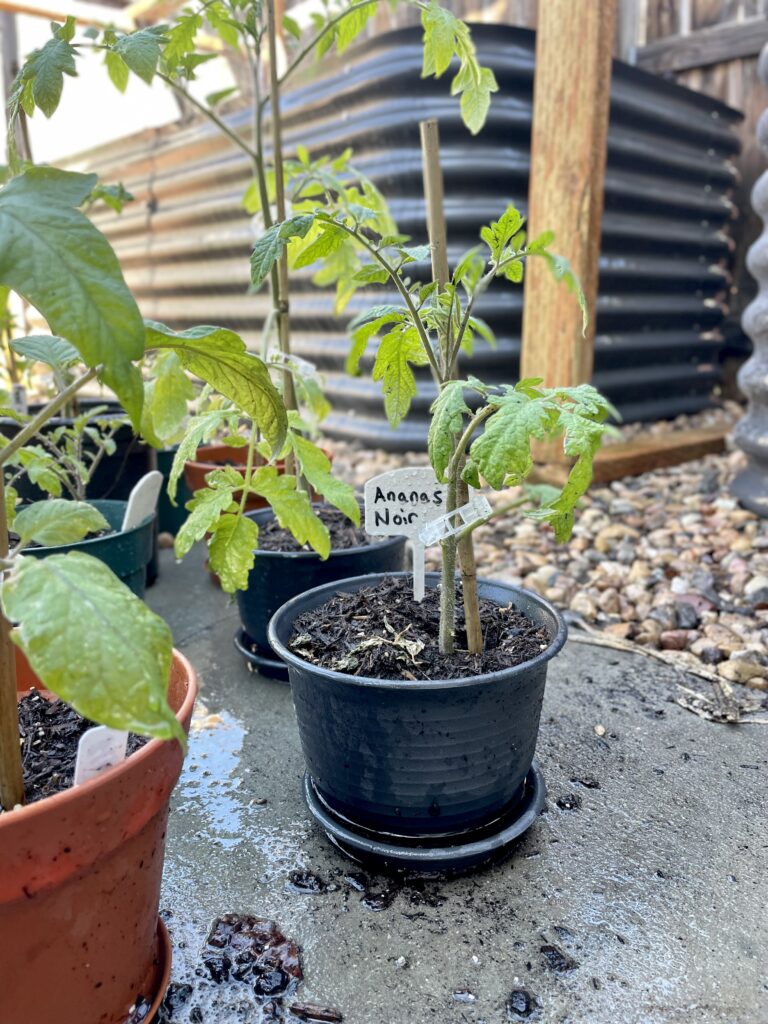
Container Gardening
Now for my preferred method: container gardening!
Container gardening usually requires a higher initial investment and ongoing costs. Containers, potting mix, and fertilizers must be replaced or refreshed regularly because the soil in pots degrades more quickly. Containers also dry out faster than in-ground beds, often requiring watering several times per week during the hottest part of summer. The limited soil volume restricts root growth and reduces efficiency, and the layout is limited by the number and size of containers.
That said, container gardens have many pros that personally outweigh the cons for me! It typically has fewer weed problems and it’s much easier to avoid issues with rocks or roots in the soil. Small containers are well suited for plants such as herbs and leafy greens or for gardeners with limited space, but producing large harvests usually requires bigger containers, which increases both cost and maintenance.
Thanks for reading along, guys! If you enjoyed this, check out my other gardening blog posts:
- How to Start a Garden on a Budget for Under $100
- 4 Reasons Why Tomatoes Are the Best Vegetable to Grow
- My Garden Setup: 3 Best Garden Containers for Every Gardener
- When to Plant Indoors vs. Outdoors: A Seasonal Guide for Gardeners
- Essential and Nice-to-Have Garden Products for Your Perfect Setup
- Starting Seeds vs. Buying Transplants: How to Decide for Your Garden



0 Comments