
Hey all! Real Farmer Jeff here.
Not all vegetable transplants are worth buying. Some crops don’t tolerate root disturbance, while others grow so quickly from seed that buying starts adds very little benefit.
Here are the types of crops that are usually better planted directly in the garden instead of buying as transplants.
1. Crops That Dislike Root Disturbance
Some plants develop sensitive taproots, while others stall after transplanting. Either way, disturbing the roots can permanently reduce growth and yield.
Common traits:
• Taproots form early (especially root crops)
• Sensitive root systems
• Poor recovery after transplant shock
Examples:
• Carrots
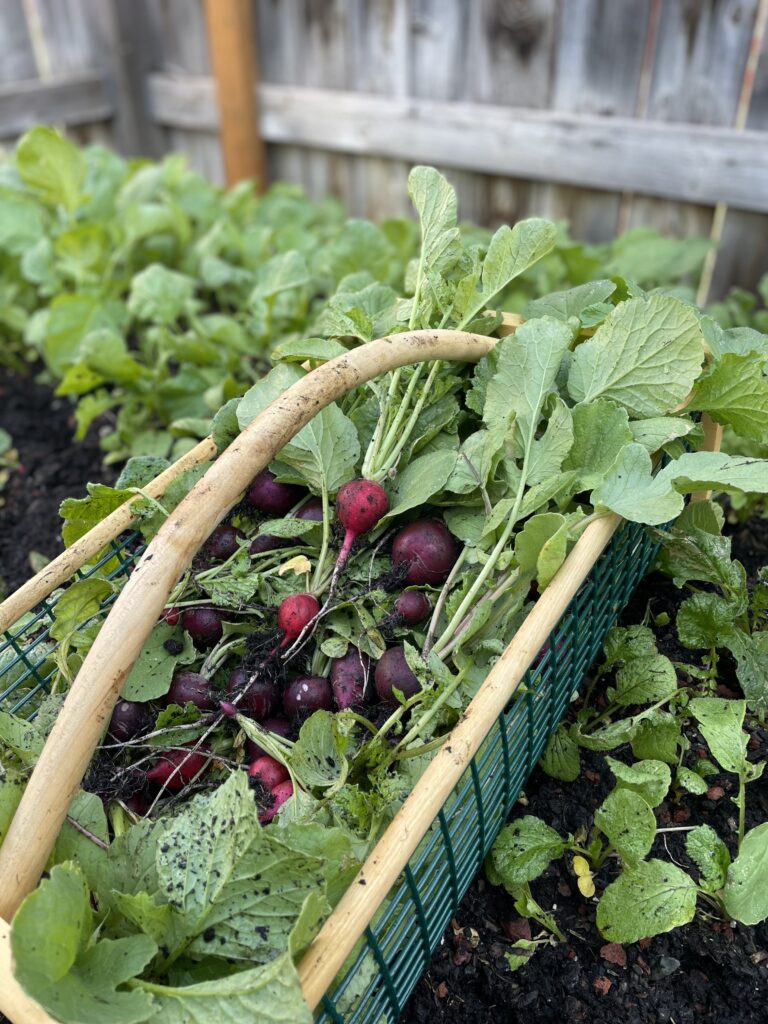
• Radishes
• Turnips
• Beets
• Parsnips
• Peas
• Beans
• Corn
• Sunflowers
• Dill
Why this matters: Damaging sensitive roots can lead to stunted growth, poor development, or reduced harvests.
2. Crops That Are Usually Not Worth Buying as Transplants
These crops technically transplant fine, but they grow so quickly from seed that buying starts rarely saves meaningful time or improves results.
Common traits:
• Fast germination and growth
• Easy to direct sow
• Minimal transplant advantage
Examples:
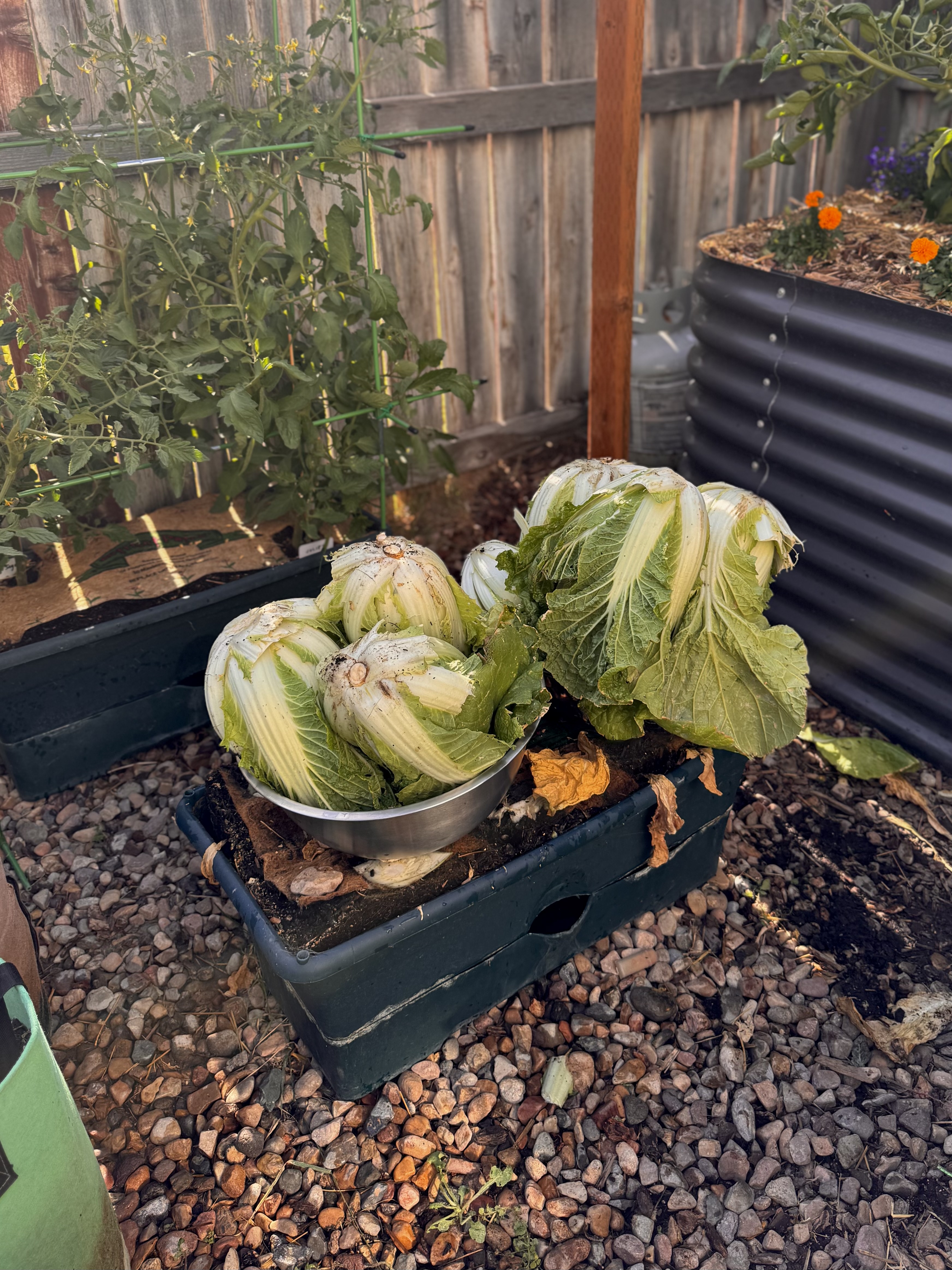
• Lettuce
• Arugula
• Spinach
• Other leafy greens
Why this matters: You’re often paying extra for only a small head start that the plant can easily make up in the garden.
3. Crops That Only Transplant Well When Young
These are commonly sold as transplants and can perform very well, but they become problematic once overgrown or rootbound.
Examples:
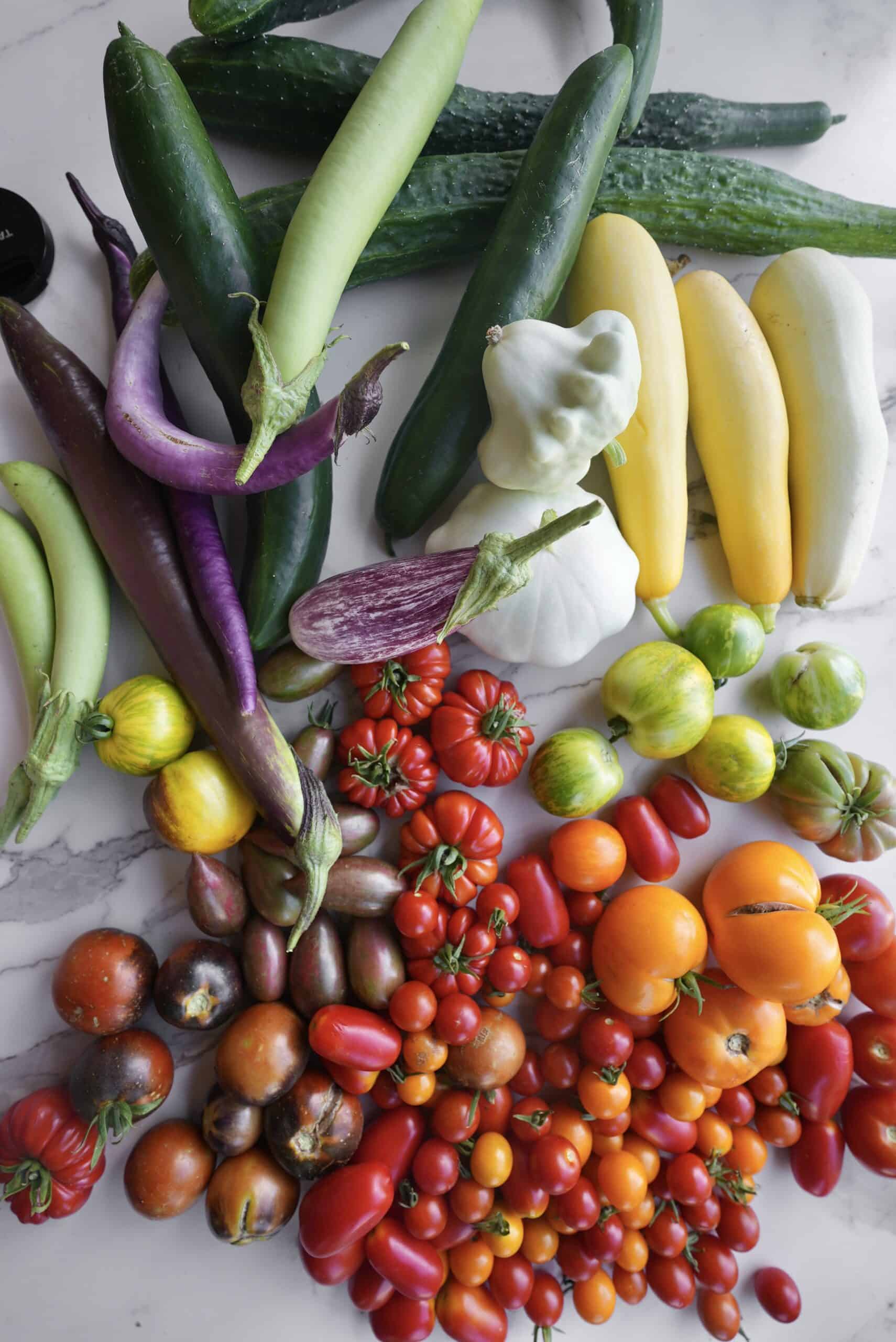
• Cucumbers
• Squash
• Melons
• Pumpkins
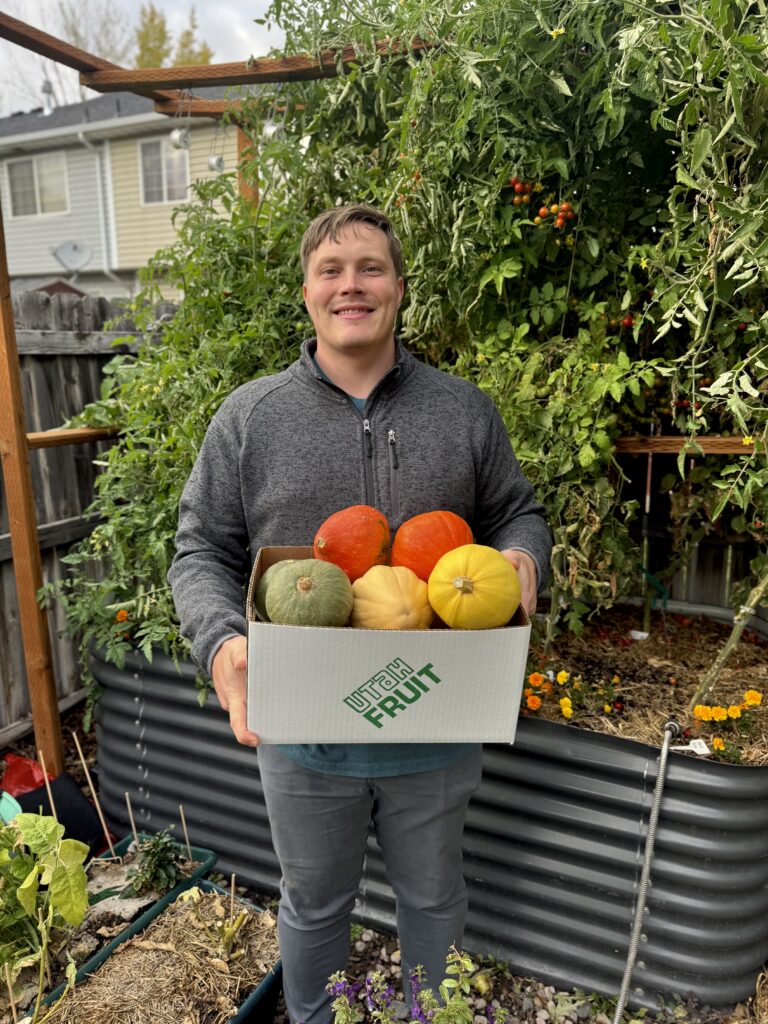
Why these are different: These plants are all cucurbits (Cucurbitaceae family). They can transplant well when young, but their roots are very sensitive to disturbance. The issue is that stores often sell them after they’ve spent too long in small containers.
What to look for:
• Small, compact plants
• Not rootbound
• Healthy white roots if visible
What to avoid:
• Large, overgrown plants
• Tight circling roots
• Plants flowering heavily in small pots
Bottom line is, these can be excellent transplants when young, healthy, and not rootbound.



0 Comments