
Hey all! Real Farmer Jeff here.
Tomatoes are unique because they can grow roots directly from their stems. If you look closely at a tomato stem, you’ll often notice tiny fuzzy hairs or bumps. Those are actually potential root sites.
When part of the stem is buried, the plant develops additional roots. Creating additional roots is ideal because a larger root system has the following benefits:
- Absorb more water and nutrients
- Handle heat and drought better
- Grow larger and stronger plants
- Support more abundant harvests
In this blog post I will cover “standard planting” for tomatoes and four other methods that can develop even stronger roots. Let’s get started!
1. Standard Planting
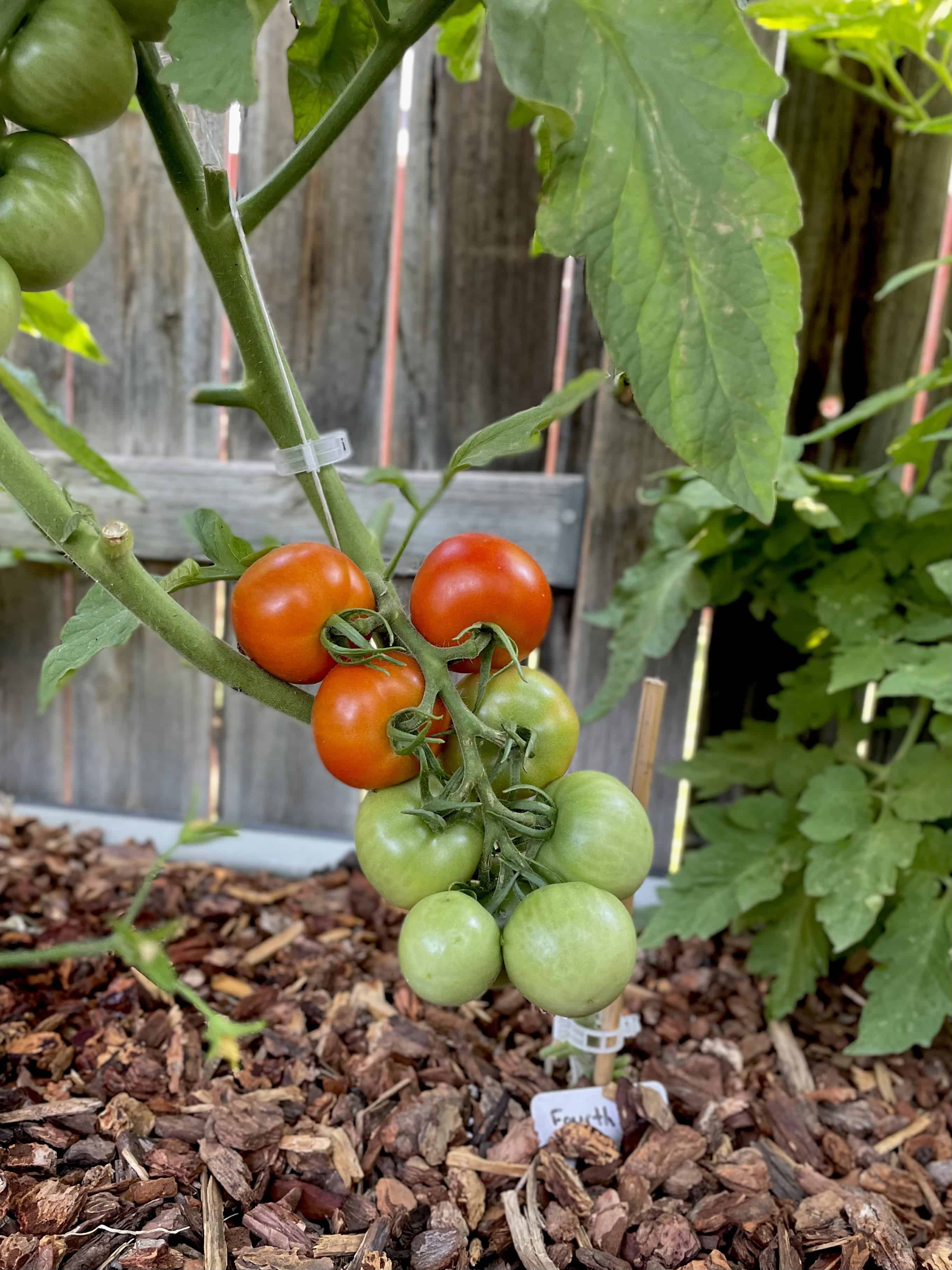
This is the most common and straightforward method. With standard planting, the tomato is planted at roughly the same depth it was growing in its nursery pot. Here’s how todo it:
- Dig a hole about as deep as the container
- Remove the tomato from the pot
- Place it into the hole and backfill with soil
Unlike several of the methods below, very little additional stem is buried underground. Healthy plants can still produce excellent harvests, but root systems are often smaller compared to deeper planting methods. If you are planting a whole field of tomatoes, this method may be preferable because of the ease.
| Pros | Cons |
|---|---|
| Fast and easy | Smaller root system |
| Works well in cold or wet soil | Potentially less drought tolerance and vigor |
| Simple for beginners |
2. Deep Planting
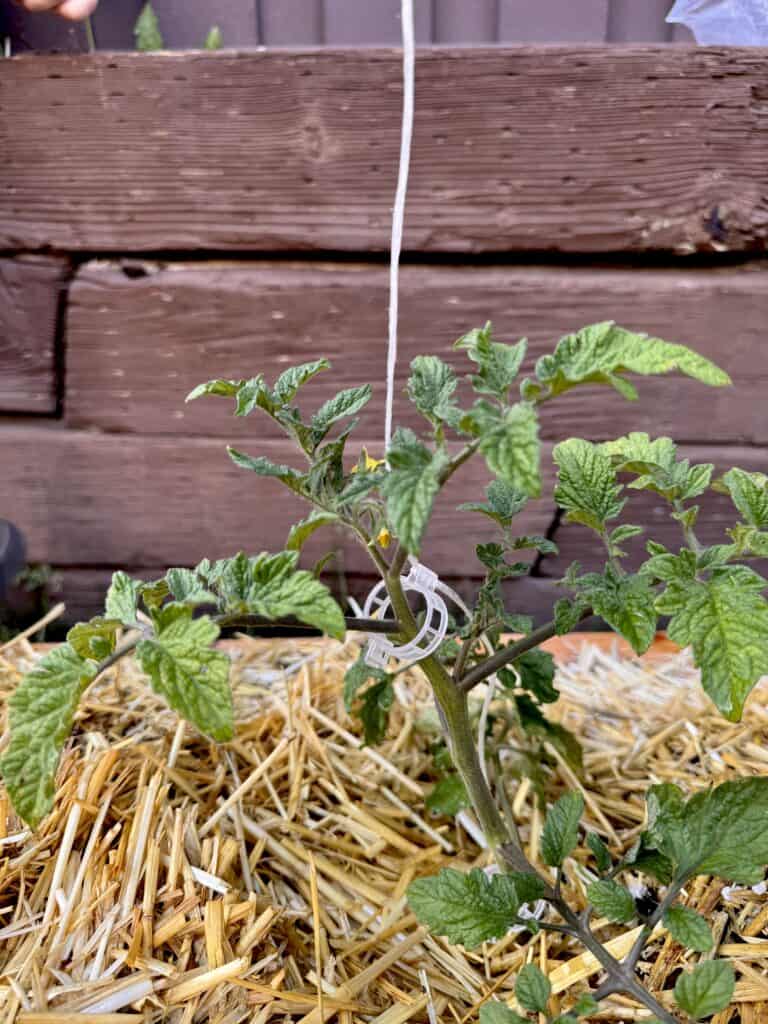
Deep planting is the most common method to get additional root growth. Instead of planting at the same depth as the nursery pot, much of the stem is buried underground. Here’s how to do it:
- Remove the lower leaves from the transplant
- Dig a deep hole
- Bury ½ to ⅔ of the plant vertically
- Leave only the upper portion above the soil
The buried stem will eventually develop additional roots. Deep planting often leads to larger, stronger plants capable of supporting heavier harvests later in the season.
| Pros | Cons |
|---|---|
| Excellent root development | Requires deeper raised beds |
| Better drought tolerance | Deep soil can often be quite cool in the early season |
| Stronger, more vigorous plants | Cold soil can slow early growth |
3. Trench Planting
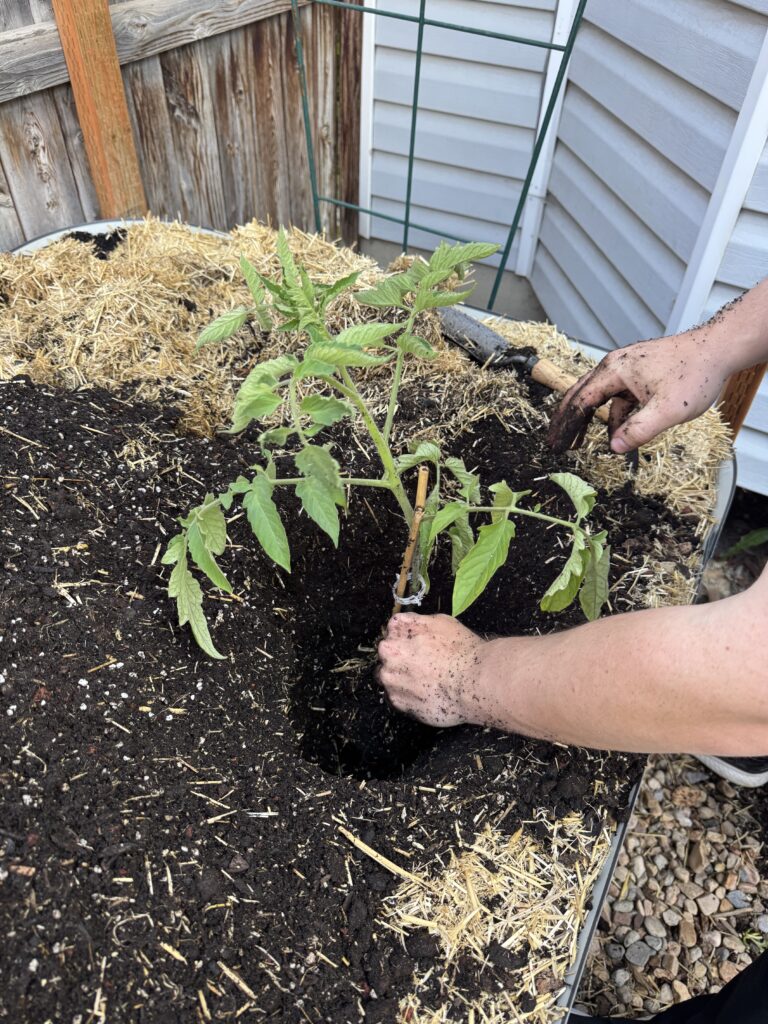
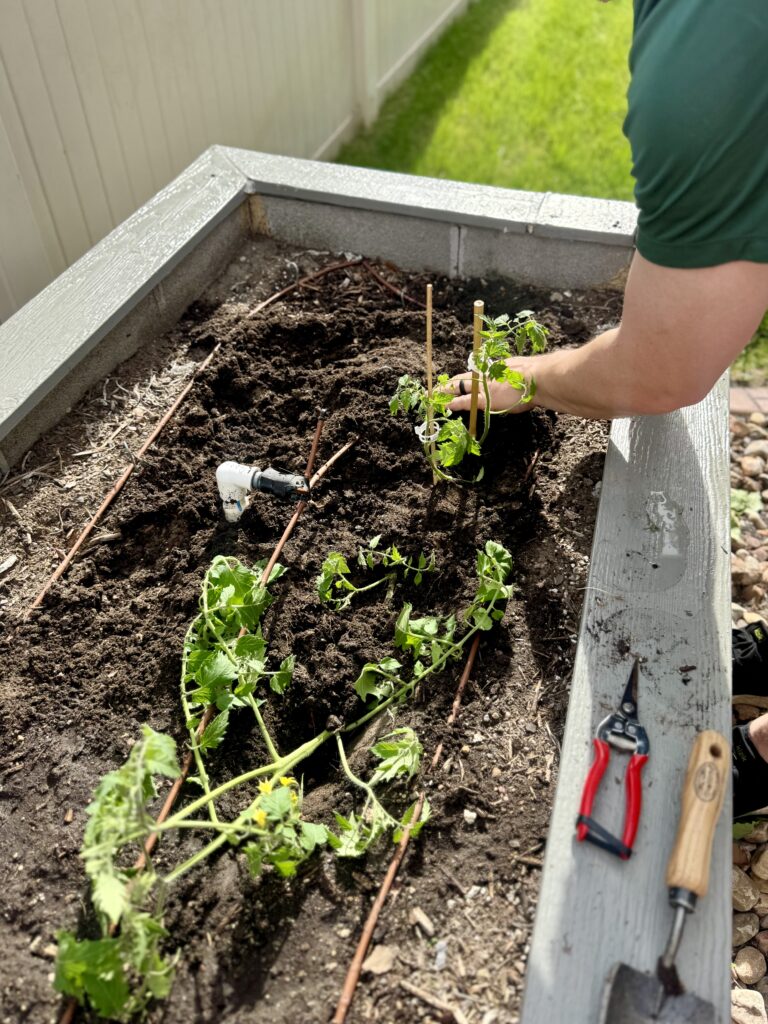
Trench planting works similarly to deep planting, but sideways instead of downward. This method is especially useful if your raised beds are not very deep or if your soil is still cold. Here’s how to do it:
- Remove the lower leaves from the transplant
- Dig a shallow horizontal trench
- Lay the stem sideways in the trench
- Leave the top few inches of the plant exposed above the soil
Within a few days, the top of the plant will naturally curve upward toward the sun. Trench planting can create vigorous root systems similar to deep planting and may encourage faster early growth in cool conditions.
| Pros | Cons |
|---|---|
| Great for shallow raised beds | Uses more horizontal space |
| Easier than digging deep holes | Can make spacing more difficult |
| Excellent for tall or leggy seedlings |
4. Mound Planting
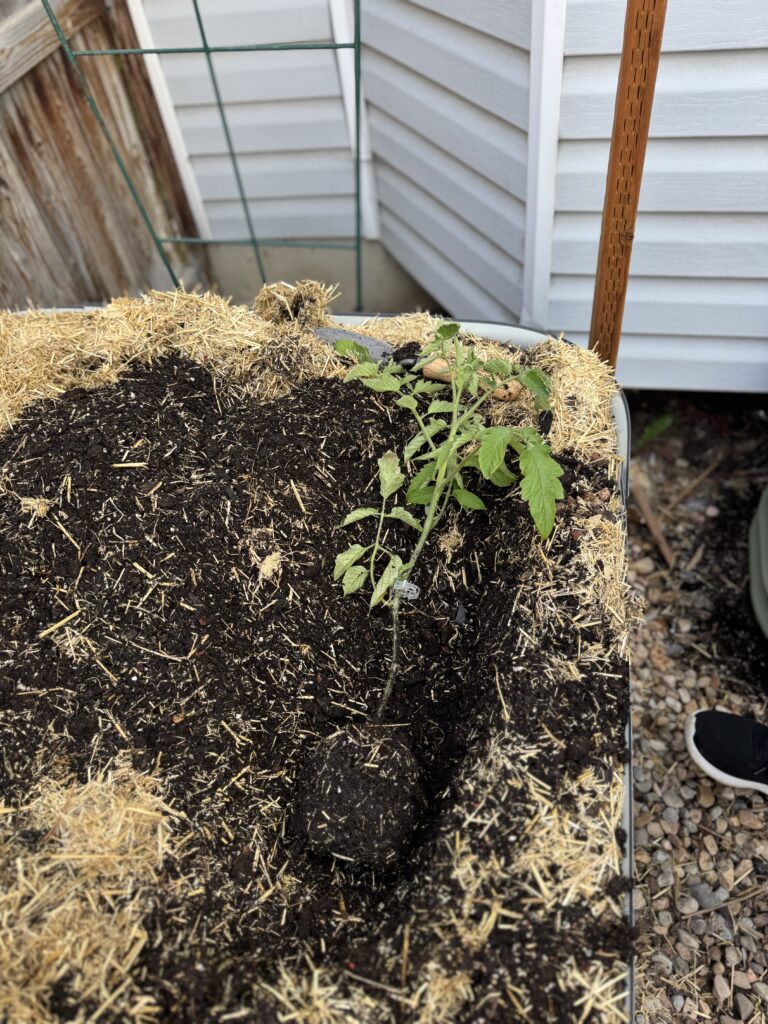
Mound planting focuses more on drainage and soil warmth than maximizing buried stem roots. However, this method still allows for more buried roots than standard planting. Here’s how to do it:
- Plant tomato with standard method.
- Create a mount of soil around the tomato stem. Ideally 4-12 inches tall and gently sloping.
- Water thoroughly and add mulch if desired.
Elevated soil drains faster and warms more quickly in spring. Mounding can help maintain healthier plants in wet conditions, reducing stress that may limit production.
| Pros | Cons |
|---|---|
| Improves drainage | Soil dries out faster |
| Helps prevent overly wet roots | May require more watering |
| Warms faster early in the season | Less practical on a large scale |
5. Progressive Burying
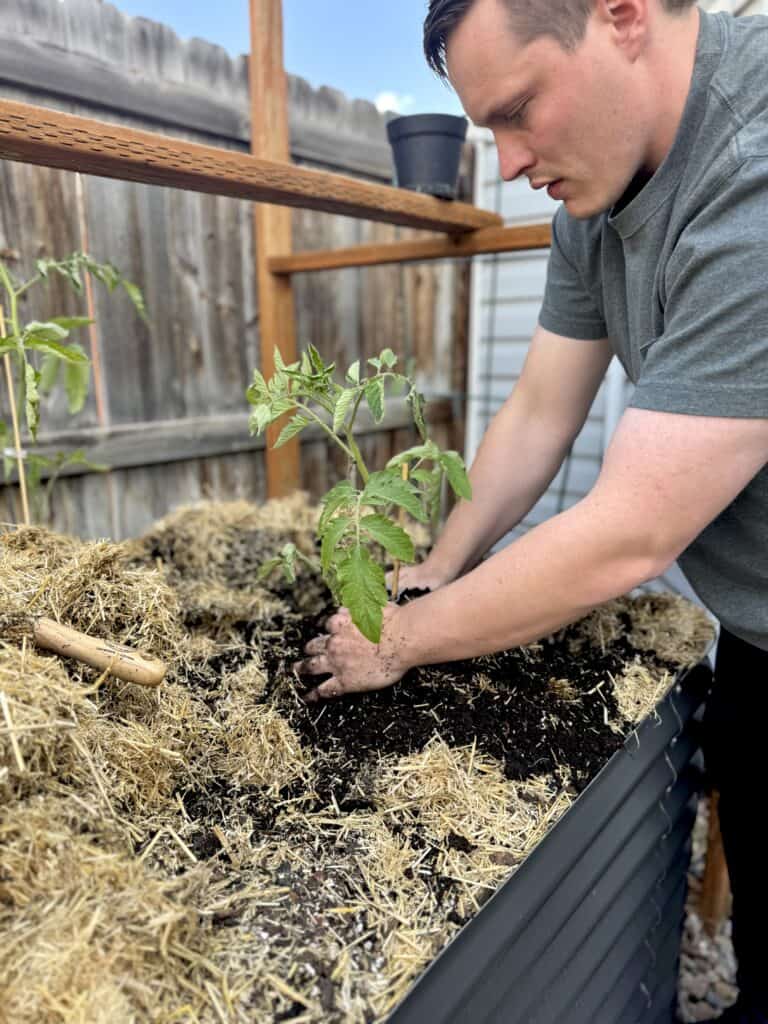
Progressive burying starts shallow and gradually buries more stem as the plant grows. This is a great option if you regularly add compost or soil to your raised beds during the season anyway. Here’s how to do it:
- Plant the tomato with the standard planting to start .
- As the plant grows, gradually add soil, compost, or mulch around the lower stem.
- Trim off branches that will become buried when adding more soil
- Continue burying more stem over time.
Tomatoes continue developing roots from newly buried stem sections throughout the growing season. Progressive burying can produce very strong late-season plants with excellent drought tolerance and sustained production.
| Pros | Cons |
|---|---|
| Encourages continuous root growth | Requires ongoing effort |
| Great use for extra compost or soil | Harder once cages or trellises are fully installed |
| Helps avoid cold deep soil early in the season |
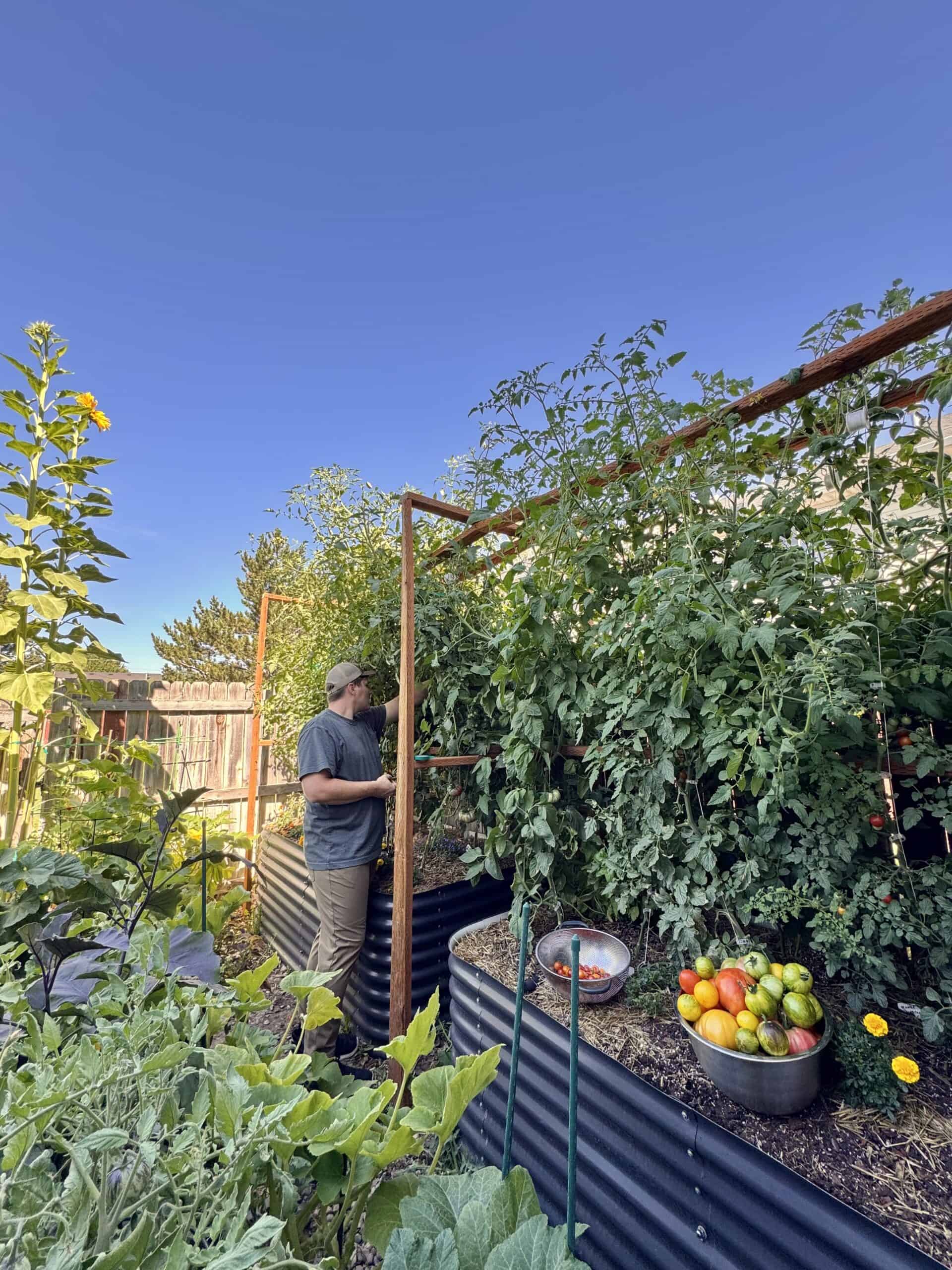
Standard planting for tomatoes is simple and effective but some methods can promote even healthier plants and bigger harvests. Consider trying out deep planting, trench planting, mounding, and progressive burying take advantage of the tomato’s ability to grow roots from buried stems. The best method depends on your raised bed depth, soil conditions, climate, and gardening style. Best of luck this gardening season! As always, feel free to comment below with any questions!



0 Comments