
Hey all! Real Farmer Jeff here.
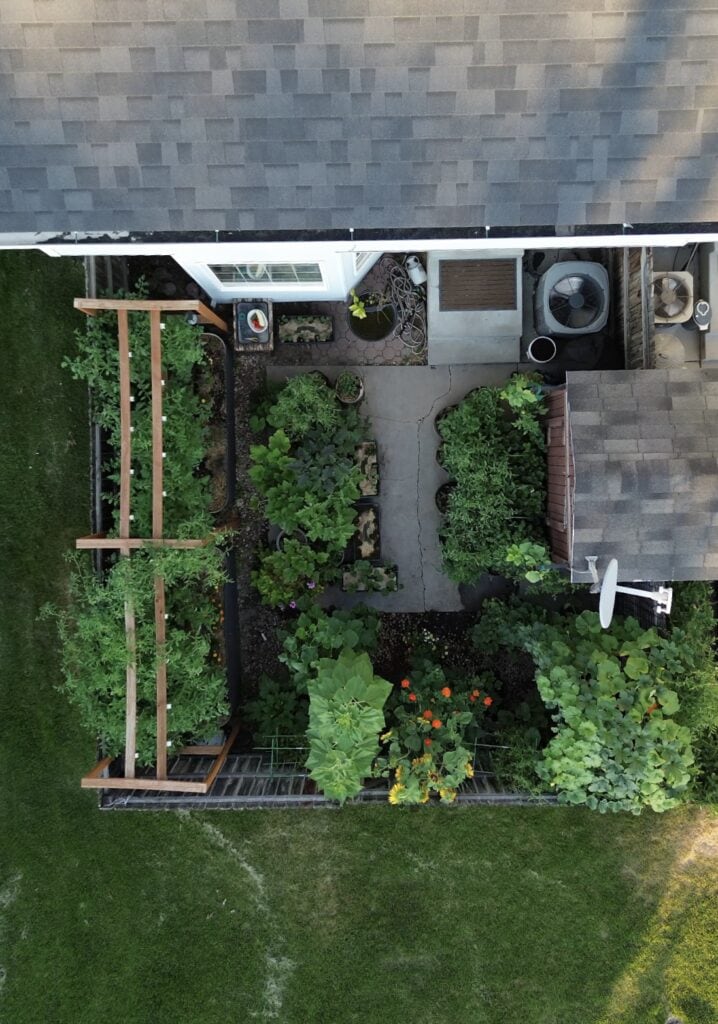
As many of you know, I live in a townhome with a small backyard. I’ve always loved the idea of growing my own food (hence why I love gardening), so my quest to produce even more of my own food in my small space led me to… drumroll please… quail. Yep!
So why quail? Well, I’ll touch on that in the first section. But in short: quail are tiny, relatively easy to care for, and can provide both eggs and meat in a surprisingly small space.
In this blog post, I will outline why I think raising quail is worth considering, especially if you have a small backyard! Let’s get started!
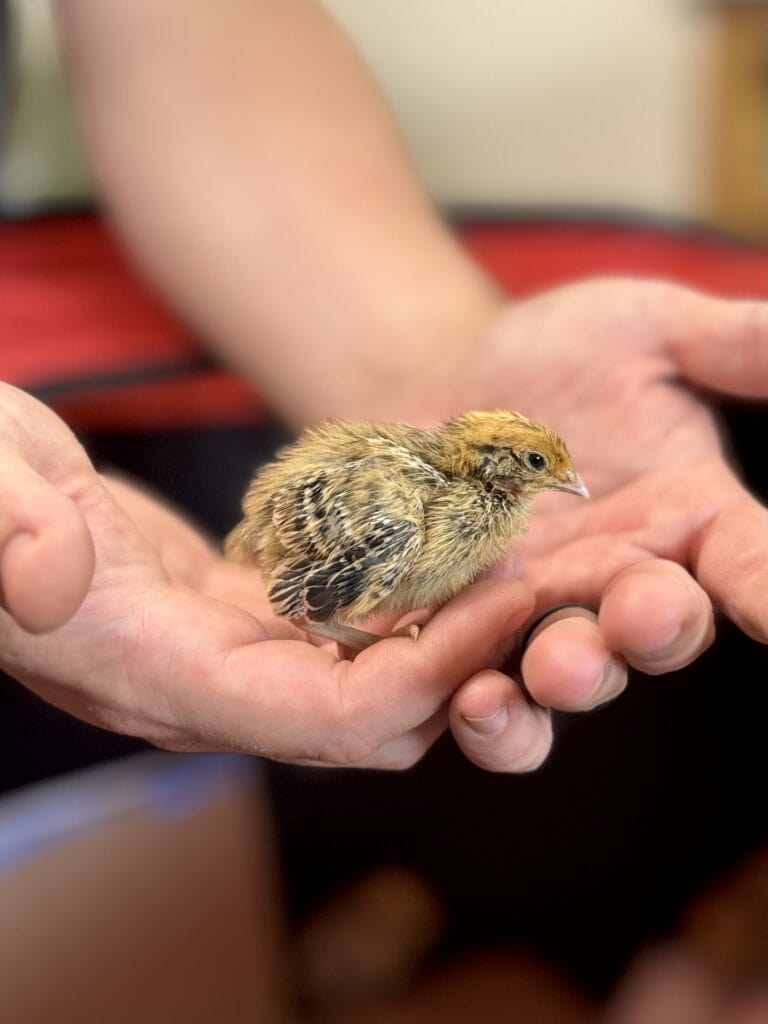
So, Why Quail?
Here are some of the things that made quail appealing to me:
- Small footprint: They require much less space than chickens.
- Fast-growing: Coturnix can reach maturity in as little as 6 – 8 weeks.
- Egg production: A female can produce roughly 250 eggs per year.
- Versatile: They can be raised for both eggs and meat.
- Relatively quiet: Generally less noisy than chickens.
- Cold hardy: Adult Coturnix can tolerate surprisingly cold temperatures.
- Inexpensive to start: I found mine locally for about $3 each from @wildflockinfarm
Now let’s dive deeper into some of the reasons below!
They Don’t Need Much Space:
This is probably the biggest reason I became interested in quail.
Quail are much smaller than chickens, and each adult bird needs only around ½ square foot of space. Of course, I prefer to give my animals more room when possible, but their small size is still a huge advantage, especially if you have a small backyard.
You don’t need a large chicken coop taking up a big portion of your backyard. In fact, because quail can launch themselves straight upward when startled, their enclosures are often kept relatively low, around two feet tall, to help prevent injuries. If you want to make better use of vertical space, some enclosure designs allow you to stack multiple levels while keeping each individual living area low.
They Produce a Lot of Eggs
Coturnix quail (which is the variety that I got), also called Japanese quail, mature incredibly quickly. Females can begin laying at around 6 – 8 weeks old, and productive hens can lay roughly 250 eggs per year.
Of course, quail eggs are much smaller than chicken eggs. It takes roughly 4 – 5 quail eggs to equal one large chicken egg, but for such a tiny bird, that’s still impressive production.
When I lived in Peru several years ago, I ate quail eggs very frequently! I have many fond memories eating quail eggs from street vendors.
You Can Raise Them for Meat, Too
Coturnix aren’t just egg birds. They can be raised for both eggs and meat, which gives you some flexibility with your flock.
For example, some Jumbo Coturnix can reach around 12 ounces or more, compared with roughly 6 to 8 ounces for a typical Coturnix. They are particularly appealing if meat production is one of your goals. They also grow extremely quickly, which is one reason Coturnix are so popular for small-scale production.
There are other types of quail, but Coturnix seemed like the obvious choice for me because of their fast growth, egg production, and versatility.
They’re Relatively Quiet
If you’re concerned about keeping poultry in a neighborhood, quail are worth looking into. They’re quieter than chickens, especially if you keep only hens.
They’re Surprisingly Cold Hardy
Here in Utah, it can get fairly cold in the winters, and we always get some snow. This has made me hesitant to get birds for our small backyard. But after doing research, I found that adult Coturnix quail can tolerate cold weather. Once they’re fully feathered and acclimated, they can handle cold temperatures as long as they have a dry enclosure protected from wind and moisture.
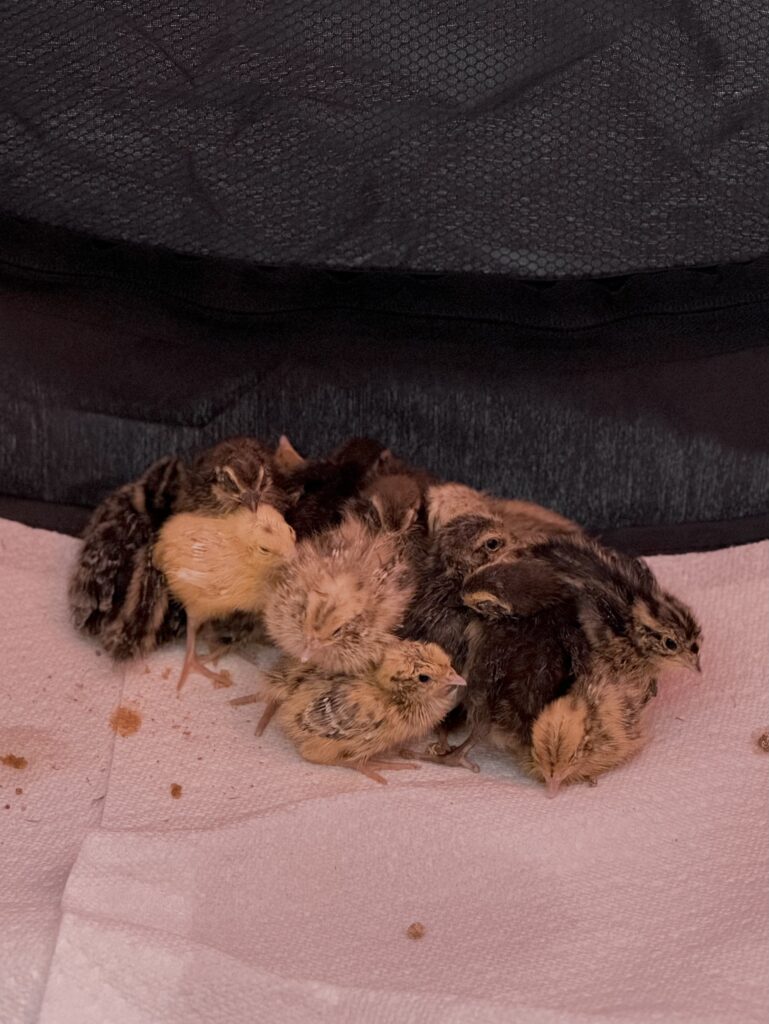
Baby quail are different. They need supplemental heat until they’ve developed enough feathers to regulate their body temperature.
That’s something to keep in mind when deciding what age birds you want to buy.
How I Got Started
I found someone locally (@wildflockinfarm) selling Coturnix quail for about $3 each, so getting started was very inexpensive.
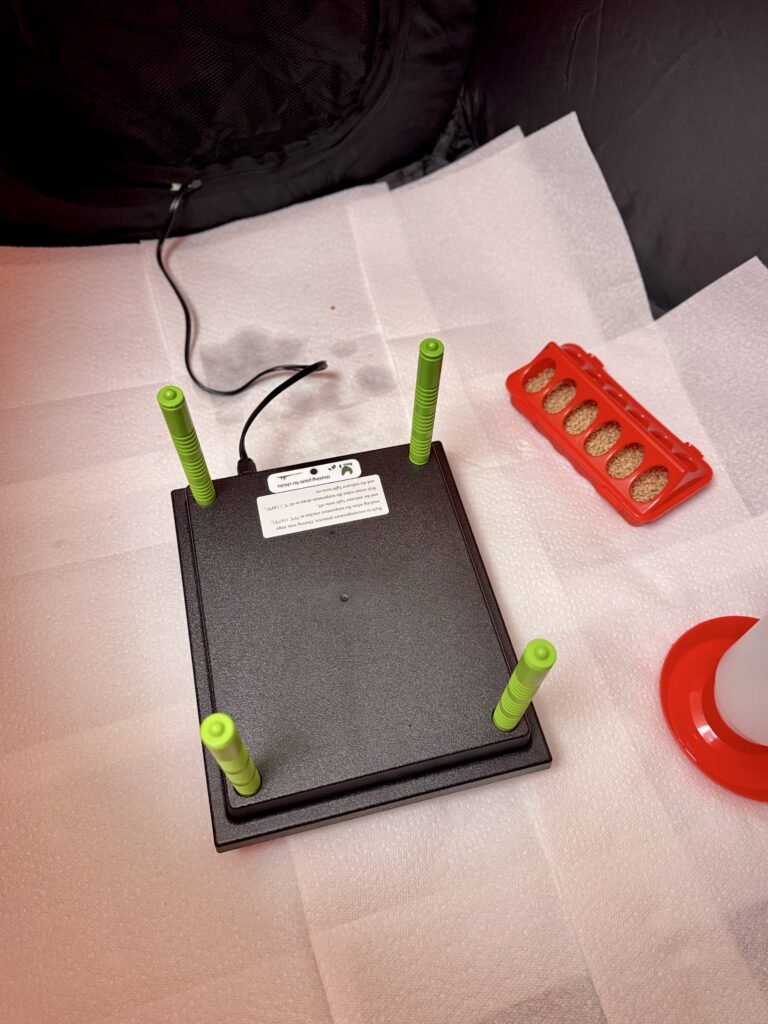
The only problem was that I didn’t have my permanent outdoor enclosure ready yet. Instead of waiting until everything was perfect, I bought a small temporary brooder setup online.
The setup came with:
– A pop-up enclosure
– Supplemental heating
– A feeder
– A waterer
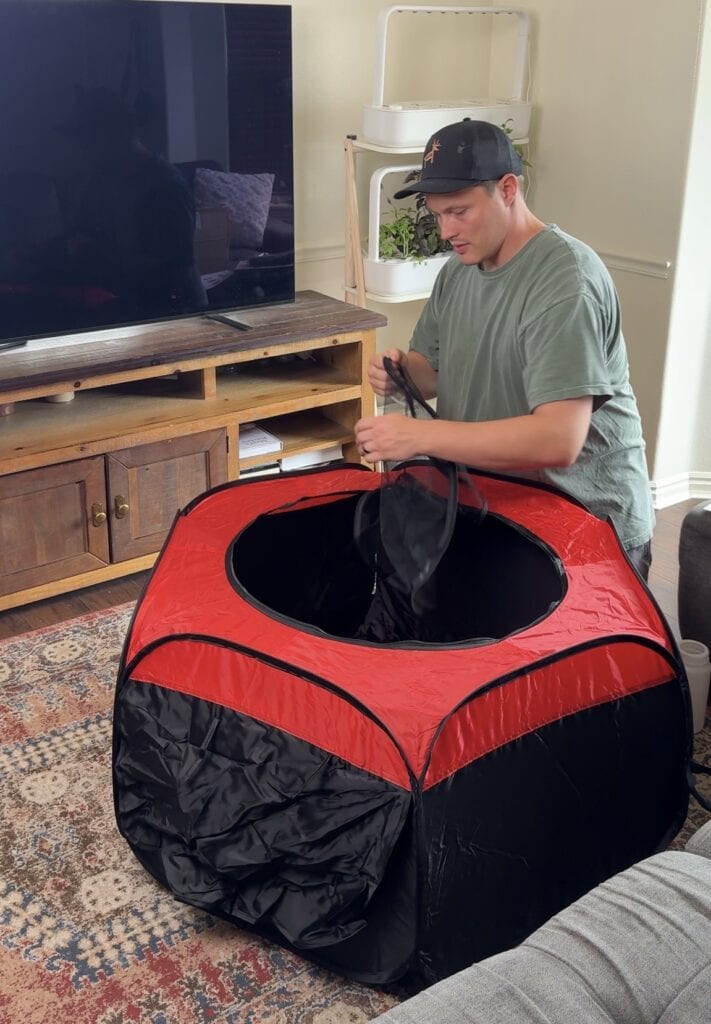
Having those basics in one kit made getting started really easy. I could keep the chicks warm and safe indoors while I worked on their permanent outdoor enclosure.
Young quail need supplemental heat because they can’t regulate their body temperature well when they’re very small. As they develop their feathers, you gradually reduce the heat. By around four weeks old, fully feathered quail generally don’t need the same supplemental heat they needed as chicks.
Coming Soon: I recently built my quails’ outdoor enclosure and am excited to share it soon. Stay tuned to learn more about when the quail can be moved outside. I’d also love to hear what other animals you think work well in small spaces!



0 Comments