
Hey all! Real Farmer Jeff here.
When most people think about starting seeds indoors, they picture tomatoes, peppers, or eggplants. Cabbage usually doesn’t make the list. But I’m here to convince you that it absolutely should!!
It turns out that starting cabbage seeds indoors can give your plants a strong advantage, especially if you want to grow large cabbage varieties. In this post, I’ll explain why you may want to start cabbage indoors and share tips for growing the
biggest cabbage possible. Let’s get into it!
Why Starting Cabbage Indoors Makes Such a Big Difference
Unlike tomatoes and peppers, cabbage actually thrives in cool weather. It grows fastest when daytime temperatures stay between 60°F and 70°F, and once temperatures consistently climb into the 80s, growth begins to slow.
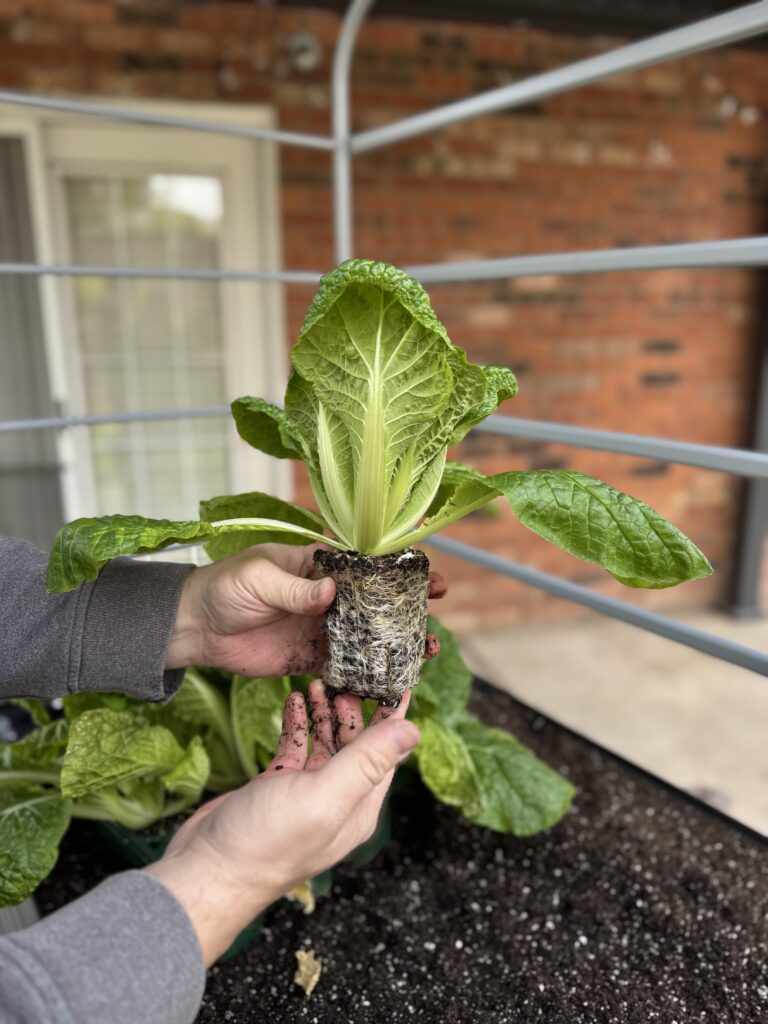
You can generally transplant cabbage outdoors 2 to 4 weeks before your last expected spring frost, as hardened-off seedlings tolerate light frosts and cool temperatures remarkably well.
Starting seeds indoors gives your cabbage a head start before the weather becomes too warm. The benefits include:
– A larger root system
– A thicker stem
– More leaves to capture sunlight
– More time to grow before summer heat slows growth
Commercial cabbage growers almost always transplant seedlings for this reason. Every extra week of cool-weather growth gives the plant more time to build size before temperatures become less favorable.
My Experience with Giant Cabbage Varieties
This season, I originally planned to grow Sapporo Giant, a variety famous for producing some truly enormous cabbages. Unfortunately, those seedlings struggled early on while my Dutch Flathead seedlings were thriving, so I decided to transplant the variety that looked healthiest.
That decision paid off.
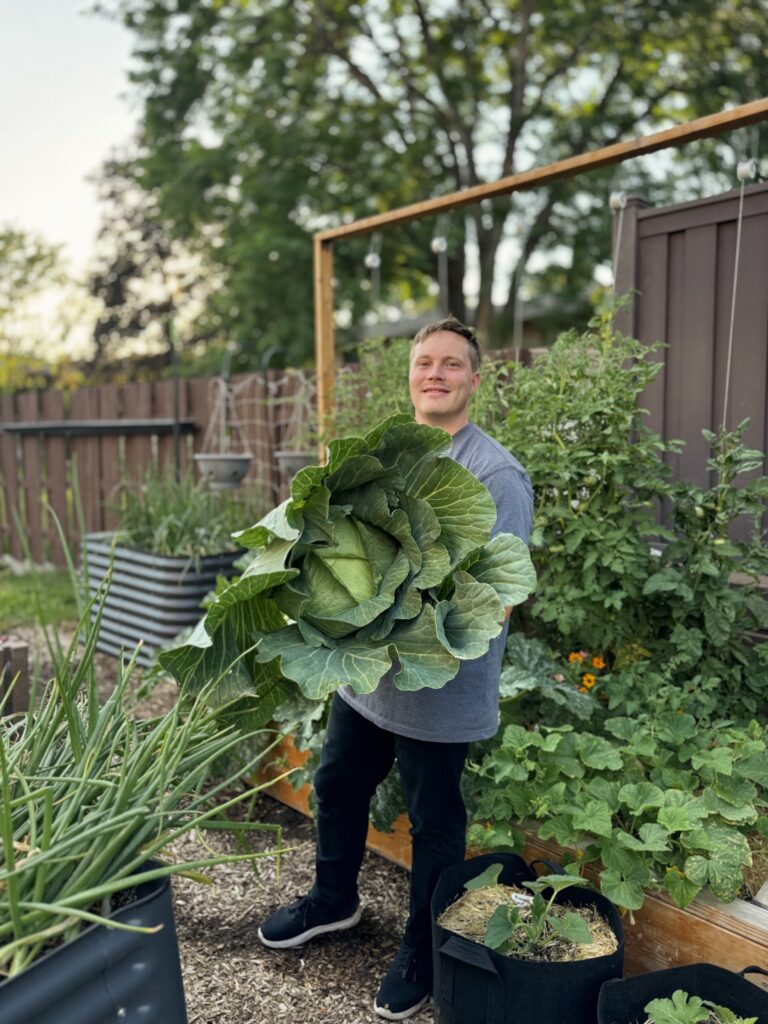
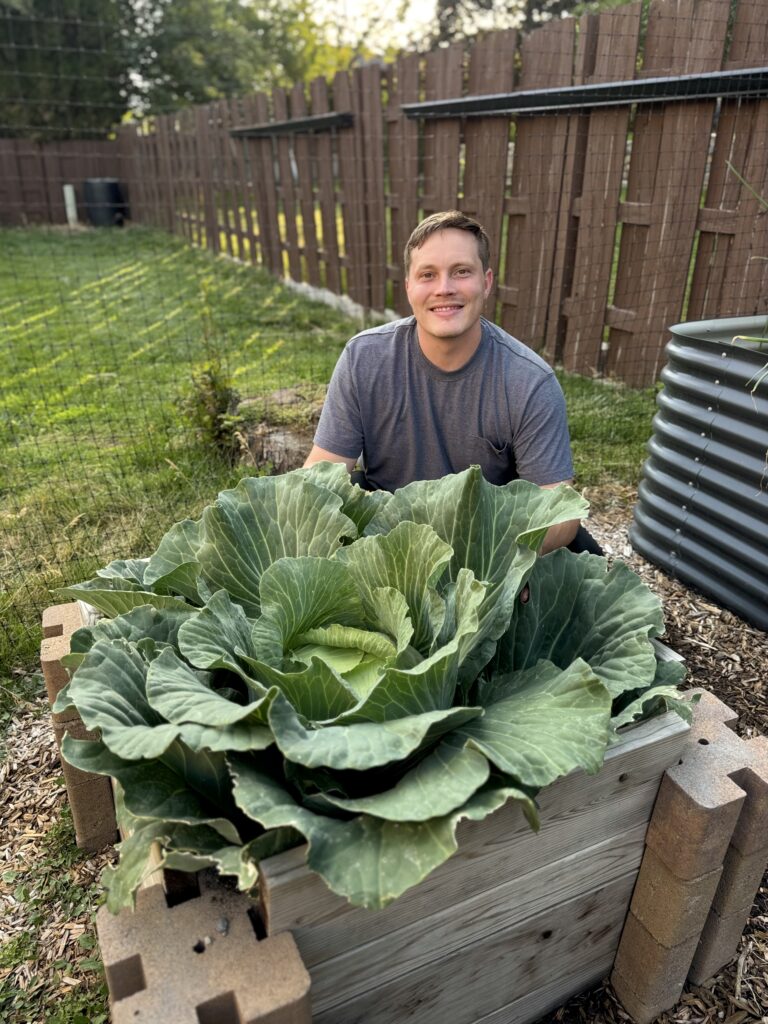
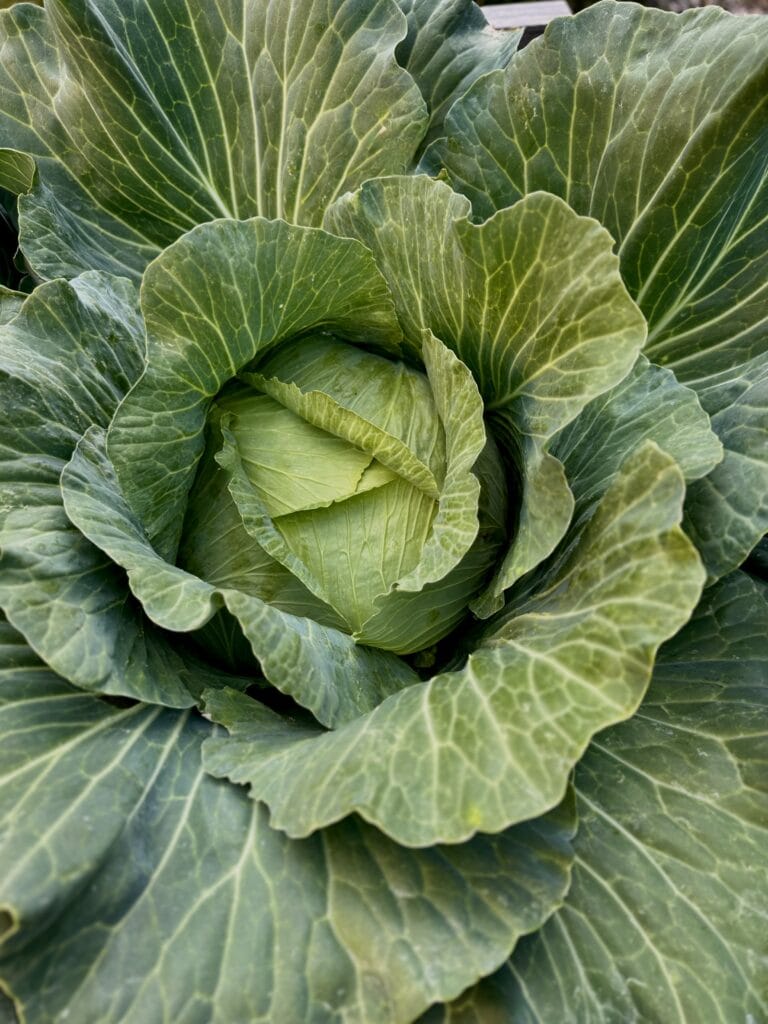
My Dutch Flathead produced an impressive 11-pound cabbage, and it quickly became one of my favorite varieties I’ve grown because it was so resilient.
If your goal is growing a giant cabbage, these are the two varieties I’d recommend:
– Dutch Flathead: An old heirloom variety originating from the Netherlands, known for its large, flattened heads and reliability. This is the one you’ll see in the photo above. It commonly produces 10 to 15-pound cabbages (HUGE!), with exceptional plants exceeding 20 pounds. It is a great all-around cabbage for fresh eating, coleslaw, sauerkraut, and other cabbage dishes.
– Sapporo Giant: A Japanese variety bred specifically for size. Many growers harvest heads in the 15 to 20-pound range, while exceptional plants have reportedly exceeded 30 pounds. It has a sweet, mild flavor that works well for fresh eating, slaws, stir-fries, and fermenting. If your goal is to grow the biggest cabbage possible, this is the variety I’d try.
I definitely plan to give Sapporo Giant another chance next season. While Dutch Flathead proved to be incredibly hardy and dependable, I’m curious how big the Sapporo Giant could actually grow and the difference in flavor.
7 Tips for Growing Bigger Cabbages
Growing giant cabbage isn’t about one magic trick. It’s about stacking several small advantages together throughout the season.
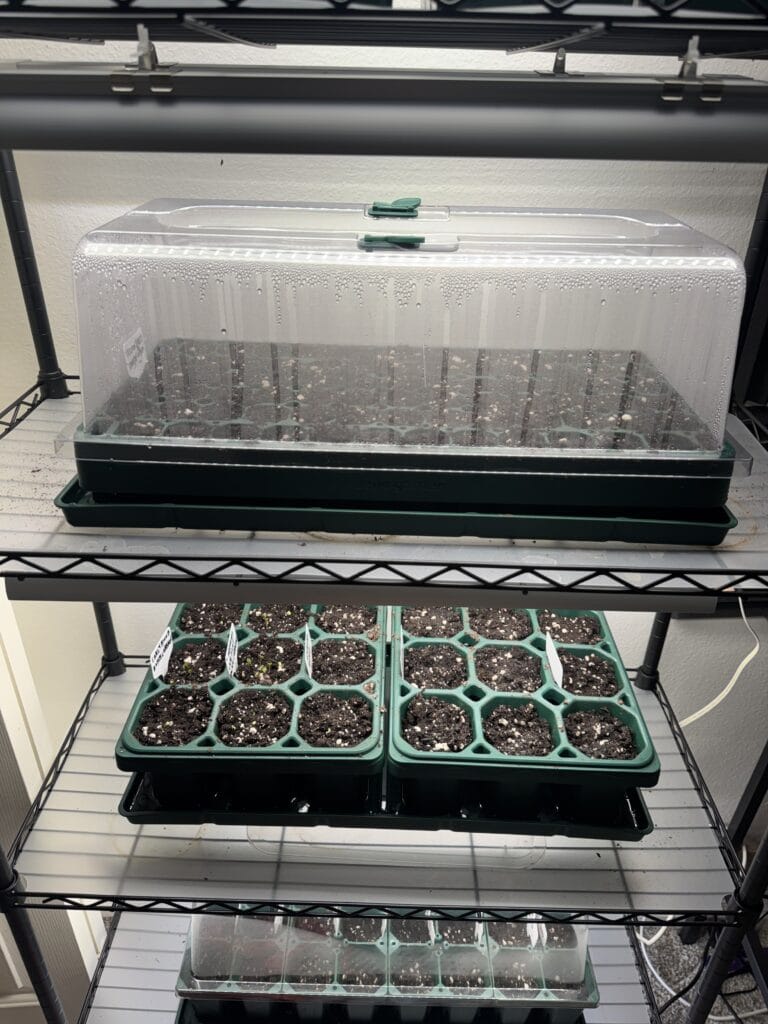
1. Start Seeds Indoors:
Give your plants a head start by sowing seeds indoors 4 to 8 weeks before your last expected spring frost. The more time they spend actively growing in cool weather, the larger they can become.
2. Transplant Early:
Once seedlings have been hardened off, don’t be afraid to plant them outside. I live in Utah, where seasons can all be pretty unpredictable. We can randomly get snow in July. But cabbage is very cold tolerant and handles chilly spring temperatures much better than most vegetables.
3. Feed the Plants Well:
Cabbage is a heavy feeder, especially while it’s producing leaves! Those leaves are essentially solar panels. The more healthy foliage your plant develops before heading begins, the more energy it has available to build a massive cabbage later. For best results:
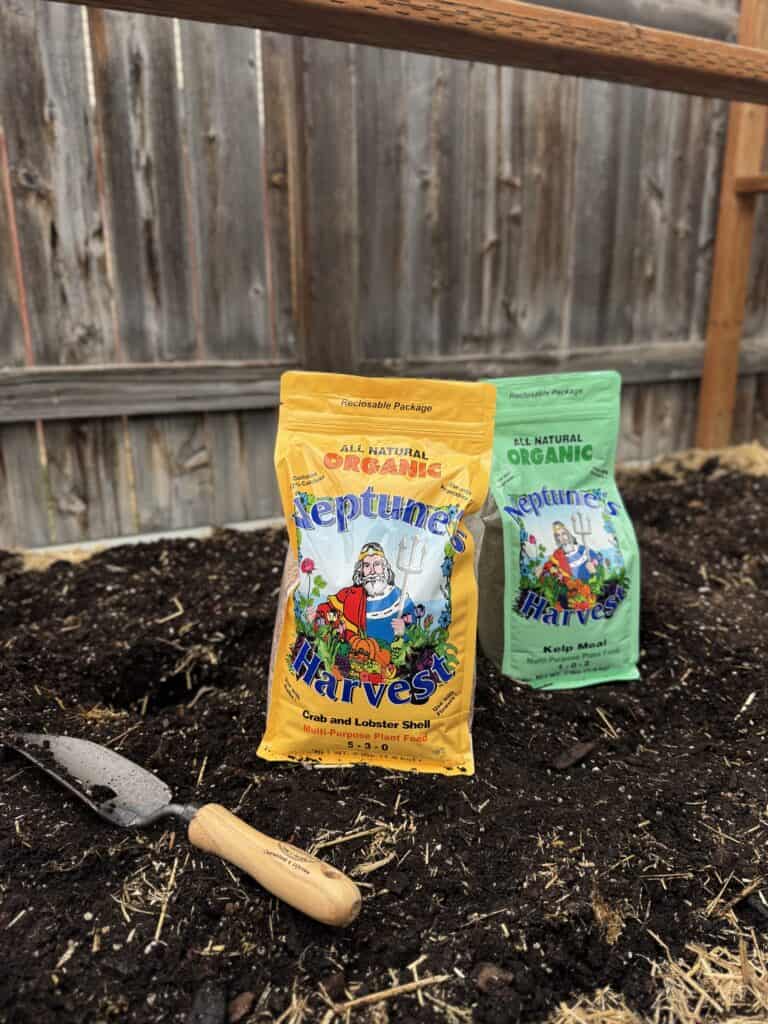
– Feed with a nitrogen-rich fertilizer during early growth.
– Switch to a balanced fertilizer once heads begin forming.
– Avoid letting plants run out of nutrients during the growing season.
4. Water Consistently:
Large cabbages are mostly water, so consistent moisture is critical. Water regularly and avoid letting the soil completely dry out between waterings. Sudden swings between dry and wet conditions can slow growth and reduce the final size of the head.
5. Give Them Plenty of Space:
One of the easiest mistakes to make is planting giant varieties too closely together. If it’s going to be big, it needs. ROOM. Give each plant 24 – 36 inches of space so it has plenty of room to expand without competing for sunlight, nutrients, or water.
6. Protect Them From Pests:
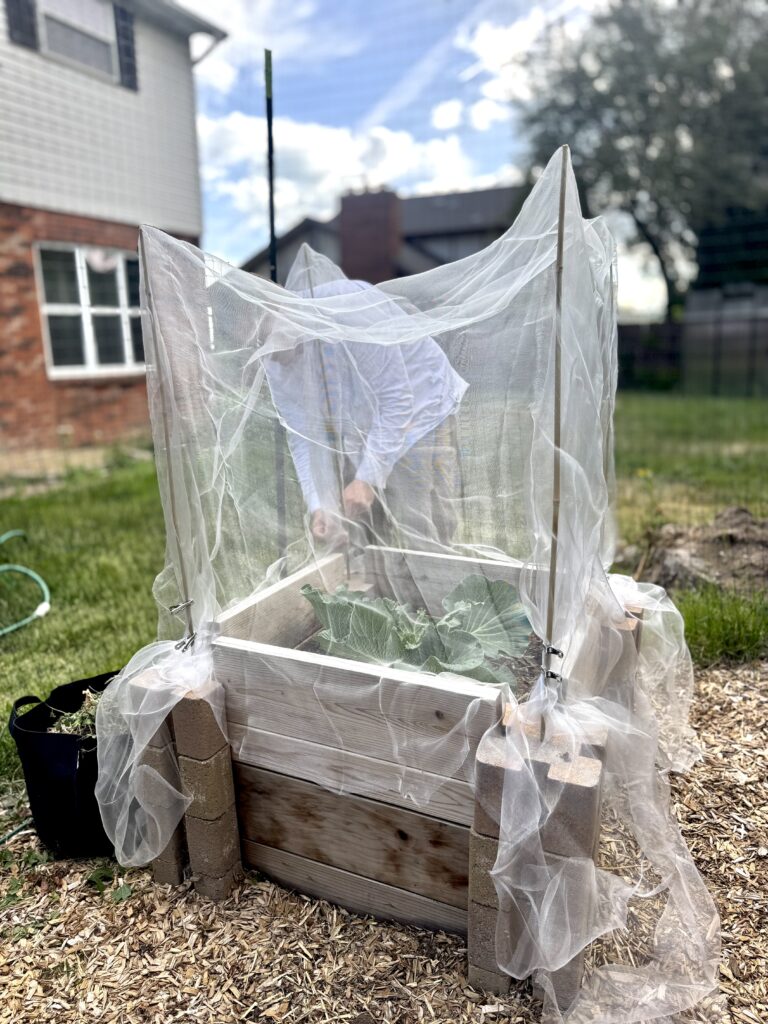
Of all the vegetables I grow, cabbage seems to attract the most pests. Cabbage moths and their larvae are usually the biggest problem, but slugs, snails, earwigs, and grasshoppers can also quickly damage leaves and slow growth. I’ve had this problem a lot.
One of the easiest ways to prevent damage is using insect netting or row cover early in the season. A lightweight barrier keeps cabbage moths from laying eggs on your plants and protects the leaves that are essential for growing a large head. For pests that make it through, regularly check underneath leaves and around the base of plants where they like to hide.
7. Protect Them From Heat:
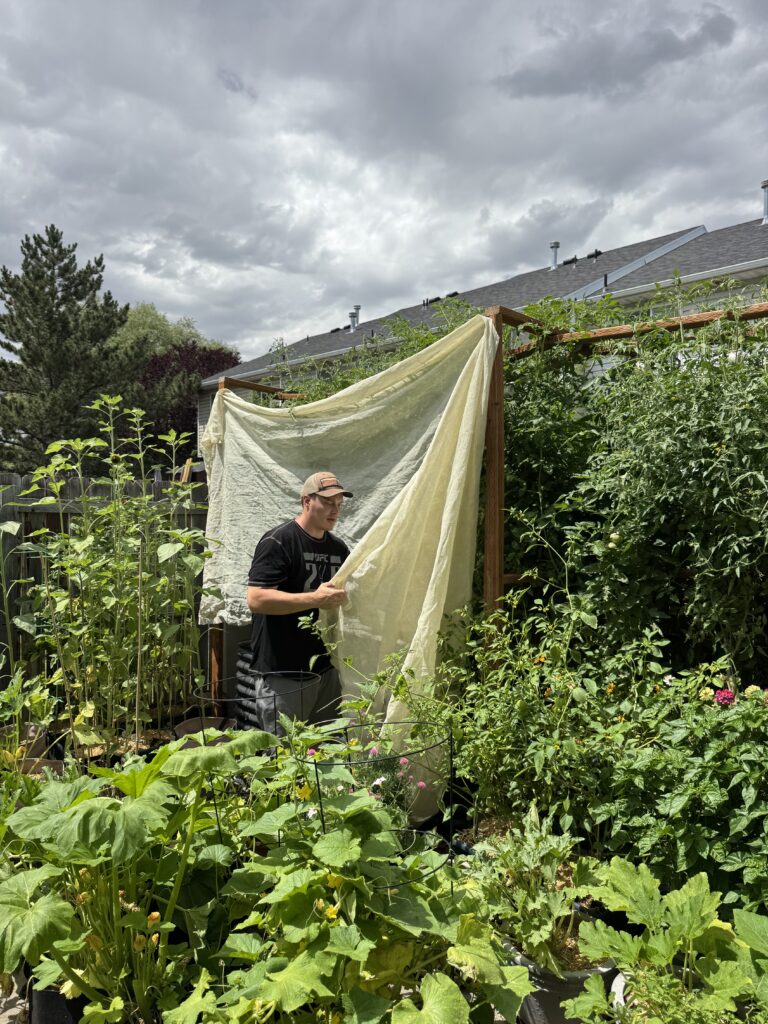
Once temperatures begin climbing into the upper 80s, cabbage naturally slows down. If you’re dealing with a hot summer, hanging 30% – 50% shade cloth over your plants can reduce heat stress and help them continue growing when they might otherwise stall. One benefit of planting early is that you can often harvest before extreme heat becomes a major problem.
Cabbage is one of my favorite crops to grow because it is both practical and rewarding.
It stores incredibly well and can be used in countless recipes, from coleslaw and stir-fries to soups, tacos, and sauerkraut. Growing a giant cabbage makes it even more rewarding because a single harvest can provide food for weeks or even months.
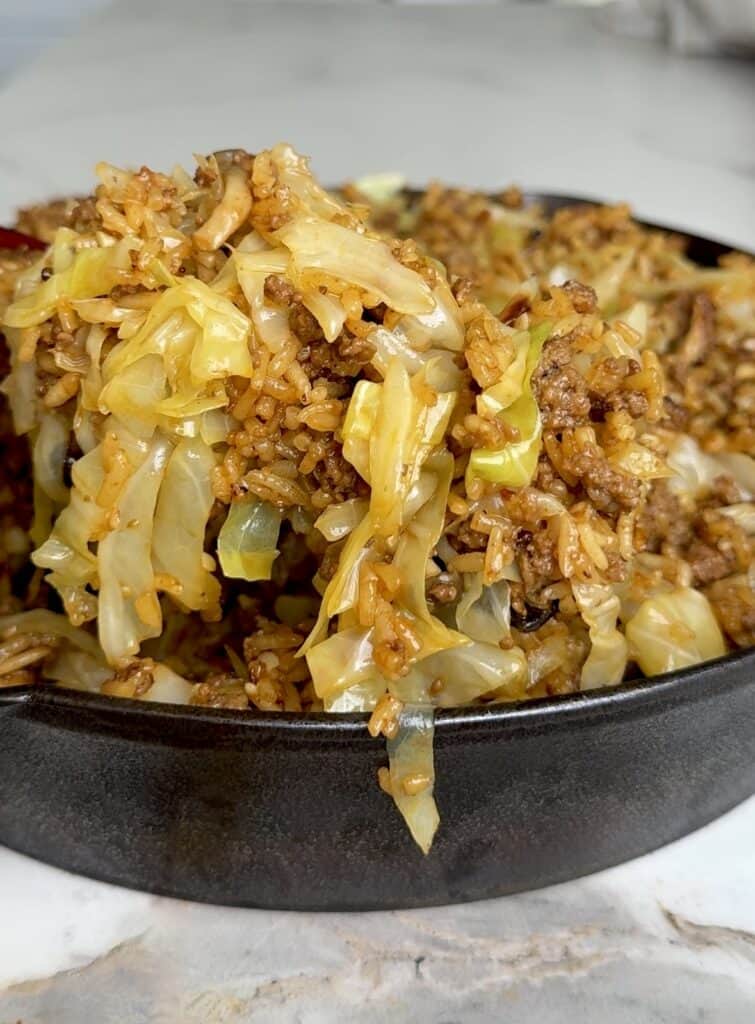
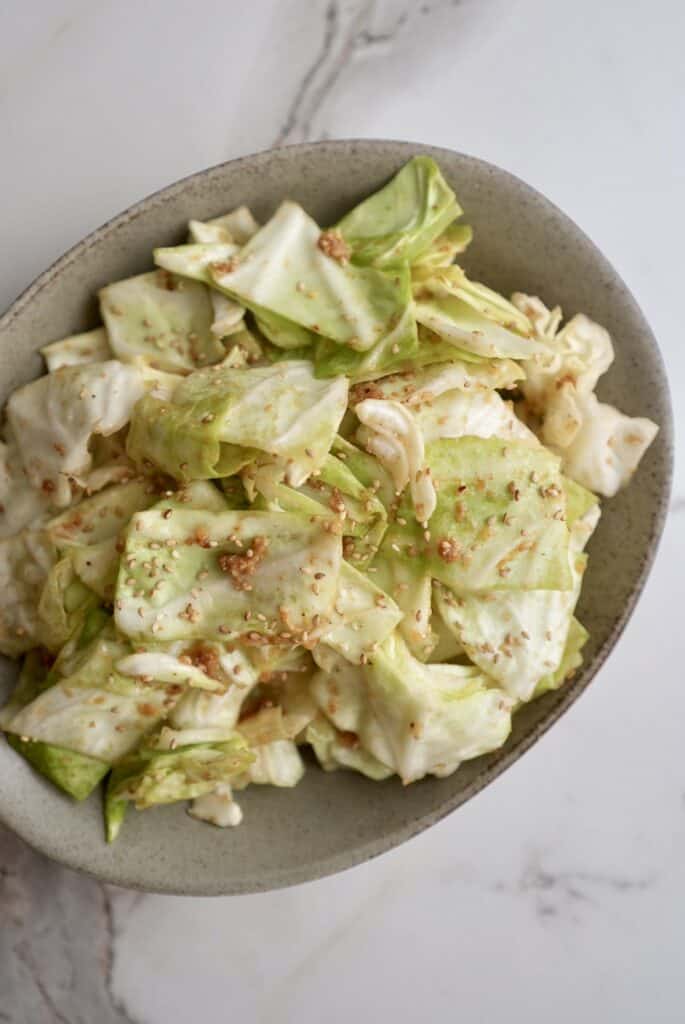
Favorite cabbage recipes from my wife, Kyrié!

I hope this guide helps you grow a bigger, healthier cabbage and inspires you to try growing one of these impressive varieties in your own garden. Are there any other big cabbage varieties that you prefer? Let me know in the comments below!



0 Comments