
Hey all! Real Farmer Jeff here.
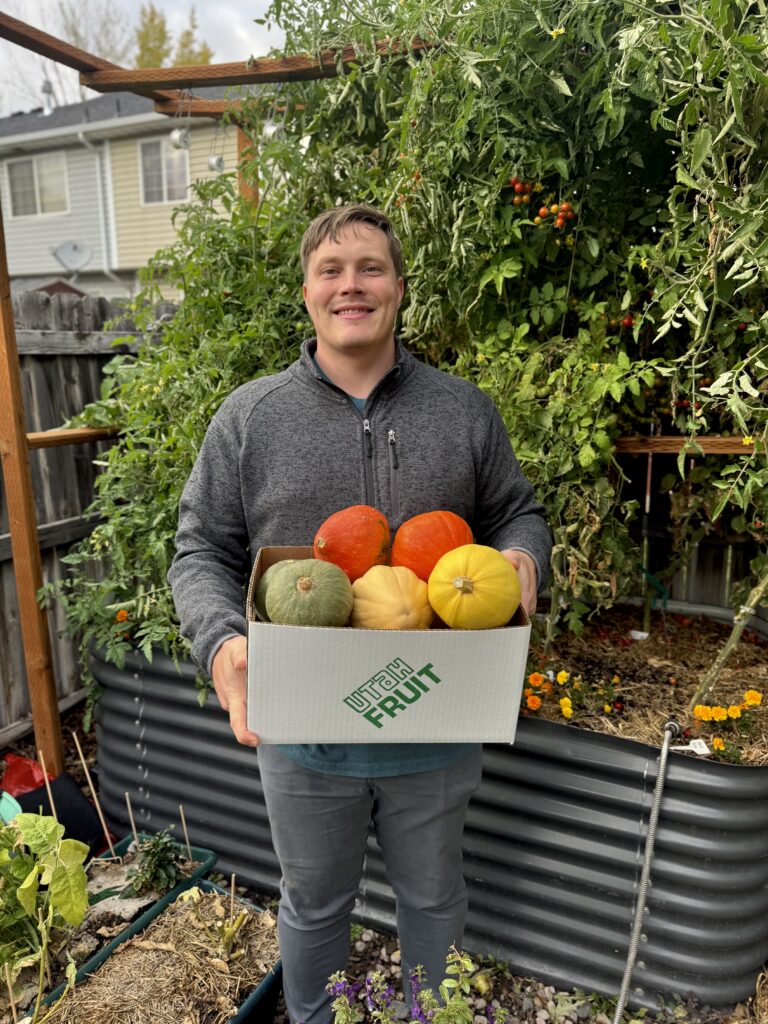
Winter squash is one of my favorite crops to grow for a few reasons. On top of having great nutritional value and taste, they can also produce substantial yields. Perhaps above all else, winter squash have impressive shelf life that makes it easy to eat home-grown produce in winter.
Below I will detail what you need to know about growing winter squash in the garden. Let’s get started!
Long-Term Storage
One of winter squash’s biggest advantages is its natural storage life. After harvest, they require curing for 1-2 weeks to harden their skin, which allows them to store for months. On average:
- Most winter squash: 2–6 months
- Best-storing varieties (like Hubbard or Butternut): up to 8–12 months under ideal conditions
This makes them an excellent “pantry crop,” giving gardeners access to homegrown vegetables well into the winter months.
Winter Squash vs. Summer Squash
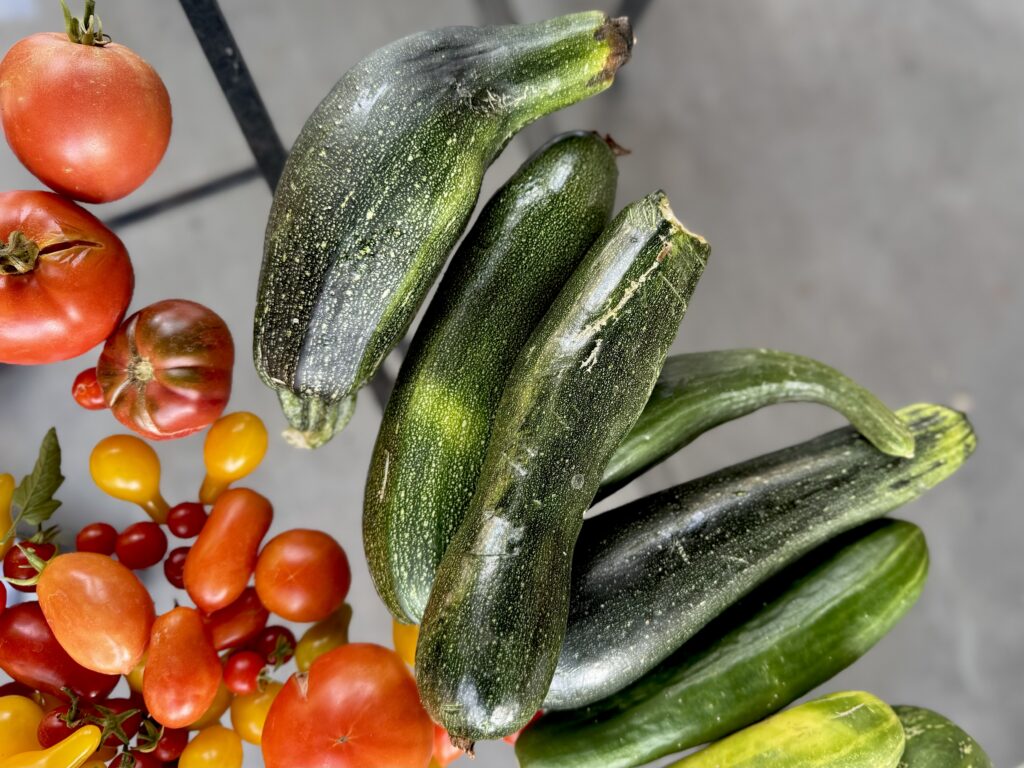
Winter squash differ from summer squash in a few key ways. But first, what is considered summer squash? Here are the most common types:
- Zucchini: The classic green squash with a mild flavor that works in everything from sautés to baked goods.
- Yellow Crookneck Squash: Bright yellow with a curved neck and slightly bumpy skin; tender and a bit sweeter than zucchini.
- Yellow Straightneck Squash: Similar in taste to crookneck but with a smooth, straight shape that’s easy to slice.
- Pattypan Squash: Small and round with scalloped edges; great roasted or grilled whole.
- Costata Romanesco: An Italian heirloom zucchini with ridges and a richer, nuttier flavor than standard varieties.
Here is how winter squash differs from summer squash:
- Harvest time: Winter squash is harvested when fully mature; summer squash is picked young.
- Skin: Winter squash has hard, thick skin that allows long-term storage. Summer squash has soft, thin skin and must be eaten quickly.
- Flavor and texture: Winter squash is generally sweeter and denser, while summer squash is more tender and mild.
Below is a chart that dives deeper into popular types of winter squash:
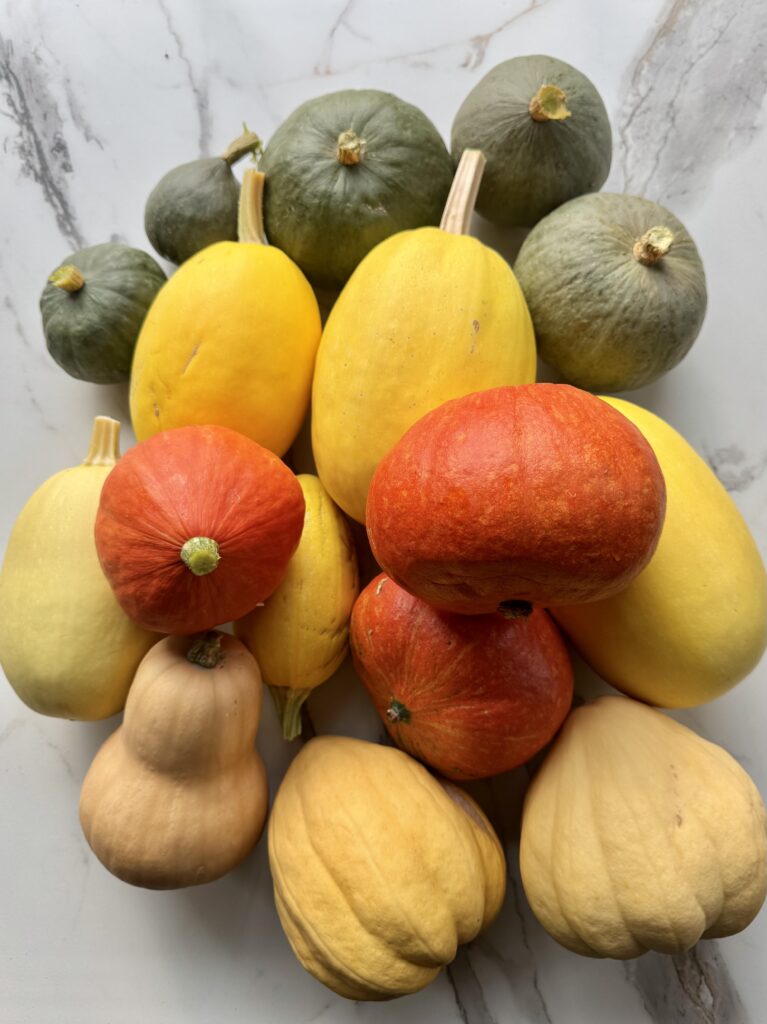
| Variety | Flavor / Texture | Storage Length | Yield | Best Uses |
| Butternut | Sweet, nutty, smooth | 4–6 months | High | Soups, roasting, purees |
| Acorn | Mild, slightly sweet | 2–4 months | Moderate | Stuffed, roasted |
| Hubbard | Rich, dense, slightly sweet | 6–12 months | High | Baking, roasting, long storage |
| Spaghetti | Mild, stringy | 3–5 months | Moderate | Pasta substitute, casseroles |
| Kabocha | Sweet, dense, creamy | 4–6 months | Moderate | Soups, roasting, pies |
| Delicata | Tender, sweet, creamy | 2–3 months | Moderate | Roasting, stuffing |
| Buttercup | Sweet, dense | 4–6 months | Moderate | Soups, roasting |
| Carnival | Sweet, nutty | 2–4 months | Moderate | Roasting, salads |
| Golden Nugget | Sweet, smooth | 3–4 months | Moderate | Roasting, soups |
| Blue Hubbard | Rich, nutty, dense | 6–12 months | High | Baking, roasting, long storage |
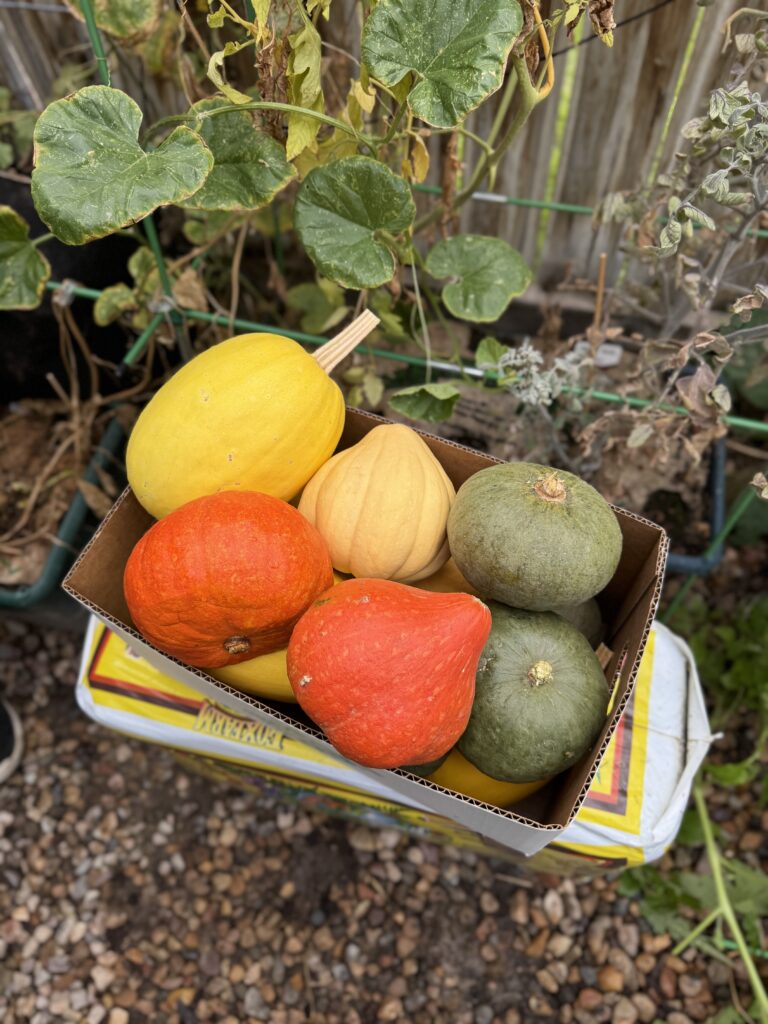
What Type Should I Grow?
- Best for small spaces or trellising: Acorn, Delicata, Spaghetti, Buttercup
- Best long-term storage: Hubbard, Blue Hubbard, Butternut
- Best flavor: Kabocha, Butternut, Delicata
- Highest yield: Butternut, Hubbard, Blue Hubbard
For me personally?
Best taste: Kabocha and Butternut for their rich, sweet flavors.
For highest yield: Butternut and Acorn are reliable producers in most gardens. Hubbard squash can also yield large fruits but requires more space.
Planting Winter Squash
- Soil & timing: Sow seeds after the last frost when soil is 70–95°F. In colder regions, start indoors 2–4 weeks early.
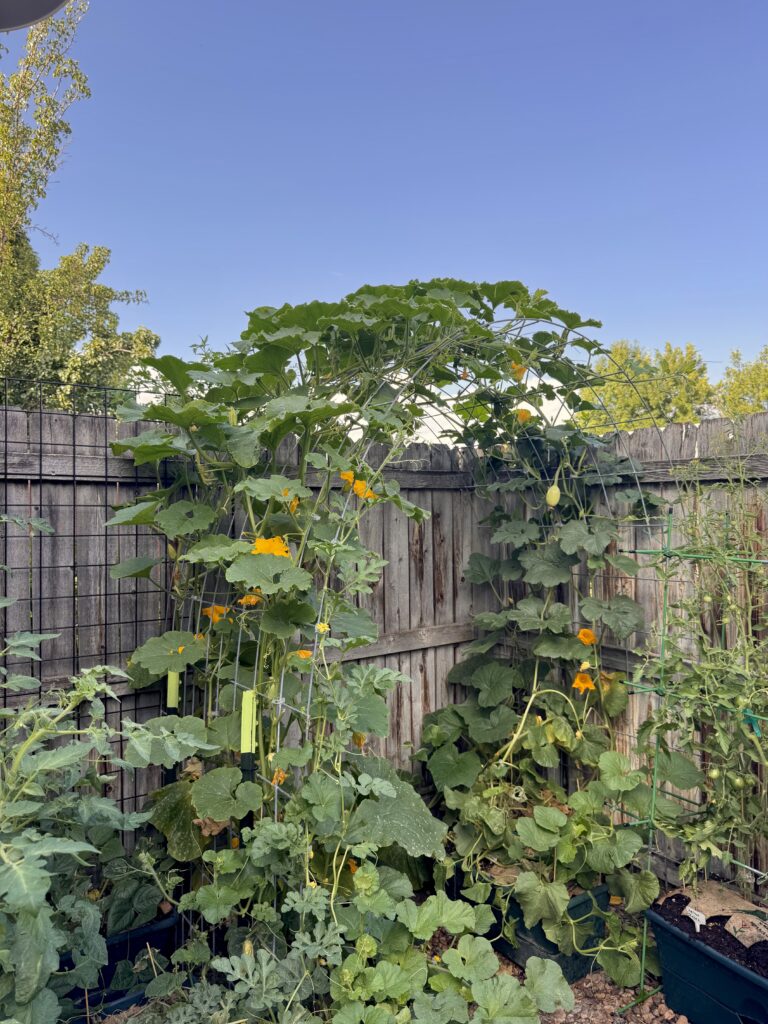
- Spacing: Bush varieties 2–3 ft apart; vining types 4–6 ft or use a trellis.
- Sun & soil: Full sun and well-draining, compost-enriched soil.
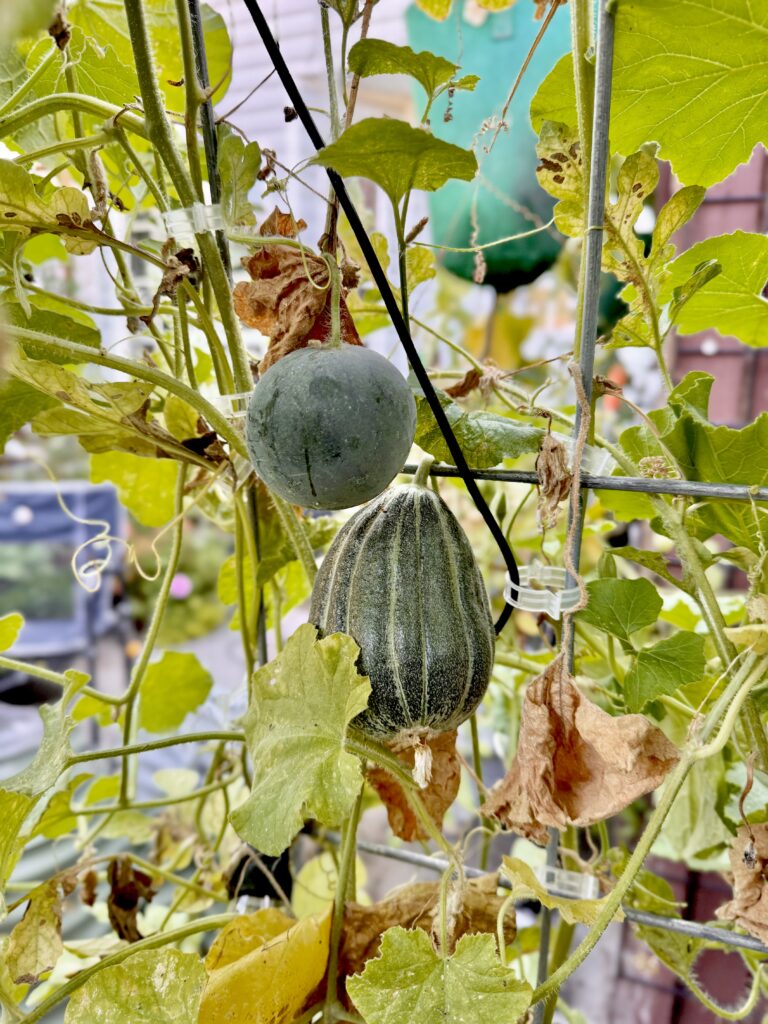
Harvesting Winter Squash
- Signs of maturity: Hard skin, deep color, and dying back of vines.
- Technique: Cut with 2–4 inches of stem; avoid breaking it.
- Curing & storage: Cure 1–2 weeks in a warm, dry spot, then store in a cool, dry, dark place. Properly cured squash can last 2–12 months depending on variety.
Note that bush varieties mature in about 80–100 days and are typically harvested in late summer to early fall, while vining varieties take 90–120 days and are ready for harvest from mid to late fall.
Thanks for reading along, guys!
If you enjoyed this blog post, be sure to check out my other gardening blog posts:
- How to Start a Garden on a Budget for Under $100
- Essential and Nice-to-Have Garden Products for Your Perfect Setup
- My Garden Setup: 3 Best Garden Containers for Every Gardener
- Understanding Garden Light and Shade: A Simple Guide
- How to Build a Homemade Trellis Using Cattle Panel
Be sure to follow me on social media for daily content and instructional videos about gardening!



0 Comments