
Hey all! Real Farmer Jeff here.
When planning a garden, one of the most common questions is whether to grow heirloom or hybrid vegetables.
Both have their own strengths, weaknesses, and ideal growing situations. In this blog post, I’ll explain what sets the two apart and how to decide what’s right for your garden.
Spoiler alert: I like to have a mixture of both in my garden.
About Heirloom Varieties
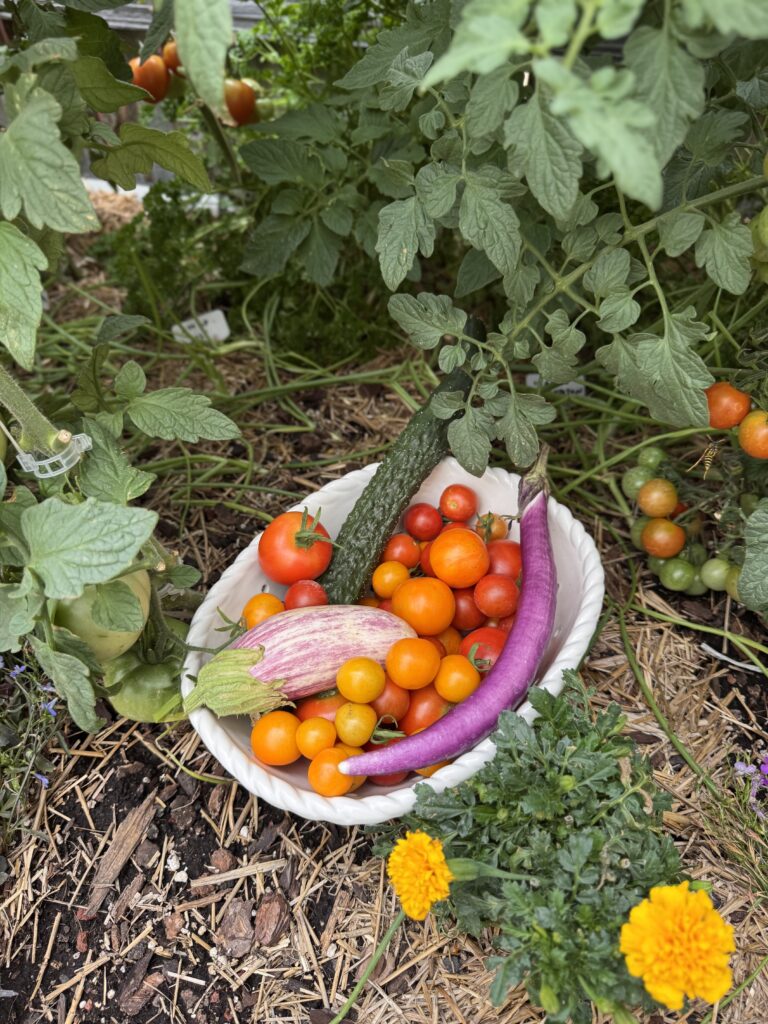
Heirlooms are open-pollinated (aka naturally pollinated by insects and wind etc.) plants that have been passed down through generations. Generally, this means at least 50 years. They’re often chosen for their flavor, historical value, and ability to reproduce the same exact plants and fruit from saved seeds.
| PROS | CONS |
| Exceptional Flavor: Often more complex and nuanced, especially in tomatoes, melons, and beans. Flavor was historically prioritized over yield, shelf life, and uniformity. | Disease Susceptibility: Typically lack resistance to blight, mildew, and other common plant diseases. |
| Seed Saving: Allows you to save seeds yearly, preserving favorite varieties and adapting them to your local climate. | Climate Sensitivity: May not handle heat, humidity, or unpredictable weather as well as hybrids. |
| Genetic Diversity: Offers a wide range of shapes, colors, and unique traits not found in commercial hybrids. | Inconsistent Yields: Can produce lower and less predictable harvests, especially under stress. |
| Cultural Value: Many heirlooms come with rich histories and stories, making them meaningful to grow. | Pollination Issues: Some heirlooms, like certain squash or tomatoes, may struggle to set fruit in suboptimal conditions. |
About Hybrid Varieties
Hybrids (F1 varieties) are created by crossbreeding two specific parent lines to enhance traits like yield, disease resistance, and uniformity.
F1 essentially refers to these plants being the first generation of the new crossbred variety. While you can’t save seeds from them (they won’t grow to produce the same fruit), they’re popular for their performance.
| PROS | CONS |
| Disease Resistance: Bred to resist a wide range of soil- and air-borne pathogens. | Less Complex Flavor: Often milder in taste; heirlooms typically offer more richness and uniqueness. |
| Weather Tolerance: Perform well in heat, drought, humidity, and unpredictable conditions. | Can’t Save Seeds: Offspring of hybrids don’t grow true-to-type, so seeds must be repurchased yearly. |
| High And Consistent Yields: Reliable harvests with uniform ripening and fruit size. | Higher Cost: Hybrid seeds are usually more expensive due to intensive breeding. |
| Ease Of Growing: Require less intervention, making them ideal for busy or beginner gardeners. | |
| Improved Fruit Durability: Thicker skins reduce cracking and improve shelf life. |
Which Should You Grow in Your Garden?
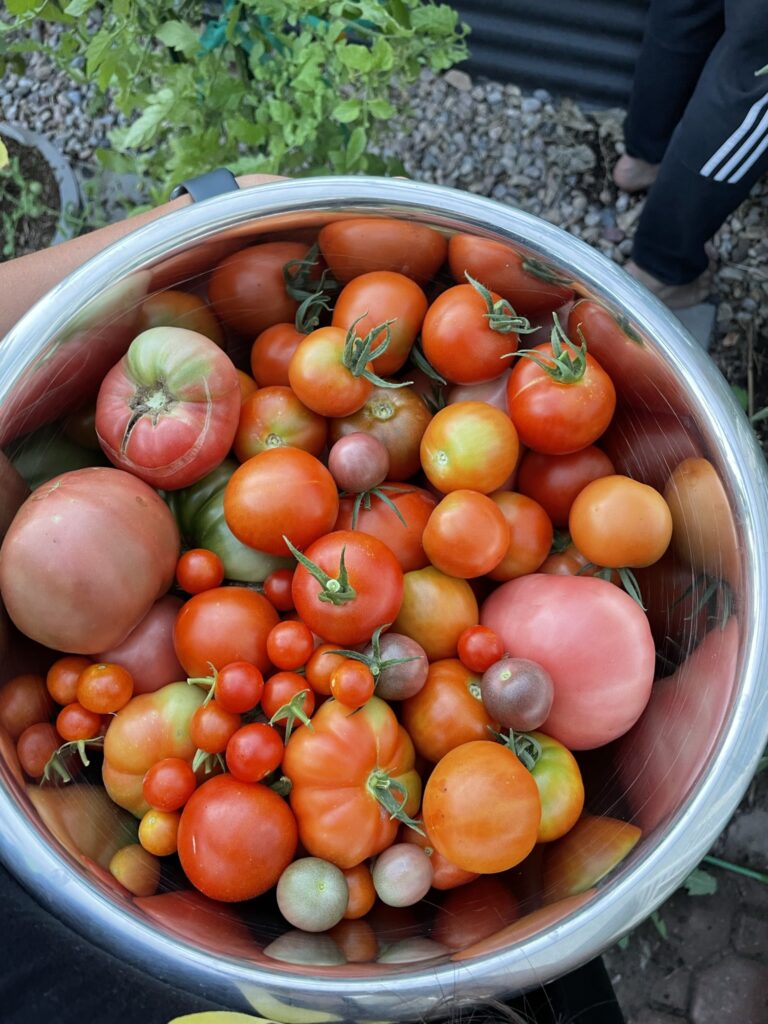
In my opinion, a mix of heirlooms and hybrids is usually ideal to get the best of both worlds. But here’s a breakdown incase you need to choose only one:
Grow heirlooms if…
- You care deeply about flavor.
- You enjoy saving seeds and preserving old varieties.
- You’re willing to troubleshoot issues like pests, pollination, or inconsistent weather.
Grow hybrids if…
- You want reliable results with less fuss.
- You’re growing in a challenging climate or have limited space to experiment.
- You need strong yields and disease resistance for preserving, selling, or feeding a family.
Thanks for reading along, guys! If you enjoyed this blog post, check out my other gardening blog posts:
- How to Start a Garden on a Budget for Under $100
- Essential and Nice-to-Have Garden Products for Your Perfect Setup
- My Garden Setup: 3 Best Garden Containers for Every Gardener
- Understanding Garden Light and Shade: A Simple Guide
- How to Build a Homemade Trellis Using Cattle Panel
Follow me on social media for daily content and instructional videos about gardening!



0 Comments