
Hey all! Real Farmer Jeff here.
Buying vegetable transplants from a nursery or garden center is a great way to jump-start your growing season. These young plants, often called “starts,” save you the time and effort of germinating seeds indoors or waiting for them to sprout in the ground.
But not all transplants are created equal.
Choosing the best vegetable transplants can make the difference between a thriving, productive garden and one that struggles to grow. In this guide, I’ll walk through what to look for when shopping for vegetable transplants so you can feel confident you’re bringing home healthy, vigorous plants that will adapt well to your garden environment.
Let’s get started!
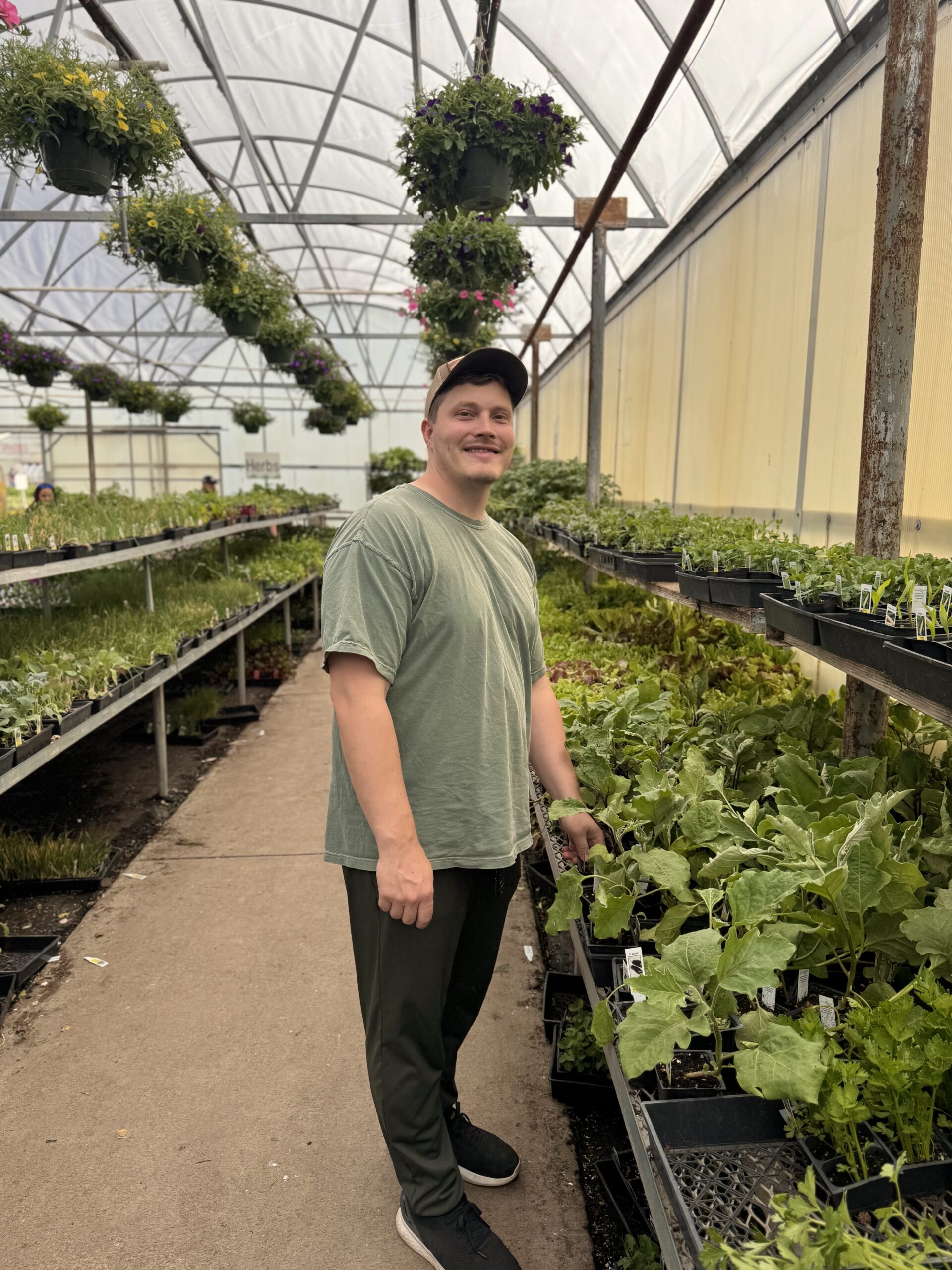
Choosing Transplants
When selecting transplants, always inspect the plants carefully to ensure you’re getting healthy, strong seedlings. Here are key tips:
1. Visual Inspection:
- Color: Look for deep green leaves. Yellow or purple leaves may indicate stress, poor soil, or nutrient deficiencies.
- Structure: Healthy plants should be stocky and compact, not tall and leggy. Leggy plants often indicate they are weak.
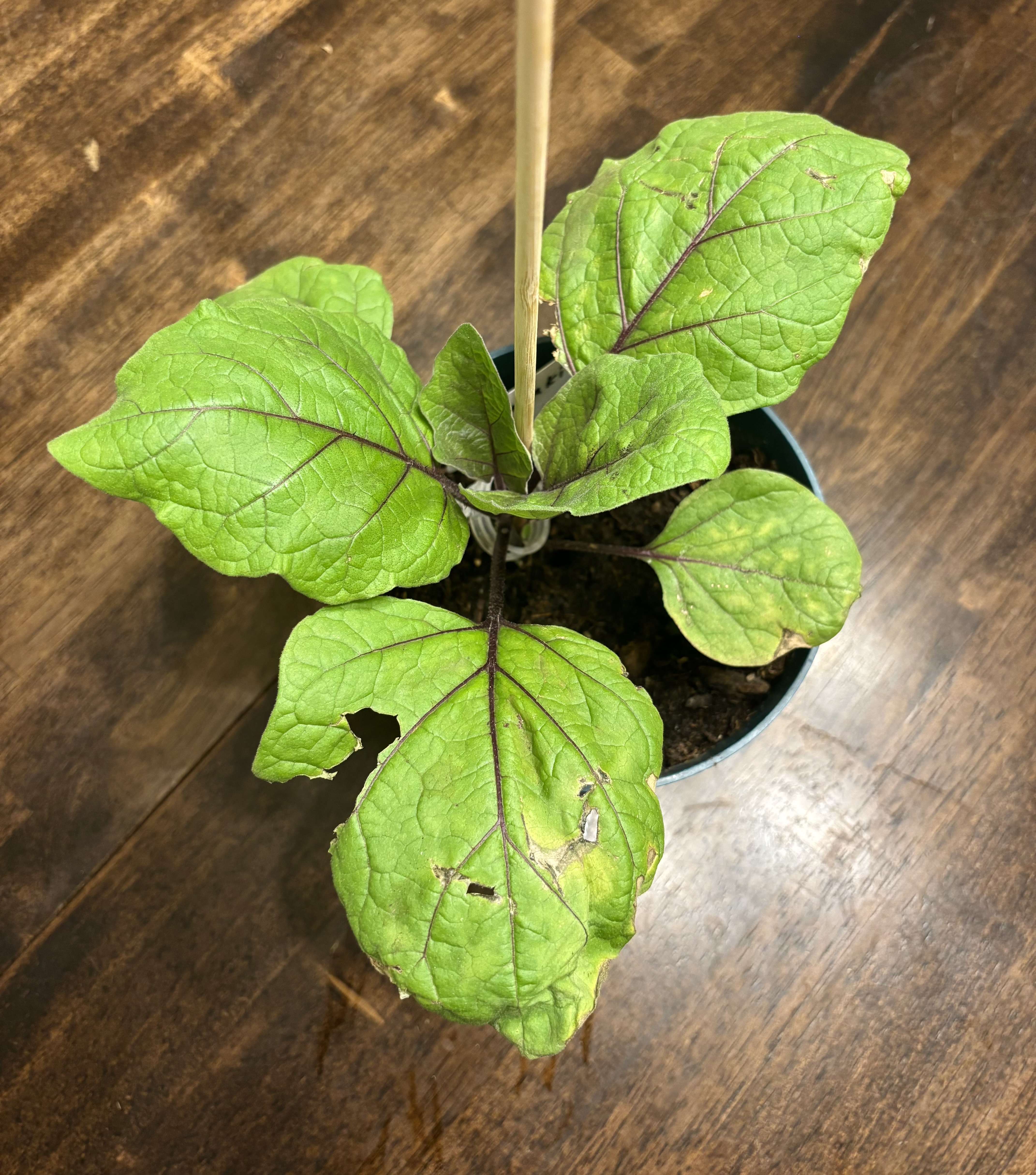
- Leaf Health: Ensure no signs of holes, wilting, or insect damage.
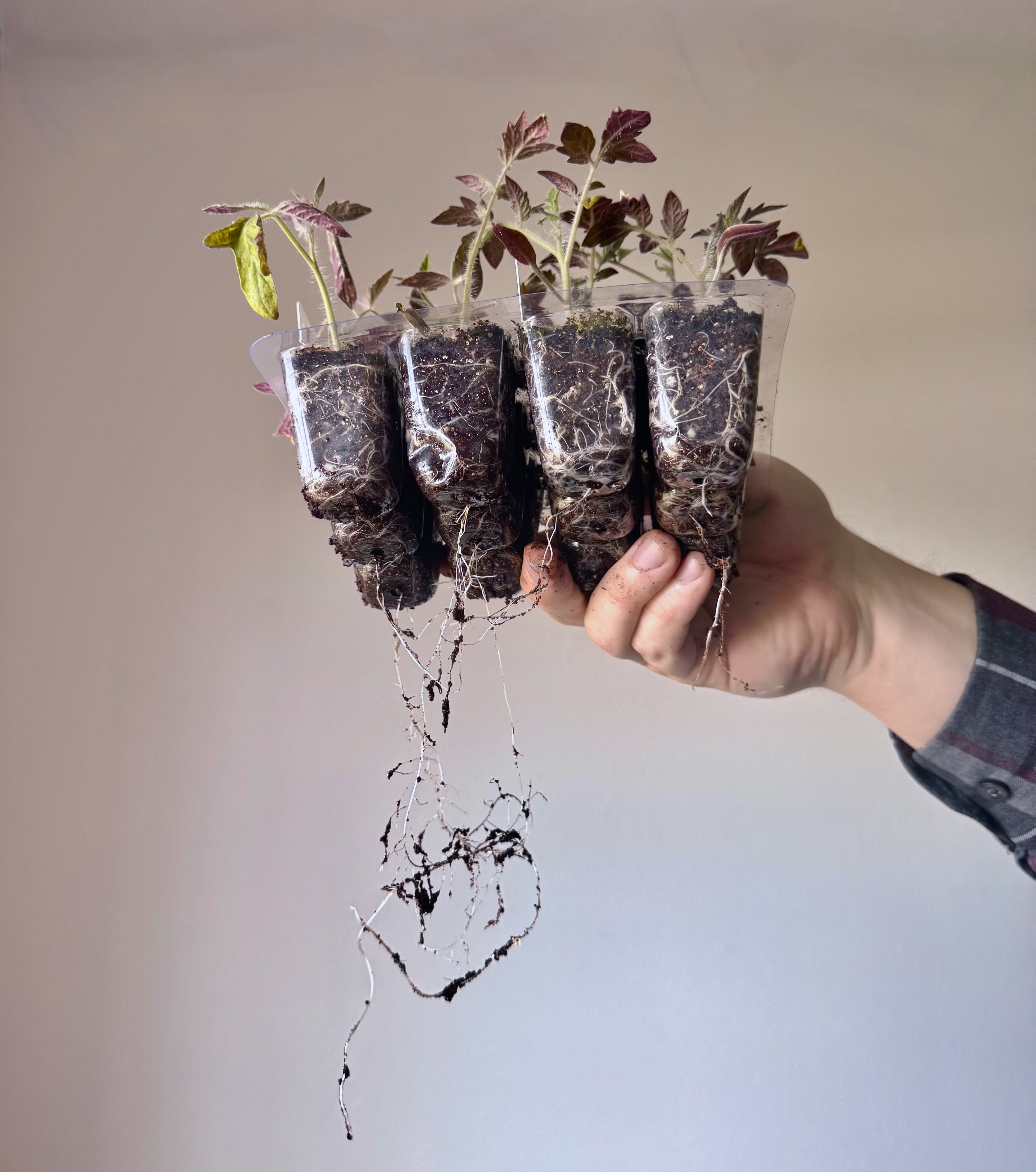
- Roots: If visible, check that roots are white, healthy, and not root-bound (roots growing in thick circles at the bottom).
2. Pot Quality:
- Ensure pots/trays are in good condition: no cracks, dryness, or signs of rot. They should have proper drainage to prevent waterlogging.
3. Hardening Off:
- Ask whether the plants have been hardened off. Plants that have been outdoors for several days are less likely to experience transplant shock.
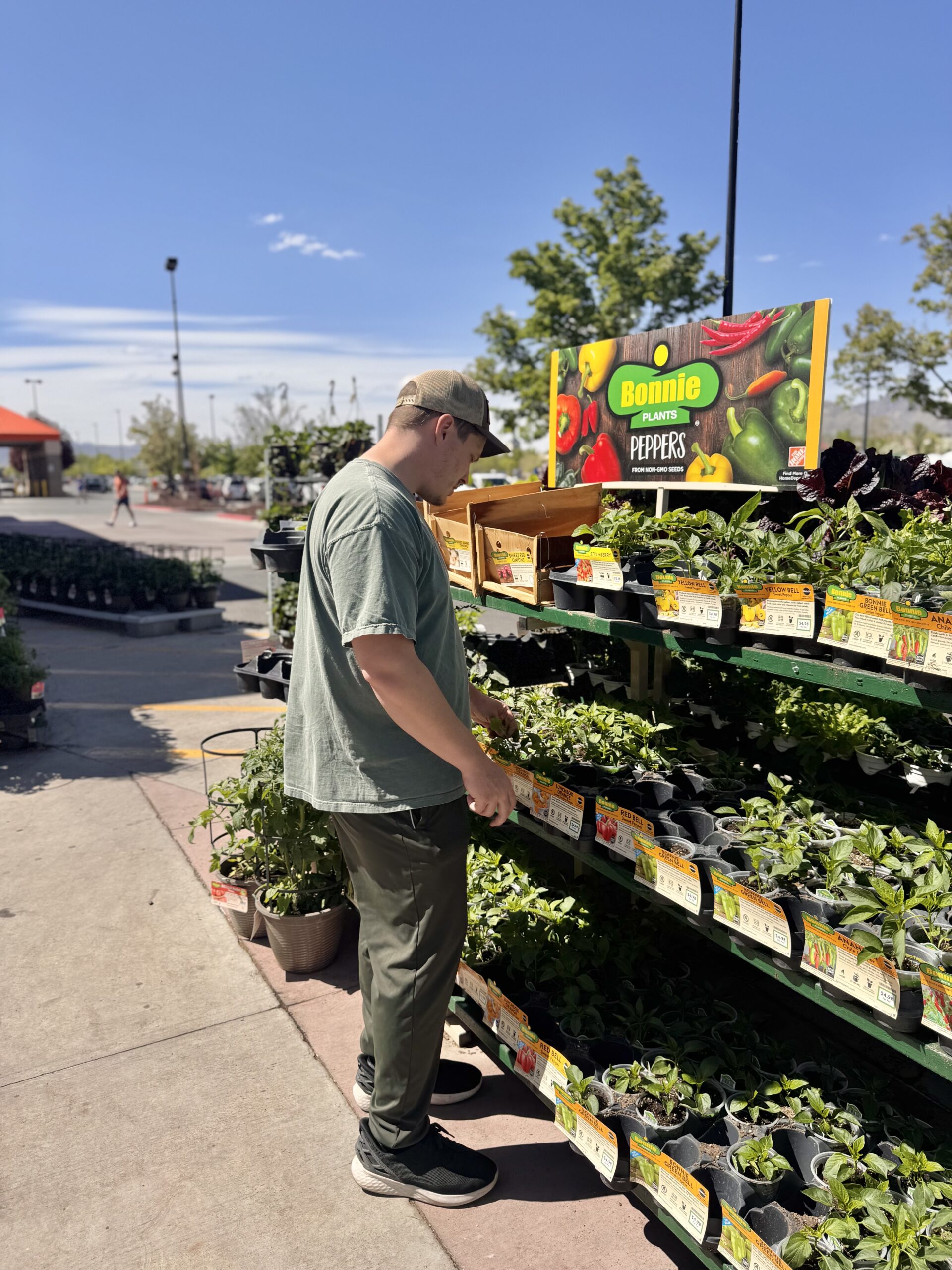
Seedlings with Fruit: Is It Good or Bad?
When it’s a good sign: Some plants like tomatoes, peppers, and cucumbers may bear fruit early in greenhouses or controlled settings, indicating the plant is established and healthy.
When it’s a bad sign: If seedlings have too much fruit too early, it might signal the plant is stressed or overexerted. Excess fruiting early can lead to stunted growth or poor quality later on.
What to look for: For plants like tomatoes and peppers, it’s usually better to buy plants without fruit. This ensures that the energy is focused on growth and development rather than fruit production.
How Many Seedlings Per Container?
Ideal Number of Seedlings: 1-2 seedlings per cell or pot is ideal. More space allows for better root development and overall plant health.
Too Many Seedlings: If you find plants with too many seedlings in one pot, avoid them. They are more likely to experience root competition and transplant shock.
Signs of Overcrowding: Plants may be leggy, stressed, and show signs of weak growth. Choose plants that look healthy with well-spaced roots.

Common Negative Seedling Conditions
Seedlings can come with pests or diseases if they’ve been poorly cared for. Here are common conditions:
1. Damping Off:
- Cause: Fungal pathogens thrive in wet, humid conditions.
- Symptoms: Wilting, yellowing, and collapse of seedlings. The base of the stem may appear mushy.
- Prevention: Look for plants with healthy, upright stems and avoid plants that appear weak or floppy.
- Treatment: Improve air circulation/drainage; dispose of infected plants.
2. Root Rot:
- Cause: Overwatering or poor drainage.
- Symptoms: Yellowing or wilting leaves, blackened roots.
- Prevention: Choose plants with healthy white roots and avoid those with soft, dark roots.
- Treatment: Cut off infected roots and treat with fungicide if needed.
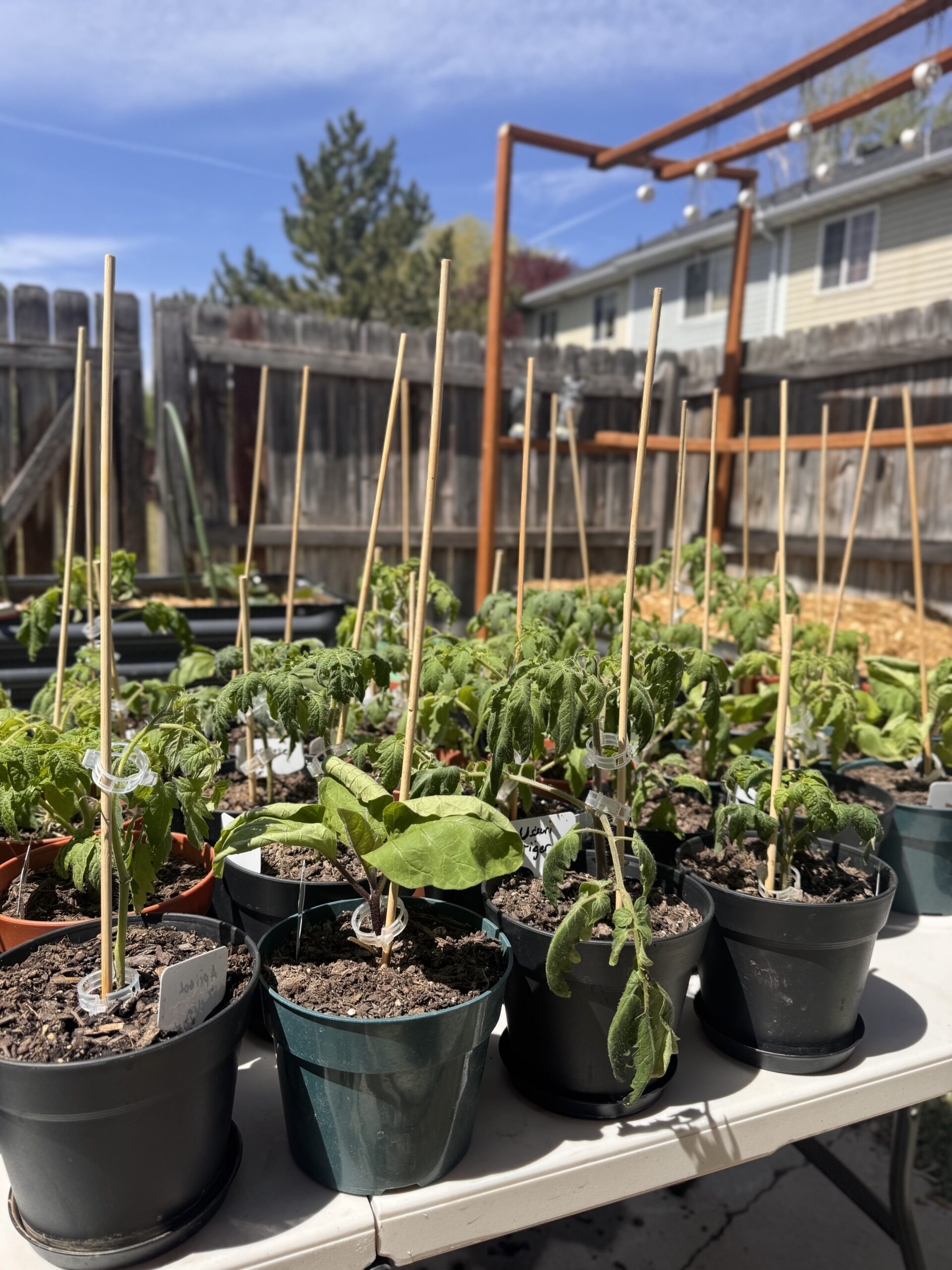
3. Aphids, Whiteflies, and Spider Mites:
- Cause: Insects that infest seedlings.
- Symptoms: Yellowing leaves, sticky spots, or visible insects (tiny whiteflies or aphids).
- Prevention: Check the undersides of leaves for pests.
- Treatment: Use insecticidal soap, neem oil, or introduce beneficial insects.
4. Powdery Mildew:
- Cause: Fungal disease caused by high humidity and poor air circulation.
- Symptoms: White, powdery spots on leaves.
- Prevention: Choose plants that are not overly crowded and well-spaced. Ensure proper watering techniques.
- Treatment: Remove infected leaves and treat with fungicide.

5. Leaf Spot and Blight:
- Cause: Fungal or bacterial infections causing dark spots on leaves.
- Symptoms: Brown or black spots on leaves.
- Prevention: Avoid plants with yellowing or spotted leaves.
- Treatment: Prune off infected leaves and treat with fungicide.
6. Root-Bound Plants:
- Cause: Roots outgrow the container and begin circling.
- Symptoms: Roots are tangled or growing out of the drainage holes.
- Prevention: Choose plants that are not root-bound.
- Treatment: If only slightly root-bound, gently loosen the roots before planting.
What Vegetable Transplants to Buy vs. Avoid
What to Buy:
- Tomatoes, Peppers, Eggplants, Broccoli, and Cabbage: These crops benefit from being started early indoors and then transplanted to maximize the growing season.
What to Avoid:
- Carrots, Radishes, Beets: These root vegetables grow poorly when transplanted because their roots are disturbed.
- Beans, Peas: These fast-growing crops dislike transplanting and should be direct-sown.
- Squash, Cucumbers, Melons: Better to sow these seeds directly in the soil unless you are transplanting them when they are very young.
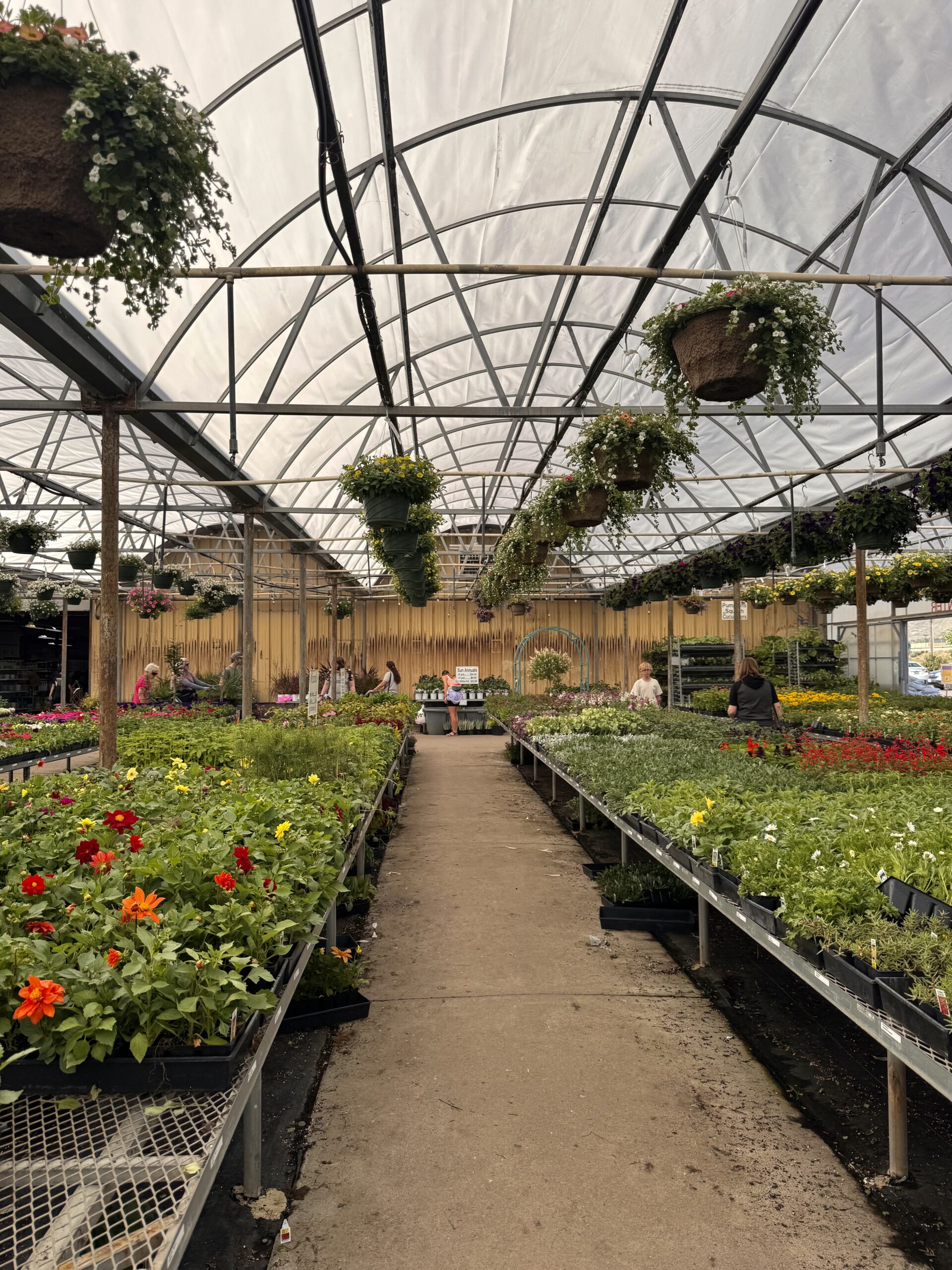
Big Box Stores vs. Garden Centers: Pros and Cons
| Store Type | Pros | Cons |
|---|---|---|
| Independent Garden Centers/Greenhouses | Healthier, more locally adapted plants; better plant care Knowledgeable staff for gardening advice More heirloom and unique varieties | Slightly higher prices (sometimes — though my local greenhouse is actually cheaper!) Possibly smaller selection during off-seasons |
| Big Box Stores (e.g., Lowe’s, Home Depot) | Lower prices (sometimes — though my local greenhouse is actually cheaper!) Convenient locations Broad availability of popular varieties | Plants may be poorly cared for, leading to stressed seedlings Limited variety of plants Risk of purchasing plants that haven’t been hardened off |
Final Tips
- Always inspect plants carefully. Look for healthy roots, firm leaves, and avoid those with visible damage or pests.
- Choose transplants with plenty of space in their containers and avoid those already bearing fruit.
- Look for reputable local garden centers or greenhouses when possible for the healthiest plants and the best advice.




I always thought if they had fruit on them that was a good sign. Thanks for enlightening me!
This helped me stop always picking the tallest plants at the nursery. Sometimes its better to start a bit earlier with smaller plants